
In the global marketplace, the term “major airline” is often synonymous with fleet size, revenue, or flight frequency. However, from a brand strategy perspective, being a major airline is defined by brand equity—the perceived value and psychological footprint a carrier leaves on the global consumer. The aviation industry is one of the most branding-intensive sectors in the world, where corporate identity must be maintained across thousands of touchpoints, from the tail fin design visible at 30,000 feet to the texture of a napkin in a first-class cabin.
Understanding the major airlines requires an analysis of how these massive corporations position themselves in a crowded sky, utilizing marketing, design, and strategic identity to command loyalty and justify premium pricing.
The Legacy Carriers: Defining the Gold Standard of Global Branding
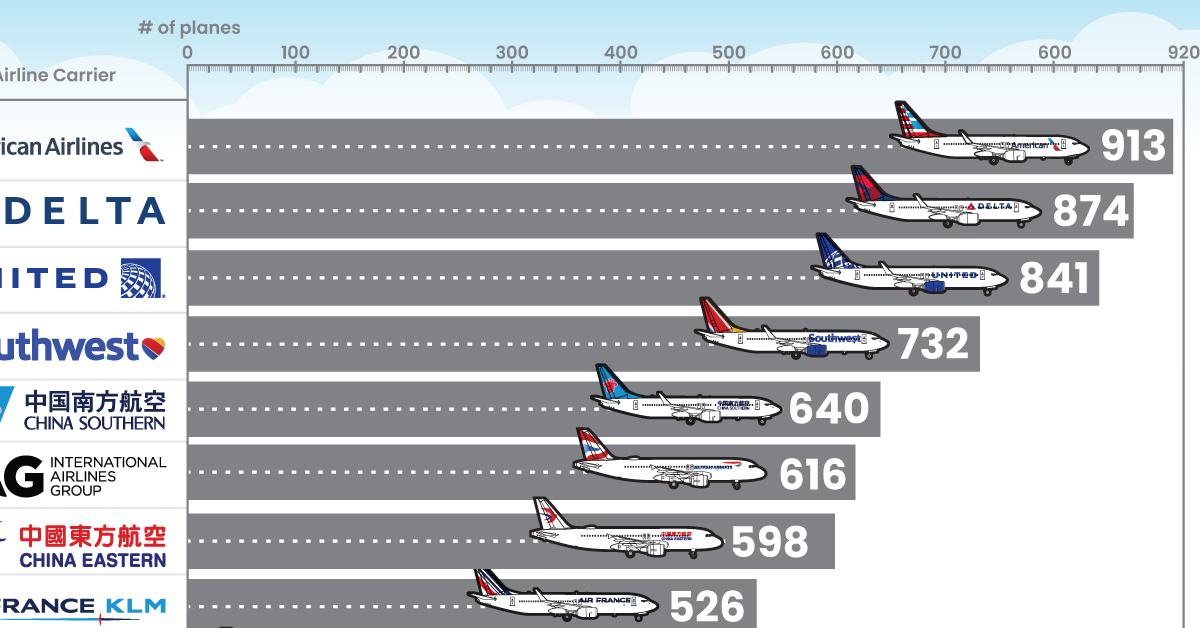
The “Big Three” in the United States—Delta, United, and American Airlines—alongside European giants like Lufthansa and British Airways, represent the “Legacy” brand archetype. These are the foundational pillars of the industry, and their brand strategies are built on a foundation of heritage, reliability, and global reach.
The Power of Heritage and Trust
For legacy carriers, the brand is an asset built over decades. Delta Air Lines, for instance, has meticulously positioned itself as the “premium” domestic carrier in the U.S. Their brand strategy revolves around operational excellence and a perceived level of service that justifies a higher price point than budget competitors. The marketing focuses on the “human” element of travel, emphasizing the professionalism of their crew and the reliability of their schedule. This is a classic example of trust-based branding, where the consumer pays for the peace of mind that the airline’s historical infrastructure provides.
Visual Identity and the Evolution of the Livery
A major airline’s livery (its aircraft paint scheme) is its most potent billboard. In recent years, we have seen a shift toward “Eurowhite” designs—clean, white fuselages with bold logos on the tail. American Airlines underwent a massive rebranding in 2013, moving away from its iconic polished metal look to a modern, matte silver finish with a stylized “Flight Symbol.” This move was more than aesthetic; it was a brand signal of modernization and a departure from the bankruptcy era. The visual identity of a major airline must balance modernity with institutional stability, ensuring that the brand looks forward-thinking while remaining grounded in safety and tradition.
Low-Cost Carriers (LCCs): Disrupting the Market through Value-Centric Branding
While legacy carriers sell a “full-service” experience, Low-Cost Carriers (LCCs) like Southwest, Ryanair, and EasyJet have mastered the brand strategy of “The Great Democratizer.” These brands do not try to compete on luxury; instead, they compete on transparency, efficiency, and price-point accessibility.
Southwest and Ryanair: The “No-Frills” Persona
Southwest Airlines is a masterclass in personal branding and corporate culture. By positioning themselves as the airline with “Heart” (literally using a heart in their logo), they have created a brand that feels approachable and friendly. Their strategy avoids the stuffiness of traditional aviation, opting for a playful, egalitarian approach where there are no assigned seats.
Conversely, Ryanair in Europe utilizes a “challenger brand” strategy. Their branding is often intentionally provocative, focusing almost exclusively on the “lowest price” promise. While their brand sentiment may be lower in terms of luxury, their brand clarity is unmatched. Consumers know exactly what the Ryanair brand stands for: getting from point A to point B for the price of a train ticket. This clarity is a powerful marketing tool that eliminates consumer confusion.
Brand Dilution vs. Brand Clarity in the Budget Space
The danger for major budget airlines is brand dilution—trying to be too many things to too many people. When an LCC tries to add premium seats or complex loyalty tiers, it risks muddying its core value proposition. The most successful major airlines in this niche are those that stay “on brand” by relentlessly optimizing for cost and communicating that value through bold, high-contrast visual identities (like the bright orange of EasyJet or the vibrant yellow of Spirit Airlines).
The Middle Eastern “Big Three”: A Masterclass in Luxury Branding
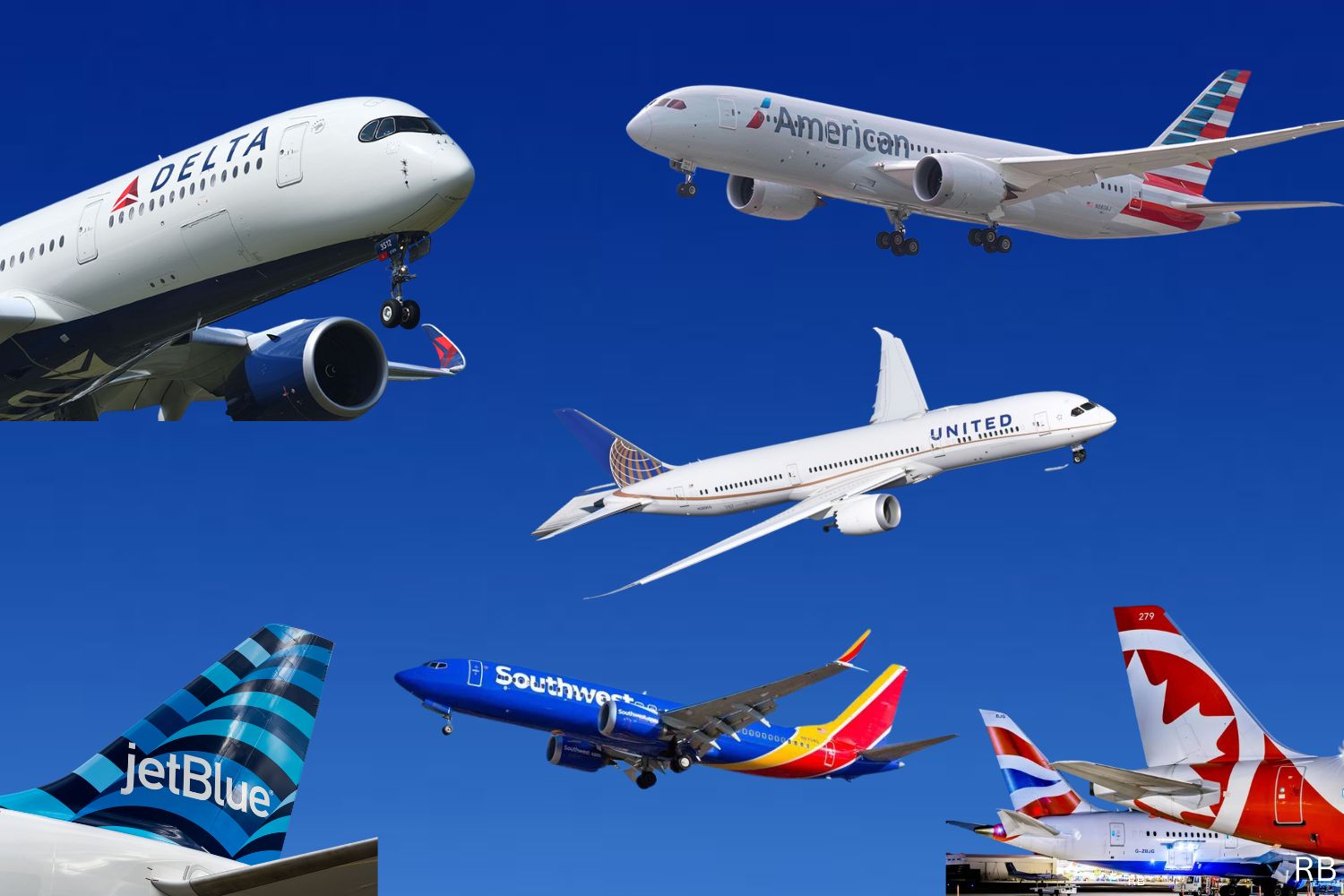
In the last two decades, Emirates, Qatar Airways, and Etihad have redefined what it means to be a “major airline” through the lens of aspirational branding. These carriers have leveraged their geographic positions to become global hubs, but their true success lies in their marketing as luxury lifestyle brands.
Emirates, Qatar, and Etihad: Selling an Experience, Not Just a Seat
Emirates has successfully positioned itself as a global icon of opulence. By investing heavily in sports sponsorships (such as Real Madrid and Arsenal) and high-production-value commercials featuring celebrities like Jennifer Aniston and Penelope Cruz, they have moved beyond being a transportation company. They are a “hospitality brand” that happens to fly planes.
The brand strategy here is one of “excess as excellence.” Features like onboard showers and private suites in First Class are not just products; they are brand signals that communicate the airline’s dominance and commitment to the highest possible standards. This creates a “halo effect,” where even a passenger in economy feels they are participating in a superior brand experience compared to a domestic legacy carrier.
Soft Power and National Identity in Airline Branding
For these major airlines, the brand is inextricably linked to national identity. They serve as ambassadors for their respective nations (the UAE and Qatar). The branding involves “soft power,” using the airline to project an image of a modern, wealthy, and technologically advanced state. This strategic alignment between corporate and national branding is a unique hallmark of the major Middle Eastern carriers, giving them a level of marketing budget and visionary scope that most private airlines cannot match.
Loyalty Programs: The Psychological Backbone of Airline Brand Equity
One cannot discuss major airlines without addressing the brand strategy of loyalty. Frequent flyer programs like Delta SkyMiles, United MileagePlus, and American AAdvantage are among the most successful examples of “gamified branding” in corporate history.
Gamification and Exclusive Status
A major airline’s loyalty program is designed to create “sunk cost” brand loyalty. Once a traveler achieves “Gold” or “Platinum” status, the brand becomes a part of their identity. The branding of these tiers—using precious metals or “Executive” terminology—taps into the consumer’s desire for social hierarchy and exclusivity. This is a brilliant marketing maneuver that shifts the consumer’s focus from the price of the flight to the “points” or “status” earned, effectively insulating the airline from price-based competition.
The Transition from Service Providers to Lifestyle Brands
Today, major airlines are leveraging their loyalty brands to enter the financial services sector. Through co-branded credit cards and retail partnerships, airlines like Delta have become financial ecosystems. The brand is no longer just about the flight; it’s about the “Delta lifestyle,” where every dollar spent on groceries or gas reinforces the consumer’s connection to the airline brand. This diversification is a key strategy for maintaining brand relevance in a volatile economic landscape.
Navigating Crisis: Brand Resilience in the Modern Aviation Era
The ultimate test of a major airline’s brand strategy is how it handles disruption. Whether it is a global pandemic, a technical “meltdown,” or a safety concern, the strength of the brand determines the speed of the recovery.
Managing Reputation During Disruptions
When Southwest Airlines faced massive operational failures during the 2022 holiday season, its brand took a significant hit. The recovery required a “re-branding” of their operational commitment, emphasizing investments in technology and infrastructure. A major airline must have enough “brand capital” stored up to survive these moments. If the brand is seen as a faceless, uncaring corporation, consumers are quick to abandon it. If the brand has built a “human” connection, it can navigate the crisis through transparent communication and a commitment to making things right.
Sustainability: The New Frontier of Aviation Branding
As global awareness of climate change grows, the next decade of airline branding will be defined by “green” credentials. Major airlines are now in a race to brand themselves as sustainable. This involves marketing the use of Sustainable Aviation Fuel (SAF), investing in carbon offset programs, and redesigning interiors with recycled materials.
However, this presents a significant branding challenge: avoiding “greenwashing.” Consumers are increasingly skeptical of corporate environmental claims. The major airlines that will win this branding battle are those that integrate sustainability into their core identity rather than treating it as a peripheral marketing campaign. For example, KLM’s “Fly Responsibly” campaign was a bold brand move, actually encouraging travelers to consider if they need to fly, thereby positioning the brand as an honest partner in the global effort to reduce emissions.
In conclusion, the “major airlines” are far more than just transportation companies; they are sophisticated brand entities that manage complex identities across global borders. From the legacy carriers’ focus on trust to the LCCs’ focus on value, and the Gulf carriers’ focus on luxury, each has carved out a distinct niche in the consumer’s mind. As the industry evolves, the most successful airlines will be those that can adapt their brand strategy to meet new cultural and environmental expectations while maintaining the core identity that made them “major” in the first place.
aViewFromTheCave is a participant in the Amazon Services LLC Associates Program, an affiliate advertising program designed to provide a means for sites to earn advertising fees by advertising and linking to Amazon.com. Amazon, the Amazon logo, AmazonSupply, and the AmazonSupply logo are trademarks of Amazon.com, Inc. or its affiliates. As an Amazon Associate we earn affiliate commissions from qualifying purchases.