
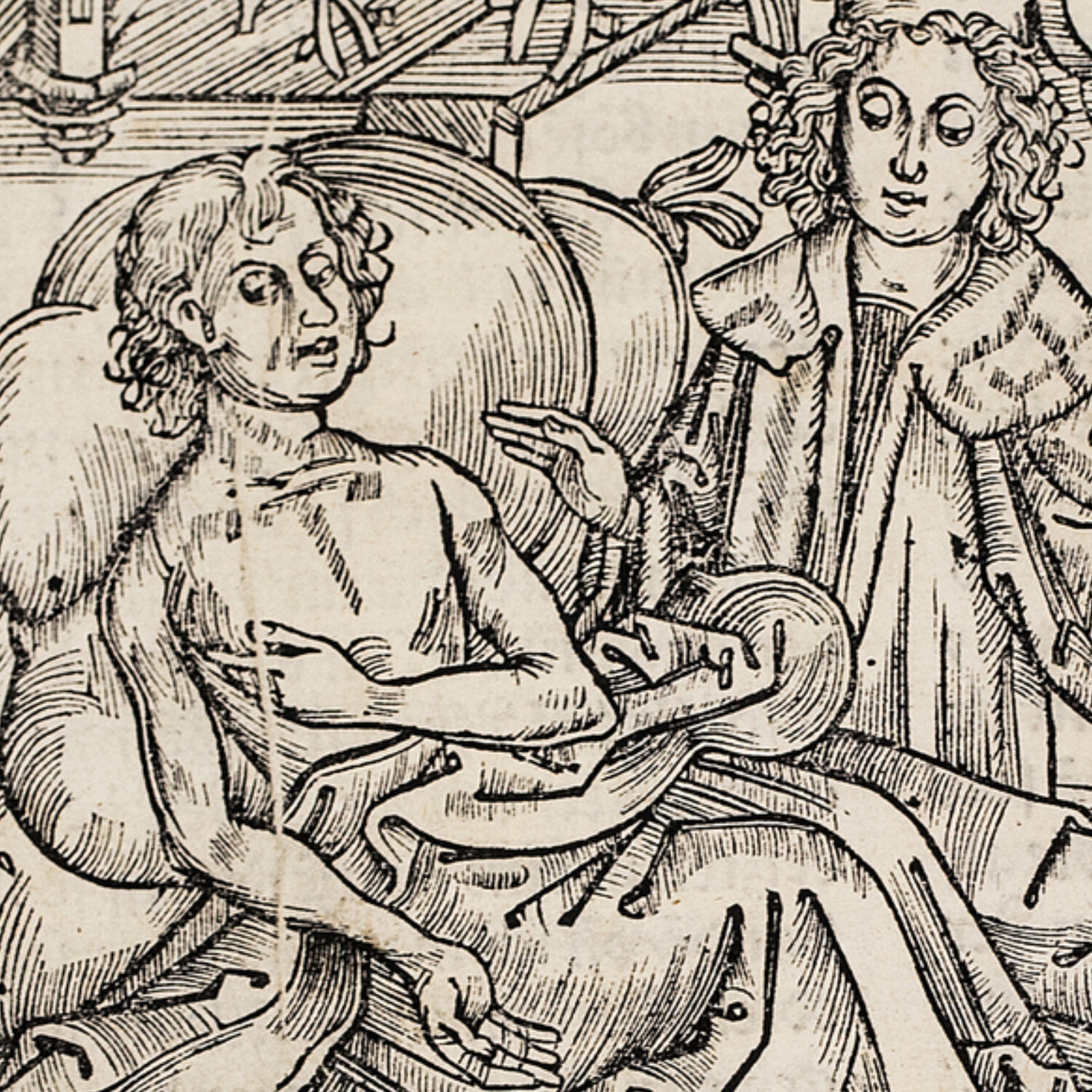
The “Black Death” of the 14th century remains the most devastating pandemic in human history, wiping out nearly 60% of Europe’s population. At the time, the “cures” ranged from the superstitious to the primitive—bloodletting, aromatic herbs, and religious penance. Today, while the Yersinia pestis bacterium still exists, it no longer poses an existential threat to humanity. This isn’t just due to basic hygiene, but rather a massive technological shift. In the modern era, the “cures” for global pandemics are no longer found in apothecary jars; they are forged in silicon, coded in Python, and analyzed by neural networks.

From AI-driven drug discovery to real-time digital surveillance, technology has become the primary defense mechanism against the resurgence of ancient plagues and the emergence of new ones. By examining the intersection of software, hardware, and biotechnology, we can understand how we have built a digital fortress against the pathogens of the past and the biological threats of the future.
Digital Epidemiology: Predicting the Outbreak Before It Begins
In the middle ages, news of the plague traveled only as fast as a merchant ship or a horse-drawn carriage. By the time a city knew the “Black Death” was coming, it was already within the walls. Today, digital epidemiology serves as the first line of defense, using software to identify potential outbreaks weeks before traditional clinical reports are even filed.
BlueDot and Predictive Analytics
Software platforms like BlueDot have revolutionized how we track infectious diseases. By using natural language processing (NLP) and machine learning, these tools scan thousands of news reports, social media feeds, and airline ticketing data in real-time. During the early days of recent global health crises, AI algorithms identified clusters of “unusual pneumonia” days before the World Health Organization issued official warnings. This predictive capability allows governments to implement travel restrictions and prepare medical infrastructure, effectively “curing” the spread by preventing the initial contagion.
IoT and Wearable Health Monitors
The Internet of Things (IoT) has moved from the smart home to the smart body. Gadgets such as the Oura Ring, Apple Watch, and specialized medical-grade wearables now provide continuous streams of biometric data. These devices can detect subtle changes in heart rate variability, blood oxygen levels, and body temperature. When aggregated at scale, this data acts as a massive digital radar. High-resolution software can identify “hotspots” where average body temperatures are rising across a specific zip code, signaling a localized outbreak. This allows for targeted interventions rather than blanket lockdowns, utilizing technology to isolate the “death” before it becomes “black” and widespread.
AI-Driven Drug Discovery: Accelerating the Path to a Cure
Historically, developing a vaccine or a targeted antibiotic took over a decade and cost billions of dollars. For the Black Death, there was no cure because there was no way to visualize the enemy. Today, Artificial Intelligence acts as a digital microscope and a laboratory assistant, reducing the timeline for drug discovery from years to months.
AlphaFold and Protein Folding
One of the most significant breakthroughs in recent tech history is DeepMind’s AlphaFold. Understanding the structure of proteins is essential to finding “cures,” as proteins are the machinery through which bacteria and viruses operate. Before AlphaFold, determining a single protein’s 3D shape was a PhD-level project that could take years. Now, this AI tool can predict the structure of nearly every protein known to science with incredible accuracy. For a pathogen like Yersinia pestis, AI allows researchers to identify specific “docking sites” on the bacteria’s surface, enabling the design of highly specialized antibiotics that can neutralize the threat without damaging the host’s microbiome.
Virtual Labs and Digital Twins
Modern pharmacology utilizes “Digital Twins”—virtual representations of biological systems—to test how drugs will interact with the human body. Instead of relying solely on slow-moving clinical trials, software can simulate millions of chemical interactions in a matter of hours. These AI models can predict potential side effects and efficacy rates, filtering out thousands of failed compounds before they ever reach a petri dish. This tech-heavy approach ensures that when a new strain of an ancient plague appears, the “cure” is already half-designed in a digital environment.
Genomic Engineering and CRISPR: Rewriting the Biological Code
If the Black Death was a biological “hack” of the human system, then CRISPR and genomic sequencing are the software patches. We are no longer at the mercy of our evolutionary biology; we now possess the tools to edit the very code of life to provide immunity and diagnostic precision.

Next-Generation Sequencing (NGS)
Next-Generation Sequencing is a technology that allows for the rapid sequencing of entire genomes. In the context of a plague, speed is everything. Portable gadgets like the MinION—a handheld DNA sequencer—allow scientists to sequence pathogens in the field, whether in a remote village or a high-density urban center. By understanding the genetic fingerprint of a bacteria in real-time, tech platforms can track mutations. If the “Black Death” were to evolve to become resistant to current antibiotics, NGS would identify the specific mutation immediately, allowing developers to tweak the chemical composition of treatments.
CRISPR as a Diagnostic and Therapeutic Tool
CRISPR-Cas9 technology is often discussed in the context of gene editing, but its application in “curing” plagues is equally transformative. CRISPR-based diagnostic tools, such as SHERLOCK, can detect the presence of specific viral or bacterial RNA with the precision of a heat-seeking missile. Beyond diagnostics, researchers are looking into using CRISPR to engineer “gene drives” in vectors like fleas or rats—the traditional carriers of the Black Death—to render them unable to carry the pathogen. This is a tech-driven ecological “cure” that stops the disease at its source.
Robotics and Autonomous Systems in Pathogen Containment
Physical contact was the primary driver of the 14th-century plague. In the 21st century, we use robotics and autonomous gadgets to maintain “social distance” while ensuring that essential services and disinfection protocols continue uninterrupted.
UV-C Disinfection Drones and Robots
Human error is a significant factor in the spread of disease within hospitals. Tech companies have developed autonomous robots equipped with high-intensity UV-C light arrays. These robots navigate hospital hallways and public spaces, destroying 99.9% of pathogens on surfaces and in the air without exposing human janitorial staff to the risk of infection. These gadgets are the modern, high-tech version of the plague doctor’s mask, providing a barrier between the pathogen and the person.
Autonomous Delivery and Telepresence
In a quarantined environment, the “cure” for a collapsing economy and a starving population is the autonomous supply chain. Drones and ground-based delivery robots ensure that medicine and food reach those in need without human-to-human contact. Furthermore, telepresence robots and advanced telehealth apps allow doctors to treat patients from across the globe. This digital decoupling of “care” from “contact” is a vital technological evolution that prevents the chain of transmission that once allowed the Black Death to leap from house to house.
The Digital Security of Global Health Infrastructure
As our “cures” become increasingly digital, a new threat emerges: the vulnerability of our health data and research infrastructure. In the tech niche, security is not just about protecting credit cards; it is about protecting the blueprints for our survival.
Protecting Research Data from Cyber Threats
The race for a cure is often a target for state-sponsored hacking and industrial espionage. Digital security protocols, including zero-trust architecture and advanced encryption, are essential to protect the integrity of vaccine research and genomic data. If the data used to create a cure is tampered with, the results could be catastrophic. Therefore, cybersecurity is now a fundamental component of public health.
Blockchain for Vaccine Supply Chain Integrity
One of the greatest challenges in deploying a “cure” is ensuring the authenticity and temperature control of the supply chain. Blockchain technology provides an immutable ledger that tracks a vaccine from the factory to the pharmacy. This prevents counterfeit medications from entering the market and ensures that the medicine hasn’t been compromised by temperature fluctuations during transport. In this sense, the “cure” for the Black Death is as much about the integrity of the data as it is about the chemistry of the pill.
Conclusion: The Tech-Enabled Future of Resilience
The “cures” for the Black Death have evolved from the mystical to the mathematical. We no longer pray for the plague to pass; we program our defenses to ensure it cannot take root. Through the synthesis of AI, genomic sequencing, robotics, and digital security, we have built a technological ecosystem that can identify, analyze, and neutralize biological threats at a speed that would have seemed like magic to our ancestors.
However, the tech niche teaches us that no system is without its bugs. As pathogens evolve, our software must become more sophisticated, our hardware more resilient, and our digital security more robust. The cure for the Black Death is not a single discovery, but a continuous process of technological innovation—a perpetual upgrade to the human operating system. In this high-stakes game of biological chess, technology is our most powerful grandmaster, ensuring that the shadows of the 14th century never darken our digital age.
aViewFromTheCave is a participant in the Amazon Services LLC Associates Program, an affiliate advertising program designed to provide a means for sites to earn advertising fees by advertising and linking to Amazon.com. Amazon, the Amazon logo, AmazonSupply, and the AmazonSupply logo are trademarks of Amazon.com, Inc. or its affiliates. As an Amazon Associate we earn affiliate commissions from qualifying purchases.