
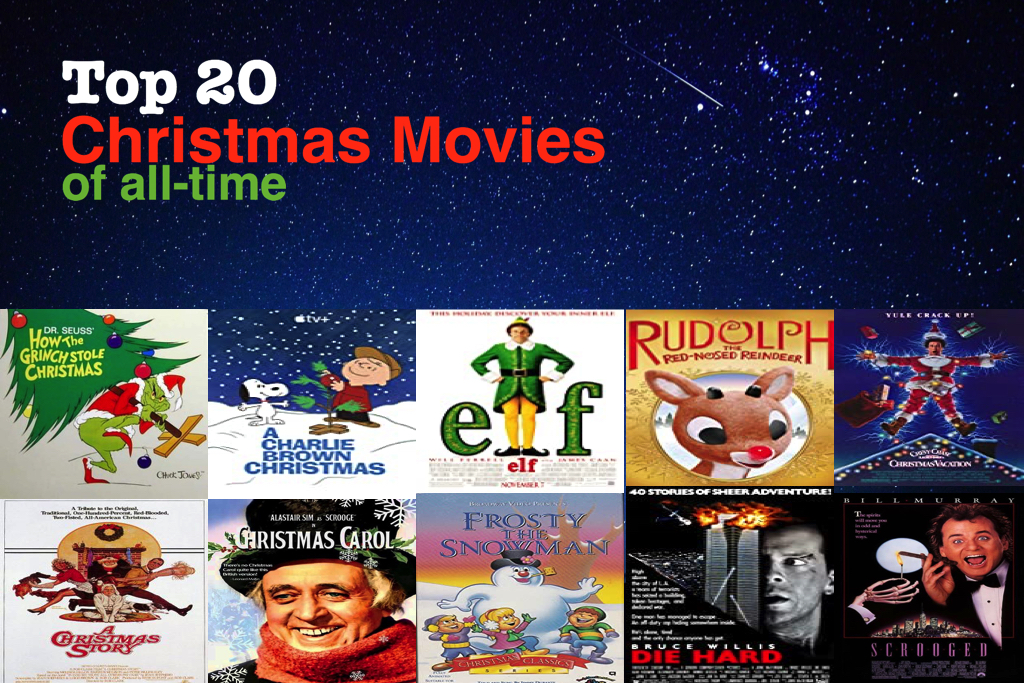
In the world of global marketing, few phenomena are as fascinating as the “Christmas Movie.” While most cinematic releases have a shelf life of a few months before fading into the digital archives, a select group of films achieves a status that any corporate brand would envy: seasonal immortality. When we ask, “What are the best Christmas movies of all time?” we are not merely discussing cinematic quality or acting performances; we are analyzing the most successful recurring brand activations in media history.

The “best” Christmas movies are those that have successfully built a sustainable brand identity that allows them to re-emerge every December, capturing market share and consumer attention with the reliability of a Swiss watch. From the strategic positioning of Home Alone to the disruptive market entry of Die Hard, the holiday film canon is a masterclass in brand strategy, emotional resonance, and long-term asset management.
1. The Psychology of Seasonal Branding: Why Certain Movies Become Icons
To understand what makes a Christmas movie a “classic,” one must look at it through the lens of brand resonance. A classic film is essentially a brand that has achieved 100% top-of-mind awareness within its target demographic. This isn’t accidental; it is the result of specific psychological triggers that align a product with a consumer’s seasonal identity.
The Emotional Anchor: Building Brand Resonance through Nostalgia
The most successful Christmas movie brands rely on “nostalgia marketing.” Brands like It’s a Wonderful Life or A Christmas Story do not just sell a story; they sell a feeling of a perceived “simpler time.” In branding, this is known as emotional anchoring. By associating the movie’s “product” (the viewing experience) with the consumer’s deeply held traditions and family values, the movie becomes an essential part of the holiday ritual. Once a movie is integrated into a family’s annual tradition, it ceases to be a discretionary purchase and becomes a mandatory “brand engagement.”
Visual Identity: The Color Palette and Aesthetic of Holiday Marketing
Consistency is the hallmark of any great brand. The best Christmas movies utilize a rigorous visual identity that makes them instantly recognizable. Consider the saturated reds and greens of The Grinch or the distinct, warm glow of the McCallister household in Home Alone. This visual branding ensures that even a single frame of the movie, used in a social media ad or a streaming thumbnail, triggers an immediate brand association. These films utilize “sensory branding”—the music, the lighting, and the costumes—to create a cohesive corporate identity that consumers can buy into year after year.
2. Analyzing the Top Contenders: Brands That Own the Holiday Spirit
When evaluating the “best” Christmas movies from a strategic perspective, we must look at how these films have carved out specific niches within the holiday market. Just as Apple owns “innovation” and Volvo owns “safety,” the top holiday films own specific emotional territories.
The Hallmark Model: Consistency and Vertical Integration
One cannot discuss holiday branding without mentioning the Hallmark Channel. While an individual Hallmark movie may not be the “best” in terms of technical filmmaking, the Hallmark brand is the undisputed leader in volume and consistency. They have created a “Brand Template”—a repeatable formula involving a career-driven protagonist, a small-town setting, and a festive conflict. This vertical integration allows them to produce content at scale while maintaining a loyal “brand community” that knows exactly what to expect. It is the McDonald’s of Christmas movies: consistent, reliable, and globally recognized.
Home Alone: A Case Study in Multi-Generational Brand Appeal
Home Alone is arguably the strongest individual brand in the holiday genre. Its strategy was brilliant: it targeted the “Gatekeeper” (parents) with themes of family and protection, while appealing to the “End User” (children) with themes of autonomy and slapstick humor. By capturing both demographics, Home Alone built a multi-generational brand loyalty. Today, the children who watched Kevin McCallister in 1990 are the parents introducing the brand to their own children, ensuring the brand’s survival through a “legacy loop.”

Die Hard: The Power of Disruptive Positioning
From a brand strategy perspective, Die Hard is the ultimate “Challenger Brand.” By positioning itself as a Christmas movie despite being an action thriller, it disrupted the market. It appealed to a segment of the audience that was fatigued by traditional, saccharine holiday content. This “anti-brand” positioning created a massive organic conversation (the “Is it a Christmas movie?” debate), which serves as free annual marketing. Die Hard proves that a brand can achieve “classic” status by being the “alternative” choice in a crowded marketplace.
3. Content Distribution and the Market Saturation Strategy
The “best” Christmas movies are often those with the most effective distribution strategies. In the digital age, a brand is only as good as its accessibility. The transition from broadcast television to streaming services has changed how these movie brands maintain their market share.
The Streaming War: Licensing and Proprietary Assets
In the current landscape, Christmas movies serve as “Anchor Assets” for streaming platforms. Disney+ uses The Santa Clause and The Nightmare Before Christmas to drive subscriptions during Q4. Netflix, recognizing the value of owning a holiday brand, has invested heavily in its own proprietary “Christmas Universe” (e.g., The Christmas Chronicles). For these platforms, the “best” movie is the one with the highest “Customer Lifetime Value” (CLV)—the film that keeps a user subscribed from November through January.
Merchandising and the Extension of the Cinematic Brand
A strong brand doesn’t end when the credits roll. The best Christmas movies extend their brand into the physical world through merchandising. The Polar Express is a prime example; it isn’t just a movie, it’s a brand that includes train rides, pajamas, ornaments, and book tie-ins. This “360-degree brand experience” keeps the intellectual property (IP) relevant and profitable long after the theatrical release. When a movie becomes a physical product, its status as a “best of all time” contender is solidified through constant consumer interaction.
4. Maintaining Relevance in a Shifting Cultural Landscape
For a movie brand to remain at the top of the “best of all time” list, it must manage its brand equity carefully. It must stay relevant to new generations without alienating its core “legacy” audience. This requires a delicate balance of brand evolution and heritage.
Modernizing the Narrative: Diversity as a Brand Strength
As global demographics shift, the most successful holiday brands are those that adapt to a more inclusive market. Brands like Happiest Season or Jingle Jangle: A Christmas Journey have successfully entered the “classics” conversation by filling gaps in the market. By expanding the “Holiday Brand” to include diverse voices and experiences, these films increase their Total Addressable Market (TAM). A brand that fails to evolve risks becoming a “heritage brand”—respected but no longer consumed by the modern vanguard.
The Role of Community and Social Proof in “Classic” Status
In the age of social media, a movie’s status as a “classic” is often determined by “social proof.” Memes, TikTok trends, and Twitter debates about The Holiday or Love Actually keep these brands in the public consciousness. This user-generated content (UGC) acts as a powerful marketing force that studios couldn’t buy. The “best” movies are those that provide enough “brand artifacts”—iconic lines, relatable scenes, or aesthetic shots—that fans can easily share and repurpose, effectively turning the audience into a volunteer marketing department.
5. Conclusion: The Future of the Holiday Movie Brand
When we look at “what are the best Christmas movies of all time,” we are looking at a leaderboard of the world’s most successful seasonal brands. These films have transcended the medium of cinema to become cultural institutions. They succeed because they follow the fundamental rules of brand strategy: they have a clear identity, they evoke a strong emotional response, they maintain a consistent visual language, and they adapt to the distribution channels of the day.
Whether it is the “Legacy Brand” of It’s a Wonderful Life, the “Franchise Brand” of Home Alone, or the “Challenger Brand” of Die Hard, these films remind us that the most valuable brands are those that become part of the consumer’s life story. As new contenders enter the market each year, they must compete not just for box office dollars, but for a permanent spot in the “Brand Portfolio” of the holiday season. The movies that win are those that understand that in the world of Christmas, the product is the movie, but the brand is the magic.
aViewFromTheCave is a participant in the Amazon Services LLC Associates Program, an affiliate advertising program designed to provide a means for sites to earn advertising fees by advertising and linking to Amazon.com. Amazon, the Amazon logo, AmazonSupply, and the AmazonSupply logo are trademarks of Amazon.com, Inc. or its affiliates. As an Amazon Associate we earn affiliate commissions from qualifying purchases.