
In the landscape of collegiate athletics and higher education, few names carry as much historical weight as the Pac-12. Traditionally known as the “Conference of Champions,” the Pac-12 has been more than just a collection of sports teams; it has been a premier brand representing West Coast excellence, academic prestige, and a specific lifestyle marketing niche. However, in recent years, the Pac-12 brand has undergone a dramatic transformation.
Understanding what the Pac-12 schools are requires looking beyond a simple list of institutions. It necessitates an analysis of brand strategy, corporate identity, and the market forces that can cause even the most established legacy brands to pivot or face dissolution. This article examines the Pac-12 through the lens of brand management, exploring its origins, its recent fracture, and its current efforts to rebuild a modern corporate identity.
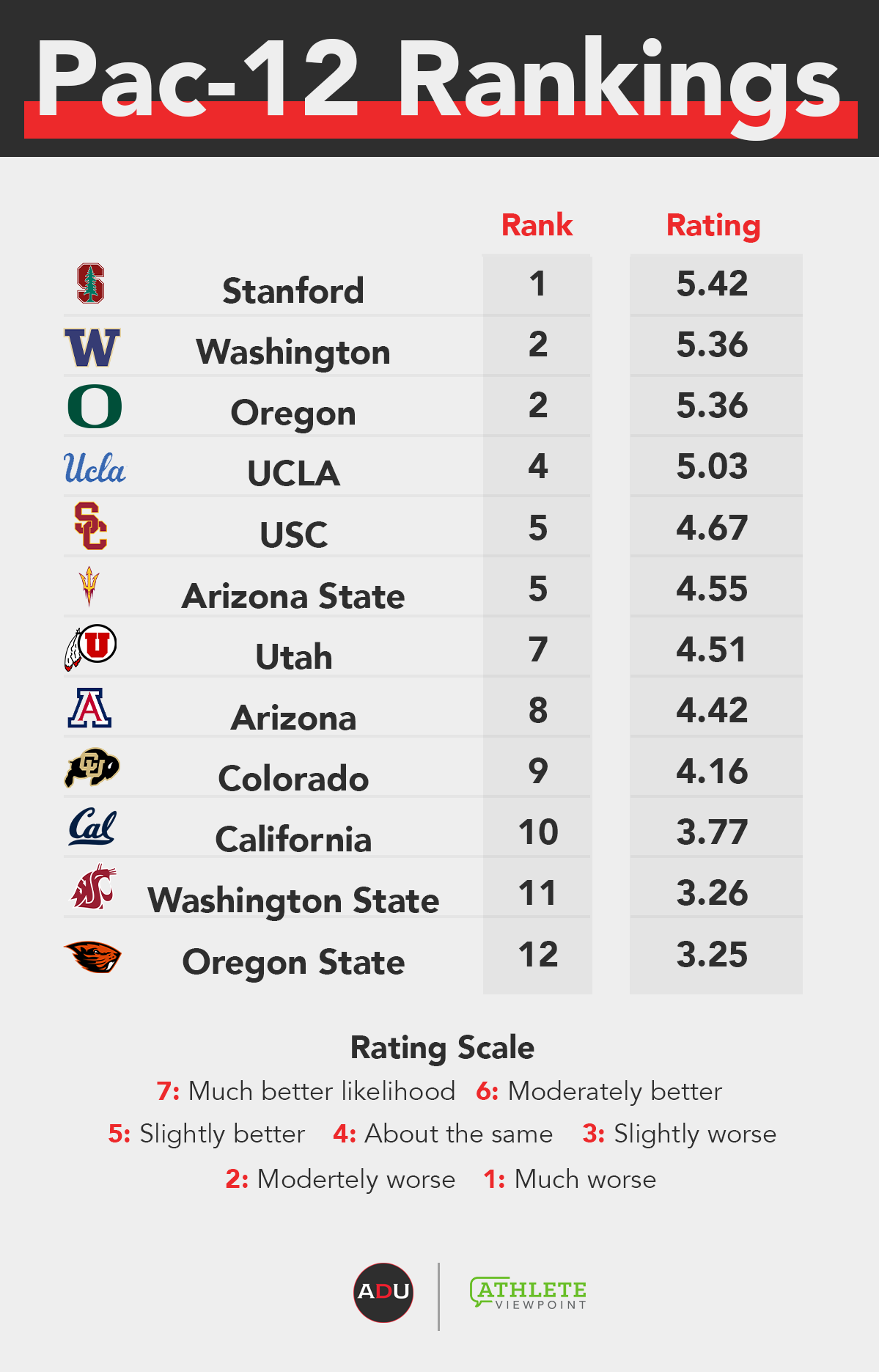
The Legacy Brand: Defining the Pac-12 Identity
For decades, the Pac-12 brand was synonymous with the elite academic and athletic culture of the Western United States. The brand was built on a foundation of regional exclusivity and a high-performance output that justified its “Conference of Champions” moniker. To understand the brand, one must first recognize the “Legacy Twelve”—the institutions that built the conference’s market value.
The “Conference of Champions” Tagline
In marketing, a tagline must be backed by data to remain credible. The Pac-12 successfully leaned into its record-breaking number of NCAA national championships across all sports—not just football or basketball. By positioning itself as the “Conference of Champions,” the brand appealed to a specific demographic: those who valued versatility, Olympic-level excellence, and broad-spectrum success. This brand positioning allowed the conference to maintain a premium status, distinguishing itself from the more football-centric brands of the SEC or Big Ten.
Regional Branding and West Coast Prestige
The Pac-12 brand was inextricably linked to the geography of the West. Stretching from the rainy high-tech hubs of Seattle and Eugene to the sun-drenched markets of Los Angeles and Phoenix, the conference marketed a “Pacific Coast” lifestyle. This regional identity was a powerful tool for recruitment and alumni engagement. It fostered a sense of elite isolationism; the Pac-12 was the gateway to the Pacific Rim, a brand that felt more progressive and innovative than its Midwestern or Southern counterparts. Schools like Stanford, UC Berkeley (Cal), and UCLA provided an academic “halo effect,” ensuring that the Pac-12 brand stood for intellectual rigor as much as athletic prowess.
Brand Dilution: Why the Pac-12 Identity Fractured
Despite its prestigious history, the Pac-12 recently faced a catastrophic brand crisis. In the world of corporate identity, a brand is only as strong as its ability to deliver value to its stakeholders. For the Pac-12, the stakeholders were the member universities, and the value was primarily driven by media rights and market visibility.
Failure in Market Positioning and Media Rights
The downfall of the Pac-12 brand can be traced back to strategic errors in media distribution and market positioning. While the Big Ten and SEC secured massive, multi-billion dollar television deals with traditional broadcasters, the Pac-12 struggled to find a sustainable platform for its content. The “Pac-12 Network” experiment, intended to give the conference total control over its brand assets, ultimately led to decreased visibility and lower revenue. In marketing terms, the brand suffered from a distribution failure; even a high-quality product cannot thrive if consumers cannot easily access it.
The Exodus: When Institutional Brands Seek Better Alignment
In 2022 and 2023, the Pac-12 brand experienced a mass exodus. The “anchor brands”—USC and UCLA—announced their departure for the Big Ten, followed shortly by Oregon and Washington. In brand strategy, this is known as “brand contagion.” Once the most valuable assets leave a portfolio, the remaining assets often perceive a diminished value in staying. Arizona, Arizona State, Utah, and Colorado sought refuge in the Big 12, while Stanford and Cal eventually joined the ACC. This movement highlighted a cold reality in brand management: institutional loyalty often takes a backseat to financial viability and market reach.

The Pac-12 “Rebrand”: Rebuilding from the Pac-2 Foundation
Following the departure of ten members, the Pac-12 brand was left in a precarious position. Only two schools remained: Oregon State University (OSU) and Washington State University (WSU). However, what followed was a masterclass in intellectual property (IP) retention and brand resilience.
Retaining the Intellectual Property
The “Pac-12” name itself holds significant equity. Rather than folding or joining a smaller conference, OSU and WSU engaged in a legal battle to retain control of the Pac-12 brand, its assets, and its governing power. From a brand strategy perspective, this was a vital move. The Pac-12 name still possesses “Power Five” resonance, even if the membership had temporarily dwindled. By keeping the name, the “Pac-2” retained a seat at the table in high-level sports governance and kept the door open for a future expansion that would use the existing brand architecture.
Strategizing New Member Acquisition
In late 2024, the Pac-12 began its aggressive rebuilding phase. The brand strategy shifted from “legacy prestige” to “aggressive growth.” The conference successfully courted several high-performing schools from the Mountain West Conference, including Boise State, San Diego State, Colorado State, and Fresno State. Later, Utah State also joined the fold. These schools were chosen not just for their athletic performance, but for their brand fit. They represent some of the most passionate fanbases in the West, providing the Pac-12 with a new, hungrier corporate identity that focuses on regional dominance and “G5” (Group of Five) leadership.
Lessons in Corporate Identity and Market Survival
The story of the Pac-12 schools offers several profound lessons for brand managers and corporate strategists. It illustrates the fragility of legacy brands in the face of digital disruption and shifting consumer (fan) behaviors.
Brand Equity vs. Operational Stability
The Pac-12 had immense brand equity—decades of history, famous alumni, and iconic logos. However, equity alone does not ensure survival. Operational stability, particularly in the form of a sound financial model and a clear distribution strategy, is the skeleton upon which a brand hangs. When the Pac-12’s leadership failed to secure a competitive media deal, the brand equity could not compensate for the lack of operational revenue. This serves as a warning to any brand: prestige is a secondary concern if the business model is fundamentally broken.
The Future of the Pac-12 as a Niche Brand
As the Pac-12 moves forward with its new roster of schools, its brand identity is transitioning. It is moving away from the “academic elite of the West” persona and toward a “competitive, innovative underdog” identity. This is a classic brand pivot. By embracing schools that are traditionally seen as “scrappy” or “up-and-coming,” the Pac-12 is positioning itself as a challenger brand. In the new landscape of collegiate sports, where the Big Ten and SEC act as massive conglomerates, the new Pac-12 has the opportunity to dominate the “Best of the Rest” market, leveraging its famous name to secure better deals than its peers.

Conclusion: The Endurance of the Pac-12 Name
So, what are Pac-12 schools today? The answer is twofold. Historically, they were the titans of West Coast academia and athletics—names like Stanford, USC, and Washington. Today, they are a group of resilient institutions led by Oregon State and Washington State, joined by a new wave of regional powerhouses like Boise State and San Diego State.
The Pac-12 brand is currently in a state of “re-emergence.” It has survived a near-death experience through strategic legal maneuvering and a clear-eyed assessment of its market value. While the conference may no longer look like the “Conference of Champions” of the 1990s, it remains a powerful case study in the value of brand IP. In an era where corporate identities are constantly being disrupted, the Pac-12’s journey from a fractured legacy to a rebuilt challenger brand is a testament to the enduring power of a well-established name. The schools that now carry the Pac-12 banner are not just playing for trophies; they are fighting to redefine what a modern collegiate brand can and should be in the 21st century.
aViewFromTheCave is a participant in the Amazon Services LLC Associates Program, an affiliate advertising program designed to provide a means for sites to earn advertising fees by advertising and linking to Amazon.com. Amazon, the Amazon logo, AmazonSupply, and the AmazonSupply logo are trademarks of Amazon.com, Inc. or its affiliates. As an Amazon Associate we earn affiliate commissions from qualifying purchases.