
In the rapidly evolving landscape of food technology and agricultural science, few compounds are as foundational—and as controversial—as nitrates and nitrites. While often discussed in the context of health and nutrition, these nitrogen-oxygen compounds are, at their core, critical components of the global industrial food “tech stack.” From the precision sensors used in high-tech farming to the molecular engineering required for clean-label preservatives, nitrates and nitrites represent a bridge between traditional chemistry and modern technological innovation.
Understanding what these compounds are and how we manage them is no longer just a matter of biology; it is a matter of data science, chemical engineering, and environmental technology. This article explores the technical dimensions of nitrates and nitrites, examining how they are monitored, synthesized, and replaced through cutting-edge technological advancements.
The Chemistry of Nitrogen Compounds in the Modern Tech Stack
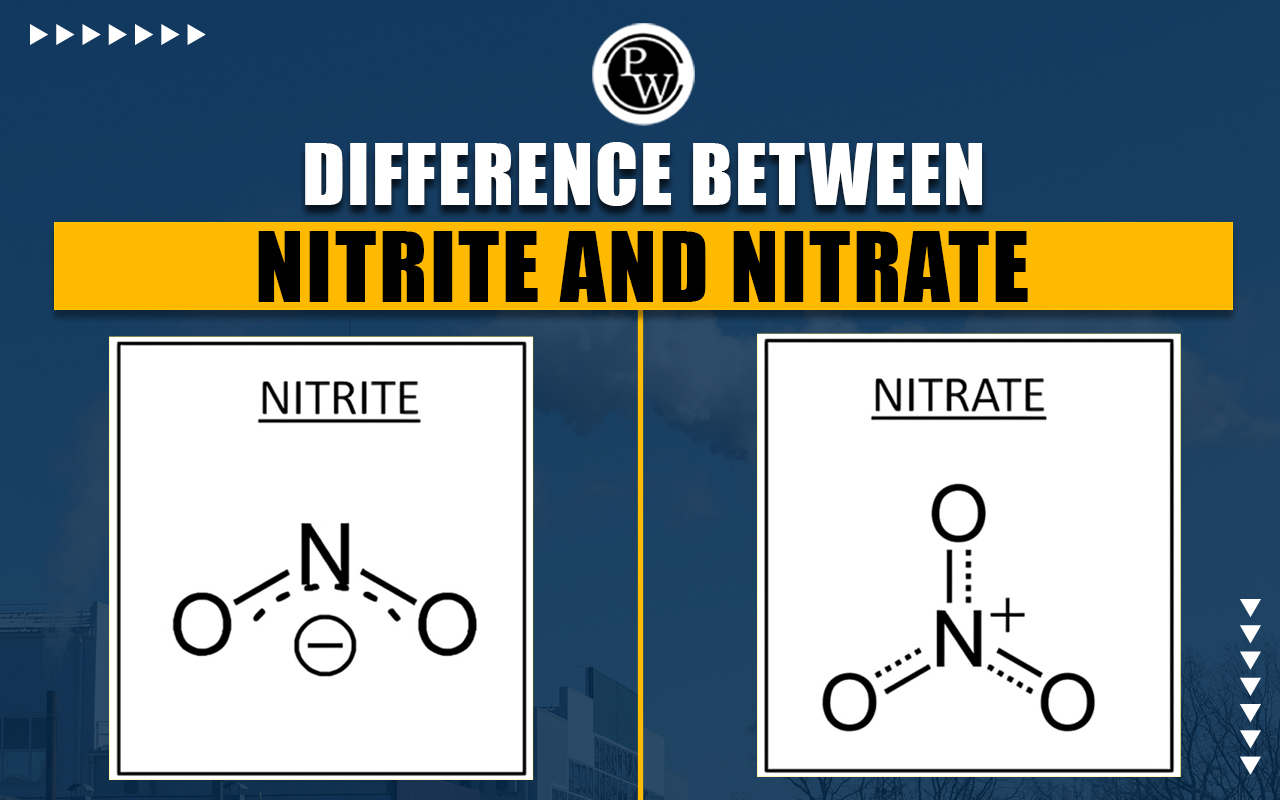
To understand the technological implications of nitrates and nitrites, one must first understand their chemical architecture. Nitrates (NO3) and nitrites (NO2) are inorganic ions composed of nitrogen and oxygen. In the industrial and agricultural sectors, these are not merely “additives” but essential inputs that drive global productivity.
Understanding the Molecular Foundation
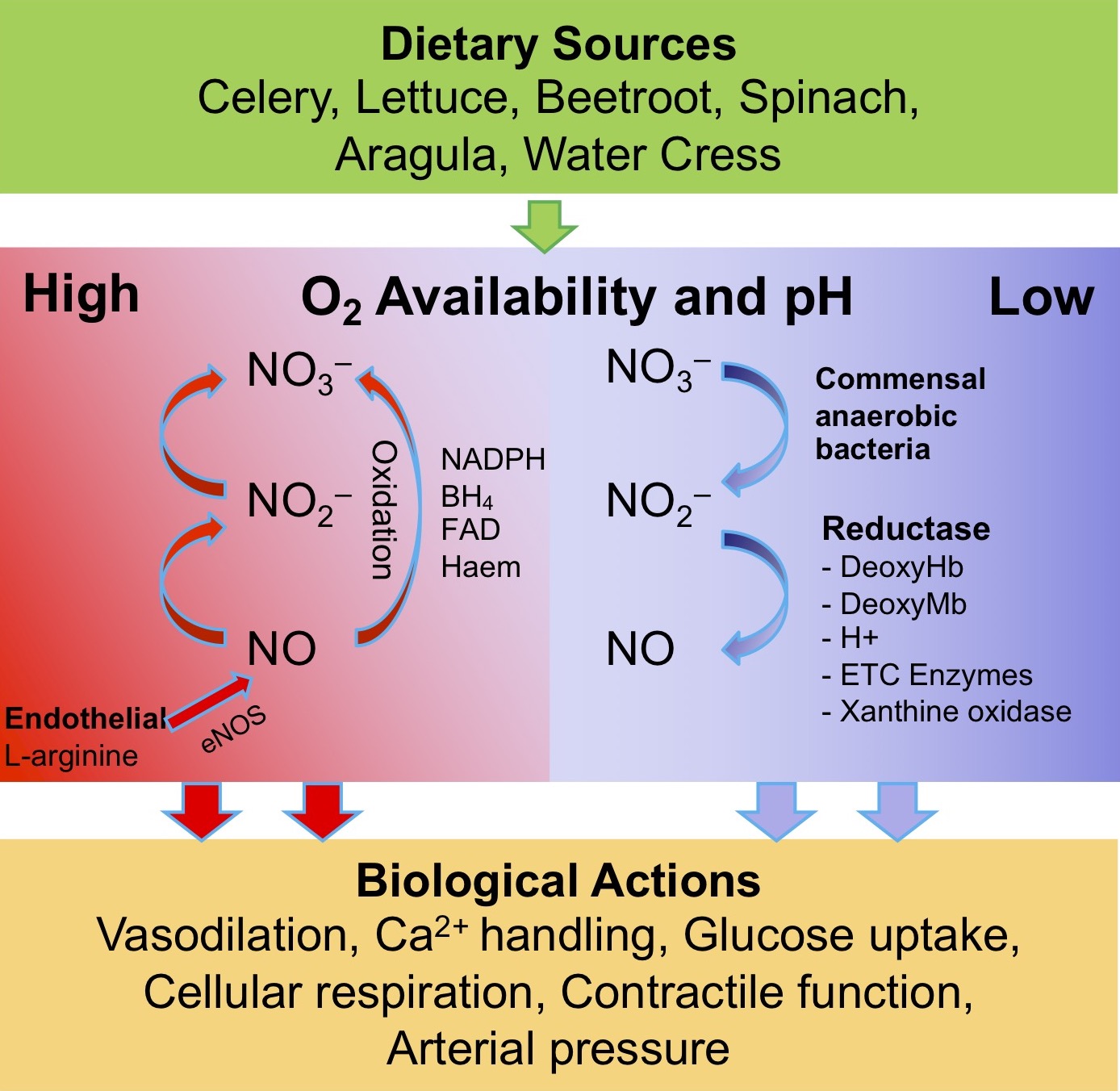
Nitrates are highly stable molecules consisting of one nitrogen atom and three oxygen atoms. They occur naturally in soil and water as part of the nitrogen cycle. However, in the context of technology, nitrates are the primary ingredient in high-efficiency fertilizers. When converted into nitrites—a process involving the loss of one oxygen atom—they become potent antimicrobial agents. This chemical transition is the basis for much of our food preservation technology, particularly in preventing the growth of Clostridium botulinum in processed proteins.
The Industrialization of Nitrogen via the Haber-Bosch Process
The most significant technological breakthrough in the history of nitrates was the development of the Haber-Bosch process. This chemical engineering feat allows for the synthesis of ammonia from atmospheric nitrogen, which is then oxidized into nitrates for fertilizer. This process is the “operating system” of modern agriculture, supporting the caloric needs of nearly half the global population. Today, the tech industry is focused on optimizing this century-old process using green hydrogen and AI-driven catalysis to reduce the massive carbon footprint associated with nitrogen synthesis.
Precision Agriculture: IoT and AI in Nitrate Management
As we move toward “Agriculture 4.0,” the primary challenge is no longer just producing nitrates, but managing them with surgical precision. Excessive nitrate use leads to environmental degradation, while insufficient use leads to crop failure. Technology is providing the solution through a combination of hardware and software.
Real-Time Soil Sensors and Data Analytics
The modern farm is an Internet of Things (IoT) ecosystem. New generations of electrochemical sensors are now capable of measuring nitrate levels in the soil in real-time. Unlike traditional methods that required physical sampling and lab analysis—a process taking days—these digital sensors provide instant feedback to a centralized dashboard.
Using LoRaWAN or 5G connectivity, these sensors transmit data to AI platforms that analyze soil health, moisture levels, and nitrogen concentration. This “Digital Twin” of the field allows farmers to understand exactly when and where nitrates are needed, moving away from the inefficient “spray and pray” models of the past.
Variable Rate Technology (VRT) in Fertilizer Application
Once the data is collected, it is put into action through Variable Rate Technology (VRT). This involves GPS-guided machinery and automated sprayers that can adjust the amount of nitrate-based fertilizer applied to every square inch of a field. By integrating satellite imagery with machine learning algorithms, VRT systems can identify “management zones” within a single farm. This technological precision ensures that nitrate application is optimized for maximum yield while minimizing the runoff that can contaminate local water tables.
Food Science Innovations: Technological Alternatives to Chemical Nitrites
While nitrates are the stars of the agricultural sector, nitrites dominate the food processing industry. However, consumer demand for “clean label” products—foods free from synthetic additives—has spurred a wave of innovation in food science technology to find viable alternatives to traditional nitrites.

The Clean Label Movement and Bio-Preservation
Food tech startups are currently leveraging biotechnology to replace synthetic sodium nitrite with vegetable-derived alternatives. Using high-tech fermentation processes, scientists can extract nitrates from celery, Swiss chard, or beets and use bacterial cultures to convert them into nitrites in situ during the curing process.
Beyond simple extraction, “Bio-preservation” involves the use of protective cultures—specific strains of bacteria that produce lactic acid and other antimicrobial compounds. The technology here lies in the genomic sequencing of these bacteria to ensure they provide the same level of safety and color stability as traditional chemical nitrites without the “synthetic” label.
Cultivated Meat and the Engineering of Stability
In the realm of cellular agriculture (lab-grown meat), the role of nitrates and nitrites is being completely reimagined. Since cultivated meat is produced in a sterile bioreactor environment, the risk of botulism is significantly lower than in traditional slaughterhouses. This allows food engineers to experiment with novel stabilization technologies.
Researchers are using molecular modeling to develop plant-based “heme” and other iron-binding molecules that mimic the color-fixing properties of nitrites. This technological shift could eventually render traditional nitrite curing obsolete for the next generation of alternative proteins.
Environmental Tech: Monitoring and Mitigating Nitrate Runoff
One of the greatest technical challenges of the 21st century is the “Nitrogen Paradox”: we need nitrates to feed the world, but their runoff creates “dead zones” in our oceans. The tech sector is responding with sophisticated monitoring and filtration systems.
Satellite Remote Sensing and Geospatial Analysis
To track the global movement of nitrates, scientists now use hyperspectral imaging from satellites. Platforms like the European Space Agency’s Sentinel-2 provide data that can detect nitrogen stress in crops from orbit. By analyzing the light-reflectance patterns of leaves, AI algorithms can calculate the nitrogen content of entire regions. This macro-level data is essential for regulatory tech (RegTech), allowing governments to monitor environmental compliance and manage watershed health at a scale that was previously impossible.
Advanced Water Filtration and Desalination Tech
For areas where nitrate contamination has already occurred, the focus shifts to mechanical and chemical engineering. Traditional water treatment plants are often ill-equipped to remove dissolved nitrates. New technological solutions include:
- Ion Exchange (IX) Systems: High-tech resins that selectively swap nitrate ions for harmless chloride ions.
- Electro-Deionization (EDI): A process that uses electricity and specialized membranes to “pull” nitrates out of water supplies.
- Bio-Electrochemical Systems (BES): Cutting-edge reactors that use “electrogenic” bacteria to break down nitrates into harmless nitrogen gas, potentially generating a small amount of electricity in the process.
The Future of Nitrogen: Toward a Circular Tech Economy
As we look toward the future, the goal of technology is to create a “circular nitrogen economy.” This involves the development of “Smart Fertilizers”—encapsulated nitrates that use nanotechnology to release nutrients only when triggered by specific chemical signals from a plant’s roots. This “smart release” technology could potentially reduce nitrate waste by over 70%.
Furthermore, the rise of “Agri-Voltaics” (combining solar power with farming) and automated hydroponic systems is allowing for the growth of crops in controlled environments where nitrate levels are recycled in closed-loop systems. In these high-tech vertical farms, nitrites are carefully managed through automated dosing systems, ensuring that not a single molecule of nitrogen is wasted.
Conclusion
Nitrates and nitrites are far more than just “food additives” or “saltpeter.” They are the essential chemical inputs that have enabled the modern world, and their management is one of the most significant technological challenges we face today. Through the integration of IoT sensors, AI-driven precision agriculture, synthetic biology, and advanced environmental monitoring, we are finally moving toward a future where we can harness the benefits of these compounds while neutralizing their risks.
The story of nitrates and nitrites is, ultimately, a story of human ingenuity. It is a journey from the brute-force chemistry of the early 20th century to the precise, data-driven, and bio-compatible technologies of the 21st. As we continue to refine our “Nitrogen Tech Stack,” we move closer to a sustainable global food system that is as efficient as it is safe.
aViewFromTheCave is a participant in the Amazon Services LLC Associates Program, an affiliate advertising program designed to provide a means for sites to earn advertising fees by advertising and linking to Amazon.com. Amazon, the Amazon logo, AmazonSupply, and the AmazonSupply logo are trademarks of Amazon.com, Inc. or its affiliates. As an Amazon Associate we earn affiliate commissions from qualifying purchases.