
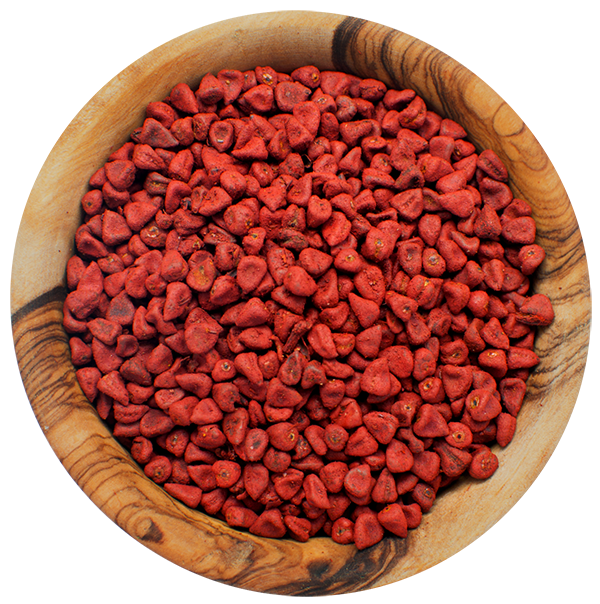
In the competitive landscape of the global food and cosmetics industries, the visual identity of a product often dictates its market success long before a consumer engages with its taste or efficacy. At the heart of this visual strategy lies a small, triangular, brick-red component known as the annatto seed. Derived from the Bixa orellana tree—often called the “lipstick tree”—annatto seeds have transcended their botanical origins to become one of the most significant assets in brand strategy and product positioning.
To understand what annatto seeds are from a brand perspective is to understand the power of sensory marketing. While a chemist might see a source of bixin and norbixin (the pigments responsible for its color), a brand strategist sees an indispensable tool for establishing consistency, perceived value, and “clean label” credibility. In an era where consumers are increasingly skeptical of synthetic additives, the annatto seed has emerged as a cornerstone of corporate identity for brands seeking to bridge the gap between industrial efficiency and natural authenticity.

The Visual Identity of Nutrition: How Annatto Created the “Gold Standard” Brand
Color is the most immediate communicator of a brand’s promise. In the food industry, certain colors are synonymous with specific quality tiers. For centuries, annatto seeds have been the primary tool used to engineer these visual cues, creating a psychological link between deep orange hues and premium nutritional content.
The Psychology of Color in Brand Strategy
In branding, the color orange-yellow evokes feelings of warmth, appetite, and tradition. When a consumer looks at a block of Cheddar cheese or a tub of high-end butter, they expect a certain golden radiance. Historically, this color was a byproduct of beta-carotene in the grass fed to cows. However, as dairy production scaled, that natural color became inconsistent.
Brands realized that inconsistency is the enemy of trust. By utilizing annatto seeds, companies were able to “brand” the color of their dairy products, ensuring that every batch looked identical regardless of the season. This created a visual “Gold Standard” that signaled richness and creaminess to the consumer, effectively using the seed to build brand equity through visual reliability.
Historical Case Study: The Butter vs. Margarine War
One of the most fascinating examples of brand protection involving annatto seeds occurred in the late 19th and early 20th centuries. As margarine emerged as a low-cost competitor to butter, the dairy lobby recognized that the “golden brand” was their most valuable asset. They successfully lobbied for laws that prohibited margarine manufacturers from using annatto seeds to color their product.
In some jurisdictions, margarine was even forced to be dyed pink to destroy its brand appeal. This historical conflict underscores the power of annatto: it wasn’t just a seed; it was a gatekeeper of product identity. Today, margarine and plant-based spreads use annatto to mimic the “premium” look of dairy, proving that the visual brand identity established by this seed is still the benchmark for consumer preference.
Annatto as a Catalyst for “Clean Label” Branding
The modern consumer is no longer satisfied with products that simply look good; they demand transparency. This shift in consumer behavior has forced a massive rebranding effort across the “Big Food” sector, moving away from synthetic dyes (like Yellow 5 or Red 40) and toward natural alternatives.
Shifting Consumer Perceptions: From Synthetic to Natural
For a brand, the ingredient list is a critical piece of marketing collateral. When a brand replaces a petroleum-based dye with “Annatto Extract,” they are participating in the “Clean Label” movement. This transition is a strategic branding move designed to mitigate “chemophobia” among health-conscious demographics.
By highlighting annatto seeds as the source of a product’s color, brands can pivot their narrative from “processed” to “plant-based.” This isn’t just a change in chemistry; it is a repositioning of the corporate identity. It allows legacy brands to stay relevant in a market that favors organic and minimally processed goods, effectively using the annatto seed as a badge of naturalness.
Transparency as a Corporate Identity Pillar
In the age of social media and instant information, “radical transparency” has become a competitive advantage. Brands like Kraft Heinz made global headlines when they removed artificial dyes from their iconic Macaroni & Cheese, replacing them with a blend of annatto and turmeric.
This move was not advertised immediately; instead, the brand let the product speak for itself to prove that the “visual brand” remained unchanged despite the shift to natural ingredients. When they finally revealed the change, it reinforced their identity as a brand that listens to its customers and prioritizes their well-being. Annatto seeds were the silent heroes of this successful brand evolution, allowing for a seamless transition that preserved visual heritage while upgrading the brand’s ethical standing.
Supply Chain Branding: The Narrative of Origin and Sustainability
In high-end branding, the “where” and “how” of a product are often as important as the “what.” Annatto seeds provide a rich narrative landscape for brands looking to capitalize on heritage, sustainability, and ethical sourcing.
Storytelling through the “Achiote” Heritage
In Latin American and Caribbean markets, annatto is known as achiote. For artisan brands and the specialty food sector, using the term “achiote” instead of “annatto” is a deliberate branding choice. It evokes a sense of place, tradition, and culinary craftsmanship.
By tracing the use of the seed back to the Aztec and Mayan civilizations—where it was used for body paint and sacred rituals—brands can imbue their products with a sense of “historical luxury.” This type of storytelling transforms a simple colorant into a cultural artifact, allowing brands to command a premium price point based on the perceived depth of their product’s identity.
Ethical Sourcing as a Competitive Advantage
As ESG (Environmental, Social, and Governance) criteria become central to corporate branding, the sourcing of annatto seeds has become a focal point. Brands that can certify their annatto is sourced through fair-trade practices in the Amazon or East Africa can leverage this in their marketing.
The annatto seed becomes a symbol of the brand’s commitment to biodiversity and the support of indigenous farmers. In this context, the seed is no longer just a functional ingredient; it is a PR asset. Marketing the “journey of the seed” from the rainforest to the retail shelf helps build a brand identity centered on global citizenship and environmental stewardship.
Market Positioning: Lessons in Product Differentiation
Beyond food, the annatto seed plays a pivotal role in the branding of cosmetics and personal care products. Its ability to provide a “natural glow” makes it an essential tool for brands positioning themselves in the “Green Beauty” space.
Consistency Across Global Markets
For global brands, maintaining a consistent brand image across different regulatory environments is a challenge. Synthetic dyes are often regulated differently in the EU versus the US. Annatto, being globally recognized as a safe, natural additive, allows brands to maintain a “Universal Visual Identity.”
Whether a consumer buys a specific brand of sunblock in London or New York, the color—and thus the brand experience—remains identical. This global consistency is vital for maintaining brand equity and ensuring that the brand’s visual promise is fulfilled regardless of geography.
The Cost-Value Proposition of Natural Additives
While annatto seeds are more expensive than synthetic dyes, the ROI (Return on Investment) for a brand is found in the “Value Proposition.” Brands that use annatto can position themselves in a higher price tier. The “Annatto-colored” product is marketed as a premium alternative to the “Artificially-colored” budget option.
This differentiation is key to market segmentation. By choosing annatto, a brand is making a conscious decision to target the “conscious consumer” segment—a demographic that is historically less price-sensitive and more brand-loyal. The seed, therefore, serves as a strategic tool for navigating market price points and maximizing profit margins through targeted positioning.
Conclusion: The Seed of a Stronger Brand
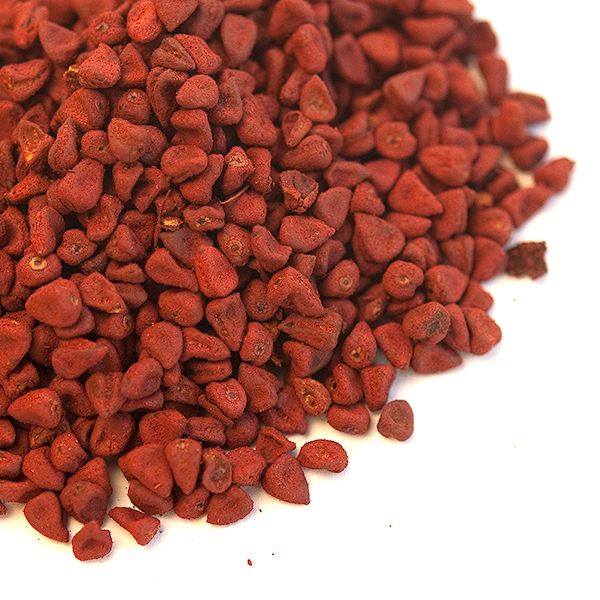
What are annatto seeds? To the consumer, they are a source of vibrant, appetizing color. To the scientist, they are a complex carotenoid. But to the strategist, they are a powerful instrument of brand identity.
From the historical battles over the color of butter to the modern-day “clean label” revolutions, annatto seeds have proven to be much more than a simple agricultural commodity. They are a medium through which brands communicate quality, tradition, health, and ethics. In a world where visual cues drive purchasing decisions and transparency builds loyalty, the humble annatto seed remains one of the most effective tools for any brand looking to color its way into the hearts and minds of its audience. By leveraging the biological and historical richness of these seeds, companies can build a brand identity that is as enduring and vibrant as the pigment itself.
aViewFromTheCave is a participant in the Amazon Services LLC Associates Program, an affiliate advertising program designed to provide a means for sites to earn advertising fees by advertising and linking to Amazon.com. Amazon, the Amazon logo, AmazonSupply, and the AmazonSupply logo are trademarks of Amazon.com, Inc. or its affiliates. As an Amazon Associate we earn affiliate commissions from qualifying purchases.