
In the modern landscape of software development, digital marketing, and the burgeoning AI industry, the physical health of the professional is often secondary to the speed of innovation. While we focus on optimizing code and scaling infrastructures, our physical “hardware”—the human body—frequently suffers from the sedentary, high-pressure environment of the tech sector. One condition that is increasingly prevalent yet frequently misunderstood in the digital workspace is the hiatal hernia.
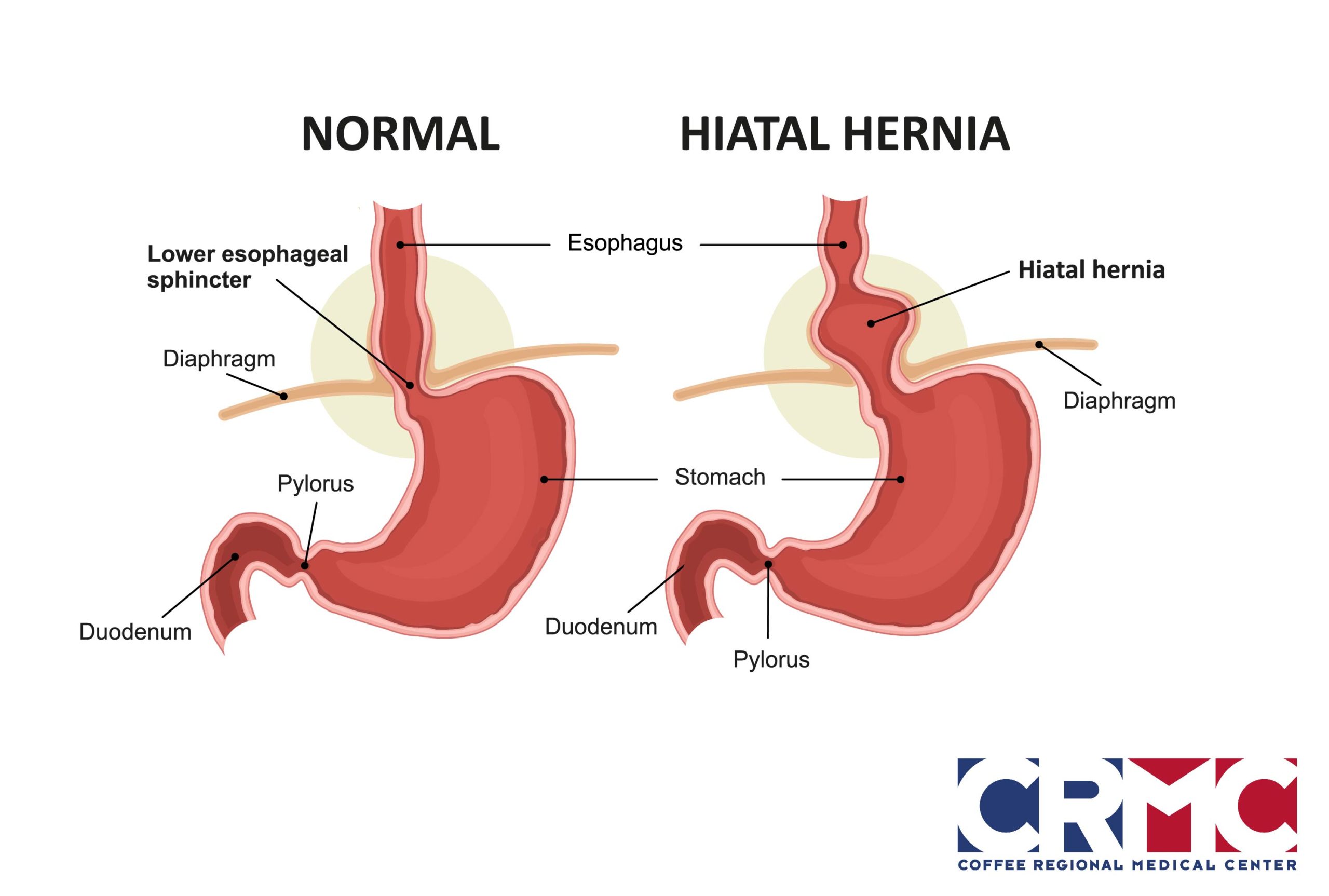
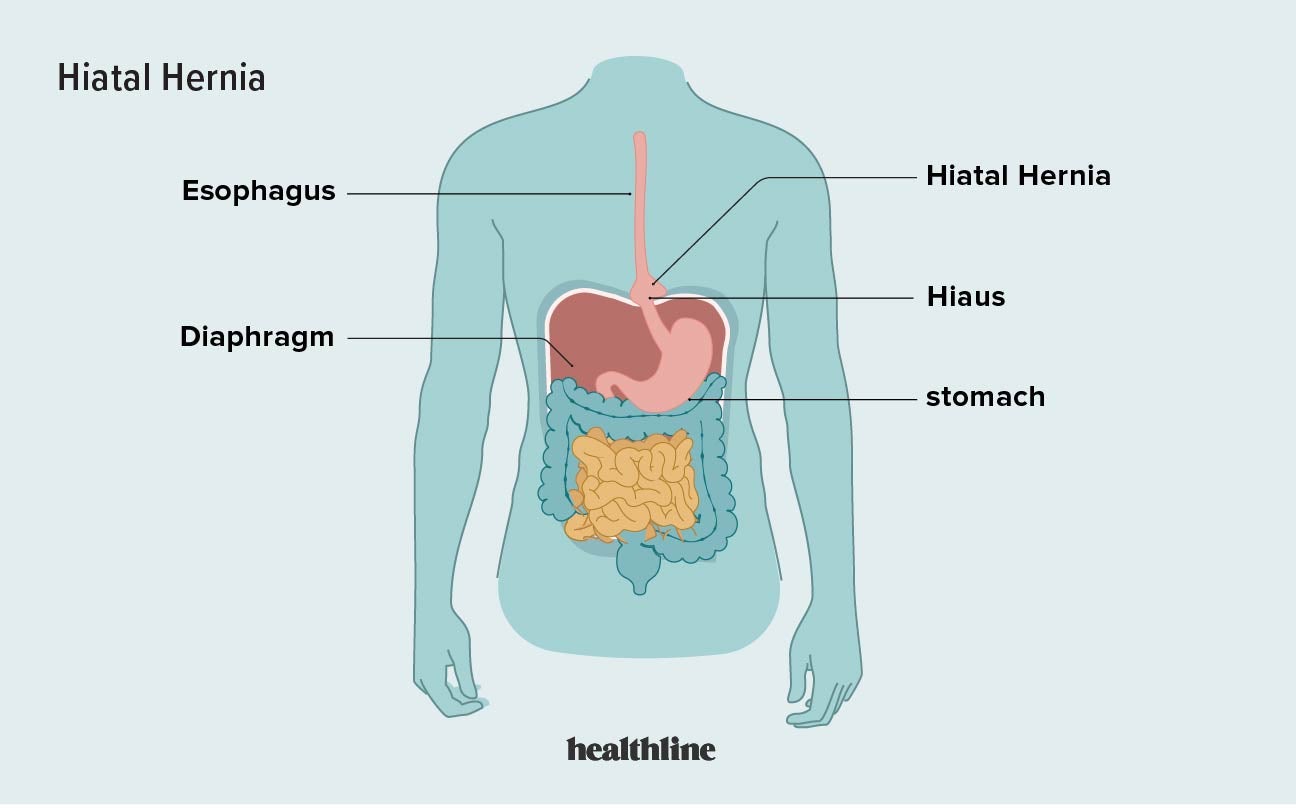
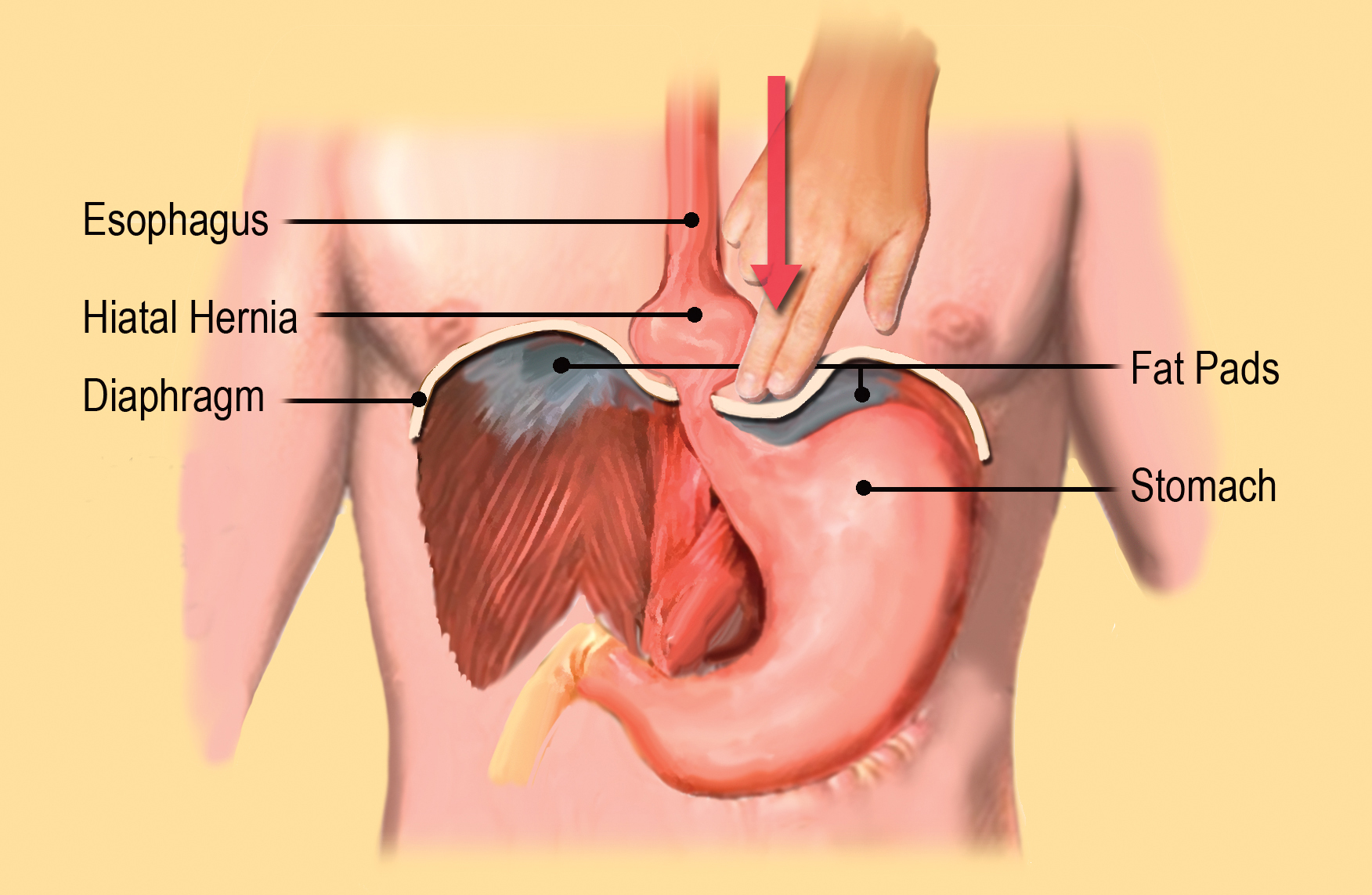
A hiatal hernia occurs when the upper part of the stomach bulges through the large muscle separating the abdomen and chest (the diaphragm). While the causes can be structural, the “aggravators” are often environmental and lifestyle-based. For the modern tech professional, the intersection of ergonomic neglect, high-stress project cycles, and the culture of “hacker” diets creates a perfect storm for this condition to worsen. Understanding what aggravates a hiatal hernia through the lens of technology trends and digital lifestyles is essential for maintaining a high-performance career without compromising long-term wellness.
Posture and Ergonomics: The ‘Tech Neck’ and Diaphragmatic Pressure
The most direct way the tech industry aggravates a hiatal hernia is through poor ergonomics. The physical setup of a workstation and the long hours spent in front of a screen have a direct mechanical impact on the placement of the stomach and the integrity of the diaphragm.
The Impact of Sedentary Coding and Design Sessions
When developers or graphic designers immerse themselves in “deep work” or “flow states,” they often lose awareness of their physical form. The common “C-curve” posture—where the shoulders roll forward and the spine slumps—puts immense pressure on the abdominal cavity. This upward pressure forces the stomach against the hiatus (the opening in the diaphragm). Over time, this constant mechanical strain can aggravate an existing hernia, pushing more of the stomach into the thoracic cavity and increasing the frequency of acid reflux.
How Poor Workspace Setup Compresses the Abdomen
The shift toward remote work has introduced a variety of non-standard workspaces. Working from a sofa, a bed, or a kitchen stool often leads to a “crunched” midsection. Unlike a high-end ergonomic chair that supports the lumbar curve and keeps the torso elongated, improvised tech setups lead to “abdominal crowding.” This crowding is a primary aggravator for hiatal hernias, as it leaves the stomach with nowhere to expand after a meal except upward through the diaphragmatic opening.
The Role of Mobile Device Usage
“Tech neck” isn’t just a cervical issue; it is a digestive one. When we lean our heads forward to look at smartphones or tablets, we tilt our ribcage downward. This downward tilt compresses the diaphragm, making it harder for the lower esophageal sphincter (LES) to stay closed. For tech enthusiasts who spend hours scrolling through feeds or testing mobile applications, this chronic compression is a silent aggravator of hernia symptoms.
Stress and the Tech Industry: The Neurological Link to Reflux
The tech sector is synonymous with high-stakes deadlines, rapid deployment cycles, and the constant need for upskilling. While the industry thrives on this energy, the physiological response to chronic stress is a major factor in what aggravates a hiatal hernia.
High-Pressure Sprints and Cortisol Spikes
During “crunch time” or a product launch, the body enters a state of chronic sympathetic nervous system activation. High levels of cortisol and adrenaline slow down the digestive process, a biological relic of the “fight or flight” response. For an individual with a hiatal hernia, delayed gastric emptying means food sits in the stomach longer, producing more gas and pressure. This internal pressure is a primary driver of the discomfort and “burning” sensation associated with the condition.
The Vagus Nerve and Digital Burnout
The vagus nerve is the information superhighway between the brain and the gut. It controls the contraction of the stomach muscles and the opening of the LES. Modern tech culture, characterized by blue-light exposure and late-night Slack notifications, disrupts the parasympathetic nervous system (the “rest and digest” mode). When the vagus nerve is “frazzled” by digital burnout, it can lead to inappropriate relaxation of the LES, allowing stomach acid to bypass the hiatal barrier more easily.
Anxiety-Induced Muscle Tension
The tech industry’s “always-on” culture often manifests as physical tension. Many professionals subconsciously hold tension in their abdominal muscles while solving complex problems. This “guarding” behavior increases intra-abdominal pressure. For someone with a hiatal hernia, this constant tensing of the core acts as a physical pump, aggravating the protrusion of the stomach through the diaphragm.
Dietary Habits of the Modern Professional
What we consume while we work is just as important as how we sit. The tech industry has its own unique culinary culture—often revolving around stimulants and convenience—which serves as a major aggravator for hiatal hernia symptoms.
Caffeine Culture and “Developer Fuel”
Coffee, energy drinks, and high-caffeine “nootropics” are staples in many software houses and startups. Caffeine is a potent smooth-muscle relaxant. Specifically, it relaxes the lower esophageal sphincter. In a healthy individual, the diaphragm provides extra support to keep this valve closed. However, in someone with a hiatal hernia, that diaphragmatic support is compromised. Large quantities of “developer fuel” effectively “open the gates,” leading to severe aggravation of reflux and chest pain.
The Trap of Late-Night Deployments and Delayed Digestion
The “night owl” developer trope often involves eating a large meal late at night during a coding session and then heading straight to bed (or a desk chair). For a hiatal hernia sufferer, gravity is a critical ally. Eating within three hours of lying down—or even sitting in a reclined position—removes the gravitational pull that keeps the stomach below the diaphragm. This habit is perhaps the single most common lifestyle aggravator in the tech community.
Fast Food and High-Fat “Convenience” Meals
When a team is pushing toward a deadline, high-fat, high-calorie takeout is often the default option. High-fat foods take longer to digest and cause the stomach to produce more acid. The volume of a large “convenience” meal also physically distends the stomach, putting maximum pressure on the hiatal opening. For those in the tech niche, moving toward a “grazing” model—smaller, more frequent, nutrient-dense meals—is a necessary pivot to avoid aggravating their condition.
Leveraging Technology for Management and Prevention
While technology contributes to the aggravation of hiatal hernias, it also provides the tools for its management. The “HealthTech” revolution is offering new ways for professionals to monitor and mitigate their symptoms.
Wearable Biofeedback for Posture Correction
New wearable devices are now capable of monitoring spinal alignment and chest expansion in real-time. These gadgets can vibrate or send a notification to a smartwatch when the user begins to slump. By using tech to enforce better ergonomics, professionals can reduce the mechanical pressure on their diaphragm, directly addressing one of the core aggravators of the condition.
AI-Driven Symptom Tracking and Diet Management
The rise of AI-powered health apps allows users to log their food intake, stress levels, and symptom flare-ups with high precision. By analyzing this data, machine learning algorithms can identify specific triggers that an individual might have missed. For instance, an app might find a correlation between a specific “energy bar” consumed during meetings and a spike in hernia-related discomfort three hours later.
Smart Furniture and the Standing Desk Revolution
The adoption of “Smart Desks” that automatically transition between sitting and standing positions throughout the day is a game-changer for hiatal hernia management. Standing naturally elongates the torso and reduces abdominal compression. By integrating these tech-driven office solutions, professionals can mitigate the physical aggravation caused by traditional sedentary setups.
Future Innovations: Robotic Surgery and Digital Therapeutics
For those whose hiatal hernias have been severely aggravated by years of tech-industry habits, the solution may lie in the very technology they help build.
Telehealth Monitoring for Chronic GI Issues
Digital health platforms now allow for continuous communication between patients and gastroenterologists. This “remote monitoring” ensures that if lifestyle aggravators are causing the condition to worsen, medical intervention can happen sooner rather than later. For a busy tech professional, the ability to consult a specialist via a secure video link makes managing the condition much more feasible.
Robotic-Assisted Hiatal Repair
When lifestyle changes and tech-driven management aren’t enough, surgical intervention may be required. The field of robotic surgery (such as the Da Vinci system) has revolutionized hiatal hernia repair. These systems allow for micro-precision that was previously impossible, leading to shorter recovery times and better long-term outcomes. It is a poetic irony that the very industry that often aggravates the condition is also responsible for the sophisticated robotics used to cure it.
Digital Therapeutics (DTx)
The emerging field of Digital Therapeutics involves using software to treat medical conditions. For hiatal hernias, DTx programs focus on diaphragmatic breathing exercises and stress-reduction protocols delivered via mobile apps. These “prescribed” software solutions help strengthen the diaphragm and regulate the nervous system, addressing both the mechanical and neurological aggravators of the hernia.
In conclusion, while the fast-paced, screen-centric nature of the tech industry presents several factors that aggravate a hiatal hernia—from poor ergonomics to high-stress cycles—the industry also holds the key to its management. By becoming conscious of our physical habits and leveraging the latest in HealthTech, we can ensure that our professional output doesn’t come at the cost of our digestive health. Managing a hiatal hernia in the digital age is not just about avoiding “triggers”; it is about re-engineering our relationship with the technology we use every day.
aViewFromTheCave is a participant in the Amazon Services LLC Associates Program, an affiliate advertising program designed to provide a means for sites to earn advertising fees by advertising and linking to Amazon.com. Amazon, the Amazon logo, AmazonSupply, and the AmazonSupply logo are trademarks of Amazon.com, Inc. or its affiliates. As an Amazon Associate we earn affiliate commissions from qualifying purchases.