
In the rapidly advancing world of automotive technology, we often focus on the “visible” innovations: massive touchscreens, autonomous driving sensors, and high-capacity lithium-ion batteries. However, the integrity of a vehicle’s performance—and the technological ecosystem that keeps it running—rests on a few critical, high-precision mechanical components. Chief among these is the serpentine belt.
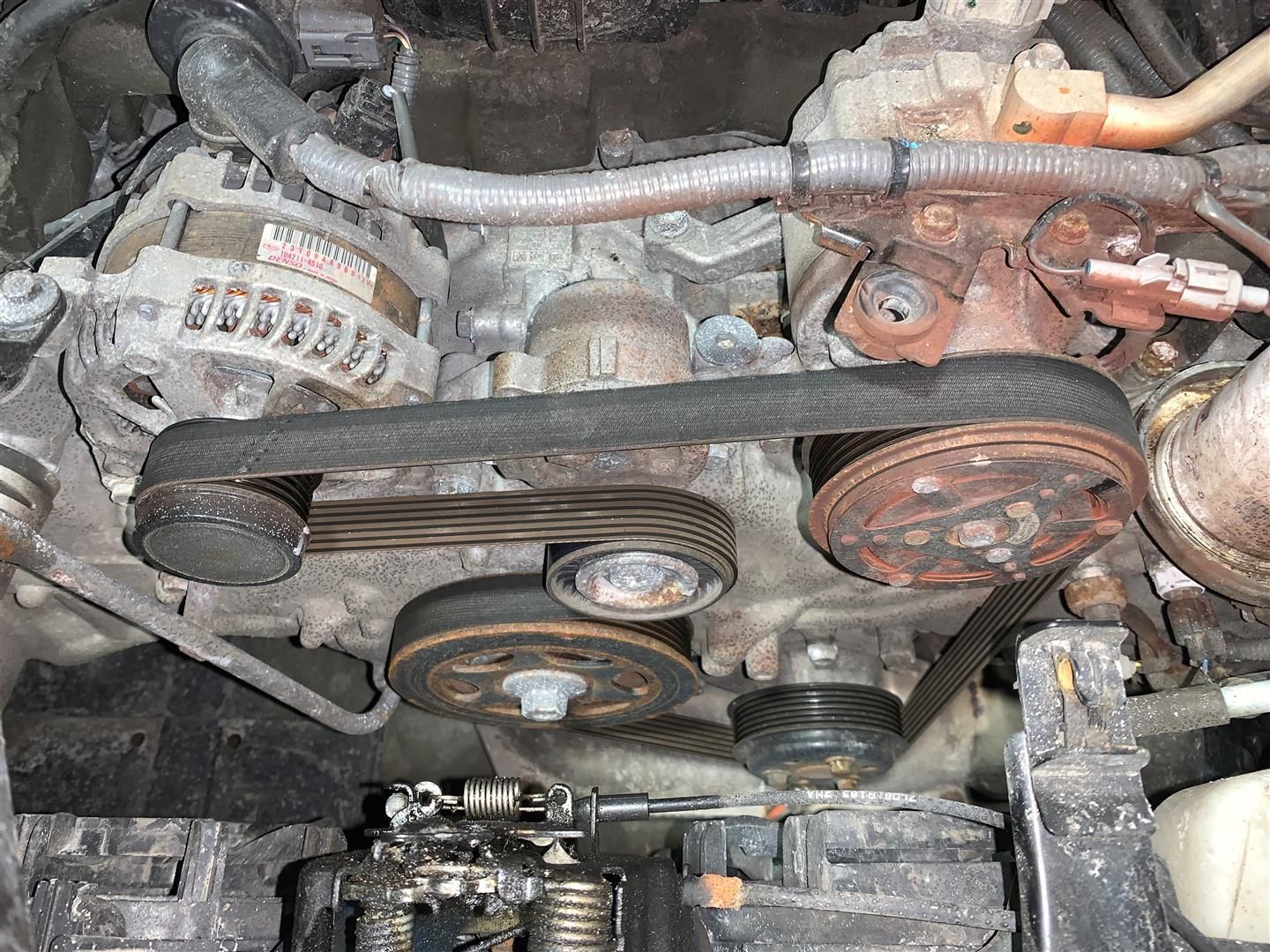
Often referred to as the “lifeline” of the internal combustion engine (and even some hybrid platforms), the serpentine belt is a marvel of mechanical engineering. It is a single, continuous belt used to drive multiple peripheral devices in an automotive engine, such as the alternator, power steering pump, water pump, and air conditioning compressor. This article explores the technical intricacies, material science, and digital diagnostic trends surrounding this essential piece of automotive tech.

The Mechanics of Efficiency: Defining the Serpentine System
At its core, the serpentine belt is a power transmission tool. Before its widespread adoption in the late 1980s and early 1990s, engines used a “V-belt” system, which involved multiple belts driving individual components. This legacy tech was inefficient, prone to frequent slippage, and required constant manual adjustment.
The Single-Belt Revolution
The transition from multiple belts to a single serpentine belt represented a significant leap in mechanical tech. By using one long, winding belt, engineers were able to reduce the overall “footprint” of the engine’s accessory drive. This allowed for more compact engine bays, which in turn paved the way for aerodynamic vehicle designs and better fuel efficiency. The serpentine belt operates on a series of pulleys, utilizing both sides of the belt (the ribbed side and the flat back side) to provide torque to various systems simultaneously.
Anatomy and Material Science
From a material technology perspective, the serpentine belt has undergone a massive transformation. Modern belts are no longer made of simple reinforced rubber. Instead, they utilize EPDM (Ethylene Propylene Diene Monomer). This synthetic rubber tech is designed to withstand extreme temperature fluctuations—ranging from -40°F in arctic winters to over 300°F in a high-performance engine bay.
The structural integrity of the belt is further reinforced with polyester or aramid fibers (similar to Kevlar). These fibers prevent the belt from stretching over its 60,000-to-100,000-mile lifespan, ensuring that the timing and power delivery to electronic components remain precise.
The Tech Behind the Tension: Powering the Vehicle’s Ecosystem
The serpentine belt is not a passive component; it is an active participant in the vehicle’s energy management system. Its primary role is to convert the rotational kinetic energy of the crankshaft into functional power for other critical subsystems.
Synchronizing the Alternator and Electronic Systems
The most critical component driven by the serpentine belt is the alternator. In modern vehicles, the alternator is the heart of the electrical system, providing the current necessary to power the Engine Control Unit (ECU), the infotainment system, and the array of sensors required for Advanced Driver Assistance Systems (ADAS). If the belt’s tension technology fails, the alternator cannot maintain a steady charge to the battery, leading to a complete “digital blackout” of the vehicle’s computer systems.
The Role of the Automatic Tensioner
One of the most vital technological companions to the serpentine belt is the automatic belt tensioner. Unlike older systems that required manual tightening, modern tensioners use a spring-loaded mechanism or hydraulic dampening to maintain a constant, precise amount of pressure on the belt. This technology compensates for the microscopic expansion and contraction of the belt during operation, preventing “belt slap” and ensuring that there is no loss of torque during rapid acceleration or deceleration.
Diagnostic Tech and Performance Monitoring
As vehicles become more integrated with “Smart Tech,” the way we monitor the health of mechanical components like the serpentine belt has evolved. We are moving away from purely visual inspections toward data-driven diagnostics.
Wear Patterns and Digital Diagnostics
Historically, technicians looked for “cracks” in the rubber to determine if a belt was failing. However, with the advent of EPDM technology, belts no longer crack as they age; instead, they lose material in the grooves—a process known as “rib wear.”
To address this, automotive tech companies have developed precision gauges and even smartphone apps that use high-resolution cameras to analyze the depth of the belt’s grooves. By comparing the visual data against a database of manufacturing specifications, these digital tools can predict the remaining lifespan of the belt with surgical precision.
The Impact of Material Degradation on System Output
When a serpentine belt begins to lose its grip due to wear, it causes “micro-slippage.” While this might not be audible to the driver, it creates technical inefficiencies. For example, if the belt slips on the water pump pulley, the cooling system’s flow rate drops, causing the engine’s thermal management software to adjust ignition timing to prevent overheating. This chain reaction results in decreased fuel economy and increased emissions, demonstrating how a simple mechanical component sits at the center of the vehicle’s technological performance.
The Future of Drive Belts in the Age of EVs and Smart Motors
As the automotive industry pivots toward electrification (EVs), the role of the serpentine belt is changing, but it is not necessarily becoming obsolete. This transition highlights a fascinating shift in how we distribute power within a machine.
From Mechanical to Electric Drive Systems
In a fully electric vehicle (BEV), the traditional serpentine belt is largely absent because there is no internal combustion engine (ICE) crankshaft to provide rotational power. In these machines, the air conditioning compressor and cooling pumps are driven by dedicated high-voltage electric motors.
However, in the world of Hybrid Electric Vehicles (HEVs) and Mild Hybrids, the serpentine belt remains a high-tech necessity. In many mild-hybrid systems, the belt is part of a “Belt Alternator Starter” (BAS) system. In this configuration, the belt is used to “fire up” the engine almost instantly after a stop-start cycle and can even assist in regenerative braking by capturing energy through the belt drive to charge a 48V battery.
Maintenance Tech: Predictive Analytics and IoT
The future of serpentine belt maintenance lies in Predictive Analytics. Modern telematics systems can now monitor the voltage output of the alternator and the internal temperature of the engine. If the software detects a pattern of “slippage” (indicated by fluctuating voltage or inconsistent pump RPMs), the vehicle’s onboard computer can send an OTA (Over-The-Air) alert to the driver’s smartphone.
This integration of mechanical parts into the Internet of Things (IoT) ecosystem ensures that a “belt snap”—which could previously leave a driver stranded—is caught long before it becomes a critical failure.

Conclusion: The Unsung Hero of the Tech Stack
While it may seem like a simple loop of rubber and fiber, the serpentine belt is a sophisticated piece of engineering that bridges the gap between mechanical power and digital functionality. It represents a legacy of efficiency that has adapted to the demands of modern EPDM material science and digital diagnostics.
As we continue to push the boundaries of what vehicles can do—incorporating more AI, more sensors, and more electrical load—the technology that drives these peripherals must remain flawless. The serpentine belt may be hidden beneath a plastic engine cover, but its role in the modern technological landscape is as vital as the code running on the vehicle’s central processor. Understanding the “tech” of the serpentine belt is an appreciation of how physical engineering and digital systems work in perfect harmony to keep the modern world in motion.
aViewFromTheCave is a participant in the Amazon Services LLC Associates Program, an affiliate advertising program designed to provide a means for sites to earn advertising fees by advertising and linking to Amazon.com. Amazon, the Amazon logo, AmazonSupply, and the AmazonSupply logo are trademarks of Amazon.com, Inc. or its affiliates. As an Amazon Associate we earn affiliate commissions from qualifying purchases.