
For anyone stepping foot in the United Kingdom or engaging in international trade, the word “quid” is likely one of the first slang terms they will encounter. While its usage is informal, its significance is anything but. In the world of finance, the British Pound Sterling (GBP) remains one of the most stable, historical, and influential currencies on the planet. To ask “what’s a quid” is to open a door into the complex machinery of the UK economy, the history of sovereign coinage, and the modern digital tools that manage trillions of pounds in daily transactions.

In this exploration, we will move beyond the simple definition—that a quid is a slang term for one pound—and delve into the financial ecosystem that sustains this currency. From the gold standard to the potential rise of a Central Bank Digital Currency (CBDC), the “quid” represents a bridge between centuries-old traditions and the high-frequency trading floors of modern London.
The Linguistic Roots and Historical Context of the Quid
To understand the financial weight of the pound, one must first understand its nomenclature. The term “quid” has been used since at least the late 17th century. Unlike other currency slang that often fades with time, the quid has remained a permanent fixture in the British lexicon, mirroring the resilience of the Pound Sterling itself.
Etymology: From Latin to London Streets
The most widely accepted theory regarding the origin of the word “quid” is that it derives from the Latin phrase quid pro quo, meaning “something for something.” In the context of trade and personal finance, this is the fundamental basis of any transaction: the exchange of value for goods or services. Another theory suggests it may be linked to Quidhampton, a village in Wiltshire that once housed a Royal Mint paper mill, though the Latin origin remains the favorite among etymologists and financial historians.
Regardless of its linguistic birth, the term became synonymous with the Pound Sterling (£). The pound is the oldest currency in continuous use. Originally representing the value of one pound of silver, it has survived the transition from physical bullion to paper notes and, most recently, to sophisticated polymer substrates and digital ledgers.
The Gold Standard and the Sterling System
Historically, the value of a “quid” was tied directly to gold. The British Pound was the world’s primary reserve currency for much of the 19th century, underpinned by the Gold Standard Act. This era established London as the undisputed capital of the global financial world. Even after the transition away from gold-backed currency in the 20th century, the pound maintained its status as a “hard currency.”
For the modern investor, the history of the pound is a case study in fiscal discipline and monetary policy. The Bank of England, established in 1694, is the second oldest central bank in the world. It manages the pound with a primary objective of price stability, ensuring that when a citizen holds a “quid,” they can trust in its purchasing power over the long term.
Navigating the Modern British Financial Landscape
In the contemporary era, the pound is more than just a physical coin or note; it is a global financial instrument. As the fourth most traded currency in the foreign exchange (forex) market, it plays a vital role in international investment portfolios and corporate balance sheets.
Physical vs. Digital: The Rise of Polymer Notes
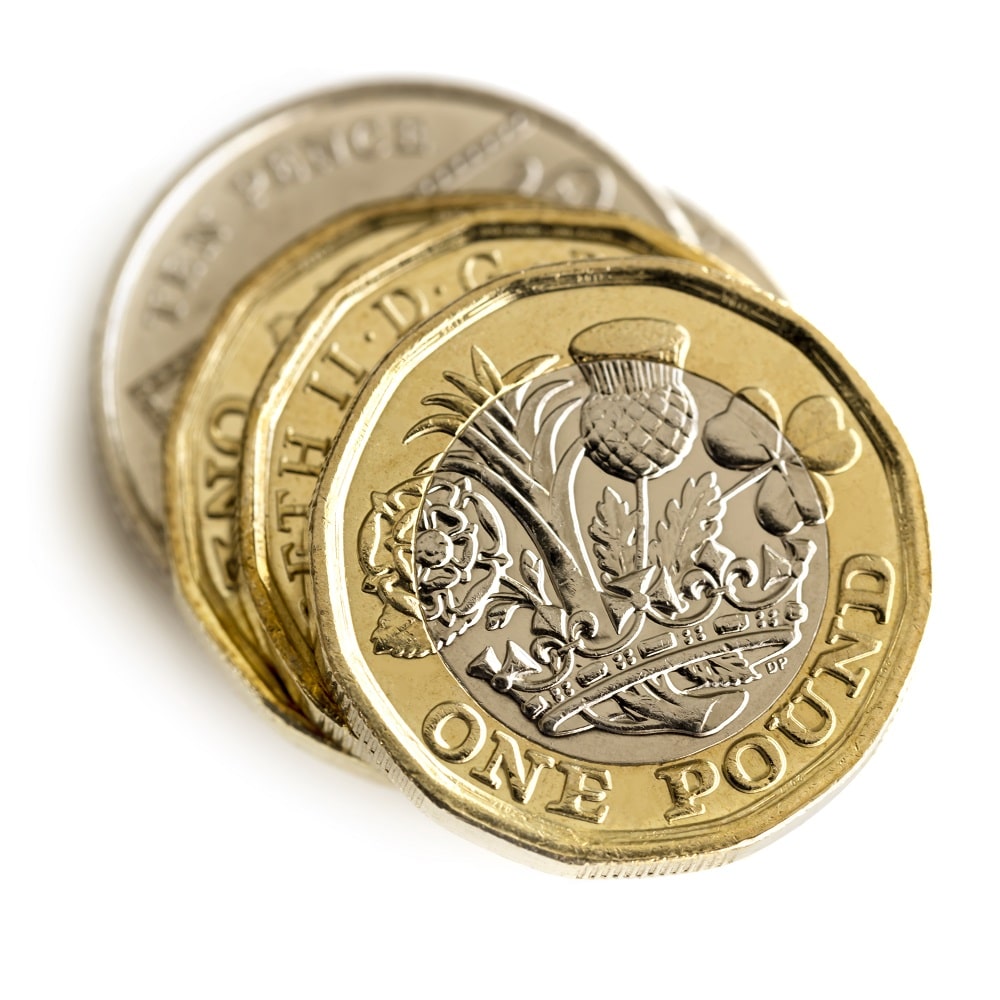
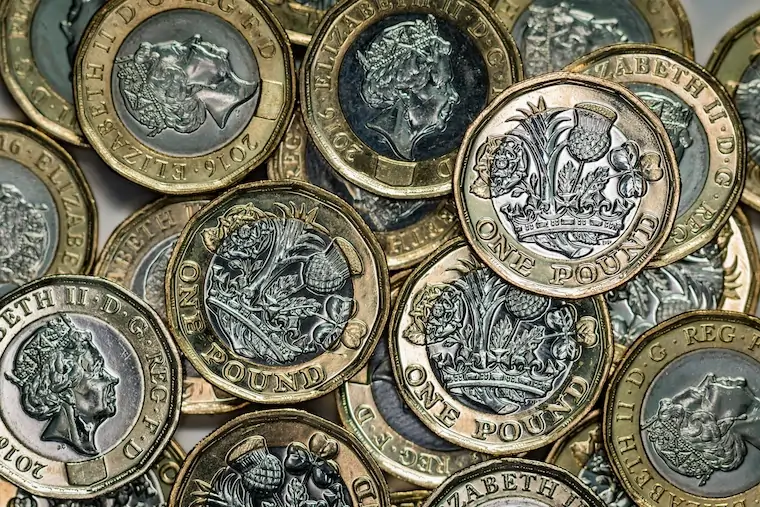
If you were to hold a “quid” today, you wouldn’t be holding a note—since 1983, the one-pound denomination has been strictly a coin. However, the five, ten, twenty, and fifty-pound notes have undergone a technological revolution. The Bank of England recently completed a transition from paper to polymer (plastic) notes.
These polymer notes are a feat of financial engineering. They incorporate advanced security features such as holograms, see-through windows, and color-changing ink to combat counterfeiting. From a sustainability and personal finance perspective, they are also more durable, lasting approximately 2.5 times longer than paper notes. This reduces the long-term costs of currency production and ensures that the physical “quid” remains a reliable medium of exchange in a world that is increasingly moving toward cashless transactions.
Exchange Rates and Global Economic Impact
The value of a quid is never static; it fluctuates based on a myriad of economic indicators. For those involved in online income or international business, monitoring the GBP/USD or GBP/EUR exchange rates is essential. The pound’s value is influenced by interest rate decisions from the Bank of England’s Monetary Policy Committee (MPC), inflation data (CPI), and the UK’s Gross Domestic Product (GDP) growth.
In recent years, the pound has faced significant volatility due to geopolitical shifts, most notably Brexit. For investors, this volatility presents both risks and opportunities. A “weak” pound can make British exports more competitive and attract foreign direct investment, while a “strong” pound increases the purchasing power of UK consumers abroad. Understanding these macro-financial trends is key to mastering personal finance within the Sterling zone.
The “Quid” in Personal Finance: Budgeting and Savings in the UK
For the individual, managing “quids” effectively requires a firm grasp of the UK’s unique financial infrastructure. From tax-efficient savings accounts to the rising cost of living, personal finance in the UK is a specialized discipline.
Cost of Living and Purchasing Power
The purchasing power of a quid is a frequent topic of national conversation. Inflation, or the rate at which the general level of prices for goods and services rises, directly erodes what a single pound can buy. In periods of high inflation, “squeezing the quid” becomes a necessity for many households.
To combat this, savvy individuals utilize various financial strategies to protect their wealth. This includes investing in assets that historically outpace inflation, such as equities or real estate. Furthermore, understanding the “basket of goods” used to calculate the Consumer Price Index (CPI) allows individuals to see where their money is going and adjust their side hustles or career paths to maintain their standard of living.
Modern Financial Tools for Managing Sterling
The UK is a global leader in “Fintech” (Financial Technology), providing citizens with sophisticated tools to manage their money. Apps like Monzo, Starling, and Revolut have revolutionized how people interact with their pounds. These platforms offer real-time spending notifications, automated “round-up” savings features (where the change from a £3.80 coffee is rounded to £4.00, and the 20p is saved), and integrated budgeting tools.
Beyond daily spending, the UK offers specific tax-advantaged vehicles like the Individual Savings Account (ISA). Whether it’s a Cash ISA for risk-averse savers or a Stocks and Shares ISA for those looking to build long-term wealth, these tools allow individuals to keep more of their “quid” by shielding interest and capital gains from the taxman. Mastering these tools is the difference between simply earning money and building true financial independence.
The Future of the Quid: Central Bank Digital Currencies (CBDCs)
As we look toward the next decade, the very nature of the “quid” is set to change. The decline of physical cash usage—accelerated by the pandemic—has led the Bank of England to explore the creation of a digital version of the pound.
“Britcoin” and the Digital Pound
Often referred to in the media as “Britcoin,” a Central Bank Digital Currency (CBDC) would be a digital form of sterling issued by the Bank of England, for use by households and businesses. Unlike Bitcoin or other cryptocurrencies, which are decentralized and volatile, a digital quid would be a stable, regulated asset, pegged 1:1 with the physical pound.
The introduction of a digital pound would aim to provide a new way to pay, ensuring that the public has access to a safe form of money in a digital economy. For the financial sector, this could mean faster settlement times for transactions and reduced costs for businesses. For the individual, it could mean more secure and efficient digital payments, integrated directly into the fabric of the internet.
Impact on Cross-Border Transactions
One of the most significant advantages of a digital quid would be in the realm of international finance. Currently, sending pounds across borders involves a chain of intermediary banks, each taking a fee and causing delays. A blockchain-based or DLT-based (Distributed Ledger Technology) digital pound could potentially bypass these hurdles, allowing for near-instantaneous cross-border settlements.
As the world’s financial systems become more interconnected, the “quid” must evolve to remain competitive. By embracing digital innovation while maintaining the rigorous regulatory standards of the UK financial system, the British Pound ensures its relevance for the next generation of earners, investors, and entrepreneurs.
Conclusion: The Enduring Value of the Pound
Whether you call it a pound, a sovereign, or a quid, the currency of the United Kingdom remains a cornerstone of the global financial architecture. It is a symbol of historical stability, a tool for modern personal finance, and a pioneer in the future of digital money.
Understanding “what’s a quid” is more than just learning a piece of slang; it is about recognizing the mechanisms of value, the importance of sound monetary policy, and the opportunities available within the Sterling economy. As the financial world transitions from physical coins to digital ledgers, the quid will undoubtedly continue to adapt, proving that while the medium of exchange may change, the pursuit of financial clarity and growth remains constant.
aViewFromTheCave is a participant in the Amazon Services LLC Associates Program, an affiliate advertising program designed to provide a means for sites to earn advertising fees by advertising and linking to Amazon.com. Amazon, the Amazon logo, AmazonSupply, and the AmazonSupply logo are trademarks of Amazon.com, Inc. or its affiliates. As an Amazon Associate we earn affiliate commissions from qualifying purchases.