
The world of technology is constantly evolving, and at the forefront of this evolution is the seamless integration of artificial intelligence into our daily lives. Amazon’s Alexa, a leading voice-controlled virtual assistant, is a prime example of this technological leap. Whether you’re looking to simplify your smart home, manage your schedule, get instant information, or even discover new music, Alexa offers a powerful and intuitive solution. But for many, the initial hurdle isn’t about what Alexa can do, but rather how do I install Alexa? This guide aims to demystify the process, breaking down the installation and setup of Alexa across various devices, and exploring the exciting possibilities it unlocks, all through the lens of technology, branding, and even the financial implications of smart living.

Understanding Alexa: More Than Just a Smart Speaker
Before we dive into the practicalities of installation, it’s crucial to understand what Alexa truly is. Alexa is Amazon’s cloud-based voice service. It powers a wide range of devices, most famously the Amazon Echo line of smart speakers, but also extends to numerous third-party products like smart TVs, thermostats, headphones, and even cars. The magic lies in its ability to process natural language commands, understand your intent, and then execute actions or provide information.
From a Tech perspective, Alexa represents a significant advancement in natural language processing (NLP) and artificial intelligence. It learns from your interactions, becoming more personalized and efficient over time. The “always-listening” technology, while sometimes raising privacy concerns (which we’ll touch upon), is what enables its instant responsiveness. It’s a complex system of microphones, processors, and sophisticated algorithms working in concert to deliver a hands-free experience.
From a Brand perspective, Alexa has become synonymous with the smart assistant category. Amazon has masterfully positioned Alexa as an indispensable part of the modern, connected home. The branding is built around convenience, intelligence, and seamless integration. This brand recognition has driven widespread adoption, making “Alexa” a household name and a key differentiator for Amazon in the competitive tech landscape. The “Skills” ecosystem, akin to app stores for Alexa, further strengthens its brand by offering a vast array of customizable functionalities, from playing games to ordering food.
And from a Money perspective, while the initial investment might be in a smart speaker or compatible device, the long-term value proposition of Alexa can be significant. Think about the potential for energy savings through smart thermostats, the convenience of online shopping via voice command (potentially leading to more impulse buys, but also faster transactions), or even the ability to track your finances through specific skills. For businesses, integrating Alexa for customer service or internal operations can lead to increased efficiency and cost reductions.
Setting Up Alexa on Amazon Echo Devices: The Core Experience
The most common way people encounter and install Alexa is through Amazon’s own Echo devices. These range from the compact Echo Dot to the more feature-rich Echo Show with its interactive screen. The installation process for these devices is designed to be straightforward and user-friendly.
Step 1: Unboxing and Powering On
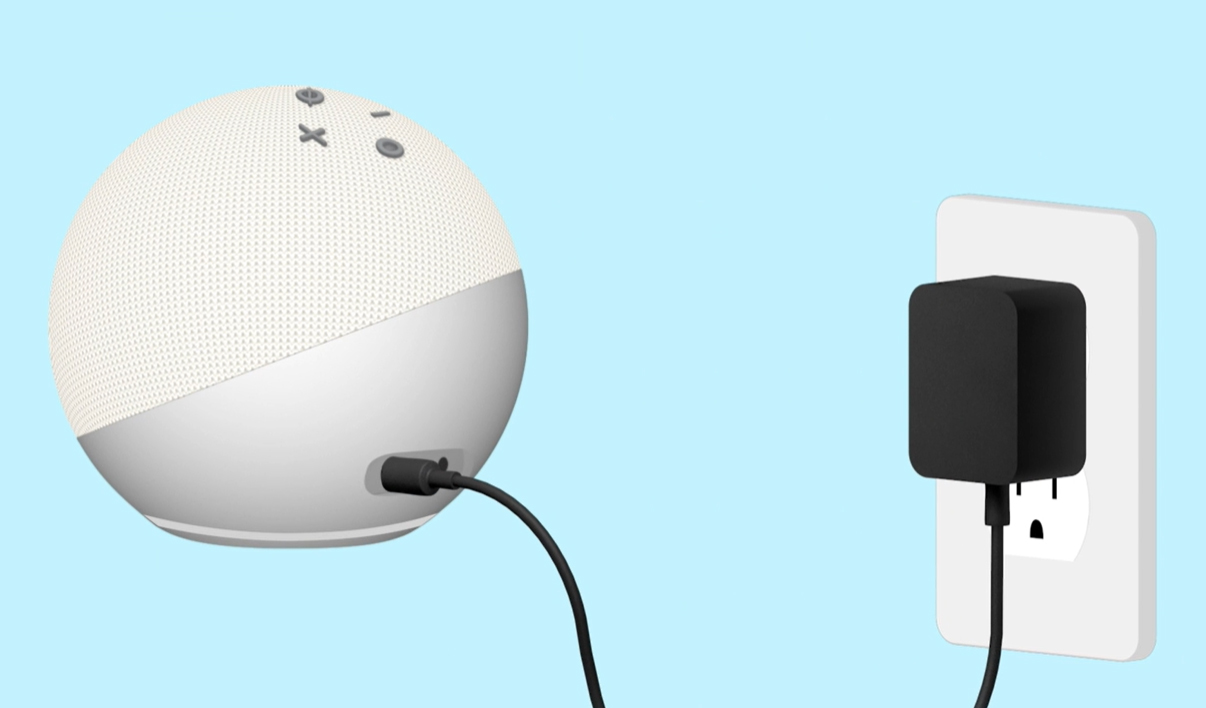
Your journey begins with unboxing your new Echo device. Once you’ve found a suitable location – ideally with good Wi-Fi reception and away from excessive background noise – plug it in. The device will typically illuminate, indicating it’s powering on.
Step 2: Downloading the Alexa App
This is a critical step that bridges your device to your Amazon account and the Alexa ecosystem. You’ll need to download the Amazon Alexa app on your smartphone or tablet. This app is available on both iOS and Android app stores.
- For iOS users: Search for “Amazon Alexa” in the Apple App Store.
- For Android users: Search for “Amazon Alexa” in the Google Play Store.
The app itself is a hub for managing your Alexa devices, settings, skills, and more. It’s a fundamental piece of the Alexa experience, regardless of the device you’re using.
Step 3: Connecting Your Echo to Wi-Fi
Once the app is installed and you’ve logged in with your Amazon account (or created one), the app will guide you through connecting your Echo device to your home Wi-Fi network.
- Open the Alexa App: Launch the app on your mobile device.
- Add a Device: Navigate to the “Devices” tab (usually found at the bottom of the screen) and tap the plus (+) icon in the top right corner.
- Select “Amazon Echo”: Choose “Echo & Alexa” and then select the specific Echo device you are setting up.
- Follow On-Screen Prompts: The app will then instruct you to put your Echo device into setup mode (usually by pressing and holding a button until the light ring turns orange).
- Connect to the Echo’s Wi-Fi: Your phone will momentarily connect to a temporary Wi-Fi network broadcast by the Echo.
- Select Your Home Wi-Fi: Once connected, the Alexa app will scan for available Wi-Fi networks. Select your home Wi-Fi network and enter your password.
- Confirmation: The Echo device will then connect to your Wi-Fi, and the light ring will turn blue, indicating a successful connection. The app will also confirm the setup is complete.
Step 4: Initial Configuration and Personalization
After the Wi-Fi connection is established, the Alexa app will guide you through a few more personalization steps:
- Voice Training: For optimal voice recognition, you might be prompted to say a few phrases so Alexa can learn your voice.
- Location Settings: Providing your location helps Alexa offer more relevant information, such as local weather and traffic updates.
- Amazon Account Linking: Your Echo is now linked to your Amazon account, allowing it to access your shopping lists, music subscriptions (like Amazon Music), and other Amazon services.
Congratulations! Your Amazon Echo device is now installed and ready to respond to your voice commands. You can start by saying, “Alexa, what’s the weather like?” or “Alexa, tell me a joke.”
Installing Alexa on Third-Party Devices: Expanding Your Smart Ecosystem
Alexa’s reach extends far beyond Amazon’s own hardware. Many manufacturers integrate Alexa directly into their products, offering a more unified smart home experience. The installation process for these devices can vary slightly but generally follows a similar pattern.
Smart TVs and Streaming Devices

Many smart TVs and streaming devices, such as certain Roku models, Fire TV devices, and smart soundbars, come with Alexa built-in or have an Alexa app available.
- Built-in Alexa: If Alexa is built-in, the setup process usually occurs during the initial TV or streaming device setup. You’ll likely be prompted to log in to your Amazon account directly on the device or through a companion app. The TV’s on-screen interface will guide you through connecting to Wi-Fi and linking your Amazon account.
- Alexa App: For devices that don’t have Alexa built-in but support the Alexa app, you’ll typically download the app from the device’s app store and follow similar account linking procedures as with an Echo device.
Smart Home Appliances and Gadgets
From thermostats and lighting systems to security cameras and refrigerators, numerous smart home gadgets now offer Alexa integration.
- Physical Setup: First, install the smart appliance or gadget according to its own manufacturer’s instructions. This usually involves plugging it in, connecting it to your home network (often via the manufacturer’s own app), and configuring its basic functions.
- Enable Alexa Skill: Open the Amazon Alexa app on your smartphone.
- Search for the Skill: Go to the “Skills & Games” section in the Alexa app and search for the brand or specific product you’ve installed (e.g., “Philips Hue,” “Nest Thermostat,” “Ring Security”).
- Enable and Link Account: Select the relevant skill and tap “Enable to Use.” You will then be prompted to log in to the account you created for that specific smart home product. This links the device’s functionality to your Alexa account.
- Discover Devices: Once the skill is enabled and accounts are linked, Alexa can discover the connected devices. You can ask Alexa to “Discover devices,” or the app might prompt you to do so.
- Voice Control: Your newly connected smart home device is now controllable via Alexa voice commands. For example, you could say, “Alexa, turn on the living room lights” or “Alexa, set the thermostat to 72 degrees.”
Cars with Alexa Integration
Some newer vehicles come with Alexa built into their infotainment systems. The setup typically involves:
- Using the Car’s Interface: Follow the prompts on your car’s touchscreen to log in to your Amazon account or link it through the manufacturer’s companion car app.
- Voice Commands: Once linked, you can use voice commands for navigation, music control, making calls, and accessing other integrated features.
From a Tech standpoint, this cross-device compatibility is a testament to the open nature of Alexa’s platform and the ongoing development of its API, allowing for a truly interconnected smart ecosystem. The ability to control diverse devices with a single voice interface streamlines user interaction and enhances the overall convenience.
From a Brand perspective, this widespread integration reinforces Alexa’s position as the de facto standard for voice assistance. Brands that integrate Alexa benefit from its established user base and the association with innovation and convenience. For consumers, the presence of Alexa across multiple products simplifies their smart home choices, reducing the fragmentation often seen in the IoT market.
Financially, the integration of Alexa into various devices can unlock new avenues for Money management and savings. Smart thermostats, for instance, can optimize energy consumption, leading to lower utility bills. Smart shopping lists and integration with online retailers can streamline purchasing, potentially leading to better-budgeted grocery trips or faster online order fulfillment. For businesses, leveraging Alexa for customer service automation or internal task management can translate into significant operational cost savings and improved productivity.
Troubleshooting Common Installation Issues
While the installation process is generally smooth, you might occasionally encounter issues. Here are some common problems and their solutions:
Wi-Fi Connectivity Problems
- Router Proximity: Ensure your Echo device or smart gadget is within a reasonable range of your Wi-Fi router.
- Correct Password: Double-check that you’ve entered your Wi-Fi password correctly. Passwords are case-sensitive.
- Network Congestion: If many devices are using your Wi-Fi, it can sometimes cause issues. Try restarting your router.
- Router Settings: Some advanced router settings, like MAC address filtering, might prevent new devices from connecting. Consult your router’s manual or ISP for assistance.
- 2.4 GHz vs. 5 GHz: Older Echo devices and some smart gadgets might only support 2.4 GHz Wi-Fi networks. Ensure your router is broadcasting a 2.4 GHz network and that your device is trying to connect to it.
Alexa App Not Discovering Devices
- Bluetooth and Location Services: Ensure Bluetooth and Location Services are enabled on your smartphone. The Alexa app often uses these for device discovery.
- Device in Setup Mode: Make sure the device you’re trying to set up is in its pairing or setup mode. Refer to the device’s manual for instructions.
- Restart App and Device: Try closing and reopening the Alexa app, and also restarting the Echo device or smart gadget.
- Correct Account: Verify you are logged into the correct Amazon account in the Alexa app that you wish to use for your devices.
Skills Not Enabling or Working
- Internet Connection: A stable internet connection is crucial for enabling and using Alexa skills.
- Correct Skill Name: Ensure you are searching for and enabling the exact skill name.
- Account Linking Issues: If a skill requires linking to another service (e.g., a music streaming service), ensure you’ve successfully logged into that service during the skill’s setup.
- Skill Updates: Sometimes, skills might have temporary issues or require updates. Check the skill’s page in the Alexa app for any available information.
Maximizing Your Alexa Experience: Beyond Installation
Once Alexa is installed, the real fun begins. Explore the vast ecosystem of Alexa Skills to customize your experience.
- Productivity: Set reminders, create to-do lists, check your calendar, and manage your smart home devices efficiently.
- Entertainment: Play music from various streaming services, listen to podcasts, audiobooks, news briefings, and even play interactive voice games.
- Information: Ask for weather forecasts, traffic updates, sports scores, general knowledge questions, and much more.
- Shopping: Reorder items from your Amazon order history, add items to your shopping list, and even make purchases (with voice purchasing enabled and potentially a confirmation PIN for security).
From a Tech perspective, understanding how to effectively use and troubleshoot Alexa is part of mastering modern digital tools. The continuous development of AI means Alexa is always learning and improving, offering new functionalities and a more intuitive experience over time.
From a Brand perspective, actively engaging with Alexa and its skills reinforces your connection to the Amazon ecosystem and positions you as a tech-savvy individual or household. Demonstrating proficiency with Alexa can even be a subtle marker of personal branding, suggesting an embrace of innovation and convenience.
Financially, integrating Alexa into your daily routines can have tangible Money benefits. By automating tasks, optimizing energy use, and streamlining shopping, you can potentially save time and money. For example, using Alexa to compare prices or quickly reorder essentials can lead to more controlled spending.
In conclusion, the question “how do I install Alexa?” opens the door to a world of convenience, entertainment, and enhanced connectivity. Whether you’re setting up an Amazon Echo for the first time or integrating Alexa into your existing smart home devices, the process is designed to be accessible. By following these steps, understanding the underlying technology, appreciating the branding, and considering the financial implications, you can unlock the full potential of this revolutionary voice assistant and truly bring the future of intelligent living into your home.
aViewFromTheCave is a participant in the Amazon Services LLC Associates Program, an affiliate advertising program designed to provide a means for sites to earn advertising fees by advertising and linking to Amazon.com. Amazon, the Amazon logo, AmazonSupply, and the AmazonSupply logo are trademarks of Amazon.com, Inc. or its affiliates. As an Amazon Associate we earn affiliate commissions from qualifying purchases.