
In the world of consumer packaged goods (CPG), few things are as vital as the “breakfast ritual.” For millions of households, frozen waffles represent more than just a convenient meal; they represent a reliable, comforting start to the day. However, when a massive recall hits—such as the late 2024 recall involving hundreds of frozen waffle products manufactured by TreeHouse Foods—the brand identity of every label involved is thrust into a high-stakes survival exercise.
This article examines the recent waffle recall through the lens of brand strategy, exploring how a manufacturing failure ripples through corporate identities, the mechanics of crisis communication, and the long-term journey to reclaiming consumer trust.

The Anatomy of a Brand Crisis: Understanding the Waffle Recall Scope
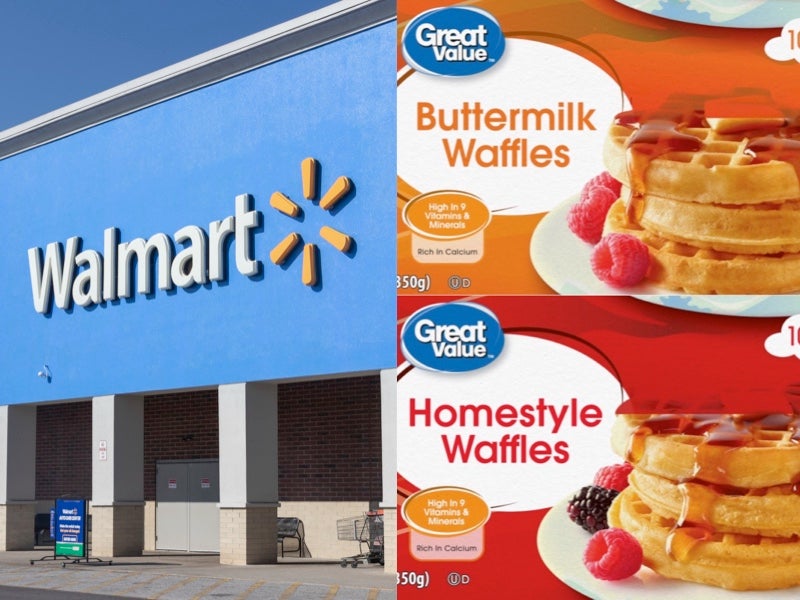
When news broke that hundreds of varieties of frozen waffles were being recalled due to potential Listeria monocytogenes contamination, the impact was not limited to a single box on a shelf. It affected a vast network of brand identities ranging from budget-friendly “Great Value” (Walmart) and “Kroger” labels to specialty brands like “Kodiak Cakes” and “Target’s Good & Gather.”
The Magnitude of the Listeria Concern
From a brand perspective, the word “recall” is a direct assault on the brand’s “promise of safety.” In the CPG sector, safety is the foundational tier of the brand hierarchy. If a consumer cannot trust that a product is safe to consume, all other brand attributes—taste, price, convenience, and nutritional value—become irrelevant. The scale of this particular recall was staggering because it involved private-label brands across nearly every major grocery chain in North America. This creates a “guilt by association” scenario where the reputation of the retailer is just as much at risk as the manufacturer.
Transparency as a Brand Value
In modern branding, transparency is no longer a luxury; it is a requirement. When TreeHouse Foods identified the issue, the brand strategy shifted from “marketing mode” to “protection mode.” The speed with which a brand identifies and communicates a fault determines its future viability. By proactively listing every affected brand—from “Breakfast Best” to “Simple Truth”—the companies involved attempted to demonstrate a commitment to consumer welfare over short-term profit. This “radical honesty” is a strategic move designed to preserve the long-term integrity of the brand’s corporate identity.
Navigating the Ripple Effect: Brand Perception and Consumer Trust
A brand is essentially a set of expectations in the mind of the consumer. For frozen waffles, those expectations involve consistency and nostalgia. When a recall occurs, the psychological “anchor” of the brand is dislodged, replaced by anxiety and skepticism.
From “Morning Comfort” to “Health Risk”
The transformation of a brand’s image from a source of comfort to a potential health risk happens almost instantaneously. This shift is particularly damaging for “family-oriented” brands. When parents realize the waffles they have been serving their children might be contaminated, the emotional betrayal is significant. Branding experts refer to this as a “breach of the psychological contract.” To repair this, the brand must move beyond clinical apologies and tap into the emotional reality of its consumers, acknowledging the fear and inconvenience caused by the recall.
The Role of Social Listening in Crisis Response
In the digital age, a brand’s reputation is managed as much on social media as it is in the boardroom. During the waffle recall, social listening became a critical tool for brand managers. By monitoring platforms like X (formerly Twitter), TikTok, and Facebook, brands could gauge the level of consumer outrage and identify specific rumors that needed to be debunked.
A brand that ignores the digital conversation during a recall appears cold and corporate. Conversely, a brand that engages—providing clear instructions on how to identify lot codes and obtain refunds—builds a “helpful” persona. This proactive engagement helps transition the brand from being a “villain” to a “partner in safety.”
Strategic Communication: How Brands Rebuild After a Product Recall

Once the immediate danger has passed and the products have been pulled from the shelves, the difficult work of “Brand Recovery” begins. This is a multi-phase process that requires a delicate balance of humility and confidence.
Immediate Response vs. Long-term Recovery
The immediate response to the waffle recall was tactical: press releases, refund portals, and store-level removals. However, the long-term recovery is strategic. Brands must decide how they will re-enter the market. Will they return with the same packaging, or is this an opportunity for a “fresh start” rebrand?
For many of the private labels involved, such as Walmart’s Great Value, the strategy is often to rely on the sheer scale and necessity of the retailer. For specialty brands like Kodiak Cakes, which trade on a premium “healthy lifestyle” image, the recovery requires a more personalized touch. These brands often use email marketing to speak directly to their loyalists, explaining exactly what measures have been taken to ensure such a failure never happens again.
Re-establishing the Brand Promise
To re-establish a brand promise, companies often invest in “Trust Campaigns.” This might involve third-party audits, new safety certifications, or “behind-the-scenes” content showing updated manufacturing protocols. The goal is to move the conversation from “What went wrong?” to “What is being done to make it better?” In the context of the waffle recall, this might look like a brand highlighting its new “Gold Standard” in facility sanitation. By turning a failure into a catalyst for improvement, a brand can actually emerge stronger, positioning itself as a leader in food safety.
Lessons in Corporate Identity: Why Some Brands Survive Recalls Better Than Others
Not all brands recover from a recall with the same level of success. The outcome is often determined by the brand’s “equity” prior to the crisis.
The Power of Brand Equity
Brand equity is the commercial value that derives from consumer perception of the brand name of a particular product, rather than from the product itself. Brands with high equity—those that have spent decades building a positive relationship with consumers—have a “buffer” during a crisis.
For instance, if a beloved legacy brand faces a recall, consumers are more likely to view it as an isolated mistake. However, for a generic or “discount” brand, a recall can reinforce a negative stereotype that “cheap” equals “dangerous.” This is why brand strategy for private labels is increasingly focused on moving away from just “low price” and toward “quality and value.” The waffle recall served as a reminder that even the most affordable brands must maintain a premium standard of safety to protect their corporate identity.
Supply Chain Integrity as a Marketing Asset
In the wake of this recall, “Supply Chain Integrity” has transitioned from a logistical concern to a marketing asset. Forward-thinking brands are now using their supply chain transparency as a way to differentiate themselves in a crowded market.
We are seeing a trend where brands highlight their “direct-from-source” ingredients or their “single-facility” production models. By shortening the distance between the manufacturer and the consumer—and being vocal about it—brands can mitigate the “hidden risks” that come with massive, multi-brand manufacturing hubs like TreeHouse Foods. In the future, the most successful waffle brands will likely be those that can prove their safety through every step of the journey, turning their operational excellence into a core part of their brand story.
Conclusion: The Future of Frozen Branding
The 2024 frozen waffle recall is a landmark case study in the fragility of modern branding. It serves as a reminder that a brand is only as strong as its weakest link in the supply chain. For the hundreds of labels affected, the path forward involves a rigorous commitment to transparency, a human-centric communication strategy, and a relentless focus on safety as a core brand pillar.
As consumers return to the breakfast aisle, they will be looking for more than just a golden-brown texture and a sweet flavor profile. They will be looking for a name they can trust. For brand managers, the lesson is clear: your reputation is built over years but tested in minutes. The brands that survive and thrive are those that realize that in the modern market, safety is the ultimate brand luxury.
aViewFromTheCave is a participant in the Amazon Services LLC Associates Program, an affiliate advertising program designed to provide a means for sites to earn advertising fees by advertising and linking to Amazon.com. Amazon, the Amazon logo, AmazonSupply, and the AmazonSupply logo are trademarks of Amazon.com, Inc. or its affiliates. As an Amazon Associate we earn affiliate commissions from qualifying purchases.