
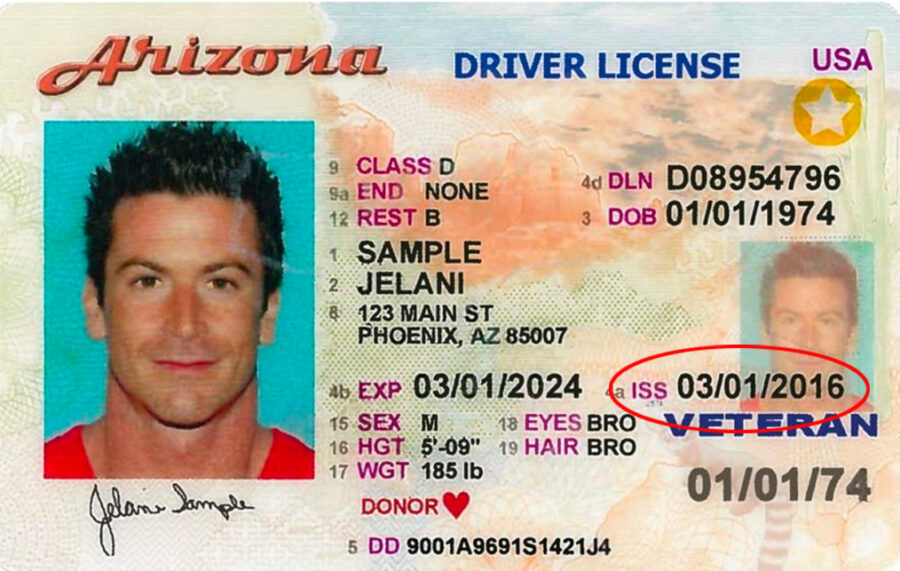
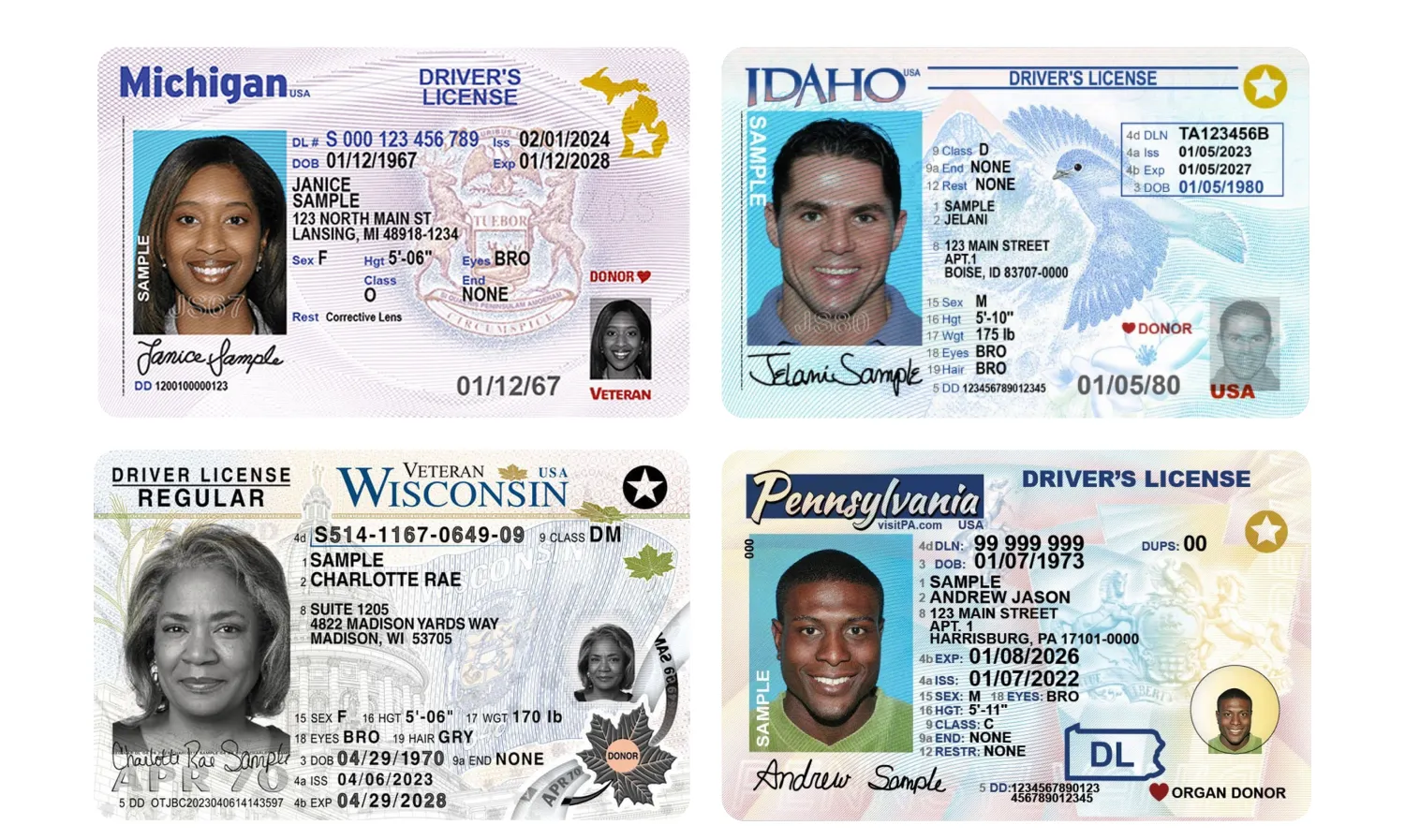
When you glance at a modern driver’s license or state identification card, you are looking at more than just a piece of plastic; you are viewing a highly engineered data terminal. Among the various abbreviations like “EXP” (Expiration) and “DOB” (Date of Birth), the acronym ISS stands for Issue Date.
While it may seem like a simple chronological marker, the “ISS” field is a critical data point within the complex ecosystem of global identification technology. In an era where identity is increasingly digitized, understanding what these markers represent requires a deep dive into the technology of data standardization, secure databases, and the evolving landscape of digital credentials.
1. The Technological Framework of Identification Standards
The “ISS” field is not placed on a license by accident or local preference. It is part of a sophisticated, globally recognized architecture designed to ensure that identification is machine-readable and interoperable across different jurisdictions.
The Role of ISO/IEC 18013
Modern licenses are built upon the ISO/IEC 18013 international standard. This technical framework dictates how information—including the issue date (ISS)—is stored both visually and electronically. The technology ensures that a police officer in London or an automated gate in Tokyo can interpret the data from a card issued in California. By standardizing the “ISS” field, developers can create software that automatically calculates the validity period of a document, cross-referencing the issue date with the expiration date to detect anomalies or fraudulent patterns.
AAMVA and Data Parsing
In North America, the American Association of Motor Vehicle Administrators (AAMVA) sets the “DL/ID Card Design Standard.” This standard defines the PDF417 barcode—the dense, pixelated block on the back of your license. When a scanner reads this barcode, it parses a string of data where “ISS” corresponds to a specific data element (Element ID 4). This allows high-speed scanners at airports or secure facilities to ingest identity data in milliseconds, using the issue date to verify that the record is the most current version stored in the central DMV database.
Database Synchronization and Version Control
From a backend perspective, the ISS date acts as a version control mechanism. Centralized identity databases use the issue date to manage “active” vs. “revoked” statuses. If a citizen loses their license and requests a new one, the new “ISS” date becomes the primary key for the most recent valid credential. The technology infrastructure must ensure that any older ISS entries are flagged as void in real-time, preventing the simultaneous use of multiple physical cards for the same identity.
2. The Shift to Mobile Driver’s Licenses (mDL)
As we transition from physical plastic to digital wallets, the concept of “ISS” is undergoing a technological transformation. The Mobile Driver’s License (mDL) represents the next frontier in identity tech, where the issue date moves from a printed ink-jet label to a cryptographically signed digital attribute.
Cryptographic Verification and PKI
In a digital license, the ISS field is part of a data packet signed by the issuing authority using Public Key Infrastructure (PKI). When you present your phone to a digital reader, the reader doesn’t just “see” the date; it verifies a digital signature. The ISS date serves as a timestamp that confirms when the digital certificate was minted. This technological layer prevents “replay attacks,” where a malicious actor might try to use an expired or intercepted identity packet.
API Integration and Real-Time Verification
Modern apps—ranging from car-sharing platforms to age-restricted delivery services—utilize APIs to verify identity. These APIs scan the ISS field to ensure the document meets specific hardware or software requirements. For example, if a state updated its security features on a specific date, the software can check the ISS field to determine if the license in question possesses the latest anti-counterfeit technology or if it requires additional manual verification.
Provisioning and Over-the-Air (OTA) Updates
One of the most significant tech advantages of the mDL is the ability to update the ISS field without requiring the user to visit a physical office. Through secure “provisioning” protocols, a state can push an updated credential to a user’s smartphone. The technology behind this involves secure enclaves within mobile hardware (like Apple’s Secure Element or Android’s StrongBox), ensuring that the updated issue date and associated metadata are stored in a tamper-proof environment.
3. Digital Security: Protecting the Integrity of Identity Data
The “ISS” date is a primary target for sophisticated counterfeiters, making its protection a focal point for digital security professionals. If a bad actor can successfully alter the issue date on a digital or physical record, they can potentially bypass security protocols that look for “aged” identities.
OCR and AI in Fraud Detection
To combat the alteration of the ISS field, security firms use Optical Character Recognition (OCR) combined with Artificial Intelligence. These AI models are trained on the specific fonts, alignments, and micro-printing techniques used by various jurisdictions. If the technology detects that the pixels in the “ISS” field are slightly inconsistent with the rest of the document, it flags the ID as a potential “synthetic identity.” This high-speed analysis is essential for digital banks and fintech apps that onboard thousands of users daily.
Watermarking and Holographic Overlay Tech
On physical cards, the ISS date is often integrated into holographic overlays or “ghost images” that are only visible under specific wavelengths of light. The technology used here involves laser-perforation and Variable Optical Devices (VODs). When the ISS date is laser-engraved rather than printed with ink, it becomes nearly impossible to alter without destroying the polycarbonate substrate of the card. This physical “tech” ensures that the ISS date remains a source of truth for human and machine inspectors alike.
Blockchain and Decentralized Identity (DID)
The tech community is currently exploring the use of blockchain for identity management. In a Decentralized Identity (DID) model, your “ISS” date would be recorded as a transaction on a distributed ledger. This would provide an immutable, transparent history of your identity credentials. Instead of a single DMV database, a “Verifiable Credential” would exist, where the issue date is cryptographically tethered to your biometric data, making identity theft exponentially more difficult.
4. The Future of Identity: Beyond the Plastic Card
As we look toward the future, the “ISS” field may eventually become invisible to the human eye, existing only as a metadata tag in a seamless authentication process. The technology of identification is moving toward a “zero-trust” architecture where identity is verified continuously rather than once every few years.
Selective Disclosure and Privacy-Preserving Tech
One of the most exciting developments in identity tech is “Selective Disclosure.” Currently, if you show your license to verify your age, the checker sees your ISS date, your address, and your full name. Future tech will allow you to share only the “proof” that you are over 21 without revealing the ISS date or any other sensitive info. This is achieved through Zero-Knowledge Proofs (ZKP), a cryptographic method that allows one party to prove to another that a statement is true without conveying any extra information.
Biometric Anchoring
In the future, the “ISS” date may be anchored to a biometric template. When a license is issued, the ISS date is linked to a 3D facial map or iris scan stored in a secure cloud. During verification, the system doesn’t just check the date; it checks that the person holding the credential matches the biometric hash created on that specific ISS date. This creates a multi-factor authentication system that bridges the gap between physical existence and digital data.
The Role of IoT in Identity Verification
As Internet of Things (IoT) devices become more prevalent, your identity—and its ISS date—may interact with the world around you automatically. Smart cars could verify your license status and issue date via Bluetooth Low Energy (BLE) before allowing the engine to start. In this technological ecosystem, the ISS date serves as a “heartbeat,” ensuring that the driver’s permissions are current and that the digital handshake between the person and the machine is secure.

Conclusion
The “ISS” on a license is far more than a simple abbreviation for “Issue Date.” It is a fundamental component of the global identity technology stack. From the ISO standards that define its format to the cryptographic protocols that secure its digital counterparts, the ISS field is a testament to the complexity of modern data management. As we move toward a future of decentralized IDs, biometric anchoring, and zero-knowledge proofs, the technology behind that three-letter acronym will continue to play a vital role in securing our digital and physical worlds. Understanding this “tech behind the tag” allows us to appreciate the invisible infrastructure that verifies who we are, where we go, and how we interact with the digital economy.
aViewFromTheCave is a participant in the Amazon Services LLC Associates Program, an affiliate advertising program designed to provide a means for sites to earn advertising fees by advertising and linking to Amazon.com. Amazon, the Amazon logo, AmazonSupply, and the AmazonSupply logo are trademarks of Amazon.com, Inc. or its affiliates. As an Amazon Associate we earn affiliate commissions from qualifying purchases.