
In the ecosystem of digital gaming, few titles possess the algorithmic complexity of Magic: The Gathering (MTG). As the game transitioned from a physical tabletop experience to high-performance digital platforms like Magic: The Gathering Arena (MTGA) and Magic Online (MTGO), the technical definition of game mechanics became a matter of software architecture. Among these mechanics, “Exile” stands out as a critical state-management protocol. To the casual player, exile is simply a place where cards go when they are removed from play; to a software engineer or a technical analyst, exile represents a specific data state that governs how objects interact with the game’s core engine.
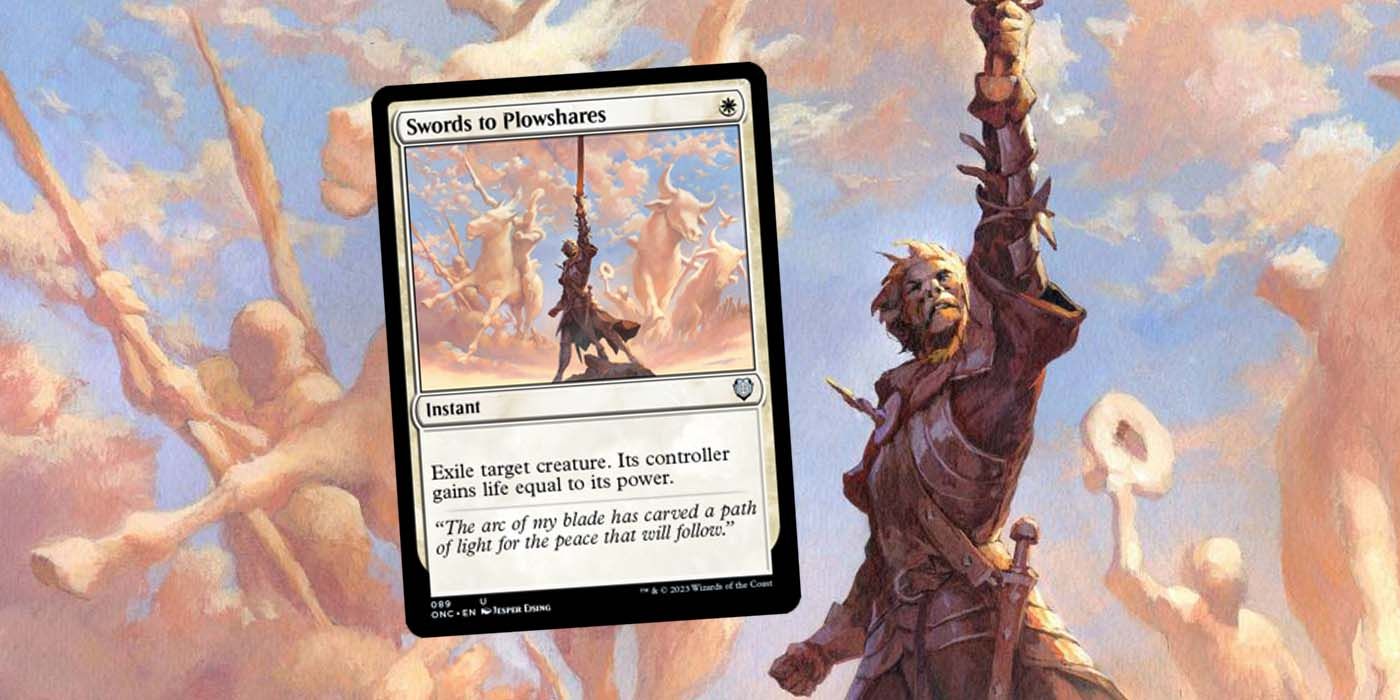
Understanding what “Exile” means in the context of Magic: The Gathering requires a deep dive into the technical infrastructure of digital card games, the logic of state persistence, and the UI/UX challenges of representing non-linear data zones.
The Architecture of Virtual Game States: Defining the Exile Zone
At its core, any digital version of Magic: The Gathering functions as a complex state machine. Every card is an object with a set of attributes—power, toughness, mana cost, and abilities. The game engine must track the “location” of these objects at all times. In software terms, “Exile” is a distinct memory zone designed to isolate objects from the primary game loop.
From Physical Tabletop to Digital Algorithms
In the physical game, the exile zone was originally called “Removed from the Game.” This terminology was technically inaccurate because the cards remained physically present and could occasionally be interacted with. When Wizards of the Coast rebranded the mechanic to “Exile,” they paved the way for more streamlined digital coding. In a digital environment, moving a card to exile is not merely a change in visual position; it is a change in the object’s status within the database. The engine shifts the card’s pointer from the “Graveyard” or “Battlefield” array to the “Exile” array, effectively stripping it of most active triggers and listeners that monitor the main game state.
Data Persistence and State Isolation
One of the primary technical functions of the exile zone is to manage data persistence while preventing “state bloat.” In programming, if every card ever played remained “active” in the engine’s memory, the game would eventually suffer from latency or memory leaks as the number of active listeners increased. Exile acts as a high-level isolation protocol. When an object enters the exile zone, the software “mutes” its standard properties. Unless a specific piece of code (a card ability) explicitly references the exile zone, the engine treats these objects as null references during the resolution of most game actions. This isolation is vital for maintaining the performance of the game’s logic processor.
Algorithmic Resolution: How Software Processes Exiled Objects
The complexity of MTG arises from the fact that exile is not always a permanent “deletion” of an object. Many cards utilize exile as a temporary storage buffer or a staging area for complex effects. This requires sophisticated conditional logic and event-handling systems.
The Conditional Logic of Permanent vs. Temporary Exile
Digital MTG engines must distinguish between “Hard Exile” (permanent removal) and “Soft Exile” (temporary removal). From a coding perspective, Soft Exile is significantly more difficult to implement. When a card like Skyclave Apparition exiles a permanent “until it leaves the battlefield,” the engine must create a linked relationship between two objects.
This is handled through a “Watcher” pattern in the software’s architecture. The engine attaches a listener to the Skyclave Apparition object. If the “Leaves Battlefield” event is triggered, the listener executes a callback function that moves the exiled card back from the exile array to the battlefield array. This requires the software to maintain a “snapshot” of the exiled card’s original state to ensure it returns to play correctly, accounting for any timestamps or continuous effects.
Handling Interaction with the Command Zone and “Outside the Game”
The technical definition of exile becomes even more nuanced when interacting with other specialized zones, such as the Command Zone in the Commander format or effects that reference cards “from outside the game.” In the software backend, these are often treated as distinct namespaces.
When a Commander is exiled, the game engine must present the user with a “State-Based Action” (SBA) prompt, asking if the object should be redirected to the Command Zone. This represents a nested logic check:
- Event: Object A moves to Exile Zone.
- Condition: Is Object A a “Commander”?
- If True: Interrupt the resolution of the current stack; initiate User Input Protocol; update pointer based on User Choice.
- If False: Proceed with standard Exile resolution.
Scaling Game Logic: The Technical Challenges of MTG Arena’s Exile Implementation
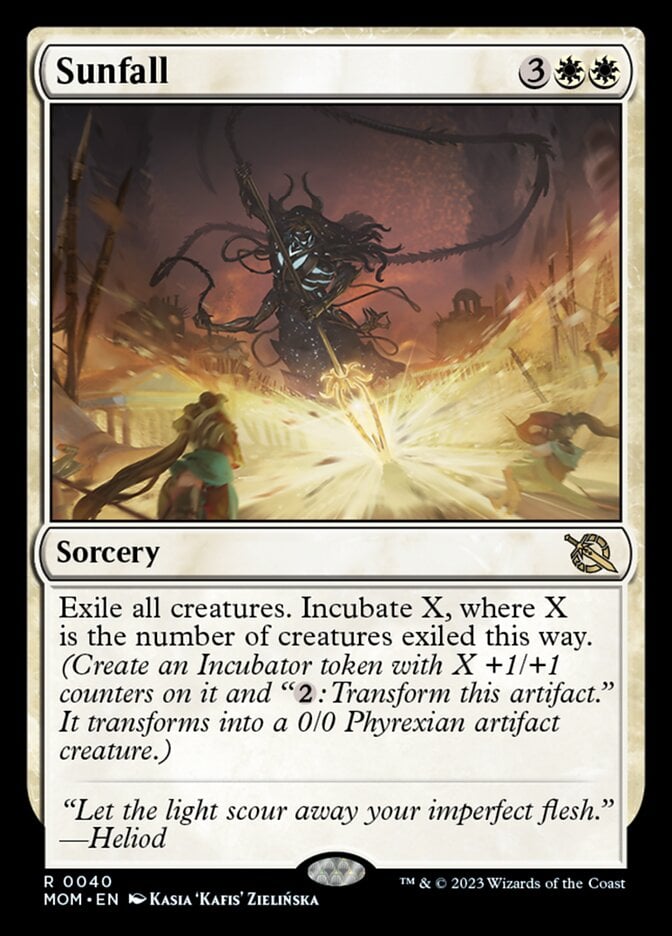
As MTG Arena scales to support millions of concurrent games, the technical debt associated with complex mechanics like exile must be managed carefully. The software must be optimized to handle “mass exile” events—such as Farewell or Sunfall—without crashing the client or desyncing the game state.
Managing State Bloat and Performance Optimization
In games that involve hundreds of tokens (digital objects generated during play), exiling them presents a unique technical challenge. Unlike “nontoken” cards, tokens are usually deleted from the game’s memory once they move to a non-battlefield zone. However, the game engine must briefly acknowledge their movement to the exile zone to trigger any “whenever a permanent is exiled” abilities.
To optimize performance, MTG Arena uses a “Garbage Collection” (GC) routine. Once the engine confirms that no further triggers are on the stack that care about the token entering exile, the object is completely de-allocated from the RAM. This prevents “token-heavy” matches from consuming excessive system resources, a common issue in early alpha builds of digital card games.
Visual Representation and User Interface Design
A major tech-adjacent challenge in defining exile is the UI/UX. In a digital space, “Exile” is a hidden zone by default to save screen real estate. However, because certain cards allow players to cast spells from exile (e.g., the “Impulse Draw” mechanic seen in Red spells), the UI must be dynamic.
The software utilizes a “Zone Overlay” system. When a card is exiled with a “castable” flag, the engine must render a specific UI element that tracks the duration of that availability. If the “end of turn” trigger occurs, the software must update the UI to move the card from the “available” sub-section of exile to the “unavailable” sub-section. This requires real-time synchronization between the server-side game state and the client-side graphical user interface to ensure the player is seeing an accurate representation of their playable resources.
The Future of Digital Card Mechanics: AI and Procedural Exile Logic
As we look toward the future of gaming technology, the way exile is handled in MTG may evolve through the integration of Artificial Intelligence and more advanced data structures.
Machine Learning in Game Balance and Bug Detection
One of the most significant hurdles in MTG software development is the “Interaction Explosion.” With over 25,000 unique cards, the number of potential interactions with the exile zone is astronomical. Developers are now using Machine Learning (ML) models to run millions of simulated games per hour. These AI “Quality Assurance” bots are programmed to look for logic loops or crashes involving the exile zone. By identifying edge cases where an exiled card might cause a memory leak or an unintended infinite loop, AI helps maintain the stability of the digital game’s architecture.
Blockchain and Digital Scarcity: Exile as a Deletion Protocol
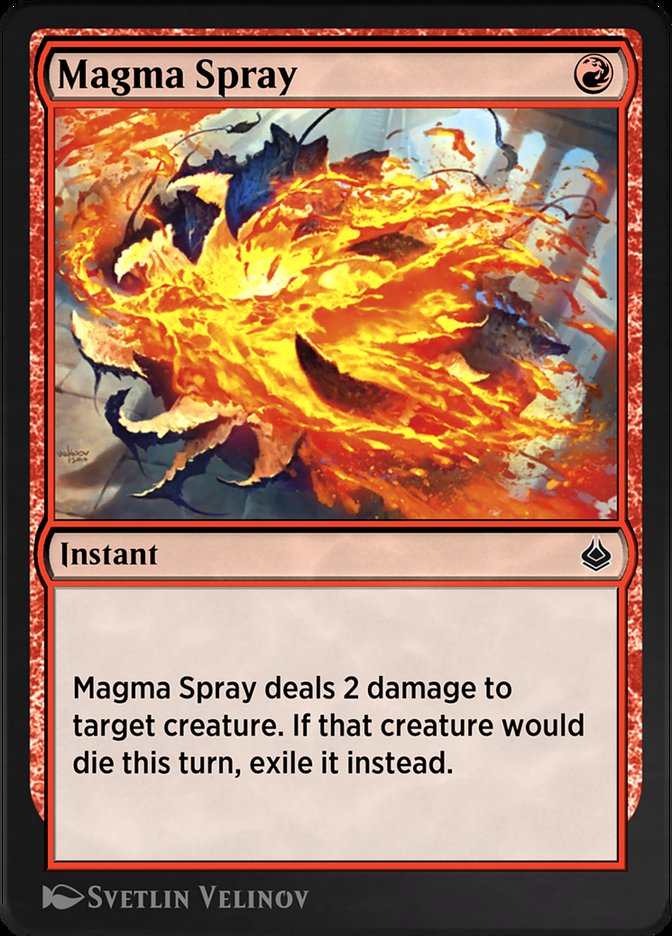
While MTG Arena currently operates on a centralized server, the broader tech landscape is exploring decentralized gaming. In a hypothetical blockchain-based version of a card game, the “Exile” mechanic could serve as a literal “Burn Address.”
In the world of Non-Fungible Tokens (NFTs) and digital assets, “exiling” a card could involve sending the asset to a null-pointer address on the blockchain, effectively removing it from the circulating supply. While Wizards of the Coast has not moved MTG in this direction, the technical logic of exile—as a zone of non-existence—parallels the cryptographic concepts of “burning” assets to maintain digital scarcity. This highlights how a simple game mechanic from the 1990s has evolved into a sophisticated concept that mirrors modern data management and digital asset security.
In conclusion, “Exile” in Magic: The Gathering is far more than a rule; it is a vital component of the game’s technical stack. From managing memory and state persistence to facilitating complex algorithmic interactions, the exile zone is a testament to the sophisticated engineering required to bring the world’s most complex card game into the digital age. Whether it is acting as a temporary buffer for a “flicker” effect or a permanent void for a powerful threat, exile remains a cornerstone of digital game logic.
aViewFromTheCave is a participant in the Amazon Services LLC Associates Program, an affiliate advertising program designed to provide a means for sites to earn advertising fees by advertising and linking to Amazon.com. Amazon, the Amazon logo, AmazonSupply, and the AmazonSupply logo are trademarks of Amazon.com, Inc. or its affiliates. As an Amazon Associate we earn affiliate commissions from qualifying purchases.