
In the contemporary landscape of high-speed processors, artificial intelligence, and global connectivity, it is easy to overlook the physical hardware that laid the groundwork for modern civilization. When we ask, “What does a steel plow do?” we are not merely asking about a primitive farm implement; we are inquiring about one of the most significant technological disruptions in human history. The steel plow was the “killer app” of the 19th century, a piece of mechanical engineering that solved a specific, devastating problem in resource extraction and food production.

To understand the steel plow is to understand the core principles of technology: identifying a friction point in a current system and engineering a material solution to overcome it. Today, as we transition into the era of AgTech—where software and data drive the furrow—the legacy of the steel plow remains the foundational architecture of how we manipulate the physical world to sustain burgeoning populations.
The Mechanics of Innovation: How the Steel Plow Changed the Surface of the Earth
At its most basic level, a plow is a tool used to prepare soil for sowing. It breaks up the upper layer of the earth, bringing fresh nutrients to the surface while burying weeds and the remains of previous crops. However, the move from cast-iron to steel was the specific technological pivot that unlocked the potential of the American Midwest and, by extension, global agricultural scalability.
Solving the Friction Problem: The Physics of Polished Steel
Before the advent of the steel plow in 1837, farmers in the American West struggled with the “sticky” soil of the prairies. Cast-iron plows, which had worked well enough in the sandy soils of the East Coast and Europe, were ineffective in the thick, rich, clay-heavy sod of the plains. The soil would cling to the rough surface of the iron blade, forcing farmers to stop every few yards to scrape it off manually.
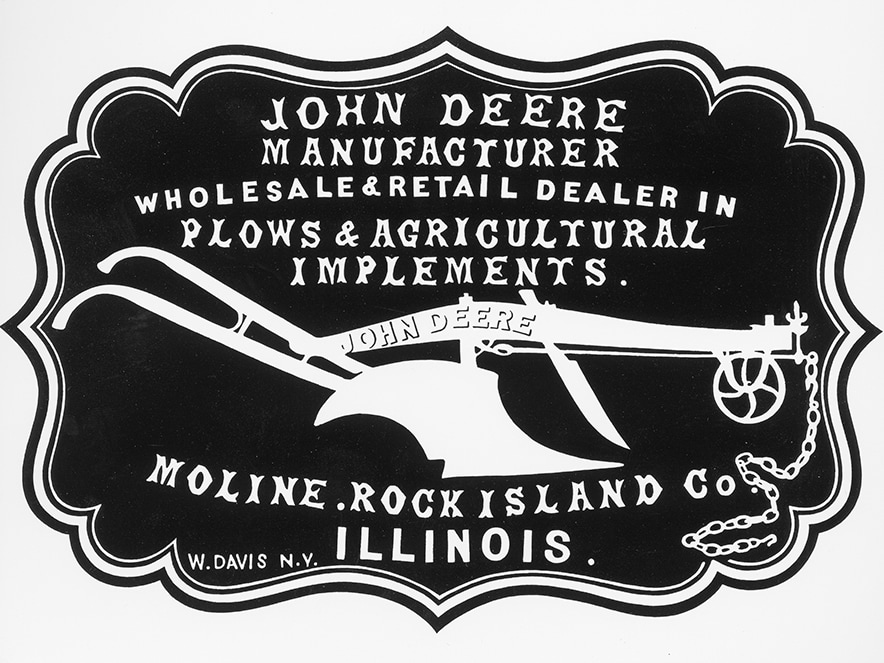
The steel plow, pioneered by blacksmith John Deere, solved this via material science. By using a highly polished, hardened steel saw blade, Deere created a “self-scouring” tool. Because steel is smoother and less porous than cast iron, the sticky soil would slide off the blade as it moved through the earth. This reduction in friction meant that the plow could move continuously, drastically increasing the speed of operation and reducing the physical strain on both the human operator and the draft animals.
From Cast Iron to Self-Scouring Surfaces
The transition to steel was not just an upgrade in material; it was a shift in engineering philosophy. The steel plow utilized a specific curvature in its moldboard—the part of the plow that lifts and turns the soil. By combining the hardness of steel with an optimized geometric design, the plow functioned as a more efficient wedge. This allowed for deeper tilling and better soil aeration. In technical terms, the steel plow was an early example of “high-performance hardware” designed to operate in high-stress environments where previous-generation technology had reached its physical limits.
The Societal Impact of Mechanical Tech: Automation and Scalability
In the tech world, we often talk about “scaling” a product. The steel plow was the ultimate tool for scaling food production. By removing the bottleneck of the “sticky soil” problem, it allowed for the rapid expansion of agriculture across millions of acres that were previously considered untillable. This mechanical advancement triggered a domino effect across various sectors of society.
Increasing Efficiency and Throughput
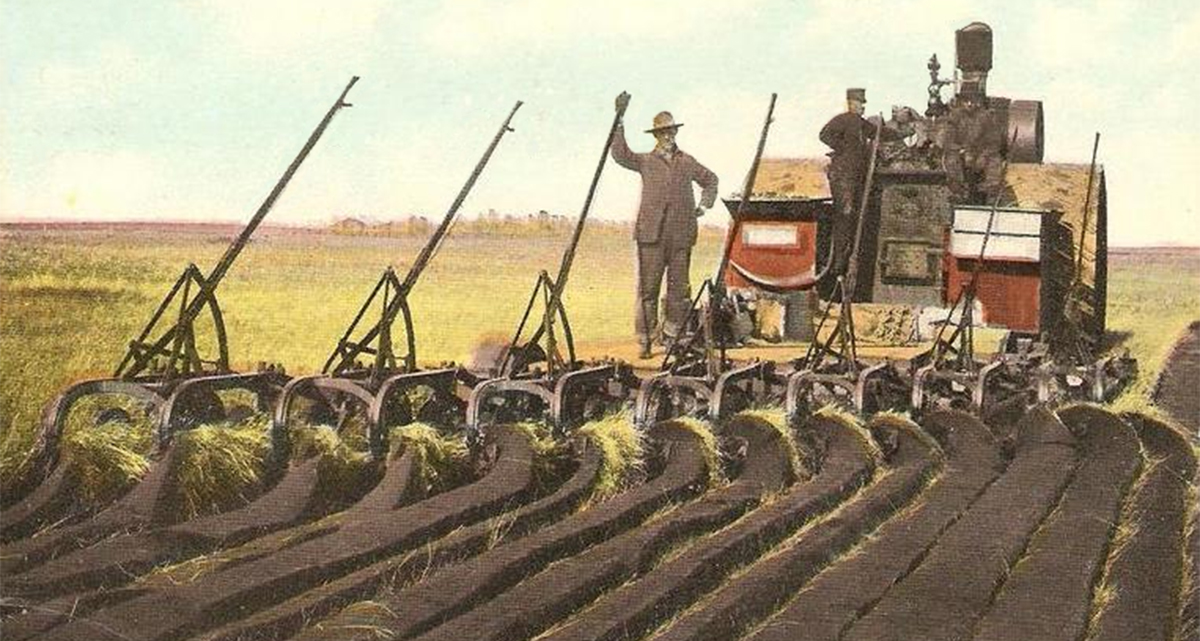
The efficiency gains provided by the steel plow were astronomical. A farmer using a steel plow could prepare a field in a fraction of the time it took with iron implements. In the world of technology, we measure this as “throughput”—the amount of material or data processed in a given time. The steel plow increased the throughput of the agricultural sector, allowing a single family to manage much larger tracts of land. This surplus of production was the catalyst for the shift from subsistence farming to commercial agriculture, creating a market-based food economy.
The Catalyst for Industrialization
The technological success of the steel plow did more than just feed people; it reconfigured the labor market. As the plow (and subsequent mechanical harvesters) made farming more efficient, it required fewer human hands to produce the same amount of food. This “labor-saving” technology allowed—and forced—large portions of the population to move from rural areas to burgeoning cities. This migration provided the workforce for the Industrial Revolution. In this sense, the steel plow was the “enabling technology” for the modern urban world, much like the internet enabled the transition to a service and information economy.
From Iron Blades to Digital Arrays: The Legacy of the Plow in Modern AgTech
The question of what a steel plow does has evolved. While the physical action of turning the soil remains constant, the “operating system” controlling that action has undergone a digital transformation. We are currently witnessing the integration of the steel plow’s mechanical legacy with 21st-century software, AI, and IoT (Internet of Things) sensors.
The Integration of GPS and Precision Farming
Today’s version of the steel plow is often a massive, multi-row implement pulled by a tractor equipped with more computing power than a 1990s desktop. Through GPS-guided precision farming, the “plow” is no longer a blunt instrument. It is part of a data-gathering array. Modern implements can adjust their depth and angle in real-time based on soil moisture sensors and historical yield data stored in the cloud. This ensures that the soil is prepared in a way that maximizes carbon sequestration and minimizes fuel consumption—a concept known as “Precision Ag.”
Autonomous Tractors and the Future of the Furrow
The ultimate trajectory of this technology is full autonomy. Companies like John Deere and various AgTech startups are now deploying autonomous tractors that can plow fields without a human in the cab. These machines use computer vision, LIDAR, and machine learning algorithms to navigate fields, avoid obstacles, and optimize the tilling pattern. The steel plow has effectively become a peripheral device for a sophisticated robotic system. This shift represents the transition from mechanical automation to cognitive automation in the agricultural sector.
Why the Steel Plow is the “Hardware Architecture” of Modern Civilizations
When analyzing the history of technology, we often categorize inventions by their “stack.” If the modern food system is a software stack, the steel plow is the kernel—the core part of the operating system that manages the most basic operations. Without the ability to efficiently turn the soil, the rest of the “applications” (global trade, urban centers, specialized labor) would crash.
Resource Management and Sustainable Tech
In the modern era, the role of the plow is being re-evaluated through the lens of environmental technology. “No-till” or “low-till” farming techniques are gaining traction as we realize that over-plowing can lead to soil erosion and carbon release. Here, technology is being used to refine the use of the plow. Advanced software models help farmers determine exactly when and where to use their implements to maintain soil health. The goal is no longer just “more production” but “sustainable optimization,” reflecting a broader trend in the tech industry toward ESG (Environmental, Social, and Governance) goals.
Lessons in Scalable Tool Design
The story of the steel plow offers a timeless lesson for tech developers and entrepreneurs: the most successful technologies are those that solve a tangible, physical pain point. John Deere did not invent the plow; he redesigned it using superior materials and better geometry to solve a specific regional problem. This is the essence of “iteration” in the tech world. By observing the failure of iron in prairie soil, he iterated on a centuries-old design to create a tool that redefined a continent.
In conclusion, what a steel plow does is far more than turn dirt. It serves as a bridge between human necessity and technological capability. It represents the moment humanity moved from fighting the environment to engineering it. As we move forward into a future defined by AI-driven agriculture and vertical farming, the steel plow stands as a testament to the power of simple, effective hardware. It remains the foundational gadget of the modern world, proving that sometimes, the most revolutionary “disruptive tech” is a perfectly polished piece of steel.
aViewFromTheCave is a participant in the Amazon Services LLC Associates Program, an affiliate advertising program designed to provide a means for sites to earn advertising fees by advertising and linking to Amazon.com. Amazon, the Amazon logo, AmazonSupply, and the AmazonSupply logo are trademarks of Amazon.com, Inc. or its affiliates. As an Amazon Associate we earn affiliate commissions from qualifying purchases.