
In the modern medical landscape, the question “what does a spine specialist do?” can no longer be answered simply by citing “back surgery” or “prescribing physical therapy.” As we move further into the decade, the role of a spine specialist has undergone a radical digital transformation. Today, a spine specialist acts as a sophisticated data interpreter, a robotic systems pilot, and a pioneer of medical technology. From leveraging artificial intelligence (AI) for diagnostics to utilizing augmented reality (AR) during complex reconstructions, the modern spine specialist is at the forefront of the HealthTech revolution.
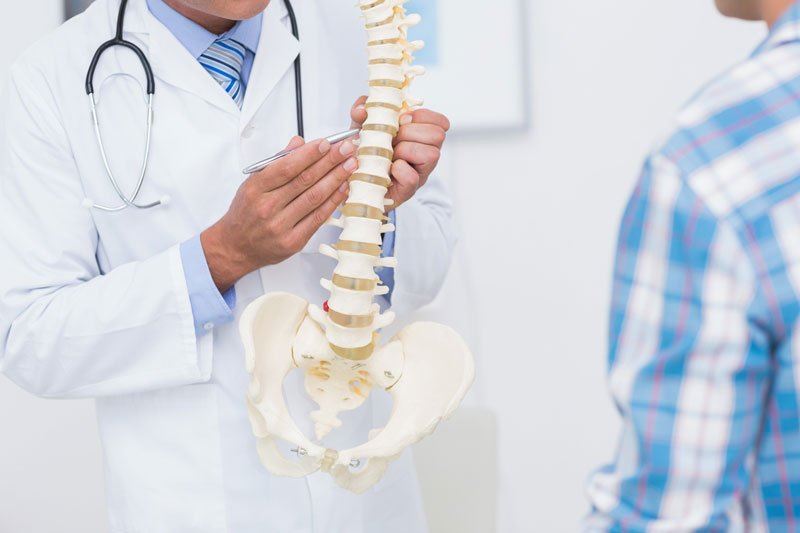
This article explores the multifaceted role of the contemporary spine specialist through the lens of technology, detailing how software, hardware, and digital innovation have redefined the standard of care for spinal health.
Diagnostic Innovation: Beyond the Traditional X-Ray
Historically, a spine specialist’s diagnostic process relied heavily on physical examinations and static imaging like X-rays or standard MRIs. While these tools remain foundational, the modern specialist’s workflow is now augmented by high-level computational power.
Advanced Imaging and AI-Powered Diagnostics
The primary task of a spine specialist today involves the interpretation of complex datasets. Artificial Intelligence and Machine Learning (ML) algorithms are now integrated into imaging software to detect micro-fractures, disc herniations, and stenosis with a precision that exceeds the human eye. What a spine specialist does now is utilize these AI tools to provide “predictive analytics.” Instead of just seeing what is wrong today, the specialist uses software to model how a spinal curve might progress over five years or how a specific disc might respond to certain stressors.
Wearable Tech and Remote Patient Monitoring
Before a patient ever reaches the operating table, the spine specialist utilizes “Internet of Medical Things” (IoMT) devices. Modern specialists prescribe medical-grade wearables that track a patient’s gait, posture, and activity levels in real-time. This data is fed directly into a digital dashboard, allowing the specialist to move from snapshot diagnostics to continuous monitoring. By analyzing this data, the specialist can determine if a patient truly needs surgery or if biometric-informed physical therapy is the more effective tech-driven intervention.
The Surgical Revolution: Robotics and Navigation Systems
Perhaps the most visible shift in what a spine specialist does occurs within the operating room. The image of a surgeon working purely by “feel” and sight is being replaced by a digital cockpit environment where precision is measured in sub-millimeters.
Robotic-Assisted Spine Surgery
When a spine specialist performs a fusion or a corrective procedure for scoliosis, they increasingly act as the commander of a robotic system. Platforms like the Mazor X or the Globus ExcelsiusGPS allow specialists to pre-plan a surgery in a 3D virtual environment. During the procedure, the robotic arm guides the specialist’s instruments to the exact coordinates identified in the pre-op plan. This technology minimizes human error, reduces the size of incisions, and significantly lowers the risk of nerve damage. The specialist’s role has shifted from manual labor to high-precision systems engineering.
Augmented Reality (AR) and Intraoperative Navigation
In addition to robotics, spine specialists are adopting Augmented Reality headsets. By wearing these devices, a specialist can see a “digital twin” of the patient’s spine overlaid directly onto their body during surgery. This provides a “X-ray vision” effect, allowing the specialist to see internal structures without the need for large, invasive exposures. The integration of real-time intraoperative CT scans with AR navigation means the specialist can confirm the perfect placement of hardware before the patient ever leaves the room, drastically reducing the need for revision surgeries.
Minimally Invasive Procedures and Biotech Interventions
The goal of modern HealthTech is to achieve maximum clinical results with minimum physical disruption. The spine specialist achieves this through a suite of high-tech tools designed for “micro-access.”
Laser Technology and Ultrasonic Bone Scalpels
The tools a spine specialist uses have evolved from traditional steel scalpels to energy-based instruments. Ultrasonic bone scalpels use high-frequency vibrations to cut through bone while leaving soft tissues, such as delicate nerves and the dura mater, completely unharmed. Furthermore, laser-assisted technology allows for the ablation of pain-sensing nerves or the shrinking of herniated discs through tiny needles. What the specialist does here is apply physics and precise energy delivery to solve biological problems.
3D Printing and Biologics
The specialist also functions as a materials scientist. When a segment of the spine needs to be replaced or fused, they no longer rely on “one-size-fits-all” titanium cages. Instead, they use 3D printing technology to create patient-specific implants that mimic the cellular structure of human bone. These “bio-logic” implants are often coated with growth factors or harvested stem cells. The specialist’s task is to select and program these biological technologies to ensure the patient’s body integrates the hardware seamlessly, turning the spine into a hybrid of biological and engineered components.
Data-Driven Recovery and the Future of Spine Care
The specialist’s job does not end when the patient leaves the hospital. In fact, the “Tech-Forward” spine specialist is deeply involved in the digital lifecycle of recovery and long-term outcome tracking.
Post-Operative Recovery Apps and Gamification
To ensure the success of a technological intervention, the specialist monitors the patient through specialized recovery apps. These platforms use gamification to encourage physical therapy compliance and utilize the smartphone’s sensors to track range-of-motion improvements. If a patient’s data shows a plateau or a decline, the specialist is alerted via a cloud-based system, allowing for immediate intervention. This proactive approach is a hallmark of the modern digital spine specialist.
The Shift Toward Virtual Consultations and Tele-Health
What a spine specialist does in the office is also changing. With the advent of high-speed digital communication, many specialists now conduct “Virtual Spine Clinics.” Through high-definition video and the remote sharing of radiological files, specialists can provide expert opinions globally. They use cloud-collaboration tools to consult with other experts in real-time, ensuring that a patient in a rural area receives the same high-tech diagnostic expertise as one in a major urban tech hub.

Conclusion
So, what does a spine specialist do? In the current era, they serve as the bridge between human biology and advanced technology. They are practitioners who have traded the traditional toolbox for a digital suite of AI diagnostics, robotic precision, 3D-printed biologics, and remote monitoring systems.
As technology continues to advance, the spine specialist will increasingly rely on data-driven insights to provide personalized care. By integrating software and hardware into every step of the patient journey—from the first symptom to the final recovery milestone—the modern spine specialist ensures that the future of back health is not just about survival, but about a high-tech return to peak performance. The marriage of medicine and technology has turned the field of spinal care into one of the most innovative sectors of the modern digital economy.
aViewFromTheCave is a participant in the Amazon Services LLC Associates Program, an affiliate advertising program designed to provide a means for sites to earn advertising fees by advertising and linking to Amazon.com. Amazon, the Amazon logo, AmazonSupply, and the AmazonSupply logo are trademarks of Amazon.com, Inc. or its affiliates. As an Amazon Associate we earn affiliate commissions from qualifying purchases.