
For decades, the “normal” septic tank was defined by its invisibility—a silent, concrete box buried beneath a backyard, forgotten until a catastrophic failure occurred. However, as we move deeper into the era of the Smart Home and the Internet of Things (IoT), the definition of a standard septic system is undergoing a radical technological transformation. Today, a “normal” septic tank looks less like a simple vessel and more like a sophisticated node in a decentralized infrastructure network. This shift from passive containers to active, data-driven systems is redefining residential utility management through advanced sensors, AI-driven diagnostics, and high-tech filtration hardware.
The Hardware Transformation: Sensors, Connectivity, and the New Physical Profile
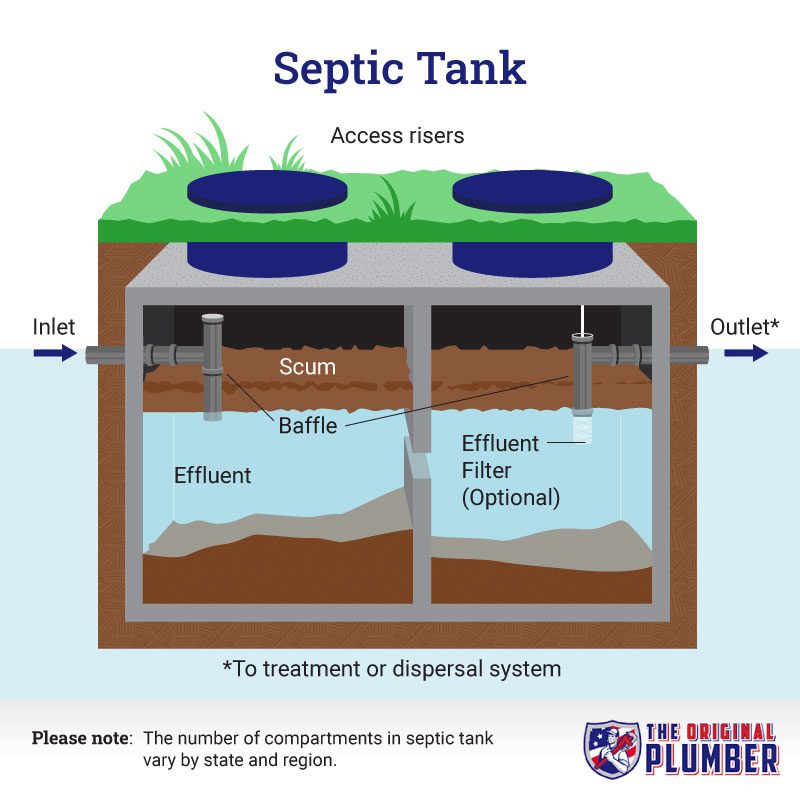
When asking what a modern, “normal” septic tank looks like today, the answer starts with the hardware visible at the surface and integrated within the tank’s chambers. The traditional buried lid is being replaced by high-visibility risers and tech-integrated access ports that house the “nervous system” of the unit.
Internet of Things (IoT) Integration and Smart Risers
A tech-forward septic system is characterized by the presence of smart risers. These are not merely plastic extensions for easy pumping; they are now equipped with LoRaWAN (Long Range Wide Area Network) or Wi-Fi-enabled modules. These modules allow the tank to communicate its status to a central home hub or a cloud-based monitoring service. Physically, a normal modern tank features a “tech-cap”—a specialized lid housing antennas and battery-powered transmitters designed to penetrate the soil and reach the home’s network.
Ultrasonic Level Sensors and Sludge Monitoring
The internal anatomy of a tech-enabled tank now includes ultrasonic sensors and optical sludge-level detectors. In a legacy system, “looking” at the tank required a manual “stick test” to measure the layers of scum and sludge. In the digital age, a normal tank looks like a data source. Ultrasonic transducers mounted to the roof of the tank emit high-frequency sound waves to measure the distance to the effluent surface with millimeter precision. This data is processed locally by a micro-controller before being transmitted to the user’s dashboard, providing a real-time visualization of the tank’s capacity and health.
The Software Interface: AI and Predictive Maintenance Dashboards
The most significant change in what a septic tank “looks like” isn’t found in the backyard, but on the screen of a smartphone or tablet. The physical hardware is now mirrored by a “Digital Twin”—a software representation of the tank’s internal environment.
AI-Driven Predictive Analytics
Modern septic technology leverages machine learning (ML) to move beyond simple alerts. A normal system today utilizes software platforms that analyze historical usage patterns to predict when a tank will reach its critical threshold. For instance, if a household hosts a large gathering, the AI identifies the spike in hydraulic loading and adjusts its maintenance forecast accordingly. This software looks like a clean, intuitive dashboard where homeowners can see “Time-to-Pump” metrics, much like a car’s “Range to Empty” display. These tools eliminate the guesswork that leads to drain field failure, which is the most expensive component of residential waste systems.
Remote Diagnostics and Professional Monitoring Software
For service providers, a normal septic tank looks like a line item on a remote monitoring console. Software-as-a-Service (SaaS) platforms allow septic professionals to monitor thousands of tanks simultaneously. When a sensor detects a high-water alarm or a pump failure, the system automatically generates a service ticket. This integration of software into the “normal” operation of a tank ensures that the hardware is perpetually optimized, reducing the carbon footprint of the home and extending the lifespan of the infrastructure through precise, tech-managed care.
Advanced Filtration Technology: The Bio-Tech and Mechanical Component
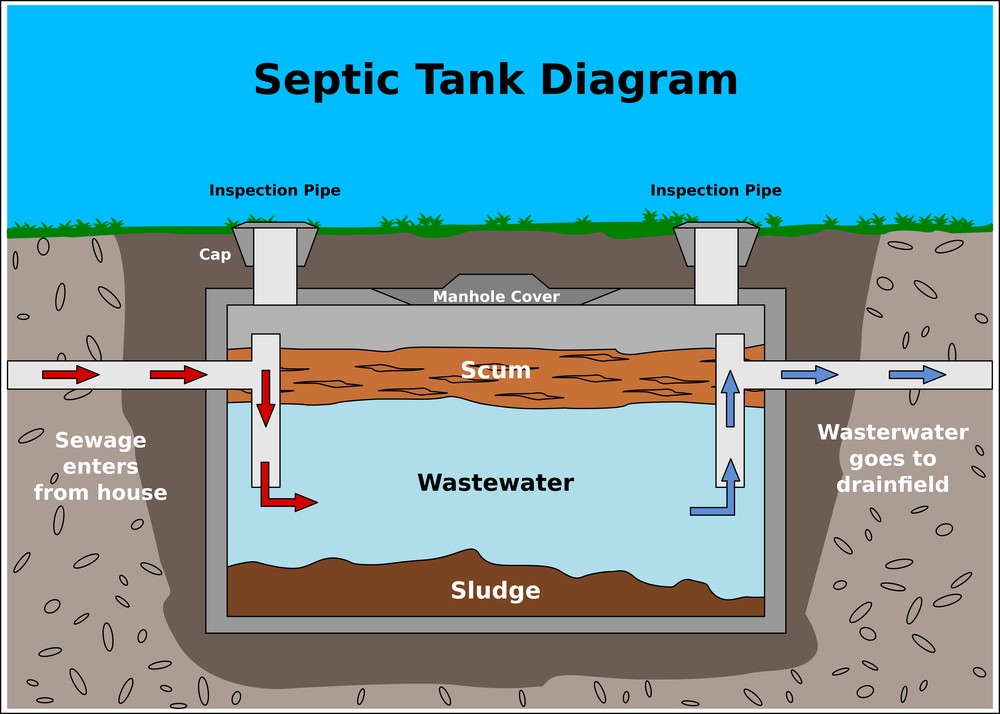
Beyond the digital sensors, the internal mechanics of a normal septic tank have evolved to include high-tech filtration and aeration systems that resemble miniature industrial treatment plants.
Aerobic Treatment Units (ATUs) and Micro-Controllers
In many jurisdictions, a “normal” septic tank is now an Aerobic Treatment Unit (ATU). These systems look significantly different from traditional anaerobic tanks because they include an air compressor or aerator. These mechanical components are managed by sophisticated micro-controllers that pulse oxygen into the wastewater to facilitate the growth of aerobic bacteria, which break down waste much faster than traditional methods. The “look” of this technology includes a control panel—often mounted on the side of the house—featuring LCD screens, diagnostic ports, and audible alarms that interface directly with the tank’s internal pumps and blowers.
Smart Filters and Automated Backwashing
Filtration technology has also moved into the digital realm. Modern effluent filters are often equipped with pressure sensors. As the filter becomes clogged with solids, the pressure differential is measured and reported to the system’s computer. Some high-end “normal” configurations even include automated backwashing tech, which uses small bursts of air or water to clear the filter, managed entirely by the onboard software logic. This level of automation ensures that the system maintains a high flow rate, preventing the “back-ups” that have long been the nightmare of rural and suburban homeowners.
Digital Security and the Future of Decentralized Infrastructure
As septic tanks become connected devices, they enter the realm of digital security. A normal septic tank in the 2020s must be considered a part of a home’s cybersecurity profile, necessitating a focus on data protection and network integrity.
Encryption for Residential Utility Networks
Because these systems transmit data regarding a household’s habits (such as water usage patterns which can indicate when a home is occupied), digital security is paramount. A normal smart tank uses end-to-end encryption to protect the data flowing from the tank to the cloud. This prevents “bad actors” from gaining access to the home’s local network via the outdoor utility node. When we discuss what a normal tank looks like, we must include the invisible layers of WPA3 encryption and secure firmware updates that keep the system operational and safe from digital intrusion.
The Rise of Decentralized Waste Tech (DeWat)
Looking forward, the “normal” septic tank is evolving toward a Decentralized Waste Technology (DeWat) model. This involves the integration of waste management into the broader circular economy. Emerging tech allows for the recovery of heat from the tank’s greywater and even the monitoring of household health via “smart toilets” that feed data into the septic system’s analytics engine. In this context, the septic tank is no longer a waste pit; it is a resource recovery center.
The aesthetic of the septic tank is shifting from a hidden, dirty secret to a visible badge of a “smart” and sustainable home. For the modern homeowner, the “look” of their septic system is the green LED on their wall-mounted controller, the push notification on their phone confirming optimal bacterial health, and the peace of mind provided by a suite of sensors working 24/7 beneath the surface.
Conclusion: The New Normal is Data-Driven
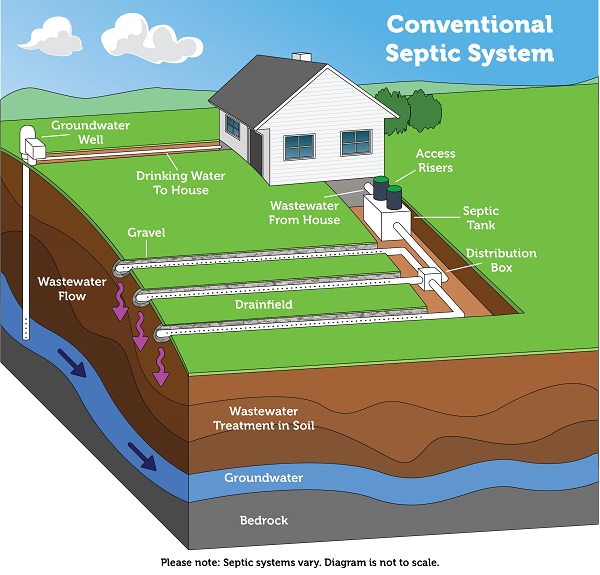
In summary, if you were to walk into a modern property and ask what a normal septic tank looks like, you wouldn’t just look for a patch of green grass or a concrete lid. You would look for the integrated sensors, the smart risers, and the mobile application that manages the entire process.
The convergence of IoT, AI, and advanced bio-mechanical engineering has turned the humble septic tank into a sophisticated piece of technology. This digital evolution is not just about convenience; it is about environmental stewardship and financial intelligence. By using tech to monitor and maintain these systems, we prevent ground-water contamination and avoid the massive costs associated with system failures. The “normal” septic tank of the future is smart, connected, and—above all—visible through the lens of modern data analytics. As we continue to upgrade our global infrastructure, the digitalization of the backyard septic system stands as a prime example of how even the most basic utilities can be revolutionized by the power of technology.
aViewFromTheCave is a participant in the Amazon Services LLC Associates Program, an affiliate advertising program designed to provide a means for sites to earn advertising fees by advertising and linking to Amazon.com. Amazon, the Amazon logo, AmazonSupply, and the AmazonSupply logo are trademarks of Amazon.com, Inc. or its affiliates. As an Amazon Associate we earn affiliate commissions from qualifying purchases.