
In the world of corporate finance and personal investing, the balance sheet serves as the definitive health report of an organization. Among the various line items, “Retained Earnings” is often viewed as a primary indicator of a company’s historical success and its ability to self-finance future growth. However, when that figure slips below zero, it becomes what accountants call an “accumulated deficit.”
A negative retained earnings balance can be a jarring sight for investors and business owners alike. It signals that a company has, over its lifetime, lost more money than it has earned and distributed. But does a negative balance always signal an impending bankruptcy, or can it be a strategic byproduct of aggressive growth? To understand the nuances of this financial state, we must dive deep into the mechanics of business finance, the causes of deficits, and the strategic implications for the future.
The Mechanics of Retained Earnings: A Brief Refresher
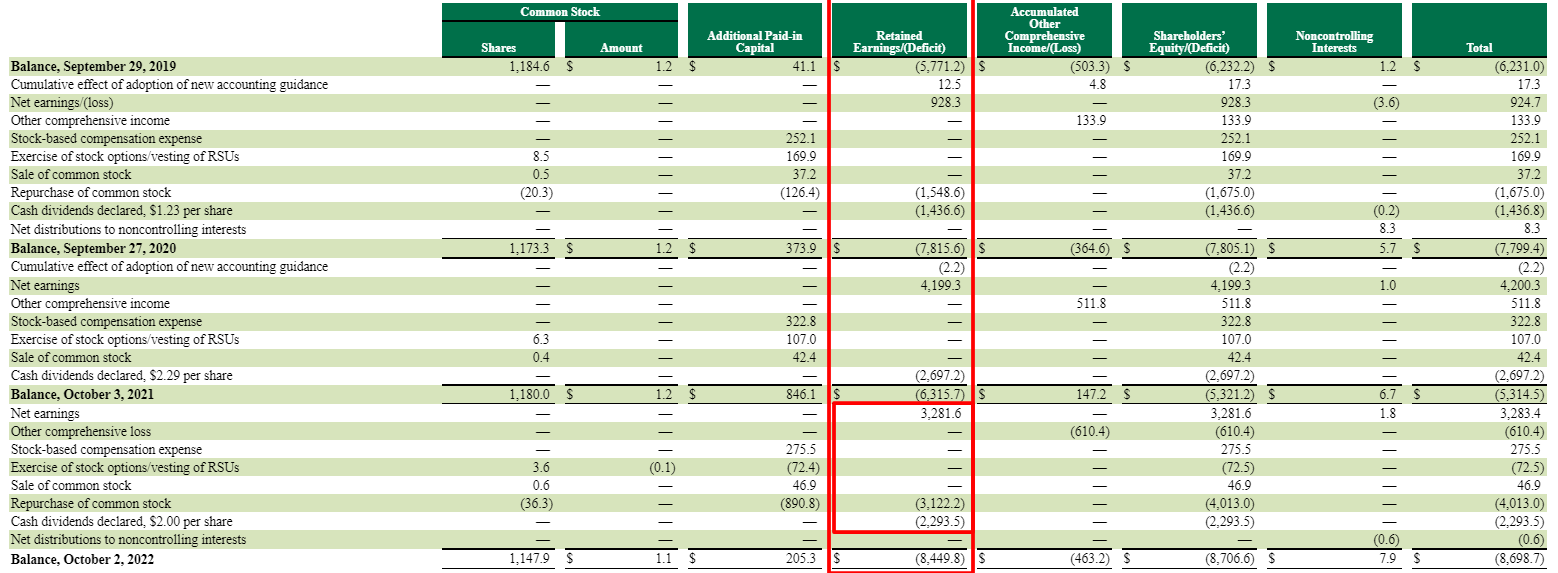
Before analyzing the negative side of the ledger, it is essential to understand what retained earnings represent in a healthy financial ecosystem. Retained earnings are the cumulative net income of a company since its inception, minus any dividends or distributions paid out to shareholders.
How Retained Earnings are Calculated
The formula for retained earnings is straightforward but cumulative:
Beginning Retained Earnings + Net Income (or – Net Loss) – Dividends = Ending Retained Earnings.
Because this figure is cumulative, it carries the “memory” of every fiscal year the company has ever operated. If a company makes $1 million in profit and pays out $200,000 in dividends, $800,000 is added to the retained earnings pool. If this continues for a decade, the pool grows significantly, providing a “cushion” of equity that can be used for reinvestment or to weather future storms.
The Transition from Profit to Equity
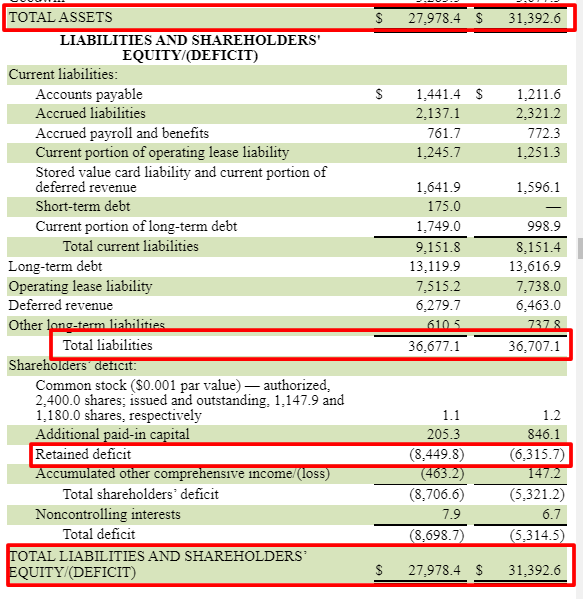
On the balance sheet, retained earnings fall under the “Shareholders’ Equity” section. Equity represents the book value of the company—what would be left for the owners if all assets were sold and all debts were paid. When retained earnings are positive, they increase the total equity. When they are negative, they act as a “contra-equity” account, dragging down the total value of the business and, in extreme cases, leading to negative total equity (where liabilities exceed assets).
Why Do Retained Earnings Turn Negative?
A negative balance doesn’t happen overnight. It is the result of specific financial events that outweigh the historical profits of the firm. Understanding the “why” is the first step in determining whether the deficit is a temporary hurdle or a fatal flaw.
Sustained Net Losses
The most common cause of a negative retained earnings balance is a series of net losses that exceed any previously accumulated profits. If a company is in a stagnant industry or suffers from poor management, persistent annual losses will eventually deplete the retained earnings account and push it into the negative. This is often seen in “zombie companies” that stay afloat through debt but fail to generate a genuine profit.
Excessive Dividend Distributions
In some cases, a company might have been profitable in the past but chose to return more capital to shareholders than it could truly afford. If a board of directors authorizes dividend payments that exceed both current year profits and the existing pool of retained earnings, the account will turn negative. While rare in conservative firms, this can happen during aggressive recapitalizations or when a company is attempting to maintain an “illusion” of stability to keep stock prices high despite dwindling cash flows.
High Growth and R&D Spend (The Startup Paradox)
Perhaps the most interesting cause of negative retained earnings is found in the tech and biotech sectors. High-growth startups often operate with massive accumulated deficits for years, if not decades. Companies like Amazon, Uber, and Airbnb famously reported negative retained earnings for long periods while they were scaling.
In this context, the negative balance is not a sign of failure but a sign of aggressive reinvestment. These companies prioritize market share and infrastructure over short-term profitability. As long as venture capitalists and public markets are willing to fund these losses through capital injections (which show up under “Paid-in Capital” rather than “Retained Earnings”), the company can continue to operate despite the deficit.
The Strategic Implications of an Accumulated Deficit
When a financial analyst sees a negative number in the equity section, several red flags go up. The implications of an accumulated deficit stretch far beyond the accounting department, impacting everything from borrowing power to legal standing.
Impact on Solvency and Creditworthiness
For a business, credit is lifeblood. Banks and lenders look closely at the debt-to-equity ratio. When retained earnings are negative, the “Equity” denominator of that ratio shrinks, making the company appear much more leveraged than it might actually be.
An accumulated deficit often triggers higher interest rates on loans or may prevent a company from securing credit altogether. Lenders view the deficit as a lack of a “safety buffer.” If the company faces another bad year, there are no past profits to fall back on, increasing the risk of default.
Shareholder Perception and Market Valuation
For public companies, negative retained earnings can lead to a “valuation discount.” Conservative investors, particularly those following value-investing principles, often avoid companies with accumulated deficits because they represent a higher level of risk.
However, the market is nuanced. If a company can prove that its negative retained earnings are a result of “buying growth”—investing in patents, user acquisition, or infrastructure—the market may reward it with a high valuation despite the deficit. The key differentiator is the “path to profitability.” If the deficit is shrinking quarter-over-quarter, investors remain optimistic. If it is widening without a clear end in sight, a sell-off is likely.
Legal and Regulatory Constraints
In many jurisdictions, the ability of a company to pay dividends is legally tied to the status of its retained earnings. Many corporate laws prohibit “dividends out of capital.” This means if a company has a negative retained earnings balance, it is legally barred from paying dividends to its shareholders, even if it had a profitable single year. This “nimble dividend” rule varies by state and country, but generally, a company must “cure” its deficit before it can resume returning cash to investors.
How to Turn the Tide: Strategies for Recovery
An accumulated deficit is a hole, and the first rule of holes is to stop digging. For a company to move from a negative to a positive retained earnings balance, it must undergo a fundamental shift in its financial strategy.
Operational Restructuring and Cost Cutting
The most direct way to fix negative retained earnings is to generate net income. This often requires painful operational changes. Companies may need to divest non-core assets, lay off staff, or exit unprofitable markets. By lowering the “break-even” point, the company can ensure that even modest revenues contribute to a positive net income, which slowly chips away at the accumulated deficit.
Revenue Model Optimization
Sometimes, the problem isn’t the cost—it’s the price or the volume. Companies with long-standing deficits may need to pivot their business models. This could involve moving from a one-time sales model to a recurring subscription model to ensure predictable cash flows, or increasing prices to reflect the true value of the product. Every dollar of net profit earned is a dollar that reduces the negative balance on the balance sheet.
Debt-to-Equity Swaps and Capital Infusion
In dire situations, a company may perform a financial “reset.” Through a debt-to-equity swap, creditors agree to cancel a portion of the company’s debt in exchange for ownership shares. This improves the balance sheet by reducing liabilities. Additionally, a company might issue new shares to raise capital. While this doesn’t directly change the “Retained Earnings” line, it increases “Total Equity,” providing the company with the liquidity needed to survive long enough to earn its way back into the black.

Conclusion: Deficit as a Chapter, Not the End
A negative retained earnings balance is a significant financial marker that demands attention. For the mature enterprise, it is often a warning sign of systemic inefficiency or a declining market. For the emerging startup, it is frequently a roadmap of the capital spent to conquer a new industry.
In business finance, context is everything. To understand what a negative retained earnings balance means, one must look at the trajectory of the losses, the industry standards, and the management’s plan for the future. While an accumulated deficit represents a history of loss, it does not strictly dictate a future of failure. Through disciplined financial management, strategic pivoting, and a relentless focus on profitability, even the deepest financial holes can be filled, paving the way for sustainable, long-term growth.
aViewFromTheCave is a participant in the Amazon Services LLC Associates Program, an affiliate advertising program designed to provide a means for sites to earn advertising fees by advertising and linking to Amazon.com. Amazon, the Amazon logo, AmazonSupply, and the AmazonSupply logo are trademarks of Amazon.com, Inc. or its affiliates. As an Amazon Associate we earn affiliate commissions from qualifying purchases.