
In the landscape of modern home automation and smart infrastructure, the electrical panel serves as the central processing unit of your physical environment. While much of the tech world focuses on software interfaces and external gadgets, the hardware that safeguards these systems is equally sophisticated. Among the most critical components of this infrastructure is the Ground Fault Circuit Interrupter (GFCI) breaker.
To the uninitiated, an electrical panel looks like a confusing array of black switches. However, identifying a GFCI breaker is a foundational skill for anyone interested in home tech maintenance, hardware troubleshooting, or electrical safety. This article explores the physical characteristics, engineering logic, and technological evolution of the GFCI breaker.
Anatomy of a GFCI Breaker: Visual Identification and Design
Identifying a GFCI breaker requires looking for specific physical markers that differentiate it from a standard thermal-magnetic circuit breaker. Because these devices are engineered to perform complex monitoring tasks, their form factor is slightly more complex than the “on/off” switches found in older panels.
The Signature “Test” and “Reset” Buttons
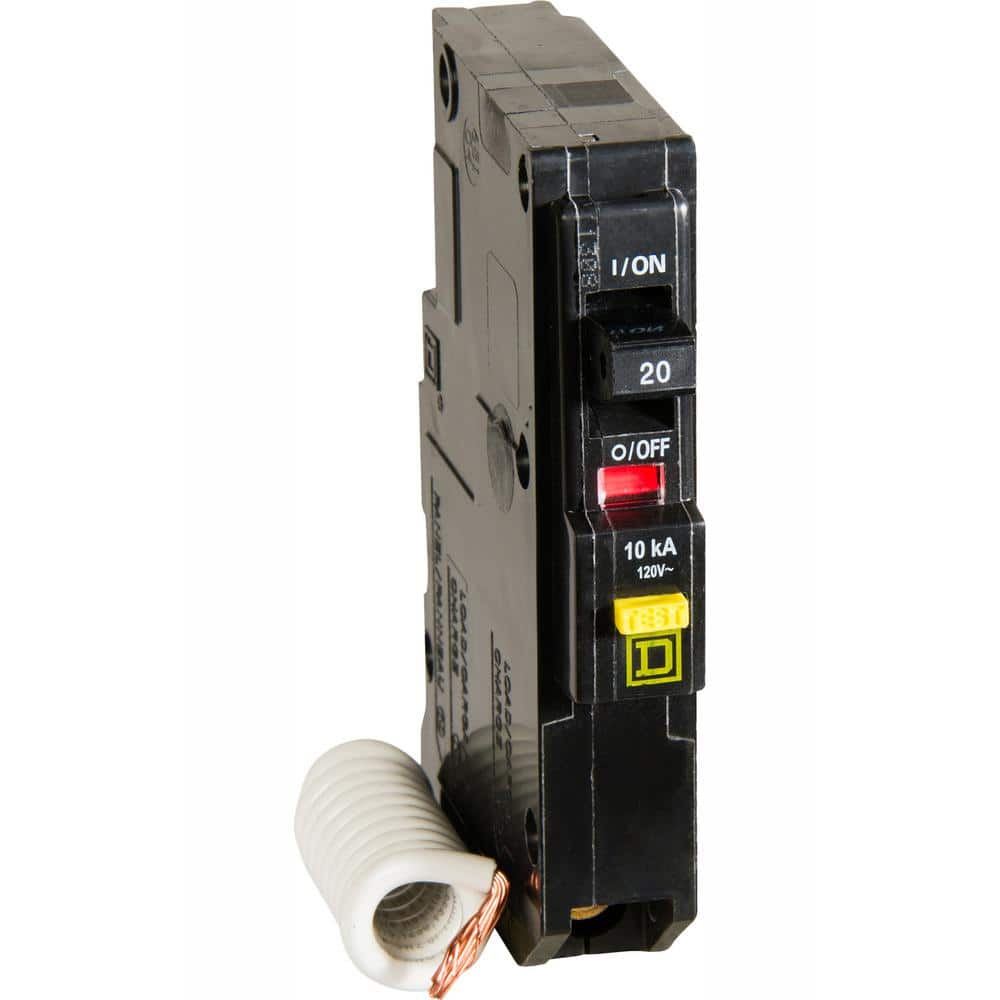
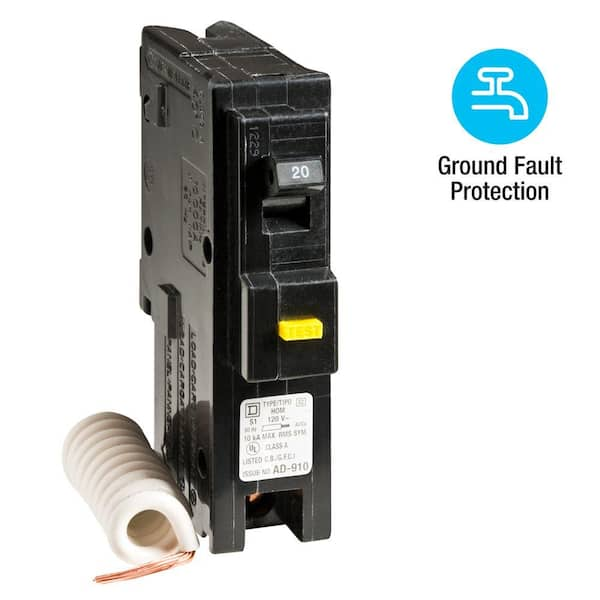
The most prominent visual indicator of a GFCI breaker is the presence of a “Test” button. Unlike standard breakers, which only feature a mechanical toggle switch, a GFCI breaker includes a small, typically rectangular or circular button on its face. This button is often colored—usually yellow, white, or red—to make it stand out against the black plastic housing of the breaker.
In modern digital-ready panels, pressing this button simulates a ground fault, allowing the hardware to verify that its internal sensing circuitry is functional. Some high-end models also feature a “Reset” button, though in most residential breaker designs, resetting the device is handled by toggling the main handle back to the “on” position after a trip.
Color Coding and Indicator Lights
As electrical technology has advanced, manufacturers have integrated Light Emitting Diodes (LEDs) into the breaker face. A standard GFCI breaker may now feature a small diagnostic LED. When the breaker is functioning correctly, the light may remain off or glow green. If the breaker detects a fault or reaches the end of its technological lifespan, the LED might flash red or amber. This visual feedback loop is a hallmark of modern “smart” hardware, providing real-time status updates to the user without the need for external testing equipment.
Form Factor and the “Pigtail” Wire
If you were to look at a GFCI breaker before it is installed, you would notice a distinct structural difference: the “pigtail.” This is a long, coiled white wire extending from the back of the breaker. This wire is essential for the device’s technical operation, as it connects the breaker directly to the neutral bar in the panel, allowing the internal sensors to monitor the return current.
However, in the latest “Plug-on Neutral” tech ecosystems (developed by brands like Square D or Eaton), this pigtail is replaced by a metal clip on the bottom of the breaker. This streamlined design reflects a trend in hardware engineering toward modularity and reduced “cable clutter” within the device housing.
The Technology Behind the Visuals: How GFCI Engineering Works
Understanding what a GFCI breaker looks like is only half the battle; one must also understand the sophisticated technology housed within that small plastic casing. A GFCI breaker is essentially a high-speed analog computer designed for a single, life-saving task: current balancing.
Differential Current Sensing
Inside the breaker sits a highly sensitive component known as a Differential Current Transformer (CT). The “hot” and “neutral” wires of the circuit pass through this transformer. In a perfect technological loop, the current going out should exactly match the current coming back.
The GFCI’s internal logic is calibrated to detect discrepancies as small as 4 to 6 milliamperes (mA). If the sensor detects that some current is “leaking” (perhaps through a human body or a faulty piece of tech hardware), it triggers an electromagnetic solenoid that physically forces the breaker to trip in as little as 1/30th of a second. This speed is the result of decades of refinement in electro-mechanical engineering.
Microprocessors in Modern Breakers
While early GFCI tech relied on simple magnetic induction, modern “Smart” GFCI breakers often incorporate microprocessors. These chips are designed to distinguish between a dangerous ground fault and the “electronic noise” generated by high-end gadgets, such as variable-speed motors in smart appliances or the complex power supplies of gaming PCs. This technological evolution has significantly reduced “nuisance tripping,” a common complaint with older generations of safety hardware.
The Self-Test Evolution
In 2015, industry standards (UL 943) shifted to require “self-testing” technology in all GFCI devices. This means that even if you never press that physical yellow button, the breaker’s internal circuitry performs a diagnostic check every few seconds or minutes. If the hardware detects that its own protective components have failed, it will either trip itself or provide a visual warning via its LED indicator. This shift represents a move from “passive” safety to “active” technological monitoring.
Comparing GFCI Breakers vs. GFCI Outlets: A Hardware Perspective
When upgrading the tech infrastructure of a home, users often choose between installing a GFCI breaker in the panel or a GFCI outlet at the point of use. Both perform the same electrical function, but they look and behave differently from a systems-architecture standpoint.
Physical Differences and Installation
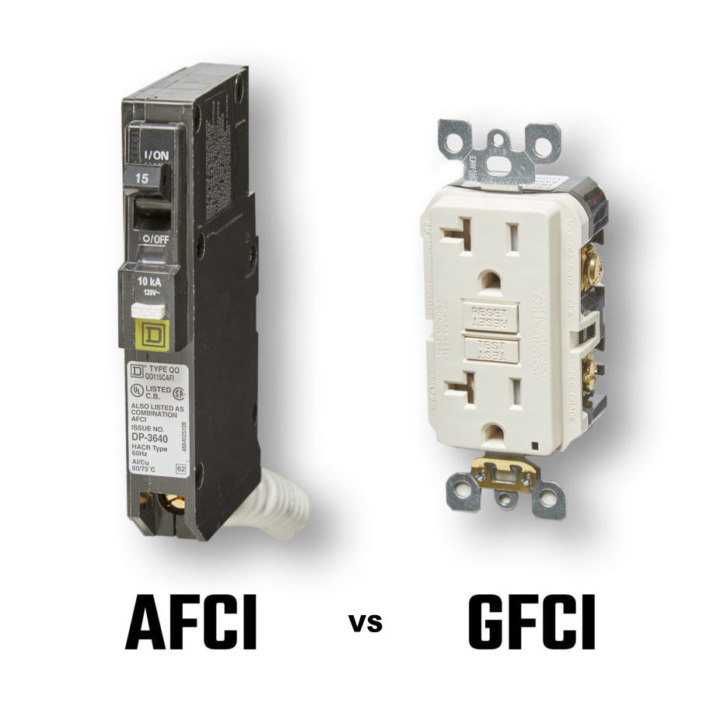
A GFCI outlet (or receptacle) is the familiar device with “Test” and “Reset” buttons located directly on the wall. From a hardware design perspective, the breaker version is often considered superior for high-tech environments. Because the breaker is located inside the main service panel, it is protected from the environmental stressors found in kitchens, bathrooms, or outdoor server sheds—such as moisture, heat, and physical impact.
Load-Side Protection Tech
One of the primary technological advantages of a GFCI breaker is its ability to protect an entire “branch” of a circuit. While a single GFCI outlet can be wired to protect downstream “dumb” outlets, a GFCI breaker ensures that every inch of wire from the panel to the end of the line is monitored. For those running sensitive home lab equipment or complex automation hubs, this centralized protection is a cleaner, more efficient hardware solution.
Aesthetic and Design Considerations
For designers and architects focusing on “minimalist tech” or “smart home” aesthetics, the GFCI breaker is the preferred choice. By placing the safety technology in the panel, you eliminate the need for the clunky, button-heavy GFCI outlets in the living space. This allows for the installation of sleek, high-design outlets that match the modern interior of a tech-forward home without sacrificing the underlying safety engineering.
Troubleshooting and Maintenance of Smart Electrical Components
Because GFCI breakers are more complex than standard breakers, they require a different approach to troubleshooting. Recognizing the visual and mechanical cues of a failing breaker is essential for maintaining a stable power environment for your digital tools.
Interpreting Visual Warning Signs
If your GFCI breaker has tripped, the handle will usually move to a center “neutral” position, rather than snapping all the way to “off.” To reset it, you must hardware-reset the device by pushing it firmly to the “off” position before clicking it back to “on.”
If the breaker refuses to reset immediately, it is performing its job as a diagnostic tool. It is telling you that the “fault” is still present in your hardware chain. In tech terms, this is a hardware flag that prevents a catastrophic system failure. If the LED indicator on the breaker is flashing, you should consult the manufacturer’s data sheet; usually, a specific blink pattern indicates whether the issue is a ground fault, an arc fault (in dual-function models), or internal hardware expiration.
Tech Specs: When to Replace Your Hardware
Like any piece of sophisticated hardware, GFCI breakers have a lifespan. Most manufacturers (such as Siemens, Leviton, and ABB) suggest that the internal sensing electronics are rated for about 10 to 15 years. Over time, the capacitors and sensors inside the breaker can degrade due to power surges or heat.
Tech enthusiasts should perform a manual test of the breaker once a month. Pressing the “Test” button is essentially a “ping” to the system to ensure the safety protocol is still active. If the breaker does not trip instantly upon pressing the button, the hardware has failed and must be replaced to maintain the integrity of the home’s safety stack.
Integrating GFCI Tech with Smart Home Ecosystems
The future of GFCI technology lies in integration. Emerging “Smart Panels” now allow GFCI breakers to connect to your home’s Wi-Fi network. These devices look like standard GFCI breakers but include an internal radio. Through a smartphone app, you can receive push notifications if a breaker trips, monitor the energy consumption of that specific circuit, and even remotely diagnose whether the trip was caused by a temporary surge or a recurring hardware fault. This represents the ultimate convergence of traditional electrical safety and modern digital monitoring.
Conclusion
The GFCI breaker is more than just a switch; it is a vital piece of safety technology that bridges the gap between raw electrical power and the sensitive environment of the modern home. By understanding what these breakers look like—recognizing the test buttons, the diagnostic LEDs, and the unique pigtail wiring—you gain a deeper insight into the infrastructure that powers your digital life.
Whether you are building a high-tech home office, setting up a smart kitchen, or simply maintaining your property’s hardware, the GFCI breaker stands as a silent, sophisticated guardian. As we move toward a future of fully integrated smart panels and IoT-enabled electricity, the humble GFCI breaker remains a testament to how far safety engineering has come in the digital age.
aViewFromTheCave is a participant in the Amazon Services LLC Associates Program, an affiliate advertising program designed to provide a means for sites to earn advertising fees by advertising and linking to Amazon.com. Amazon, the Amazon logo, AmazonSupply, and the AmazonSupply logo are trademarks of Amazon.com, Inc. or its affiliates. As an Amazon Associate we earn affiliate commissions from qualifying purchases.