
When you pull a credit card out of your wallet, you are holding more than just a piece of plastic or metal; you are holding a sophisticated financial tool governed by international standards and complex algorithms. For many consumers, the sequences of numbers across the front of the card appear random. However, these digits are carefully orchestrated identifiers that tell a story about the issuer, the network, and the security protocols protecting your wealth. If you have ever wondered, “What does a Discover card start with?” the short answer is the number 6.

Specifically, Discover cards typically begin with sequences like 6011, 644, or 65. This initial digit is part of a global system known as the Issuer Identification Number (IIN), previously referred to as the Bank Identification Number (BIN). In the world of personal finance, understanding these identifiers is the first step toward grasping how the global payment ecosystem operates and how you can better manage your financial footprint.
Understanding the First Digits: The Anatomy of a Discover Card Number
Every credit card number follows a format established by the International Organization for Standardization (ISO). This ensures that whether you are buying groceries in Chicago or booking a hotel in Tokyo, the payment terminal can instantly recognize which financial network to contact for authorization.
The Major Industry Identifier (MII)
The very first digit of any credit card is known as the Major Industry Identifier (MII). This digit represents the category of the entity that issued the card. For instance:
- 1 and 2 are often assigned to airlines.
- 3 is for travel and entertainment (notably American Express).
- 4 is reserved for Visa.
- 5 is predominantly Mastercard.
- 6 is designated for “Merchandising and Banking.”
Because Discover originated from a retail background (specifically Sears, Roebuck and Co.), it was assigned the number 6. Today, the number 6 serves as the hallmark of the Discover Financial Services network, signaling to merchants that the transaction will be processed through their proprietary system.
Common Discover BIN Patterns (6011, 644, 65)
While the “6” gets the transaction to the right industry, the subsequent digits—the Bank Identification Number (BIN)—narrow it down to the specific issuer. Discover is unique because it controls its own network. Unlike Visa or Mastercard, which are networks that partner with thousands of different banks, Discover is both the issuer and the network.
The most iconic Discover sequence is 6011. When Discover launched nationally in 1986, almost every card began with these four digits. As the company expanded and introduced new products like the Discover it® card or specialized student and business cards, they added new prefixes, including 644 and 65. Recognizing these patterns is essential for financial software and e-commerce platforms to automatically apply the correct processing fees and security checks.
Why the First Digits Matter for Merchants
For a business owner or a savvy consumer, the “6” at the start of a card carries financial implications. Different card networks charge different “interchange fees”—the percentage a merchant pays to accept the card. Because Discover operates its own network, it often positions itself competitively against Visa and Mastercard. For the consumer, the prefix is the key that unlocks specific network benefits, such as Discover’s famous “Cashback Match” or their robust fraud protection services.
The Evolution of Discover: From Retail Roots to Global Financial Powerhouse
To understand why Discover starts with the number 6, one must look at the history of American consumerism. The “6” is a legacy of a time when the lines between retail shopping and banking began to blur, changing the landscape of personal finance forever.
The Sears Legacy and the Birth of the “6”
In the mid-1980s, Sears was the largest retailer in the United States. Their vision was to create a “one-stop shop” for all consumer needs, including financial services. By launching the Discover card, Sears intended to provide their customers with a line of credit that could be used both inside and outside their stores.
Because the ISO category for merchandising starts with 6, the Discover card was naturally placed in this bracket. While Sears eventually spun off Discover into an independent financial entity, the “6” remained. It serves as a reminder of the card’s disruptive entry into a market previously dominated by traditional commercial banks.
Breaking the Industry Mold with No Annual Fees
When Discover entered the scene with its 6-prefix cards, it revolutionized personal finance by offering the first widely available credit card with no annual fee. At the time, paying for the privilege of carrying a card was the industry standard. By removing this barrier, Discover forced other issuers to rethink their value propositions. This move democratized access to credit and shifted the focus toward “rewards-based” banking, where the issuer pays the consumer to use the card rather than the other way around.
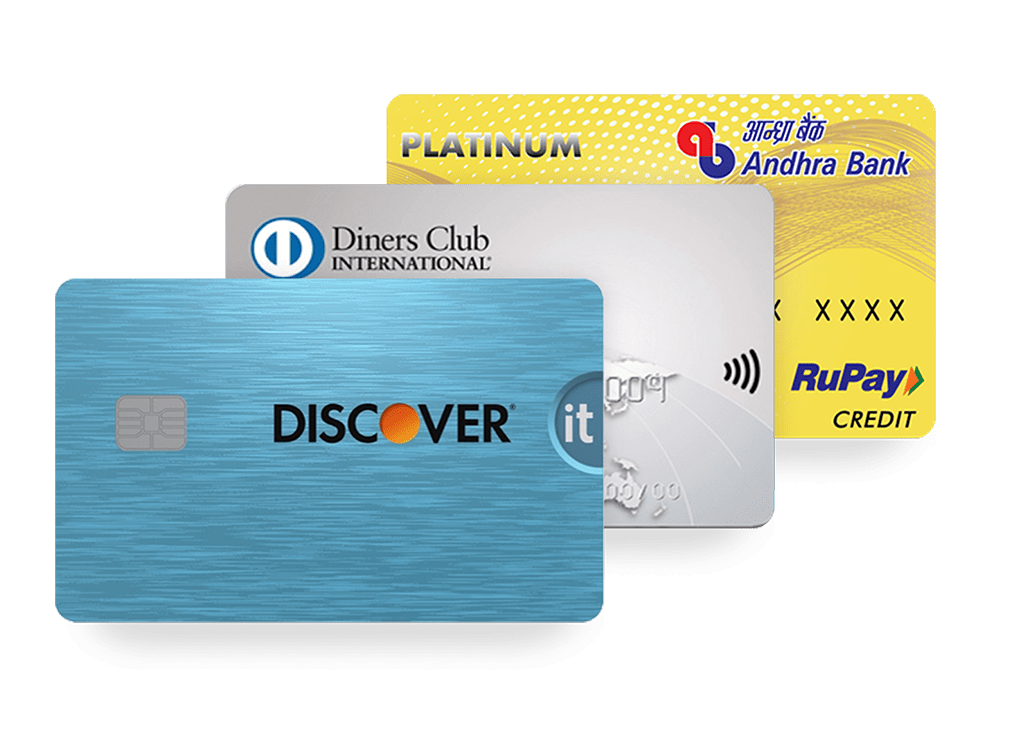
Expanding the Network: PULSE and Diners Club International
A common critique of Discover in its early years was its limited acceptance compared to Visa or Mastercard. However, the financial strategy of the company shifted toward aggressive global expansion. By acquiring the PULSE ATM network and Diners Club International, Discover significantly broadened the reach of its “6” prefix cards.
Today, Discover has reciprocal agreements with UnionPay in China and JCB in Japan. This means that a card starting with 6 is now recognized by millions of merchants worldwide, making it a viable tool for international business and travel finance.
How Your Card Number Works Behind the Scenes
The digits following the initial “6” are not just for identification; they are part of a sophisticated mathematical and security framework designed to prevent errors and mitigate financial fraud.
The ISO/IEC 7812 Standard
The structure of a Discover card is governed by the ISO/IEC 7812 standard. This international agreement dictates that a card number should consist of:
- The Issuer Identification Number (IIN): The first six to eight digits (starting with 6).
- The Individual Account Identification: The digits following the IIN, which identify your specific account.
- The Check Digit: The final single digit.
This standardization is what allows the global financial system to remain “interoperable.” It ensures that a card swiped in a small boutique in Paris can be verified by a server in a data center in Delaware in a matter of milliseconds.
The Luhn Algorithm: Validating Your Transactions
Have you ever mistyped your credit card number on a website and had it instantly tell you the number was invalid? This happens thanks to the Luhn algorithm, also known as the “modulus 10” algorithm. The final digit of your Discover card (the check digit) is calculated based on all the preceding digits.
When you enter your card number, the payment software performs a series of mathematical operations—doubling every other digit and summing them up. If the final result is divisible by 10, the card number is mathematically valid. This is a crucial first line of defense in financial security, catching simple data-entry errors before they ever reach the bank’s authorization system.
Account Identification and Security Checks
Beyond the “6” and the Luhn check, the middle digits of your Discover card are unique to your credit profile. Financial institutions use these numbers to track spending patterns and flag “out-of-character” transactions. For example, if a card starting with 6011—usually used for domestic gas and groceries—is suddenly used for a high-value jewelry purchase in a foreign country, the issuer’s AI-driven security tools will trigger a “fraud alert” or a “temporary hold” to protect the cardholder’s assets.
Maximizing the Value of the Discover Ecosystem
From a personal finance perspective, choosing a card that starts with 6 is often a strategic decision based on the specific rewards and financial management tools offered by Discover Financial Services.
Cashback Bonus Structures and Category Rotations
Discover is widely credited with inventing the “Cashback” concept. For users of the Discover it® series, the financial benefit lies in the 5% rotating categories. By strategically using their 6-series card for specific purchases—such as gas stations in Q1 or grocery stores in Q2—consumers can significantly offset their annual expenses. This requires a disciplined approach to personal finance, ensuring that the balance is paid in full each month to avoid interest charges that would negate the rewards.
Credit Monitoring and Identity Theft Protection
In the modern digital economy, your credit score is your most valuable financial asset. Discover has integrated free FICO® Credit Score access and “Identity Alerts” directly into their mobile app. For the cardholder, this means the card starting with 6 isn’t just a payment method; it’s a financial dashboard. By monitoring how credit utilization on the card affects their score, users can make more informed decisions about applying for mortgages, auto loans, or other lines of credit.
Strategic Use of Discover for Debt Consolidation
Discover is also a frequent choice for those looking to manage existing debt. They often offer 0% APR introductory periods on balance transfers for cards starting with their standard prefixes. For a consumer burdened by high-interest debt on a Visa or Mastercard (starting with 4 or 5), transferring that balance to a Discover card (starting with 6) can save hundreds of dollars in interest, providing a much-needed “breather” to pay down the principal balance.
Comparing Discover to Other Major Issuers
To fully appreciate the role of the Discover card, it helps to compare its network and financial philosophy with the other major players in the market.
Visa vs. Discover: Acceptance and Processing
Visa (starting with 4) is a “non-issuing” network, meaning they don’t actually give you the money; a bank like Chase or Bank of America does. This leads to a massive global footprint. Discover (starting with 6), as both the issuer and network, has more control over the customer experience. While Visa might be accepted in more remote locations, Discover often wins on customer service ratings and the simplicity of their rewards programs.
Mastercard and American Express: Identifying the Competition
Mastercard (starting with 5 or 2) operates similarly to Visa. American Express (starting with 3) often targets the “premium” or high-spend demographic. Discover sits in a unique middle ground—it is accessible enough for students and those building credit, yet robust enough in its rewards to attract high-net-worth individuals.
The fact that a Discover card starts with 6 is more than a technicality. It represents a specific approach to money: one that prioritizes the consumer, challenges the status quo of banking fees, and utilizes a closed-loop network to provide high levels of security and value. Whether you are using it for your daily coffee or as a tool to rebuild your financial future, the “6” at the start of your card is a symbol of a sophisticated, consumer-centric financial engine.
aViewFromTheCave is a participant in the Amazon Services LLC Associates Program, an affiliate advertising program designed to provide a means for sites to earn advertising fees by advertising and linking to Amazon.com. Amazon, the Amazon logo, AmazonSupply, and the AmazonSupply logo are trademarks of Amazon.com, Inc. or its affiliates. As an Amazon Associate we earn affiliate commissions from qualifying purchases.