
In the digital-first marketplace, a brand is no longer defined solely by its logo or its product line. Instead, a brand is the sum total of the stories it tells, the information it shares, and the value it provides through its digital presence. At the center of this ecosystem sits the Content Manager. Often misunderstood as a mere writer or editor, the Content Manager is actually the strategic architect of a brand’s identity. They serve as the bridge between corporate objectives and audience needs, ensuring that every piece of communication—from a high-level white paper to a brief social media update—aligns with a cohesive brand vision.
The Architect of Brand Voice and Messaging
The most critical responsibility of a Content Manager is the establishment and protection of the brand voice. In a world where consumers interact with companies across dozens of different platforms, maintaining a consistent personality is vital for building trust and recognition.
Defining Tone and Style Guidelines
A Content Manager begins by codifying the brand’s “personality.” Are we authoritative and professional, or are we witty and disruptive? By creating comprehensive style guides, the Content Manager ensures that whether a freelancer is writing a blog post or a senior executive is drafting a LinkedIn update, the “soul” of the brand remains recognizable. This involves making granular decisions about language, vocabulary, and even the types of metaphors used to describe the brand’s mission.
Ensuring Consistency Across Multi-Channel Touchpoints
Consistency is the bedrock of brand equity. A Content Manager monitors all outward-facing channels—newsletters, website copy, video scripts, and social media—to ensure there is no “brand friction.” Brand friction occurs when a customer encounters a sophisticated, high-end aesthetic on a website but receives a clunky, informal email response. The Content Manager eliminates these discrepancies, ensuring a seamless narrative journey for the customer.
Translating Brand Values into Narrative
Beyond the “how” of communication is the “what.” Content Managers take abstract corporate values—such as sustainability, innovation, or customer-centricity—and translate them into tangible stories. They identify the “human interest” angles that make a brand relatable. By doing so, they move the brand from being a faceless entity to a mission-driven organization that resonates with the audience on an emotional level.
Strategic Content Planning and Lifecycle Management
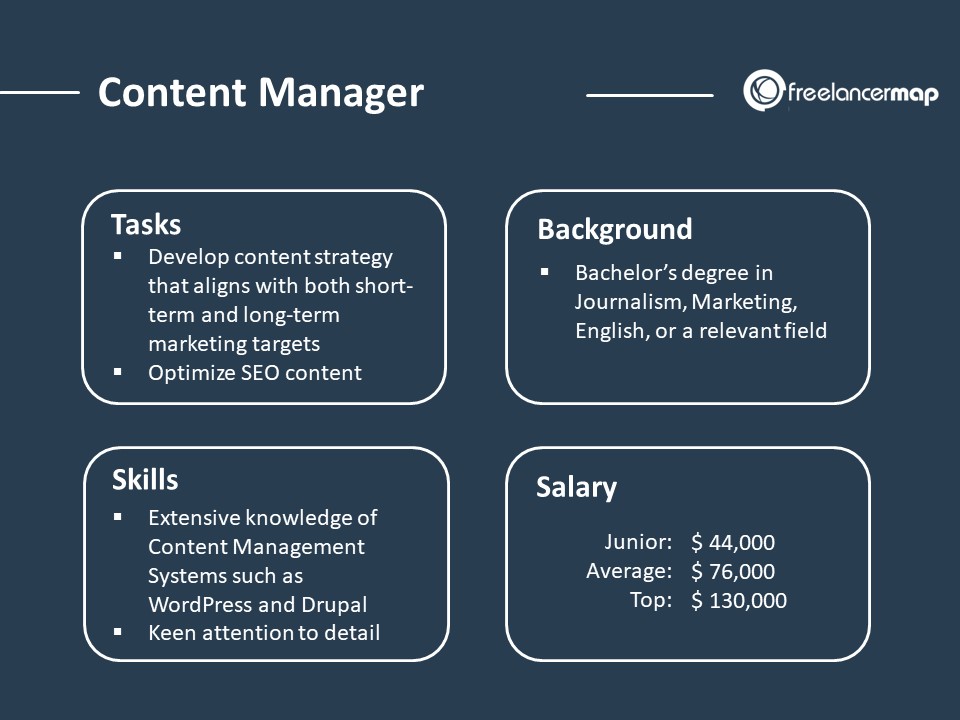
While creativity is essential, a Content Manager’s role is deeply rooted in strategy. They do not produce content for the sake of production; they produce content to move the needle on specific brand objectives.
Aligning Content with the Brand Roadmap
Every piece of content must serve a purpose within the broader brand strategy. Content Managers work closely with marketing directors and product leads to understand upcoming launches, seasonal shifts, and long-term goals. They then build a content roadmap that supports these initiatives. For instance, if a brand is pivoting from a service-based model to a software-based model, the Content Manager plans a series of educational pillars to shift public perception and establish the brand as a thought leader in the new space.
Mastering the Editorial Calendar
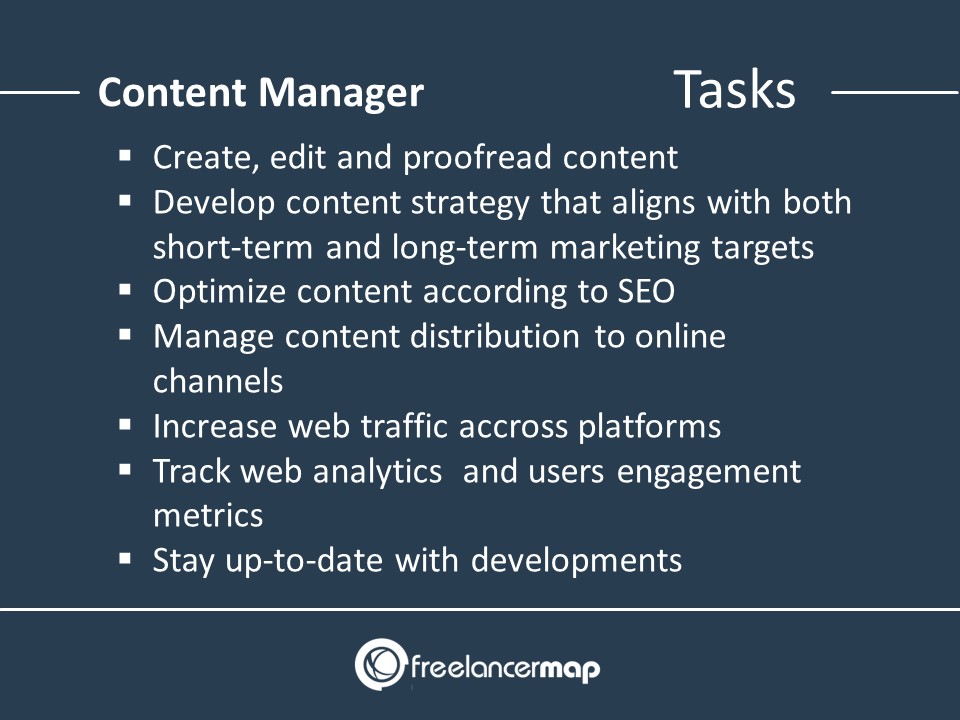
The editorial calendar is the Content Manager’s primary tool for operationalizing strategy. It is a living document that balances various types of content: evergreen pieces that provide long-term SEO value, timely news-jacking pieces that capitalize on current trends, and promotional content designed to drive immediate action. By managing this calendar, the Content Manager ensures a steady “heartbeat” of communication, preventing long silences that can lead to audience attrition.
Managing the Content Lifecycle
Content is not a “one and done” endeavor. A Content Manager oversees the entire lifecycle of an asset. This includes the initial ideation, the creative production process, distribution across relevant channels, and eventually, the auditing or refreshing of older content. In the context of brand strategy, this means ensuring that outdated information doesn’t linger and damage the brand’s credibility, while also repurposing high-performing assets to maximize their reach and ROI.
Brand Storytelling and Community Engagement
In the modern era, brands must behave more like media houses than traditional advertisers. Content Managers are tasked with moving away from “push” marketing (shouting at the audience) and toward “pull” marketing (attracting the audience through storytelling).
Crafting Compelling Narratives
At its core, a brand is a story that people want to be a part of. Content Managers identify the protagonists (often the customers), the conflicts (the problems the product solves), and the resolutions. By using narrative techniques, they create content that is inherently shareable. When a brand tells a story that reflects the values or aspirations of its target demographic, it fosters a sense of belonging that traditional advertising cannot replicate.
Community Building and Reputation Management
Content Managers are often the first line of defense in protecting a brand’s reputation. By managing the comments, forums, and social interactions sparked by their content, they gauge the “vibe” of the community. They listen to feedback, address concerns, and foster a two-way dialogue. This engagement is crucial for brand loyalty; it shows that the brand is listening and evolving. A Content Manager knows that one well-timed, thoughtful response to a customer can do more for brand loyalty than a million-dollar ad campaign.
Collaborative Creation and Influencer Alignment
Storytelling often involves voices from outside the internal team. Content Managers coordinate with subject matter experts, internal stakeholders, and external influencers to diversify the brand’s voice. They ensure that guest contributors or brand ambassadors understand the brand’s core tenets so that the partnership feels authentic rather than forced. This collaborative approach expands the brand’s reach while maintaining its strategic integrity.
Measuring the Impact on Brand Equity and Growth
A significant portion of a Content Manager’s time is spent analyzing data. In the realm of brand strategy, this data is used to validate whether the brand’s message is actually resonating with the intended audience.
Key Performance Indicators (KPIs) for Brand Health
While sales are a vital metric, Content Managers look at specific “brand health” indicators. These include metrics like “Share of Voice” (how much people are talking about the brand compared to competitors), sentiment analysis (whether the conversation is positive or negative), and engagement rates (how deeply the audience is interacting with the content). High engagement suggests that the brand’s storytelling is hitting the mark, whereas high traffic but low engagement might suggest a disconnect between the brand’s promise and its delivery.
Iterating Based on Audience Insights
The digital landscape changes rapidly, and what worked for a brand last year might fall flat today. Content Managers use analytics to iterate on their strategy. If a particular series of videos is driving high brand sentiment, they will double down on that format. If a specific topic is no longer garnering interest, they pivot. This data-driven approach ensures that the brand remains relevant and continues to provide value to its audience in an ever-changing market.
Demonstrating the ROI of Content
Ultimately, the Content Manager must prove that their efforts are contributing to the business’s bottom line. By tracking the journey from a first-time blog reader to a loyal brand advocate, they demonstrate how content serves as a powerful engine for customer acquisition and retention. They show that content is not a cost center but a strategic asset that builds long-term brand equity, making the company more resilient and recognizable in a crowded marketplace.
The Evolving Role of Content in Brand Strategy
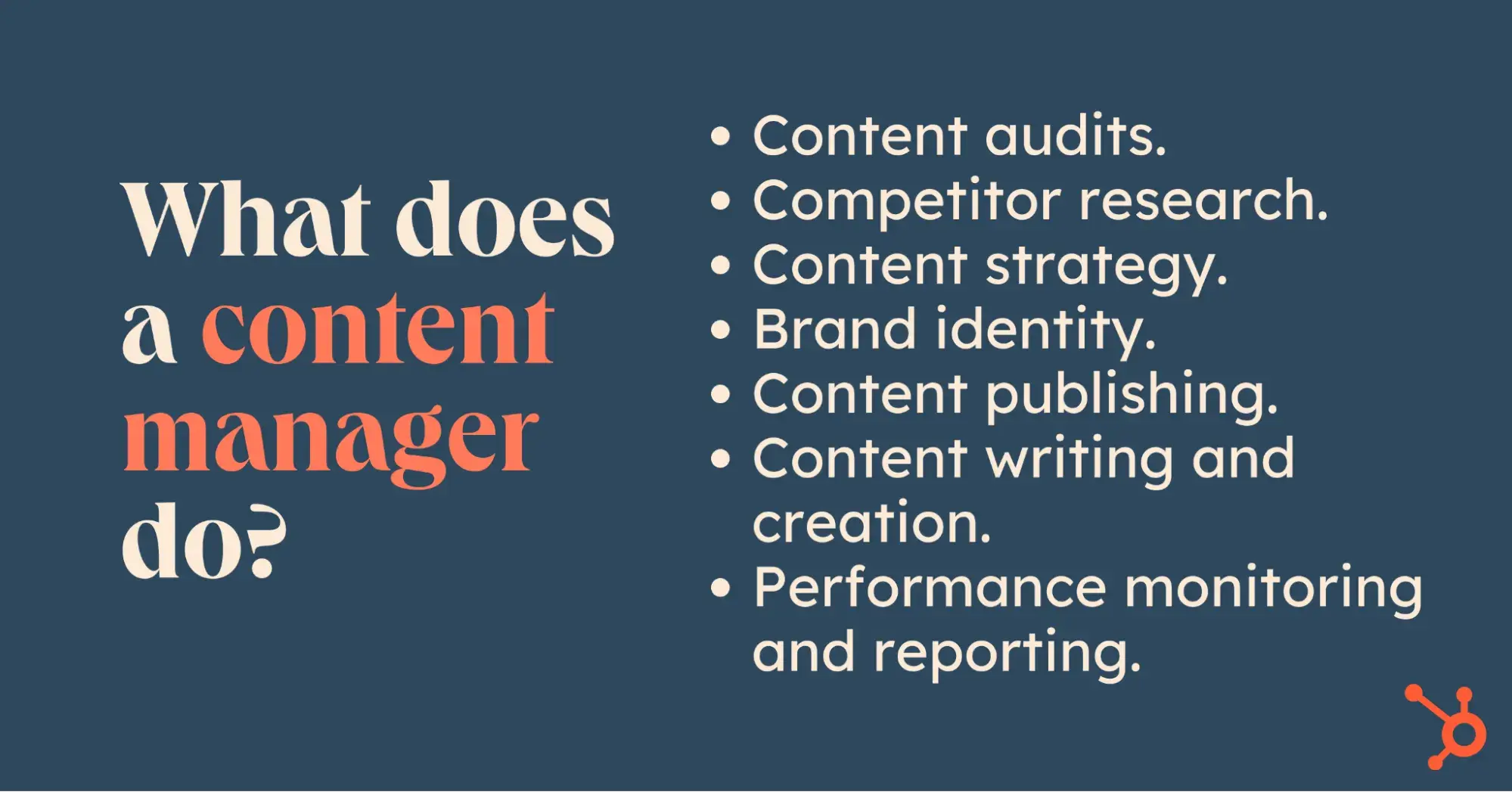
As we look toward the future, the role of the Content Manager continues to expand. They are no longer just managing words and images; they are managing the “experience” of the brand. With the rise of interactive media, personalized content experiences, and community-led growth, the Content Manager has become one of the most vital roles in any marketing department.
By focusing on brand strategy, these professionals ensure that a company’s digital footprint is not just a collection of random posts, but a curated, intentional, and powerful narrative. They are the guardians of the brand’s legacy and the architects of its future growth. Through a combination of creative storytelling, strategic planning, and meticulous analysis, Content Managers turn a business into a brand that people know, like, and trust. In the end, what a Content Manager “does” is create the very foundation upon which a modern brand stands.
aViewFromTheCave is a participant in the Amazon Services LLC Associates Program, an affiliate advertising program designed to provide a means for sites to earn advertising fees by advertising and linking to Amazon.com. Amazon, the Amazon logo, AmazonSupply, and the AmazonSupply logo are trademarks of Amazon.com, Inc. or its affiliates. As an Amazon Associate we earn affiliate commissions from qualifying purchases.