
In the sophisticated landscape of modern gaming, Call of Duty: Black Ops 6 (BO6) represents a significant leap forward in engine optimization and interactive AI design. For players navigating the “Zombies” cooperative mode, understanding the technical classification of enemy types is not merely a matter of survival; it is a fundamental requirement for completing high-level challenges, weapon camos, and technical progression tracks. Within the internal logic of the game’s engine, enemies are categorized into specific tiers: Normal, Special, Elite, and Boss.
To master the game, one must understand exactly what counts as a “Special Zombie.” This distinction is hard-coded into the game’s progression system, influencing everything from XP distribution to the tracking of specific “Camo Challenges” that require players to eliminate a set number of non-standard entities.
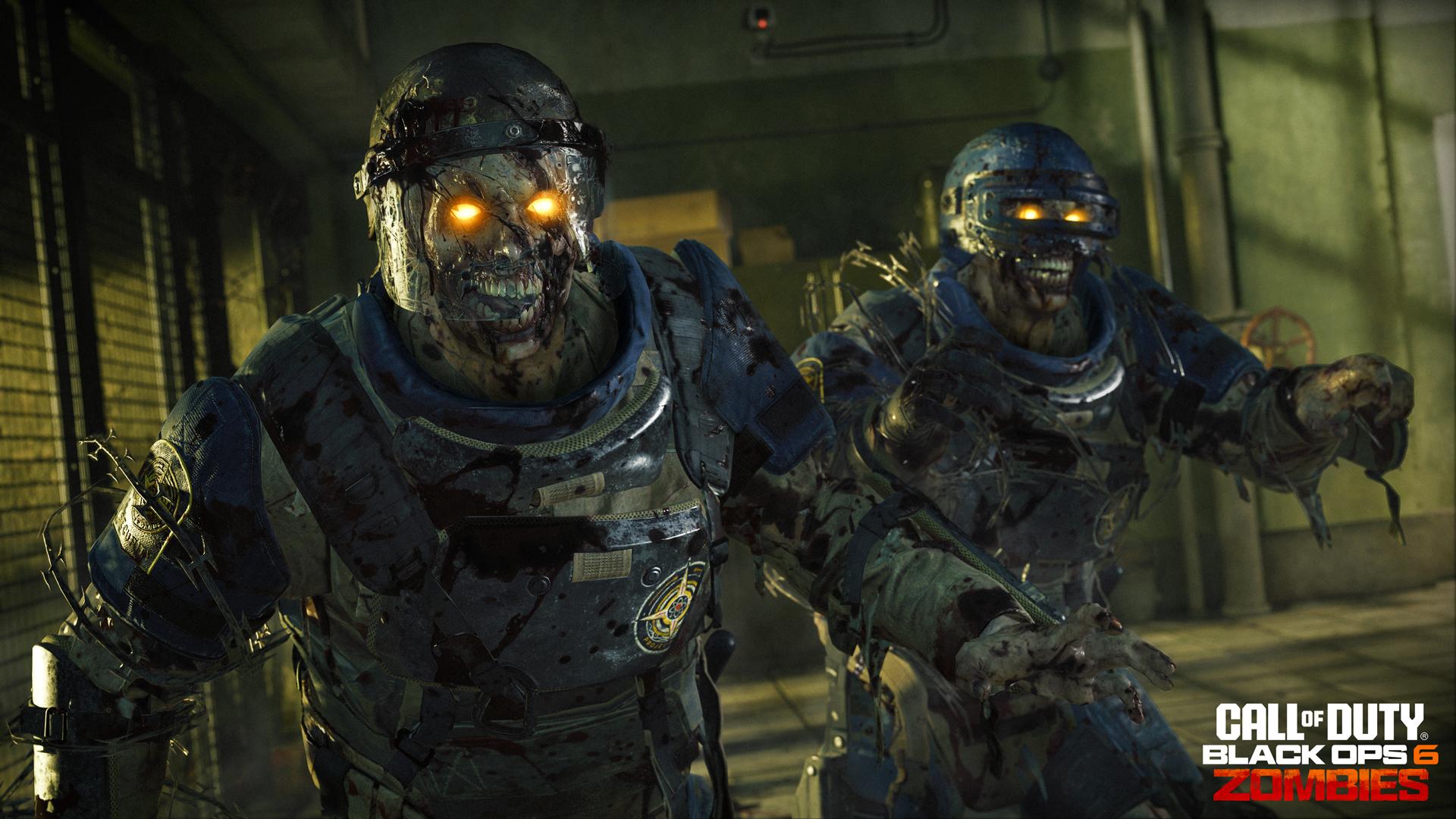
Understanding Entity Classifications in the Black Ops 6 Engine
The Black Ops 6 engine utilizes a hierarchical tagging system for every NPC (Non-Player Character) that spawns on the map. This system ensures that the game can dynamically adjust difficulty and resource allocation based on the player’s current round and performance metrics. To the casual observer, a zombie is simply an obstacle, but to the game’s backend, it is a data packet with specific attributes.
The Distinction Between Normal, Special, and Elite Tiers
The software distinguishes between three primary tiers of common enemies. “Normal” zombies are the standard shambling or sprinting corpses that make up the bulk of the “horde.” They possess basic pathfinding AI and low health pools.
“Special” zombies occupy the middle tier. They are characterized by unique movement sets, projectile capabilities, or defensive buffs (like armor). Technically, a Special Zombie is defined by its “Entity Tag” in the game code, which triggers specific reward scripts when the entity’s health reaches zero. Unlike “Elite” zombies (such as the Mega Abomination or high-tier bosses), Special zombies spawn more frequently and do not usually appear as a skull icon on the mini-map until they are in close proximity.
How the Game Code Triggers Special Zombie Spawns
The spawning of Special Zombies is governed by a “Threat Assessment Algorithm.” As the round counter increases, the game engine allocates a higher percentage of the “spawn budget” to Special entities. For example, in early rounds, the engine may reserve 95% of active slots for Normal zombies. By round 20, the software shifts this ratio, allowing Special Zombies to comprise 15-20% of the active threat pool. This technical scaling ensures that the hardware (whether console or PC) is not overwhelmed by too many complex AI routines simultaneously while still providing a ramp-up in difficulty.
Identifying the Special Zombies of Black Ops 6
Based on the technical parameters set by Treyarch, several specific entities fall under the “Special” classification in Black Ops 6. Understanding these specific models is essential for players focusing on technical challenges.
The Mangler: Armor Systems and Ranged Combat Logic
The Mangler is a quintessential Special Zombie. From a technical standpoint, the Mangler is a multi-part mesh entity. Unlike standard zombies, which have a uniform damage multiplier (with a high-value headshot modifier), the Mangler features “Destructible Armor Latches.”
The game’s physics engine tracks damage specifically to the Mangler’s cannon arm and chest plate. When the cannon arm takes sufficient damage, it triggers a “part-break” animation and disables the Mangler’s ranged attack script. Because the Mangler requires more complex interaction than a standard “point-and-shoot” enemy, the game classifies it as a Special Zombie. In BO6, Manglers frequently appear in the Liberty Falls and Terminus maps, acting as the primary target for “Special Zombie Kills” challenges.
The Amalgam: Complex Mesh Design and Multi-Targeting AI
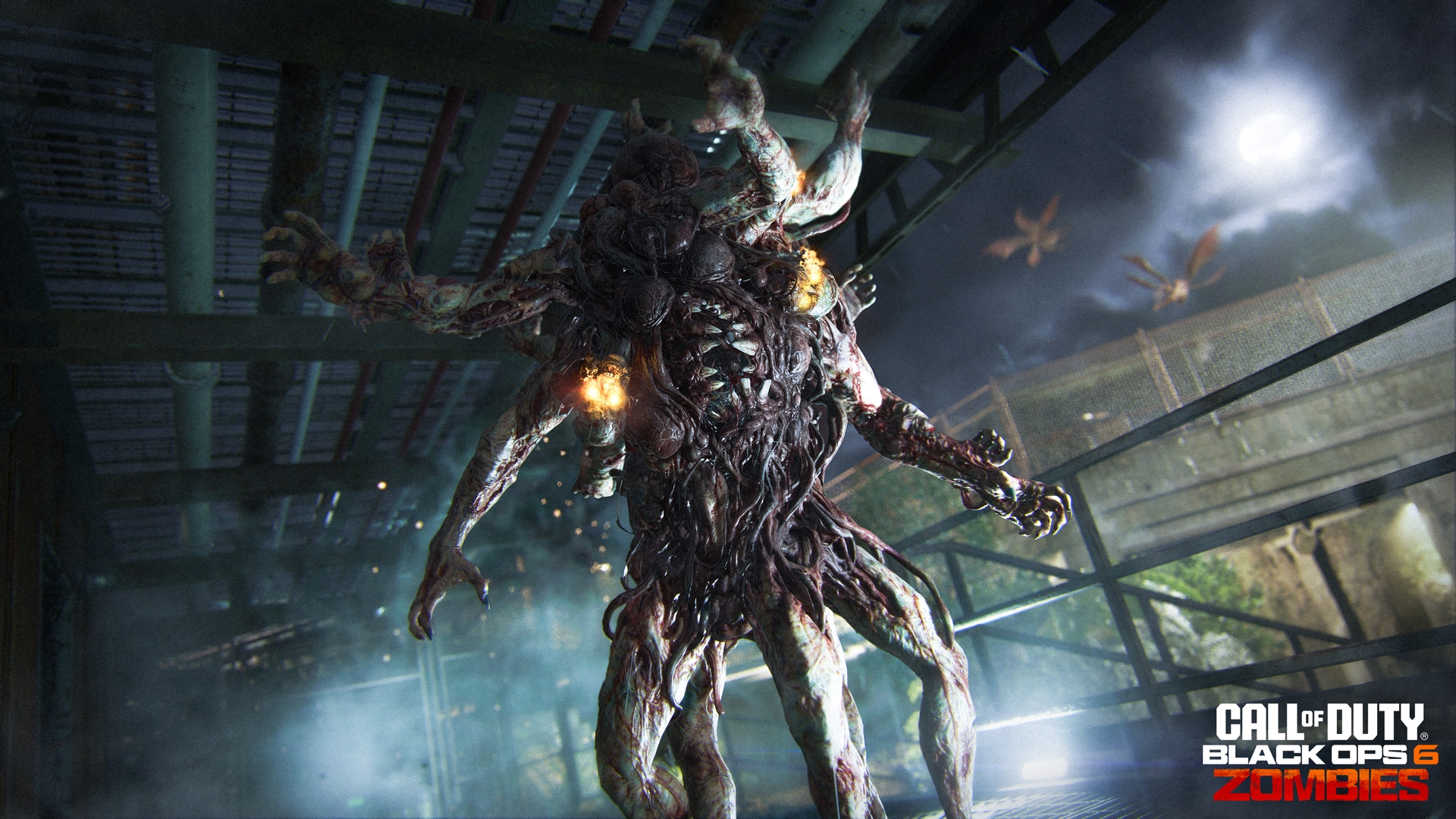
New to the technical roster in Black Ops 6 is the Amalgam. This entity is a marvel of modern creature design, consisting of multiple fused bodies. From a programming perspective, the Amalgam uses a “Multi-Joint Rigging” system that allows it to interact with the environment in ways standard zombies cannot.
The Amalgam is classified as a Special Zombie because of its unique AI behavior, which includes a “Grapple and Pull” mechanic. The engine must track the spatial coordinates of the player and the Amalgam’s limbs simultaneously to execute these moves. Because of this increased computational requirement and its higher health pool, the Amalgam is a high-value Special target for players seeking to optimize their XP gain per minute.
Vermin and Parasites: Swarm Intelligence and Pathfinding
While the larger enemies often get the most attention, the BO6 engine also classifies certain “swarm” entities as Special Zombies depending on the specific map context. Vermin (often depicted as fast-moving, mutated hounds or insectoid creatures) utilize a “Flanking Pathfinding” script. Unlike standard zombies that move in a direct line toward the player, Vermin are programmed to seek out the player’s periphery. This distinct AI routine differentiates them from the “Normal” horde, often landing them in the Special category for the purpose of weapon mastery tracking.
Technical Strategies for Handling High-Level Threats
Effectively managing Special Zombies requires an understanding of the game’s underlying combat mathematics. Success in BO6 Zombies is often a result of optimizing the “Time-to-Kill” (TTK) against these mid-tier threats.
Damage Scaling and Critical Hit Box Optimization
Every Special Zombie has a specific “Critical Hit Box” that interacts differently with the game’s damage formulas. For the Mangler, the head remains a critical point, but the arm cannon acts as a secondary high-value target. The engine calculates “Damage Drop-off” based on the weapon type—shotguns may have high raw data output but suffer from a lack of precision against Special entities at range.
Players looking to exploit the game’s mechanics should focus on “Bullet Penetration” stats. Special Zombies often have higher “Armor Values” (AV). To bypass this, the software looks for the “Armor Piercing” tag on the player’s weapon or ammunition, which applies a multiplier to the base damage, negating the Special Zombie’s inherent defensive buffs.
The Role of Field Upgrades and Ammo Mods in Entity Suppression
The technical interplay between player “Field Upgrades” and Special Zombies is a core component of the BO6 meta. For instance, the “Dead Wire” ammo mod applies a “Stun State” to enemies. However, the game code grants Special Zombies a “Status Resistance” percentage.
While a standard zombie might be stunned for five seconds, a Special Zombie like the Amalgam might only be suppressed for two seconds. Understanding these technical cooldowns allows players to cycle their abilities efficiently. When a Special Zombie spawns, the game’s UI often provides subtle audio-visual cues; reacting to these cues with the correct elemental counter (e.g., using fire-based damage against flesh-heavy Amalgams) utilizes the game’s internal “Weakness Table” to maximize efficiency.
The Evolution of Zombie AI: From Scripted Paths to Dynamic Behavior
The classification of Special Zombies in BO6 is a testament to the evolution of game AI. In earlier iterations of the franchise, “Special” enemies were often just standard zombies with more health. In the current iteration, the technical depth has increased significantly.
Improved Spatial Awareness in BO6
The BO6 engine utilizes “NavMesh” (Navigation Mesh) technology that allows Special Zombies to navigate complex verticality. If a player uses a “Zipline” or jumps from a balcony, Special Zombies are programmed to calculate the most efficient intercept path, rather than simply following the player’s trail. This “Spatial Intelligence” is what makes them a distinct technical class. The engine must dedicate more CPU cycles to these entities to ensure they provide a consistent challenge without “glitching” or getting stuck in the geometry.
Server-Side Processing vs. Client-Side Rendering
In online play, the “Special Zombie” status is managed by the server to ensure synchronization across all players in a match. While the “Normal” zombies are often handled with lighter interpolation to save bandwidth, Special Zombies receive “High-Priority Networking” status. This ensures that their complex attacks—like the Mangler’s cannon blast—are accurately synced. When a player sees a “Special Zombie Kill” notification, it is the result of a successful server-side handshake confirming that the player’s client-side input correctly depleted the server-side health pool of that specific entity ID.

Conclusion: Why Classification Matters
Understanding “what counts as a Special Zombie in BO6” is more than a gameplay tip; it is an insight into the technical architecture of one of the world’s most popular software engines. By recognizing that Manglers, Amalgams, and Vermin are distinct data entities with unique AI routines and damage tables, players can better navigate the game’s progression systems.
As gaming technology continues to advance, the line between “Normal” and “Special” AI will likely continue to blur. However, in the current technical framework of Black Ops 6, mastering the Special Zombie tier remains the gateway to high-level mastery. Whether you are a developer interested in AI archetypes or a player aiming for that elusive “Dark Matter” camo, respecting the technical distinction of these entities is the key to conquering the horde.
aViewFromTheCave is a participant in the Amazon Services LLC Associates Program, an affiliate advertising program designed to provide a means for sites to earn advertising fees by advertising and linking to Amazon.com. Amazon, the Amazon logo, AmazonSupply, and the AmazonSupply logo are trademarks of Amazon.com, Inc. or its affiliates. As an Amazon Associate we earn affiliate commissions from qualifying purchases.