
In the landscape of modern technology, we often take for granted the seamless flow of electricity that powers our lives. From the sleek smartphone in your pocket to the massive data centers fueling the global internet, electricity is the lifeblood of the digital age. However, electricity is not a monolithic force. It exists in two primary forms: Direct Current (DC) and Alternating Current (AC). The bridge between these two—the device that converts DC to AC—is the power inverter.
Understanding how an inverter works is not just a lesson in basic physics; it is a deep dive into the engineering marvels that enable renewable energy, electric vehicles, and mobile computing. As we move toward a more sustainable and tech-integrated future, the role of power conversion technology has become more critical than ever.
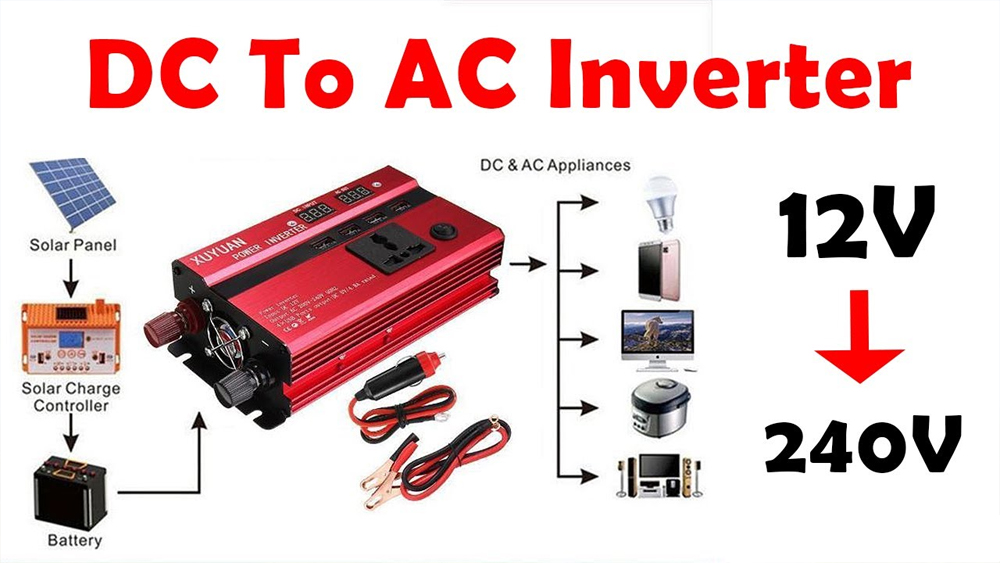
The Fundamental Physics of Power Conversion
To understand what converts DC to AC, we must first understand the fundamental difference between the two types of current. In the world of technology, these two forms of energy serve very different purposes, and the ability to switch between them is what allows our complex ecosystem of gadgets to function.
Direct Current (DC) vs. Alternating Current (AC)
Direct Current is electricity that flows in a single, constant direction. Think of it like a steady stream of water flowing through a pipe. This is the type of power stored in batteries, generated by solar panels, and used by nearly all internal electronic circuits (like the motherboard of your computer).
Alternating Current, on the other hand, changes direction periodically, oscillating back and forth. This is the type of power that comes out of your wall outlets. AC is the standard for national power grids because it is significantly more efficient to transmit over long distances at high voltages.
The Role of the Power Inverter
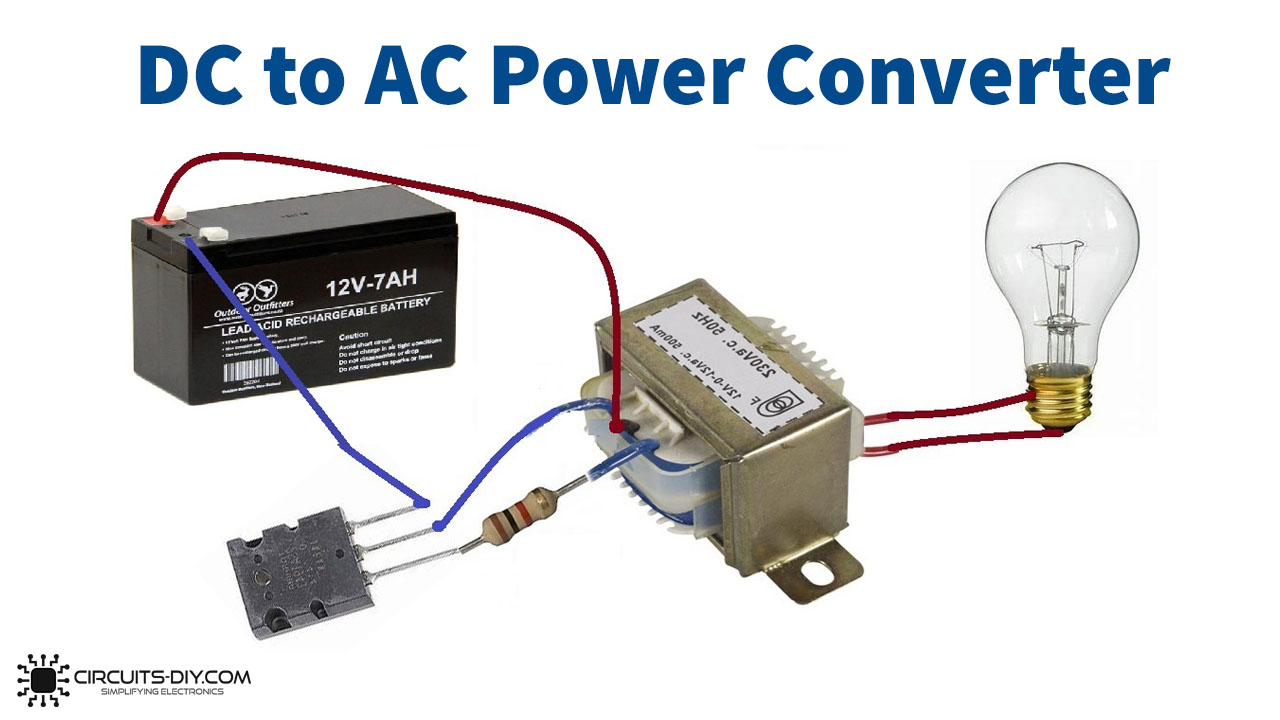
The power inverter is the technological “translator” in this equation. While a rectifier converts AC to DC (like the “brick” on your laptop charger), an inverter does the opposite. It takes the steady, one-way flow of DC and “chops” it, flips it, and smoothes it out until it mimics the oscillating waves of AC. This allows you to use battery-stored energy to power household appliances or feed solar energy back into the municipal power grid.
How Modern Inverters Work: From Pulse Width Modulation to Pure Sine Waves
The conversion from a flat line of DC to a rhythmic wave of AC is a complex feat of electrical engineering. Early inverters were mechanical and inefficient, but modern solid-state technology has turned them into highly sophisticated pieces of hardware.
The Mechanics of the Switching Circuit
At its core, an inverter works by using high-speed electronic switches. Imagine a manual switch that you flip back and forth dozens of times per second. By reversing the direction of the DC flow rapidly, you create a crude version of alternating current. In modern tech, these “switches” are actually transistors—specifically MOSFETs (Metal-Oxide-Semiconductor Field-Effect Transistors) or IGBTs (Insulated-Gate Bipolar Transistors)—which can switch on and off thousands of times per second.
Pure Sine Wave vs. Modified Sine Wave
Not all AC power is created equal. If you look at the output of a basic, inexpensive inverter on an oscilloscope, you might see a “Square Wave” or a “Modified Sine Wave.” These look like jagged stairs. While okay for simple tools, this “dirty” power can damage sensitive electronics like medical equipment or high-end audio gear.
High-end tech requires a “Pure Sine Wave.” This is a smooth, continuous wave that perfectly replicates the power delivered by the utility company. Achieving this requires complex filtering and sophisticated control algorithms to ensure that the jagged switching of the transistors is smoothed out into a perfect curve.
Pulse Width Modulation (PWM)
The secret sauce in modern inverter technology is Pulse Width Modulation. Instead of just flipping the power on and off, the inverter varies the width (the duration) of the pulses. By sending very short pulses at the beginning of the wave and longer pulses at the peak, the inverter can simulate the gradual rise and fall of a sine wave. This digital precision is what allows modern gadgets to run efficiently on battery-derived AC power.
Crucial Tech Applications: From Solar Arrays to Electric Vehicles
The technology that converts DC to AC is no longer confined to niche industrial use. It is now at the center of the most important technological shifts of the 21st century.
Grid-Tie and Off-Grid Solar Systems
Solar panels are inherently DC devices. However, the appliances in your home and the wires in the street run on AC. The solar inverter is the most intelligent part of a solar installation. Beyond just converting power, “Smart Inverters” track the maximum power point of the panels (MPPT) to ensure efficiency and synchronize their AC output with the exact frequency of the power grid to prevent electrical interference.
The Backbone of Electric Vehicle (EV) Propulsion
Perhaps the most high-tech application of inverters today is in the Electric Vehicle industry. EVs store energy in massive DC battery packs. However, the most efficient motors for driving a car are AC induction motors or permanent magnet synchronous motors.
Inside a Tesla or a Rivian, a high-performance inverter takes the DC from the battery and converts it into a variable-frequency AC signal. By changing the frequency of the AC, the car’s computer can precisely control the speed and torque of the motor, providing that instant acceleration and regenerative braking that has defined the modern EV experience.
Uninterruptible Power Supplies (UPS) for Data Centers
In our digital-first economy, data centers cannot afford even a millisecond of downtime. When the grid fails, these facilities rely on massive banks of batteries. A UPS uses an inverter to instantaneously convert that battery DC back into AC to keep servers running. The “Tech” here involves sub-millisecond switching speeds, ensuring that the hardware doesn’t even “notice” the transition from grid power to battery power.
The Future of Conversion Technology: Gallium Nitride (GaN) and Smart Inverters
As we demand more power in smaller packages, the technology behind DC-to-AC conversion is undergoing a radical transformation. We are moving away from traditional silicon-based components toward more exotic materials.
The Rise of GaN Semiconductors
Gallium Nitride (GaN) is the new frontier in power electronics. Compared to traditional silicon, GaN-based inverters are significantly more efficient, can handle higher voltages, and operate at much higher temperatures. For consumers, this means smaller “bricks” for electronics and more compact inverters for home backup systems. In the tech industry, GaN is touted as the key to making power conversion nearly 100% efficient, reducing the heat waste that currently plagues large-scale electrical systems.
IoT Integration and Smart Grid Management
The inverters of the future are not just power converters; they are edge-computing devices. Modern inverters are now equipped with Wi-Fi and Bluetooth, connecting to the Internet of Things (IoT). These “Smart Inverters” can communicate with the utility company to stabilize the grid during peak demand.
For example, if thousands of homes have smart inverters connected to home batteries, the utility company can “ask” those inverters to feed AC power back into the grid for a few minutes to prevent a blackout. This transformation of the inverter from a “dumb” electrical component into a networked “smart” device is a hallmark of the modern tech evolution.

Conclusion
The question of “what converts DC to AC” may have a simple answer—the inverter—but the technology behind that answer is anything but simple. It is a sophisticated dance of high-speed switching, digital signal processing, and advanced material science.
As we continue to digitize our world and transition toward renewable energy, the inverter remains the unsung hero of our technological infrastructure. Whether it is enabling the flight of a drone, the drive of an electric car, or the resilience of a solar-powered home, the ability to manipulate the very nature of electricity is one of the greatest achievements of modern engineering. In the coming decade, as GaN technology and AI-driven grid management become the norm, the humble inverter will only become more central to how we live, work, and stay connected.
aViewFromTheCave is a participant in the Amazon Services LLC Associates Program, an affiliate advertising program designed to provide a means for sites to earn advertising fees by advertising and linking to Amazon.com. Amazon, the Amazon logo, AmazonSupply, and the AmazonSupply logo are trademarks of Amazon.com, Inc. or its affiliates. As an Amazon Associate we earn affiliate commissions from qualifying purchases.