
The landscape of professional employment is undergoing a seismic shift, driven largely by the evolution of the technology sector. As the global economy pivots toward digital-first models, the traditional metrics of employee “readiness”—which historically included rigorous pre-employment drug screening—are being replaced by a focus on cognitive output, technical proficiency, and cultural alignment. In the tech industry, the question of “what companies don’t drug test” is no longer just a curiosity for job seekers; it is a reflection of a profound change in how software, AI, and digital infrastructure are built.
From the sprawling campuses of Mountain View to the decentralized networks of remote-first startups, the tech niche has led the charge in dismantling legacy HR protocols. This evolution is rooted in a fundamental understanding that in a competitive market for specialized talent, rigid compliance-based barriers often hinder innovation.
The Cultural Shift in Tech: Prioritizing Output Over Compliance
The departure from mandatory drug testing in the tech world is not merely a policy change; it is a byproduct of the industry’s unique philosophy regarding work. Unlike manufacturing or transportation, where physical safety is the primary KPI, the tech sector operates on a “Results Only Work Environment” (ROWE).
The “Results Only” Work Environment (ROWE)
In software development and AI research, the value of an employee is measured by the elegance of their code, the stability of their deployments, and their ability to solve complex architectural problems. Companies like Google and Meta have historically recognized that a developer’s private lifestyle choices are secondary to their ability to contribute to a high-velocity product roadmap. This shift toward performance-based evaluation means that as long as a software engineer hits their sprint goals and maintains high-quality output in GitHub or GitLab, the traditional oversight of their biochemistry is seen as an unnecessary intrusion.
Attracting Top-Tier Software Engineering Talent
The “War for Talent” is a defining characteristic of the tech niche. To attract the world’s best data scientists, cybersecurity experts, and full-stack developers, companies must offer more than just a high salary; they must offer a culture of autonomy. Many of the most brilliant minds in tech have moved to regions where lifestyle choices are more liberal. By removing drug testing from the onboarding process, tech firms signal that they trust their employees’ judgment. This trust is a powerful branding tool for recruiting, positioning the company as a “forward-thinking” and “modern” workplace that respects individual privacy.
High-Profile Tech Companies Leading the “No Test” Policy
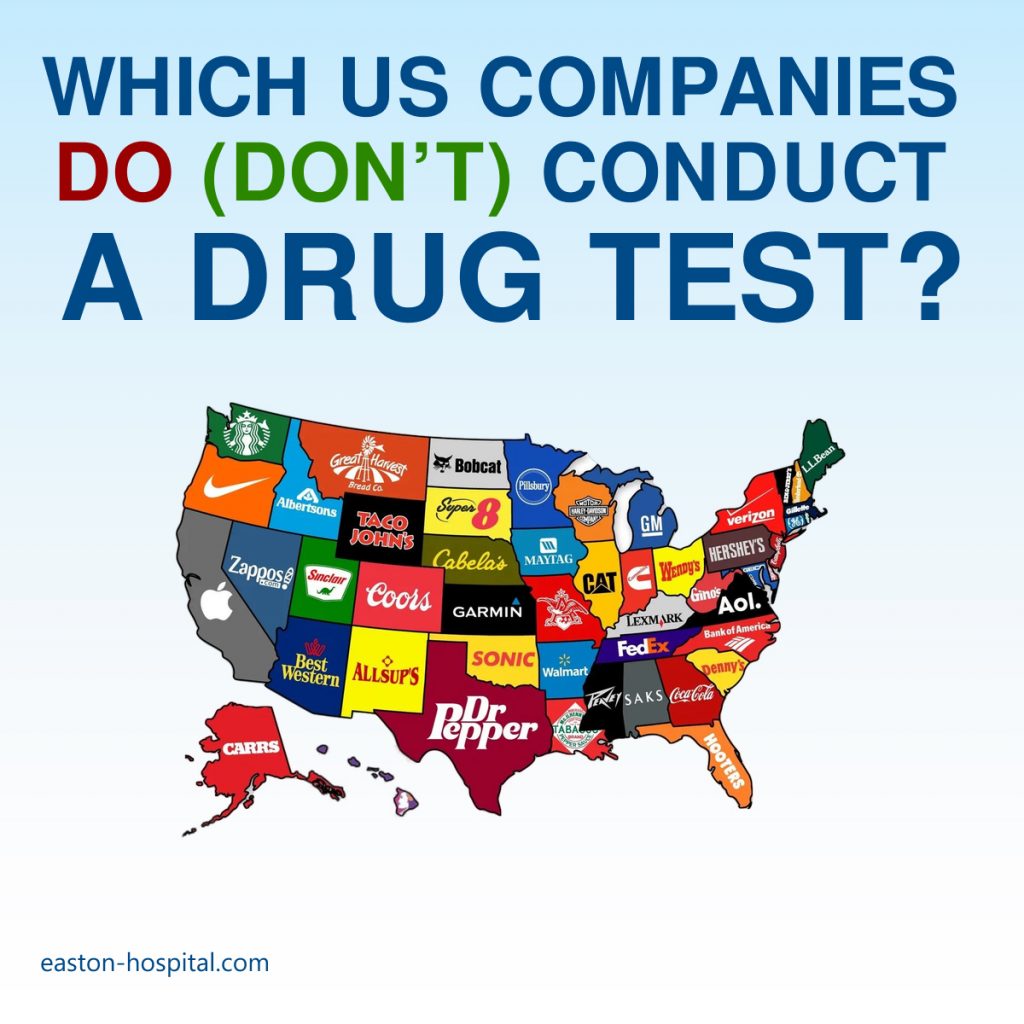
While the list of companies that do not drug test is constantly evolving, the trend is most visible among the industry’s heavyweights. For many of these firms, drug testing is only triggered by specific incidents or if required by federal contracts, rather than as a standard barrier to entry.
The Big Tech Approach: Google, Apple, and Microsoft
For decades, these giants have maintained a reputation for focusing on “brainpower.” Standard pre-employment drug testing for non-safety-sensitive roles (like software engineering, marketing, and product management) is largely non-existent at Google and Apple. Microsoft, similarly, focuses on the integrity of the work. In 2021, Amazon—the world’s second-largest private employer—made waves by announcing it would no longer screen for marijuana for any positions not regulated by the Department of Transportation. This move was a pragmatic response to the tightening labor market and the shifting legal landscape, but it also solidified Amazon’s pivot toward a more modern tech-centric HR model.
Startups and the Disruption of HR Protocols
For early-stage startups and “Unicorn” companies (like Stripe, Airbnb, or Coinbase), the overhead costs and logistical friction of drug testing are often viewed as a “innovation tax.” These companies move at a speed that traditional corporate structures cannot match. In the world of SaaS (Software as a Service) and Fintech, the onboarding process is optimized for speed. Implementing a drug test can delay a hire by a week or more—a lifetime in a competitive hiring cycle. Consequently, these companies rely on peer reviews, technical assessments, and rigorous interviewing rather than lab results.
The Impact of Remote Work and Digital Nomadism
The rise of remote-first technology companies has effectively killed the traditional drug test. When a company’s workforce is distributed across forty different states and five countries, maintaining a centralized drug-testing protocol is nearly impossible. Companies that utilize tools like Slack, Zoom, and Jira to manage global teams find that physical oversight is irrelevant. In this decentralized model, the “test” is the daily stand-up meeting and the weekly pull request.
Navigating the Legal and Security Realities of Tech Employment
Despite the industry’s liberal trend, there are specific sectors within the tech niche where drug testing remains a reality. Understanding these nuances is essential for any professional navigating the digital economy.
Federal Contracts vs. Private Innovation
The most significant exception to the “no drug test” trend occurs when tech meets government. Companies like Palantir, SpaceX, and Northrup Grumman, which hold significant defense and federal contracts, are often bound by the Drug-Free Workplace Act of 1988. If a software engineer is working on a project that requires a security clearance or involves sensitive national infrastructure, federal law mandates a stricter adherence to traditional screening. For these “GovTech” roles, the security of the digital assets is viewed through a lens of national safety, requiring a level of vetting that goes beyond the standard private-sector tech role.
Digital Security and the Human Element
In the realm of cybersecurity, the “Human Element” is often considered the weakest link. While many cybersecurity firms have abandoned drug testing to attract “white hat” hackers and security researchers, some firms maintain testing as part of a broader “reliability” check. The logic here is not necessarily moralistic; it is about risk mitigation. In roles where employees have access to millions of users’ private data or high-level encryption keys, companies may use various screening methods to ensure that their staff is not susceptible to external pressures or compromised decision-making.
Future Trends: AI-Driven Performance Monitoring vs. Substance Testing
As we look toward the future of the tech industry, the very concept of a “drug test” is becoming an archaic relic. Technology itself is providing better ways to ensure employee performance and safety.
The End of the Urine Sample?
The traditional urine-based drug test is a “lagging indicator”—it tells an employer what someone did last weekend, not how they are performing right now. Modern tech companies are more interested in “leading indicators.” We are seeing the rise of cognitive assessment tools and “game-ified” performance tests that measure reaction time, focus, and cognitive load in real-time. If a developer’s productivity drops or their error rate in their code increases, AI-driven analytics tools will flag the performance dip long before a quarterly drug test ever would.
Building a Brand Based on Trust and Autonomy
The companies that choose not to drug test are making a strategic brand decision. They are branding themselves as “high-trust environments.” In the tech world, autonomy is the ultimate currency. By removing the threat of random or pre-employment testing, companies are betting that their employees will act as responsible professionals. This culture of autonomy often leads to higher employee retention, better mental health, and more creative problem-solving. It shifts the power dynamic from “Employer vs. Employee” to “Partners in Innovation.”
The Role of Automation and AI
As more routine tasks are automated, the roles left for humans in the tech sector are increasingly high-level and creative. You cannot automate the creativity required to design a new neural network architecture or the empathy required for high-level UX design. Because these are inherently “human” skills that thrive under conditions of freedom and psychological safety, the rigid constraints of 20th-century HR policies are being discarded. The tech industry recognizes that to build the future, they need people who are valued for their minds, not their compliance.
In conclusion, the trend of tech companies abandoning drug testing is a logical outcome of the industry’s focus on software, speed, and specialized talent. As the digital economy continues to expand, the focus will remain squarely on what an employee can build, secure, and innovate—making the traditional drug test an increasingly irrelevant footnote in the history of human resources. Whether you are a developer looking for your next role at a FAANG giant or a startup founder building the next big app, the message is clear: in the modern tech landscape, performance is the only test that truly matters.
aViewFromTheCave is a participant in the Amazon Services LLC Associates Program, an affiliate advertising program designed to provide a means for sites to earn advertising fees by advertising and linking to Amazon.com. Amazon, the Amazon logo, AmazonSupply, and the AmazonSupply logo are trademarks of Amazon.com, Inc. or its affiliates. As an Amazon Associate we earn affiliate commissions from qualifying purchases.