
In the rapidly evolving landscape of smart homes, integrated hardware, and high-speed networking, the physical infrastructure that powers our digital lives remains grounded in a complex system of cables and conductors. For tech enthusiasts, DIY smart-home installers, and hardware engineers, understanding “what colour wire is common” is more than a matter of curiosity—it is a fundamental requirement for safety, compatibility, and system integrity. While the term “common wire” is most frequently associated with HVAC systems and smart thermostats, the concept of standardized wire coloring extends deep into the realms of data transmission, power supply units (PSUs), and internal computing hardware.
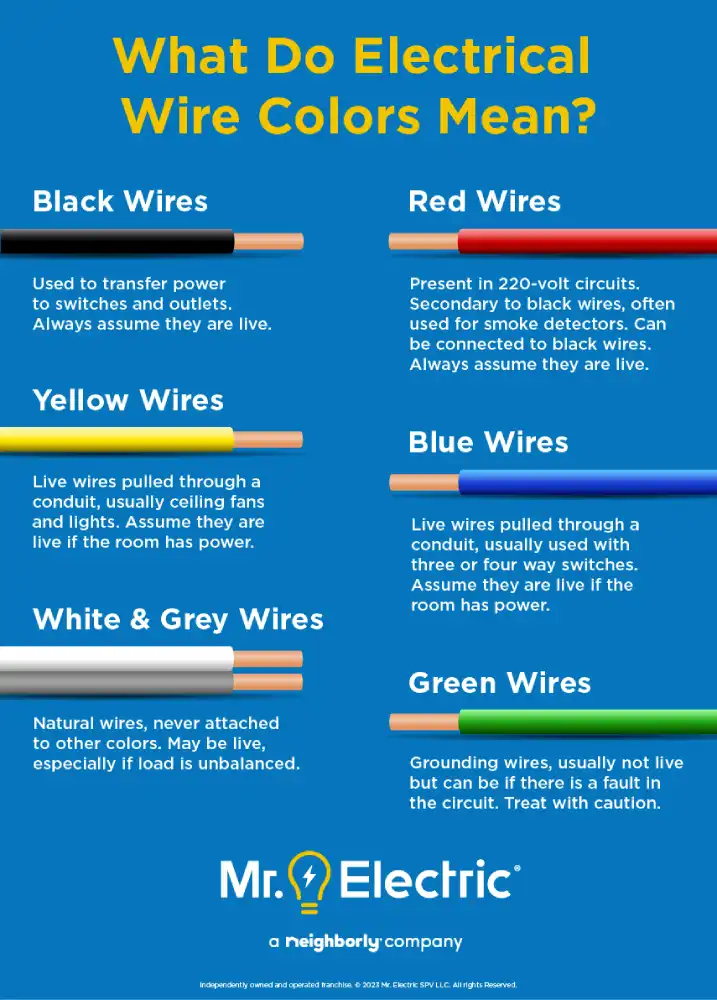
This guide explores the technical standards of wire coloring across the most prevalent sectors of modern technology, providing a comprehensive roadmap for navigating the “circulatory system” of our digital environment.
The Foundation of Smart Home Tech: Understanding the C-Wire
The most frequent intersection of the average consumer and the “common wire” occurs during the installation of smart home ecosystems. As we transition from legacy analog systems to Wi-Fi-enabled, touch-screen interfaces, the demands on our home’s internal wiring have shifted significantly.
The Role of the C-Wire in IoT Infrastructure
In the context of a smart thermostat (like those from Nest, Ecobee, or Honeywell), the “common wire” or “C-wire” is a dedicated line that provides continuous 24V AC power to the device. Unlike older mechanical thermostats that acted as simple switches, modern smart devices require a constant stream of electricity to maintain Wi-Fi connectivity, power high-resolution displays, and run background algorithms.
In most North American HVAC standards, the C-wire is typically blue or black, though color coding can vary by installer. The C-wire completes the electrical circuit, allowing power to flow from the transformer to the thermostat and back again. Without this “common” return path, smart devices would have to rely on batteries or “power-stealing” techniques that can lead to hardware instability or damage to the HVAC control board.
Identifying Standards Across Jurisdictions
Technological standards are rarely global, and wiring is no exception. In North America, the National Electrical Code (NEC) sets the precedent. However, tech professionals working on international hardware must be aware of IEC (International Electrotechnical Commission) standards used across Europe and parts of Asia.
- North America (AC Power): The common (neutral) wire is typically White or Grey.
- Europe (AC Power): The neutral wire is strictly Blue.
Identifying these colors correctly is the first step in ensuring that sensitive smart hardware is not fried by a phase-to-ground short circuit during a botched installation.
Data Transmission Standards: The Technicolor World of Ethernet
While power wiring focuses on safety and load, data wiring focuses on signal integrity and noise reduction. When we talk about “common” wires in networking, we refer to the standardized color-coding schemes used in twisted-pair cabling, such as CAT6 or CAT7.
T568A vs. T568B: The Networker’s Language
In the world of IT infrastructure, the “common” way to wire an RJ45 connector follows one of two standards: T568A or T568B. These standards dictate the order of the eight color-coded wires inside an Ethernet cable.
- T568B (The Industry Standard): This is the most common configuration used in modern tech environments. It begins with the Orange/White stripe wire, followed by solid Orange, Green/White stripe, Blue, Blue/White stripe, Green, Brown/White stripe, and finally solid Brown.
- The Logic of Twisting: These wires are colored to help technicians identify pairs. In networking tech, the “common” thread is that each solid color wire is twisted with its striped counterpart. This twisting is a technological marvel that uses differential signaling to cancel out electromagnetic interference (EMI), allowing data to travel at gigabit speeds without corruption.
Fiber Optic Color Coding
As we move toward high-speed fiber-to-the-home (FTTH) and data center tech, the wiring shifts from copper to glass. Fiber optics use a completely different “common” color code known as the TIA-598-C standard. In a multi-fiber cable, the first fiber is Blue, the second is Orange, and the third is Green. This 12-color sequence is vital for network engineers who must splice microscopic glass strands to ensure global connectivity. Understanding these colors is the difference between a functional city-wide network and a massive digital outage.
Internal Hardware: Powering the Modern PC and Gadgetry
For those involved in hardware repair or custom PC building, wire colors serve as a diagnostic language. Inside a computer’s Power Supply Unit (PSU) or within custom circuit boards, specific colors are strictly mapped to specific voltages.
ATX Power Supply Standards
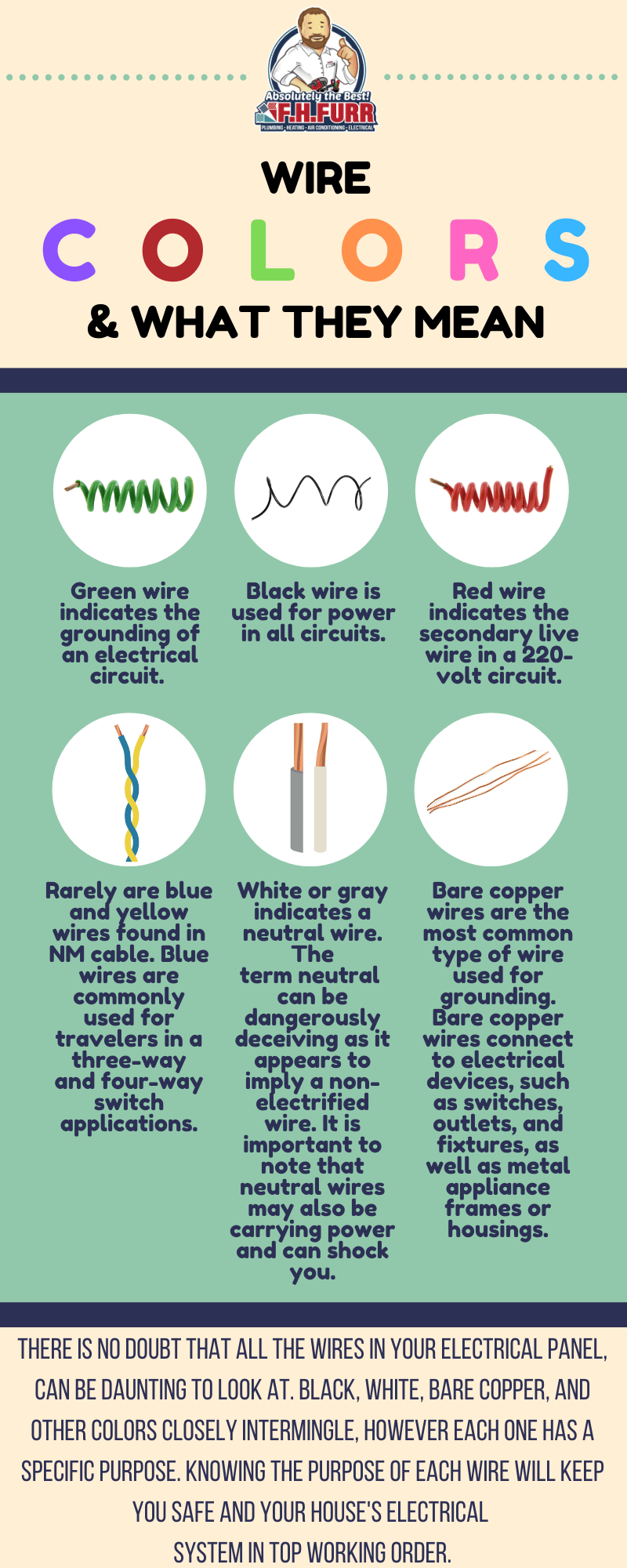
The “common” wires in a computer system are the Black wires. In a standard ATX power supply, Black always represents Ground (COM). Every other voltage rail—whether it is +3.3V, +5V, or +12V—requires a path back to this common ground to complete the circuit.
- Yellow (+12V): Powering the GPU and CPU—the most power-hungry components.
- Red (+5V): Powering logic circuits and older storage devices.
- Orange (+3.3V): Powering the motherboard’s sophisticated chipset.
Knowing that Black is the common ground allows tech hobbyists to use a multimeter to test for “rail sag” or power fluctuations that could lead to system crashes or hardware failure.
DC Power and Small Electronics
In the realm of mobile tech and small gadgets, DC (Direct Current) is king. The “common” convention here is almost universally Red for Positive (+) and Black for Negative/Common (-). However, as devices become more compact, internal ribbon cables are replacing colored wires. In these cases, tech professionals must rely on “pinouts”—digital maps that identify which specific path serves as the common ground. The shift from physical color-coding to digital pin mapping represents the ongoing miniaturization of the tech industry.
The Future of Connectivity: From Color Codes to Protocols
As we look toward the future of technology, the physical color of a wire is becoming less important than the digital protocol it carries. We are entering an era of “Software Defined Hardware” where the physical medium is increasingly standardized and simplified.
USB-C: The Universal Commonality
The rise of USB-C is perhaps the greatest advancement in “common” wiring. For decades, tech was a mess of proprietary wires—different colors and different connectors for every phone, laptop, and peripheral. USB-C uses a 24-pin configuration where the “common” ground pins are located at the edges (GND). Because the connector is reversible, the hardware uses a “Configuration Channel” (CC) wire to negotiate power and data roles. In this tech-driven future, we are moving away from needing to know “what colour wire is common” because the smart chips inside our cables do the identification for us.
Wireless “Wiring” and the Decline of Physical Conductors
With the advancement of Wi-Fi 7, Bluetooth 5.4, and Thread/Matter protocols, the most “common” wire in tech is increasingly no wire at all. In smart homes, battery-powered sensors use wireless protocols to communicate with hubs, eliminating the need for C-wires or data lines. However, even in a wireless world, the “common ground” remains a theoretical necessity for the internal circuitry of these devices. The tech industry continues to strive for a balance between the reliability of physical wiring and the convenience of wireless transmission.

Conclusion: The Vital Importance of Technical Literacy
Understanding the commonalities in wiring—whether it is the blue C-wire of a thermostat, the black ground of a PC, or the T568B sequence of a network—is a vital skill in the digital age. As technology becomes more integrated into our homes and businesses, the ability to decode the physical layers of our infrastructure ensures that we can maintain, upgrade, and innovate within our digital ecosystems.
While the “common” wire may vary in color depending on the application—White for AC mains, Black for DC electronics, or Blue for HVAC—its purpose remains identical: to provide a return path and complete the circuit of innovation. For the modern tech professional, these colors are not just aesthetic choices; they are the standardized language of a connected world. By respecting these standards, we ensure that the gadgets and networks we rely on every day continue to run safely, efficiently, and without interruption.
aViewFromTheCave is a participant in the Amazon Services LLC Associates Program, an affiliate advertising program designed to provide a means for sites to earn advertising fees by advertising and linking to Amazon.com. Amazon, the Amazon logo, AmazonSupply, and the AmazonSupply logo are trademarks of Amazon.com, Inc. or its affiliates. As an Amazon Associate we earn affiliate commissions from qualifying purchases.