
In the world of brand strategy, color is never just an aesthetic choice; it is a psychological trigger, a silent communicator, and a powerful tool for market positioning. When we ask, “What color is autumn?” we are not merely discussing the changing pigments of deciduous leaves. From a branding perspective, we are examining a sophisticated palette of trust, maturity, and transition.
Autumnal branding represents a shift from the high-energy, neon vibrancy of summer to a grounded, sophisticated, and earthy spectrum. For corporations and personal brands alike, understanding the “color of autumn” means mastering the art of warmth, reliability, and the “harvest” mindset—aligning a brand’s visual identity with the consumer’s deep-seated desire for comfort and preparation as the year draws to a close.
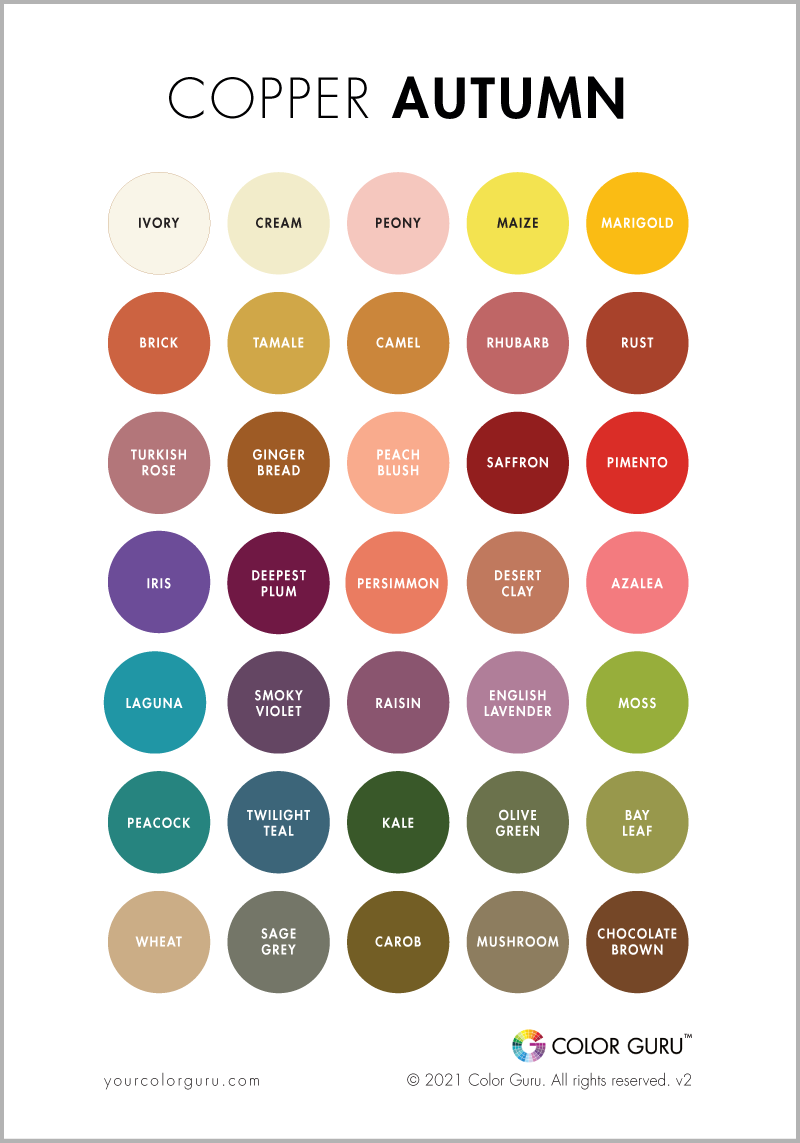
The Psychology of the Autumnal Palette in Branding
The colors of autumn—burnt orange, deep burgundy, forest green, and mustard yellow—carry profound psychological weight. Unlike the frantic energy of spring or the stark coolness of winter, autumn colors suggest a brand that is established, organic, and reliable.
Warmth, Trust, and Reliability: The Power of Earth Tones
At the heart of the autumn palette are earth tones. Browns and muted tans are often overlooked in modern tech branding, but in the realm of corporate identity, they signify stability. A brand that leans into these hues communicates that it is “grounded.”
Psychologically, brown is associated with the earth and resilience. When a brand utilizes terracotta or copper, it bridges the gap between luxury and accessibility. It suggests a “heritage” feel, implying that the company has weathered many seasons and remains a steadfast partner for the consumer. This is particularly effective for brands in the artisanal, organic, and financial consulting sectors where trust is the primary currency.
Sophistication and Depth: The Role of Burgundies and Forest Greens
As we move deeper into the autumnal spectrum, we encounter the “jewel tones” of the harvest. Deep reds (burgundy, maroon) and dark greens (forest, emerald) evoke a sense of premium quality and tradition.
In brand design, these colors are used to signify “premium maturity.” While bright red screams “sale” or “urgency,” a deep autumnal wine color whispers “quality” and “longevity.” Forest green, meanwhile, moves away from the “growth” associations of spring green toward an association with “endurance.” For a brand strategy, these colors attract a demographic that values substance over flashiness, positioning the brand as an authority within its niche.
Strategic Implementation: Why Brands “Turn Gold” in Q4
The transition into autumn is not just a change in the weather; it is the beginning of the most lucrative quarter for many businesses. Strategic branding involves aligning a company’s visual output with the shifting moods of its audience.
Aligning with Consumer Sentiment and “Hygge”
As the days grow shorter, consumer behavior shifts toward the concept of “Hygge”—a Danish word for a quality of coziness and comfortable conviviality that engenders a feeling of contentment. Brands that adopt autumnal color strategies tap into this emotional shift.
By integrating amber, gold, and soft oranges into their marketing collateral, brands create a “nurturing” environment. This is a deliberate move in brand strategy to lower consumer stress and increase the time spent engaging with the brand. Whether it is through social media filters, website banners, or limited-edition packaging, the “color of autumn” serves as a visual invitation to slow down and invest in comfort.
The “Harvest” Metaphor in Marketing
Autumn is traditionally the season of the harvest—a time to reap the rewards of labor. Brands often use this period to highlight their results and case studies. Using a harvest-inspired palette (golds, wheats, and deep yellows) reinforces the narrative of success and abundance.
In corporate identity, this is the time for “Annual Reviews” and “Year-End Summaries.” By utilizing the gold and ochre tones of autumn, brands visually celebrate their milestones. It signals to stakeholders that the brand is in its “fruitful” stage, fostering a sense of pride and security among investors and long-term clients.

Visual Identity and Design Systems for the Modern Brand
Translating “autumn” into a design system requires more than just picking a shade of orange. It requires a nuanced understanding of texture, typography, and contrast to ensure the brand remains modern and doesn’t fall into the trap of looking “dated.”
Typography and Texture: Bringing the Harvest Home
When a brand adopts an autumnal color palette, the typography must follow suit. Serifs often work better than sans-serifs in this context, as they carry a historical weight that complements the maturity of the colors.
Furthermore, “autumnal” branding is heavily reliant on texture. In digital design, this might mean using subtle grain overlays or paper-like backgrounds that evoke the feeling of dry leaves or wool blankets. In physical brand strategy—such as packaging—this involves choosing matte finishes over gloss. A matte, deep-orange box feels more “autumnal” and premium because it absorbs light rather than reflecting it, mimicking the soft, diffused light of an October afternoon.
Accessibility and Digital Contrast
One of the challenges of using an autumnal palette is maintaining accessibility in digital design. Dark browns and deep oranges can sometimes fail contrast checks if not balanced correctly.
Strategic designers use “creams” and “parchment” whites instead of stark, clinical whites to maintain the warm aesthetic while ensuring readability. By utilizing a “cream-on-chocolate” or “gold-on-charcoal” color scheme, a brand can maintain its seasonal identity without sacrificing the user experience (UX). This level of detail in a design system demonstrates a brand’s commitment to inclusivity and professional excellence.
Building Long-Term Brand Equity through Seasonal Transitions
While “what color is autumn” focuses on a specific period, the most successful brands understand how to transition their identity without losing their core essence. The goal is to evolve, not to reinvent.
Avoiding the “Cliché” Trap in Seasonal Branding
The greatest risk in autumnal branding is falling into clichés—specifically the over-reliance on leaf icons or pumpkin-related imagery. A sophisticated brand strategy focuses on the feeling of the color rather than the literal representation of the season.
Instead of showing a leaf, a high-end brand might use the color of a dried maple leaf in a minimalist, geometric pattern. This allows the brand to stay relevant to the season while maintaining its modern, professional edge. It’s about the “essence” of autumn—the warmth, the transition, and the richness—rather than a literal interpretation that might alienate a global audience that experiences the season differently.
Digital Branding vs. Physical Packaging
For brands with both a digital and physical presence, the “autumn” strategy must be cohesive across all touchpoints. In digital spaces, this often means subtle UI updates—changing call-to-action buttons from a summer teal to a harvest gold.
On physical packaging, this might involve “Seasonal Edition” wrappers that utilize the autumnal palette to create a sense of scarcity and urgency. This dual-pronged approach ensures that the brand identity feels “alive” and responsive to the real world. It tells the consumer that the brand is present in their current reality, sharing the same seasonal journey, which builds deep emotional brand equity over time.

Conclusion: The Timeless Philosophy of Autumnal Branding
Ultimately, the color of autumn is the color of transition. In branding, this represents a unique opportunity to pivot from the “growth” phase of the earlier months into a “consolidation” phase. By mastering the use of ochre, sienna, and deep evergreens, a brand can position itself as a source of warmth and wisdom in a crowded market.
Whether you are a personal brand looking to project maturity or a major corporation aiming to tap into the Q4 consumer psyche, the autumnal palette offers a rich, sophisticated toolkit. It is a reminder that the most effective brands are those that can harmonize with the natural rhythms of their audience, providing comfort, reliability, and a sense of “home” through the strategic application of color and design.
aViewFromTheCave is a participant in the Amazon Services LLC Associates Program, an affiliate advertising program designed to provide a means for sites to earn advertising fees by advertising and linking to Amazon.com. Amazon, the Amazon logo, AmazonSupply, and the AmazonSupply logo are trademarks of Amazon.com, Inc. or its affiliates. As an Amazon Associate we earn affiliate commissions from qualifying purchases.