
For decades, the advice given to hikers, travelers, and outdoor enthusiasts was based on anecdotal evidence: “Wear light colors to avoid mosquito bites.” However, as biotechnology and sensory computing have advanced, we have moved beyond folklore into a sophisticated understanding of how these vectors perceive the world. Today, the question of what color clothing attracts mosquitoes is no longer just a fashion concern; it is a critical intersection of material science, neural imaging, and predictive technology.
In the realm of modern tech, understanding the visual spectrum of a mosquito involves high-speed cameras, machine learning algorithms, and the development of “smart” fabrics. By leveraging these technologies, we can move beyond passive protection and into an era of data-driven apparel design.

The Bio-Tech Interface: Decoding Mosquito Vision through Neural Imaging
To understand which colors attract mosquitoes, we must first look at the technology used to map their sensory systems. Recent breakthroughs in neural imaging have allowed scientists to observe the brains of mosquitoes in real-time as they respond to different visual stimuli. This technological leap has shifted our understanding of how these insects navigate their environments.
Advanced Retinal Mapping and CO2 Integration
Research conducted at institutions like the University of Washington utilizes advanced tracking systems to monitor mosquito flight paths in wind tunnels equipped with 3D sensors. These studies have revealed that a mosquito’s visual system is “unlocked” by the presence of carbon dioxide (CO2). From a tech perspective, this is a multi-sensor integration system.
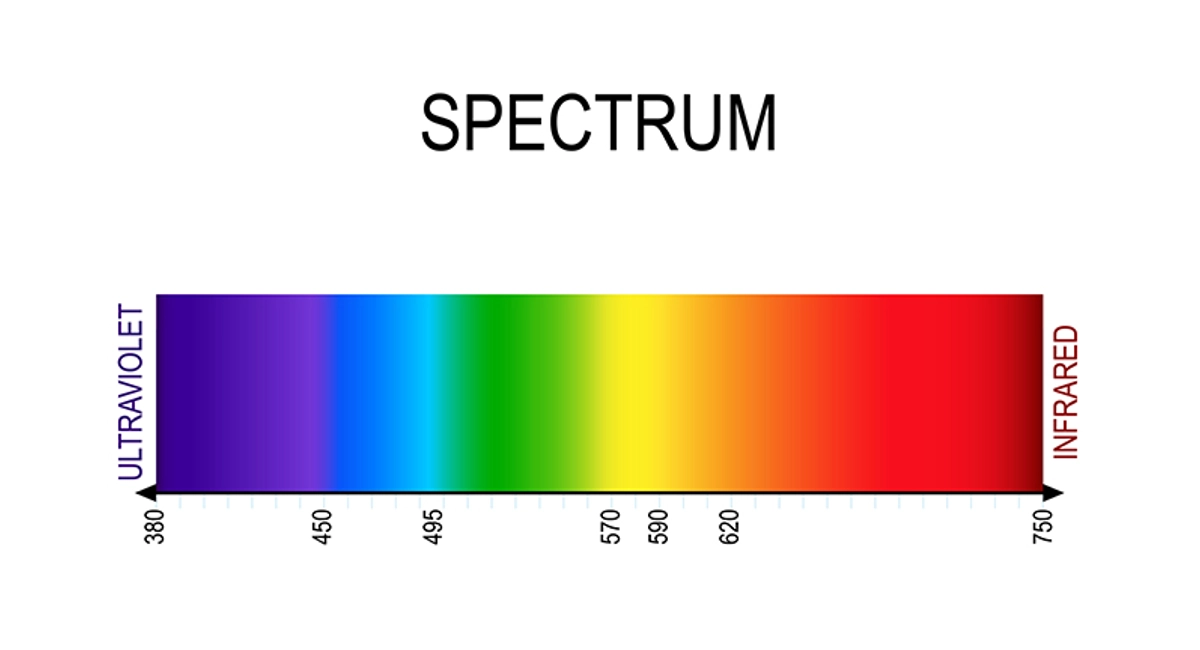
When a person exhales CO2, the mosquito’s “onboard sensors” activate their visual search mode. Technology has shown that mosquitoes are specifically tuned to long-wavelength colors—primarily red, orange, and black. Interestingly, human skin, regardless of its pigmentation, radiates in the red-orange spectrum to a mosquito’s specialized eyes. This explains why certain clothing colors act as a beacon once the insect’s thermal and chemical sensors are engaged.
The Role of Machine Learning in Behavioral Analysis
By utilizing machine learning algorithms to analyze thousands of hours of flight data, researchers have identified that mosquitoes ignore certain colors even in the presence of CO2. Green, blue, and purple hues consistently fail to trigger the “attack” response in the data models. This technological insight is now being used to feed the “Design for Protection” (DfP) software used by high-end outdoor apparel manufacturers, ensuring that the next generation of gear is optimized for visual stealth.
Smart Textiles: Engineering the Next Generation of Protective Apparel
The identification of “risk colors” like red and black has led to a revolution in textile technology. We are moving away from simply choosing a different color shirt and toward “Smart Textiles”—fabrics engineered at the molecular level to disrupt a mosquito’s ability to target a host.
Spectral Refraction and Fabric Engineering
Textile tech companies are currently experimenting with fabrics that utilize spectral refraction. By manipulating the weave and the chemical coating of synthetic fibers, these fabrics can “scatter” the long-wavelength light that mosquitoes find attractive. Even if a garment appears black to the human eye, its spectral signature in the infrared and ultraviolet ranges can be engineered to be invisible or repulsive to insects.
This involves the use of nanotechnology to embed microscopic particles within the fibers. These particles can shift the perceived “heat signature” of the wearer or mimic the light-reflective properties of foliage (greens and blues), effectively camouflaging the wearer within the mosquito’s specialized visual range.
Permethrin-Integrated Micro-Encapsulation
Beyond color, the technology of “Built-In Protection” has advanced through micro-encapsulation. This tech allows repellent chemicals, such as permethrin, to be bonded to the fabric fibers at a molecular level during the manufacturing process. Unlike traditional sprays, this tech-driven approach ensures that the protection remains effective for over 70 washes. When combined with the knowledge of color science—avoiding reds and dark blues—these smart garments provide a multi-layered defense system that is significantly more effective than traditional methods.
Digital Monitoring and Wearable Integration: IoT in Vector Control
In the current tech landscape, the clothes we wear are becoming part of a larger Internet of Things (IoT) ecosystem designed to protect public health. The question of clothing color is being integrated into wearable apps and environmental monitoring systems to provide real-time risk assessments.
Wearable Sensors and Risk Modeling
Future iterations of smart clothing are expected to feature embedded sensors that monitor ambient CO2 levels and skin temperature. These wearables can sync with smartphone apps to provide “bite risk” alerts based on the user’s current geographic location and the color of their clothing. If a user is wearing high-attraction colors in a known “hot zone” for mosquito-borne illnesses, the technology can suggest immediate preventative measures or route the user away from high-density swarms detected by local IoT-enabled mosquito traps.
Big Data and the Global Health Tech Initiative
On a macro level, tech companies are using “Big Data” to track mosquito populations and their evolving resistance to traditional repellents. By analyzing satellite imagery and weather patterns, AI models can predict when and where mosquito activity will peak. This data is then used by manufacturers to time the release of specific “protective collections.”
For instance, in regions experiencing a surge in West Nile virus or Malaria, tech-driven distribution chains can prioritize the delivery of light-colored, chemically treated apparel. This is a prime example of how data science is being used to mitigate biological risks through consumer technology.
Computer Vision and the Future of Synthetic Biology
As we look toward the future, the intersection of computer vision and synthetic biology may render the “clothing color” debate obsolete. However, until then, technology is being used to modify the environment and the insects themselves.
CRISPR and Visual Mutation
One of the most advanced areas of biotechnology involves the use of CRISPR gene-editing technology to alter the visual receptors of mosquitoes. By understanding the specific genes that allow mosquitoes to see the red-orange spectrum (the color of human skin and certain clothes), scientists are working on “gene drives” that could potentially make future generations of mosquitoes “colorblind” to humans. This high-level tech intervention aims to reduce the transmission of diseases by disrupting the insect’s ability to find its target visually.
AI-Driven Habitat Disruption
Furthermore, autonomous drones equipped with multispectral cameras are now being used to identify mosquito breeding grounds. These drones use computer vision to scan for stagnant water and specific floral signatures that support mosquito larvae. By integrating the knowledge of color attraction, these drones can also deploy “color-traps”—devices that use specific wavelengths of light and CO2 to lure mosquitoes away from human settlements. This “Tech-Fence” approach represents a move toward proactive environmental management rather than reactive personal protection.

Conclusion: The Convergence of Fashion and Functionality
The question of “what color clothing attracts mosquitoes” has evolved from a simple observation into a complex field of technological inquiry. We now know that the answer lies in the mosquito’s sophisticated neural response to long-wavelength light, triggered by chemical signals.
For the modern consumer, this means that the “tech” in their wardrobe is just as important as the tech in their pocket. From AI-driven research that identifies the “danger zones” of the color spectrum to the engineering of smart textiles that provide molecular-level protection, technology is our greatest ally in the fight against mosquito-borne threats.
As we move forward, the integration of wearable sensors, IoT monitoring, and advanced material science will continue to refine our approach. We are no longer just choosing a shirt based on its color; we are selecting a sophisticated piece of protective technology designed to shield us from one of the world’s most persistent biological challenges. In the battle between humans and mosquitoes, the winners will be those who leverage the full spectrum of modern technology to stay invisible.
aViewFromTheCave is a participant in the Amazon Services LLC Associates Program, an affiliate advertising program designed to provide a means for sites to earn advertising fees by advertising and linking to Amazon.com. Amazon, the Amazon logo, AmazonSupply, and the AmazonSupply logo are trademarks of Amazon.com, Inc. or its affiliates. As an Amazon Associate we earn affiliate commissions from qualifying purchases.