
In the rapidly evolving landscape of information technology, the focus of security often gravitates toward software-defined perimeters, encryption, and zero-trust architectures. However, the physical layer—the actual silicon, copper, and fiber-optic cables that power our digital world—remains vulnerable to one of the oldest threats to infrastructure: fire. Among the various fire suppression tools available to IT professionals and facility managers, the Carbon Dioxide (CO2) fire extinguisher stands out as the gold standard for protecting high-value technological assets. Understanding what CO2 fire extinguishers are used for in a tech-centric context is essential for maintaining uptime, protecting expensive hardware, and ensuring the physical integrity of data centers.
The Technical Anatomy of CO2 Fire Suppression
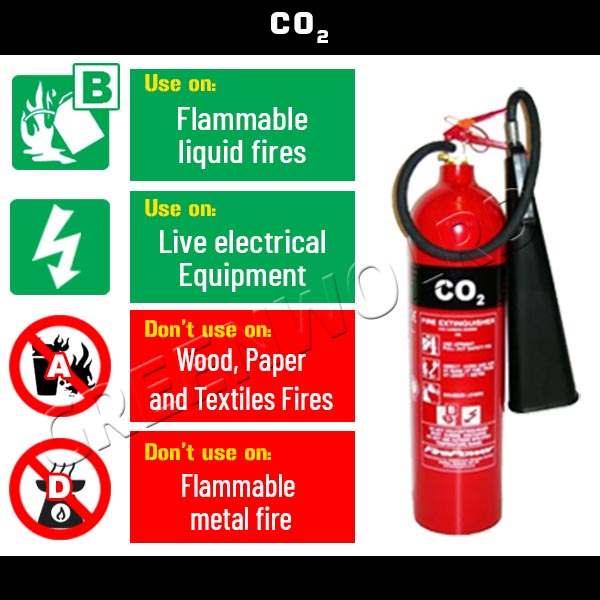
To understand why CO2 is the preferred agent for technology environments, one must first look at the physics of how it operates. Unlike water-based or dry-chemical extinguishers, CO2 functions as a “clean agent.” It works by displacing oxygen—one of the three elements required for a fire to sustain itself (the fire triangle)—and providing a cooling effect as the gas expands rapidly upon discharge.
Non-Conductive Properties for High-Voltage Environments
In any environment where high-density computing, networking switches, or power distribution units (PDUs) are present, the risk of electrical fires is significant. Standard water or foam extinguishers are electrically conductive; using them on live electrical equipment can lead to catastrophic short circuits and pose a lethal risk of electrocution to the operator. CO2 is a non-conductive gas, making it the safest choice for Class B (flammable liquids) and, most critically, Class E (electrical) fires. This allows technical staff or facility engineers to suppress a fire immediately without the need to wait for a total power shutdown, which might not always be instantly possible in a complex server environment.
Residue-Free Protection: Why Clean Agents Matter for Circuitry
Perhaps the most significant advantage of CO2 in a tech setting is its “clean” nature. Dry powder extinguishers, while effective at putting out flames, release a fine, corrosive dust that can penetrate the smallest crevices of a server rack or a high-end workstation. Even if the fire is extinguished, the residue from a powder extinguisher can destroy sensitive circuitry, clog cooling fans, and render expensive hardware unrecoverable. CO2, by contrast, evaporates completely. It leaves no trace, no moisture, and no corrosive film. For a data center housing millions of dollars in GPU clusters or flash storage arrays, the use of CO2 represents the difference between a minor incident and a total hardware loss.
Critical Use Cases in Data Centers and Server Rooms
As the world transitions toward massive AI model training and cloud-scale operations, the density of hardware in data centers has reached unprecedented levels. Modern server racks now consume significantly more power and generate more heat than their predecessors. This increased energy density heightens the risk of localized thermal events.
Protecting the Infrastructure of the AI Revolution
The current boom in Artificial Intelligence (AI) relies on specialized hardware, such as NVIDIA H100s or specialized ASICs, which are both incredibly expensive and difficult to source due to supply chain constraints. These components are highly sensitive to environmental changes. In the event of a localized electrical fire within a rack, a CO2 fire extinguisher allows for targeted suppression. Because the gas can be aimed precisely at the source of the heat, it can often neutralize the threat before it spreads to adjacent hardware. In an era where “hardware as a service” is a primary business model, protecting the physical chips is the highest priority for technical operations teams.
Mitigating Downtime through Targeted Fire Response
In the tech industry, downtime is measured in thousands of dollars per second. Traditional sprinkler systems (even pre-action systems) can cause widespread damage and lead to prolonged recovery times as hardware must be dried and tested. CO2 extinguishers enable a “surgical” strike against a fire. Because there is no cleanup required, the recovery process can begin the moment the area is ventilated and cleared of excess CO2. This speed of recovery is vital for maintaining the five-nines (99.999%) availability targets that define modern digital services.

CO2 vs. Traditional Extinguishers: A Technical Comparison for IT Professionals
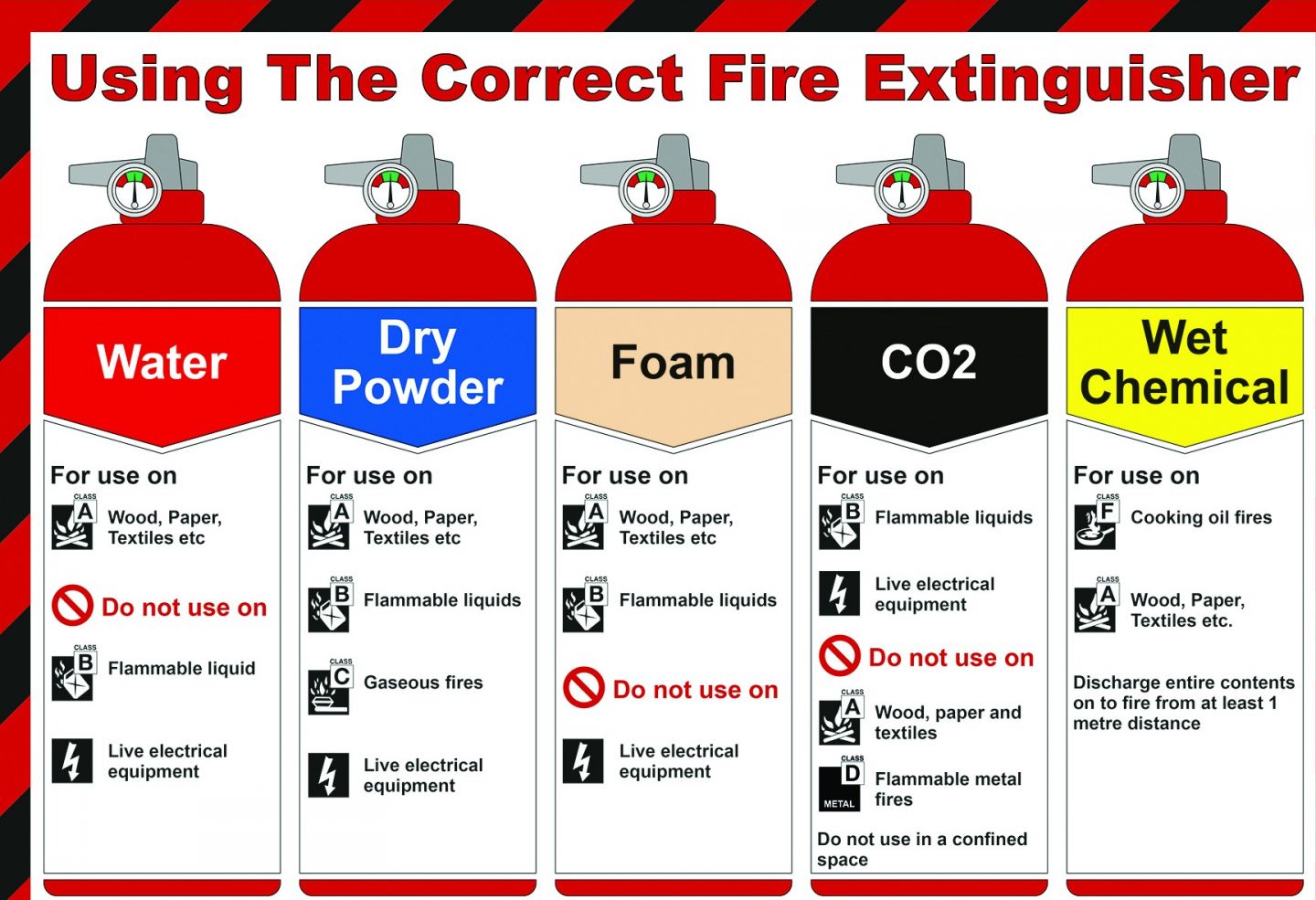
For those tasked with designing a technical workspace—whether it’s a small startup office or a massive colocation facility—choosing the right fire suppression tool is a matter of risk management. While “ABC” rated dry chemical extinguishers are common in residential and general office settings, they are often the wrong tool for a technical lab or server room.
The Hidden Dangers of Dry Powder in Tech Hubs
Dry chemical extinguishers use monoammonium phosphate. This substance is effective at interrupting the chemical reaction of a fire, but it is also highly insulating and mildly corrosive. If discharged in a room with active servers, the powder is drawn into the air intakes of every running machine. It coats heat sinks, gets stuck in optical sensors, and can cause micro-shorts on motherboards. For IT departments, a dry powder discharge is often viewed as a “total loss” event for the equipment in the room. This makes CO2 the logical choice for any area where the value of the hardware exceeds the cost of the fire suppression system itself.
Water-Based Systems and the Risk of Short Circuits
While many modern data centers use “mist” systems or pre-action pipes to prevent accidental water discharge, the fundamental conflict between water and electricity remains. Water causes immediate oxidation and short circuits. Furthermore, the cleanup process for water damage in a raised-floor environment can take weeks, as moisture can remain trapped under tiles and inside cable runs, leading to mold or long-term cable degradation. CO2 eliminates these secondary risks, providing a dry, gaseous solution that respects the delicate nature of high-speed digital signaling.
Implementing Smart Fire Safety in the Digital Workspace
Effective fire safety in a tech environment is not just about having the right extinguisher; it is about integrating that tool into a broader strategy of monitoring and response. As the Internet of Things (IoT) and smart building technologies mature, the role of manual CO2 suppression is being augmented by digital sensors.
Integrating Manual CO2 Suppression with Automated Early Warning Systems
Modern tech facilities utilize Very Early Smoke Detection Apparatus (VESDA) systems that can detect the microscopic particles released during the “incipient” stage of a fire—often before a human can smell smoke or see flames. When these systems trigger an alert, a technician equipped with a CO2 extinguisher can intervene before an automated (and more disruptive) total-room suppression system is activated. This human-in-the-loop approach, powered by high-sensitivity sensors, provides a layered defense strategy that protects both personnel and digital assets.
Safety Protocols for Technical Maintenance Teams
While CO2 is the superior choice for hardware, it does come with human safety considerations that technical teams must be trained on. Because CO2 displaces oxygen, its use in confined spaces—such as small server closets or behind-the-rack alleys—requires caution. Technical professionals must be trained to discharge the extinguisher and then immediately evacuate the area to ensure they are not overcome by the lack of oxygen. Furthermore, because the gas is discharged at extremely low temperatures, it can cause “cold burns” if it comes into contact with skin. Training for IT staff should include not just how to aim at the base of the fire, but how to manage the atmospheric risks associated with the gas itself.
Conclusion: The Essential Shield for Physical Assets
In conclusion, the question of what CO2 fire extinguishers are used for finds its most critical answer in the protection of our technological infrastructure. As we move deeper into an age defined by cloud computing, AI, and ubiquitous connectivity, the physical hardware that supports these services has become more valuable and more sensitive than ever before.
The CO2 extinguisher is more than just a piece of safety equipment; it is a specialized tool designed for the unique requirements of the digital age. By providing non-conductive, residue-free, and highly effective fire suppression, it allows for the protection of complex circuitry and high-voltage systems without the collateral damage associated with traditional fire-fighting agents. For IT professionals, engineers, and tech innovators, the presence of CO2 suppression is a fundamental requirement—a physical safeguard that ensures the digital world continues to run, even when the heat is on.
aViewFromTheCave is a participant in the Amazon Services LLC Associates Program, an affiliate advertising program designed to provide a means for sites to earn advertising fees by advertising and linking to Amazon.com. Amazon, the Amazon logo, AmazonSupply, and the AmazonSupply logo are trademarks of Amazon.com, Inc. or its affiliates. As an Amazon Associate we earn affiliate commissions from qualifying purchases.