
In the landscape of modern cinema, few settings have achieved the level of brand recognition and emotional resonance as Radiator Springs. The fictional town at the heart of Pixar’s Cars franchise is more than just a backdrop for talking vehicles; it is a masterclass in narrative brand strategy. When audiences ask, “What city is Radiator Springs based on?” they are rarely looking for a single GPS coordinate. Instead, they are inquiring about the soul of a brand that managed to synthesize the heritage of the American West into a multi-billion-dollar intellectual property (IP).
While Radiator Springs is a fictional construct, its identity is built upon a composite of real-world locations along U.S. Route 66—most notably Seligman and Peach Springs, Arizona. By examining the brand architecture of this fictional town, we can uncover profound lessons in corporate identity, place branding, and the power of authentic storytelling in the digital age.
The Anatomy of an Iconic Brand: Mapping Real-World Heritage to Fictional Identity
The creation of Radiator Springs was not an accident of imagination but the result of an intensive research “road trip” led by Pixar’s creative team. This process mirrors the “Discovery Phase” in professional brand strategy, where designers and strategists immerse themselves in the history and values of a subject to find its unique selling proposition (USP).
The Power of Authenticity in Brand Storytelling
In branding, authenticity is the currency of trust. Pixar’s decision to base Radiator Springs on real locations like Seligman, Arizona, was a strategic move to ground a fantastical world in recognizable truth. Seligman, often credited as the “Birthplace of Historic Route 66,” provided the emotional core of the brand. The town’s struggle for survival after being bypassed by Interstate 40 became the central narrative arc of the Cars franchise.
By adopting the real-world struggles of Route 66 towns, the Radiator Springs brand inherited a built-in sense of grit, resilience, and nostalgia. For a brand, this “origin story” is vital. It moves the product (the film) from being a mere commodity to being a cultural steward.
Translating Route 66: The Cultural Blueprint of Radiator Springs
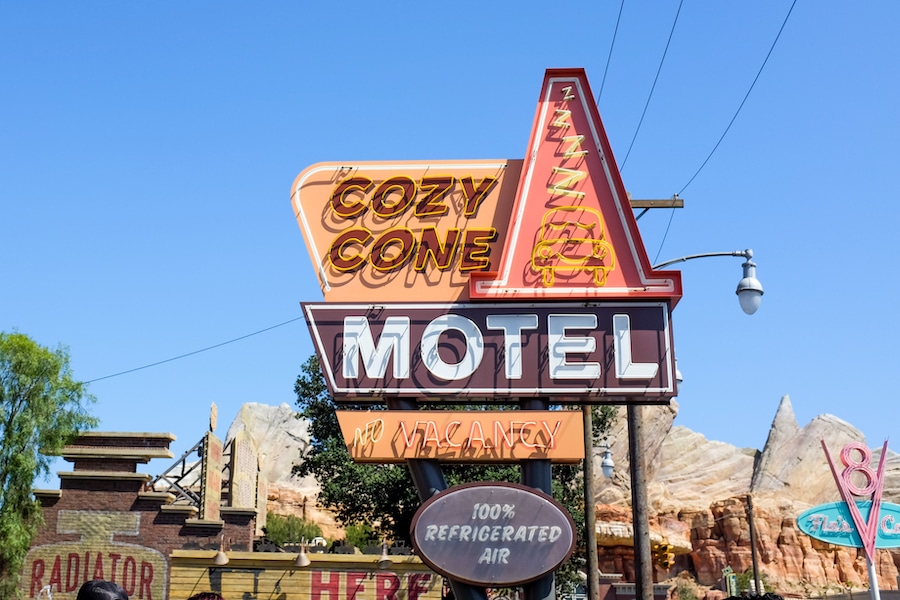
While Seligman provided the spirit, Peach Springs, Arizona, provided much of the physical layout. The Hualapai Indian Reservation town inspired the “V” shape of the town’s main intersection and its specific geographical isolation. Other elements were pulled from across the “Mother Road”: the Wigwam Motels in Holbrook and San Bernardino became the Cozy Cone Motel, and the U-Drop Inn in Shamrock, Texas, became Ramone’s House of Body Art.
From a brand strategy perspective, this is a lesson in “Curated Identity.” Pixar did not copy one city; they distilled the best, most evocative elements of an entire region to create a “Super-Brand” of Route 66. This allows the audience to feel a sense of “déjà vu” even if they have never visited the desert Southwest.
Destination Branding: Turning a Cinematic Setting into a Global Landmark
One of the most impressive feats of the Cars franchise is how it successfully executed “Place Branding” in reverse. Usually, a city develops a brand to attract visitors. In this case, a fictional brand was created so successfully that it revitalized the real-world locations it was based on.
The Pixar Effect: Revitalizing the “Mother Road” Brand
Before the release of Cars in 2006, Route 66 was a fading memory for many younger travelers. The “Radiator Springs” brand acted as a massive global marketing campaign for the real Route 66. Towns like Baxter Springs, Kansas, and Winslow, Arizona, saw a significant uptick in international tourism specifically because of the movie.
This phenomenon demonstrates the power of “Brand Association.” By linking the high-tech, polished brand of Disney/Pixar with the dusty, forgotten brand of the old highway, both entities benefited. Pixar gained a soulful, timeless aesthetic, while the real-world towns gained a modern audience and renewed economic relevance.
Co-Branding History and Fiction
The success of Radiator Springs lies in its ability to blend historical preservation with commercial appeal. The brand of the town is built on the concept of “The Slow Down”—a rejection of the fast-paced, “interstate” lifestyle in favor of quality and community. This brand ethos resonated deeply with consumers who were increasingly feeling the burnout of the digital transition in the mid-2000s.
When a brand can align its narrative with a widespread social sentiment (in this case, the desire for a simpler time), it achieves a level of “Brand Loyalty” that transcends the product itself. People don’t just like Radiator Springs; they want to live there.
Intellectual Property as a Brand Asset: The Scalability of Radiator Springs
In corporate strategy, a brand is only as good as its ability to scale. Radiator Springs is perhaps the most scalable setting in the history of animation. Its transition from a 2D screen to a physical, 3D environment is a study in “Immersive Branding.”
From Pixels to Pavement: Cars Land and Immersive Brand Experiences
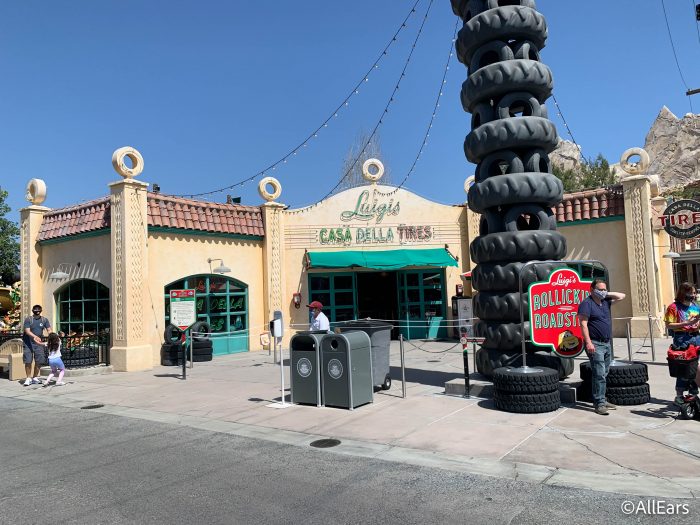
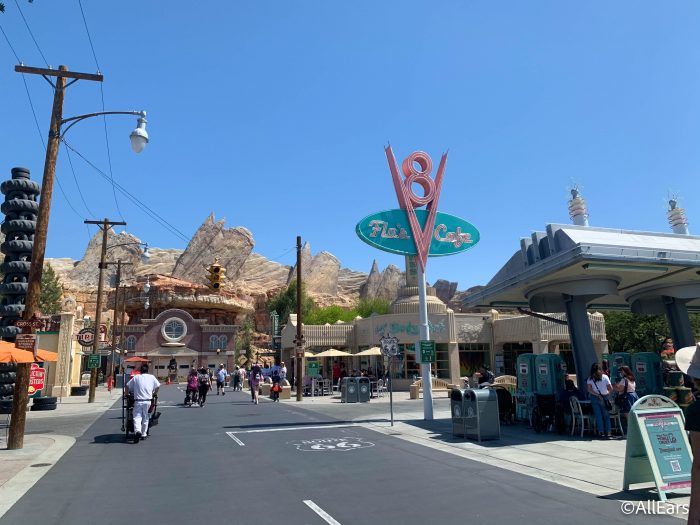
The opening of Cars Land at Disney California Adventure in 2012 represented the ultimate realization of the Radiator Springs brand. Here, the brand strategy shifted from narrative to experiential. Every detail—from the neon lighting schedules to the “cracks” in the pavement—was engineered to maintain brand consistency.
For marketers, this highlights the importance of “Sensory Branding.” You can smell the “tire rubber” (actually scents pumped into the air), hear the mid-century soundtrack, and taste the food at Flo’s V8 Cafe. This immersion cements the brand in the consumer’s mind in a way that visual media alone cannot. It transforms a “customer” into a “participant.”
Maintaining Brand Consistency Across Multiple Touchpoints
Whether it is a die-cast toy, a video game, or a theme park attraction, the brand of Radiator Springs remains remarkably consistent. This is achieved through a strict “Brand Bible” that dictates the colors, typography, and “voice” of the town. In business terms, this consistency reduces friction in the consumer journey. When a child sees the Cozy Cone on a toy box, they immediately associate it with the values of the film—friendship, heritage, and quality.
Lessons for Modern Marketers: Building a World, Not Just a Logo
The story of how Pixar researched and built the brand of Radiator Springs offers several key takeaways for modern businesses looking to strengthen their corporate identity.
Emotional Connection through World-Building
Modern consumers are savvy; they can smell a manufactured brand from a mile away. The reason Radiator Springs feels “real” is that its creators looked for the “scars” in the real-world towns they visited. They didn’t just look for the pretty sunsets; they looked at the abandoned buildings and the stories of the people who stayed behind.
- Lesson: Don’t scrub the “humanity” out of your brand. The imperfections and the history of your company are often your most compelling brand assets.
The Longevity of a Well-Constructed Narrative Brand
While many movie franchises fade into obscurity, the brand of Radiator Springs persists because it is anchored in timeless themes. It represents the “American Dream” not as a climb to the top, but as a commitment to one’s community.
- Lesson: Trends fade, but values endure. If your brand strategy is built on a fleeting trend (the “interstate” of ideas), it will eventually be bypassed. If it is built on foundational values (the “Route 66” of ideas), it will become a destination.
Conclusion: The Enduring Legacy of the Radiator Springs Brand
To answer the question “What city is Radiator Springs based on?” is to acknowledge a network of small, resilient American towns that refused to be forgotten. But from a brand perspective, Radiator Springs is based on the idea of significance over success.
Through meticulous research, authentic storytelling, and an unparalleled commitment to brand consistency, Pixar created a fictional location that feels more “real” to millions of people than many actual cities. It serves as a powerful reminder for brand strategists and business leaders alike: when you build a brand with a soul, based on real human experience and historical weight, you aren’t just creating a product—you are creating a landmark. Radiator Springs isn’t just a place on a map; it is a gold standard in the art of the brand.
aViewFromTheCave is a participant in the Amazon Services LLC Associates Program, an affiliate advertising program designed to provide a means for sites to earn advertising fees by advertising and linking to Amazon.com. Amazon, the Amazon logo, AmazonSupply, and the AmazonSupply logo are trademarks of Amazon.com, Inc. or its affiliates. As an Amazon Associate we earn affiliate commissions from qualifying purchases.