
In the early days of the mobile revolution, the industry was obsessed with miniaturization. The goal was to make devices as small as possible, fitting comfortably into a coin pocket. However, as the smartphone evolved from a simple communication tool into a primary hub for entertainment, professional productivity, and creative expression, the trend reversed. We entered the era of the “phablet,” and eventually, large screens became the industry standard.
Today, consumers are looking for more than just a phone; they are looking for a pocket-sized window into the digital world. Whether it is for streaming high-definition video, multitasking with multiple apps, or competitive mobile gaming, screen real estate is the most valuable commodity in the tech market. In this article, we will examine the devices currently dominating the market with the largest displays, the technology that makes these massive panels possible, and what the future holds for the “bigger is better” philosophy.
The Standard-Bearers: Flagship Phones Dominating the Display Game
When we talk about the biggest screens on “traditional” slate-style smartphones, we are looking at a range between 6.7 and 6.9 inches. These devices represent the pinnacle of current mobile engineering, balancing the desire for massive displays with the physical limitations of the human hand.
Samsung Galaxy S24 Ultra: The Productivity Powerhouse
For years, the Ultra line from Samsung has set the benchmark for large-screen excellence. The Galaxy S24 Ultra features a stunning 6.8-inch Dynamic AMOLED 2X display. What sets this device apart isn’t just the size, but the shift to a completely flat panel. By removing the curved edges of previous generations, Samsung has maximized the usable surface area, making it the ideal canvas for the integrated S Pen. With a peak brightness of 2,600 nits and a new anti-reflective Gorilla Armor glass, the S24 Ultra remains legible even under direct sunlight, cementing its place as one of the best “big” phones on the market.
iPhone 15 Pro Max and the Move Toward 6.9 Inches
Apple’s largest offering, the iPhone 15 Pro Max, currently sits at 6.7 inches. However, the industry is buzzing with the arrival of the iPhone 16 Pro Max, which is widely expected to push the boundary to 6.9 inches. Apple’s Super Retina XDR displays are renowned for their color accuracy and “ProMotion” technology, which allows for a variable refresh rate up to 120Hz. The move toward a 6.9-inch screen would mark the largest display ever on an iPhone, achieved by further shrinking the bezels (the borders around the screen) to near-invisible levels.
Google Pixel 8 Pro: The AI-Centric Canvas
Google has also embraced the large-format trend with the Pixel 8 Pro, which boasts a 6.7-inch “Super Actua” display. Google’s focus is on HDR performance and clarity. With a high resolution of 1344 x 2992, it provides one of the crispest viewing experiences for photo editing and media consumption. The Pixel’s software is specifically tuned to utilize this space for AI-driven features, such as Magic Editor and improved multitasking gestures.
Redefining Scale: The Foldable Revolution
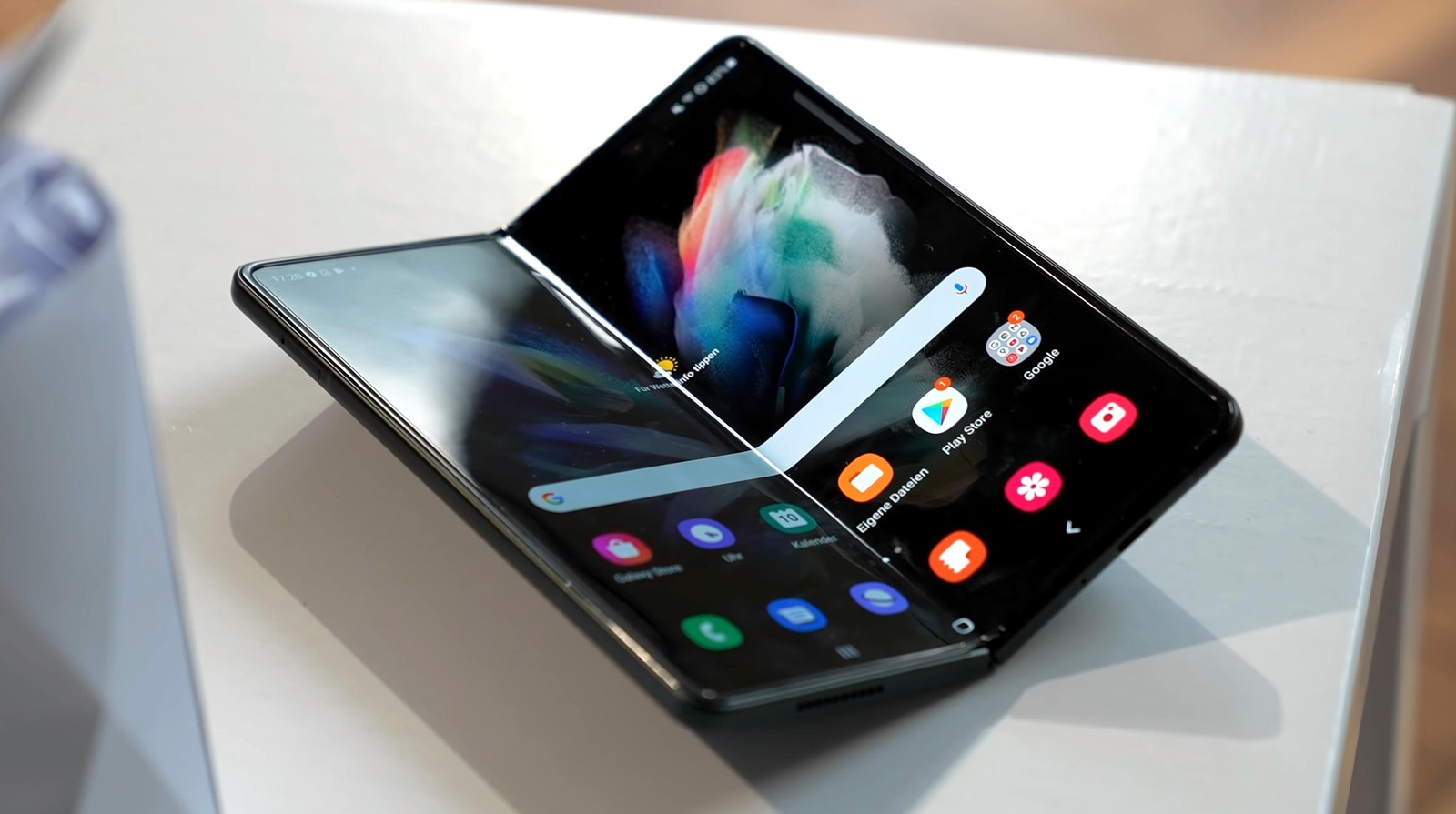
If a 6.9-inch screen isn’t enough, the tech world has an answer: foldables. This category has completely disrupted the definition of a “cell phone screen” by allowing a device to transform from a standard phone into a mini-tablet.
Samsung Galaxy Z Fold 6: The Tablet in Your Pocket
The Samsung Galaxy Z Fold 6 is the gold standard for large-format foldables. While its outer “cover screen” is a respectable 6.3 inches, the real magic happens when you unfold it to reveal a massive 7.6-inch internal display. This screen is not just big; it is functional. It supports three-app multitasking and a taskbar that mimics a desktop experience. The use of Ultra-Thin Glass (UTG) has improved significantly, making the screen feel more like traditional glass while maintaining the flexibility required to fold thousands of times.
Google Pixel Fold and the OnePlus Open
Competitors like the Google Pixel Fold and the OnePlus Open have taken different approaches to the foldable form factor. The OnePlus Open, in particular, has been praised for its 7.82-inch internal display, which is currently among the largest in the foldable market. These devices use a wider aspect ratio compared to Samsung, making the screen feel more like a traditional book when open. This extra width is particularly beneficial for watching cinematic 21:9 content or reviewing complex spreadsheets on the go.
The Engineering Feat of Flexible OLED
The existence of these massive screens is a testament to the advancements in OLED (Organic Light Emitting Diode) technology. Unlike LCDs, which require a backlight, OLED pixels emit their own light. This allows the screens to be thin enough to fold and bend. The development of LTPO (Low-Temperature Polycrystalline Oxide) backplanes has also been crucial, allowing these giant screens to drop their refresh rate to as low as 1Hz to save battery life when the screen is static.

Understanding Display Metrics: It’s Not Just About Inches
When searching for the phone with the biggest screen, it is a mistake to look only at the diagonal inch measurement. The “feel” and “utility” of a screen are determined by a combination of aspect ratio, resolution, and brightness.
Aspect Ratio: Height vs. Width
The diagonal measurement can be misleading. For example, a 6.7-inch phone with a very tall, narrow aspect ratio (like 21:9) actually has less total surface area than a 6.7-inch phone with a wider aspect ratio (like 19.5:9). Most modern large phones are becoming taller and narrower to make them easier to grip with one hand. However, for those who prioritize video content, a wider screen is often preferable as it results in less “letterboxing” (the black bars at the top and bottom of a video).
Pixel Density and Sharpness
As screens get larger, the resolution must increase to keep the image sharp. This is measured in PPI (pixels per inch). A 6.8-inch screen at 1080p resolution will look significantly less sharp than the same size at QHD+ (1440p) resolution. Tech enthusiasts generally look for a PPI of over 400 for a flagship experience. When the screen is as large as the ones found on the S24 Ultra or the Z Fold 6, high resolution is non-negotiable for reading text without seeing jagged edges.
Peak Brightness and Color Gamut
A big screen is useless if you can’t see it outside. The latest generation of large-screen phones has pushed peak brightness levels to 2,000–2,800 nits. Furthermore, support for wide color gamuts like DCI-P3 ensures that the colors you see on these massive panels are as vivid and accurate as those on a high-end professional monitor.
The Ergonomics of Large Displays: Utility vs. Comfort
While big screens offer an immersive experience, they come with a physical trade-off. Managing a 6.8-inch or 7.6-inch device requires a shift in how we interact with our technology.
Software Optimization for One-Handed Use
To combat the difficulty of reaching the top of a massive screen, manufacturers have developed software “one-handed modes.” Apple’s Reachability and Samsung’s One UI design language are built around the idea of moving interactive elements to the bottom half of the screen. This allows users to enjoy the benefits of a large display for viewing content while still being able to navigate the interface with a thumb.
The Weight and Durability Factor
Size usually correlates with weight. Large-screen phones often exceed 200 grams, which can lead to hand fatigue over long periods. To mitigate this, manufacturers are turning to premium lightweight materials. Apple’s shift to titanium for the Pro Max line and Samsung’s use of reinforced aluminum are direct responses to the weight problem. Additionally, larger screens are more vulnerable to cracks, leading to the development of more resilient glass compositions like Ceramic Shield and Gorilla Glass Victus 2.
Future Trends: Are We Reaching the Ceiling?
As we look toward the future, the question arises: how much bigger can cell phone screens get? We are likely approaching the physical limit for devices that need to fit in a pocket, which is why the focus is shifting toward innovative form factors.
Under-Display Cameras and True Full-Screens
Currently, even the biggest screens are interrupted by “notches” or “hole-punch” cutouts for the selfie camera. The next step in the evolution of large screens is the perfection of Under-Display Camera (UDC) technology. While seen in a limited capacity on the Z Fold series, once this technology matures, we will have 7-inch displays with zero interruptions, providing a truly “all-screen” experience.

Rollable and Expandable Displays
The next frontier beyond foldables is the “rollable” phone. Concept devices from companies like Motorola and LG have shown screens that can motorize upward or outward, expanding the screen size only when needed. This would allow a user to have a compact 5-inch phone that transforms into a 7.5-inch tablet at the touch of a button, potentially solving the ergonomic issues associated with large-screen devices.
In conclusion, the quest for the biggest cell phone screen has transformed the industry from a race for portability to a race for immersion. From the massive slate displays of the Galaxy S24 Ultra and iPhone 15 Pro Max to the expansive canvases of the Z Fold 6, the modern smartphone is more capable than ever. As display technology continues to advance, the line between phone, tablet, and computer will continue to blur, driven by our insatiable appetite for more screen real estate.
aViewFromTheCave is a participant in the Amazon Services LLC Associates Program, an affiliate advertising program designed to provide a means for sites to earn advertising fees by advertising and linking to Amazon.com. Amazon, the Amazon logo, AmazonSupply, and the AmazonSupply logo are trademarks of Amazon.com, Inc. or its affiliates. As an Amazon Associate we earn affiliate commissions from qualifying purchases.