
In the era of the “always-on” digital lifestyle, our relationship with hardware has become increasingly intimate. We no longer just carry technology; we wear it. Among the most ubiquitous of these wearable devices are “hearables”—true wireless stereo (TWS) earbuds, noise-canceling headphones, and high-fidelity monitors. However, as our usage time scales from minutes to hours, a common technical and physiological friction point has emerged: the phenomenon of “itchy ears.”
While often dismissed as a minor nuisance, ear canal irritation represents a significant hurdle in the user experience (UX) design of modern audio hardware. For the tech-savvy consumer, the question “What can I do for itchy ears?” is rarely just about medical remedies; it is about hardware optimization, material science, and the implementation of digital hygiene protocols. This guide explores the technological landscape of ear comfort, from the engineering of bio-compatible materials to the software features designed to mitigate “occlusion effects.”

The Ergonomics of Audio: Why Your Gadgets Cause Discomfort
The human ear canal is one of the most sensitive environments on the body. It is self-cleaning, maintains a specific pH balance, and is designed to move cerumen (earwax) outward. When we insert high-tech earbuds, we disrupt this natural ecosystem. Understanding the engineering reasons behind this discomfort is the first step in solving it.
Friction and Material Sensitivity in Modern Earbuds
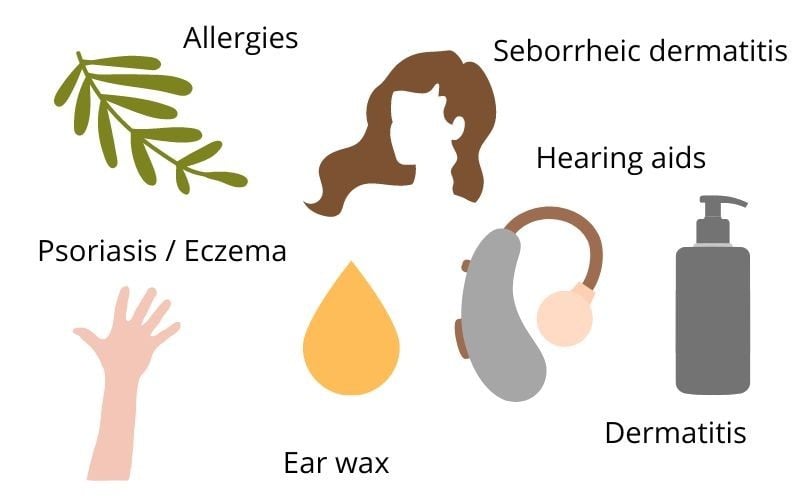
The primary cause of itching in the context of technology is often contact dermatitis or mechanical friction. Many popular consumer earbuds utilize silicone tips. While silicone is generally inert, the grade of silicone matters. Lower-quality thermoplastic elastomers (TPE) or medical-grade silicones can still cause reactions if they contain residual curing agents or if the surface texture is too abrasive.
Furthermore, the charging contacts on many earbuds are made of nickel or gold-plated alloys. For users with metal sensitivities, the microscopic transfer of these materials during prolonged wear can trigger an inflammatory response. From a tech perspective, solving “itchy ears” often involves auditing the bill of materials (BOM) of your devices and opting for hypoallergenic alternatives like memory foam (Comply tips) or medical-grade Liquid Silicone Rubber (LSR).
The “Occlusion Effect” and Pressure Regulation Tech
The “itch” is frequently a byproduct of trapped moisture and heat. When an earbud creates an airtight seal for Active Noise Cancellation (ANC), it creates a greenhouse effect within the canal. This increase in humidity softens the skin, making it prone to micro-abrasions and fungal growth.
Leading tech companies like Apple, Sony, and Bose have addressed this through “venting systems.” These are microscopic acoustic chambers designed to equalize pressure between the inner ear and the environment. If you are experiencing discomfort, checking if your device’s vents are clogged with debris is a critical maintenance step. A clogged vent doesn’t just degrade sound quality; it prevents the ear from “breathing,” leading directly to that maddening itch.
Advanced Materials and Bio-Compatible Engineering
As the hearables market matures, manufacturers are moving beyond basic plastics to solve the comfort crisis. The solution to itchy ears often lies in the transition from generic “one-size-fits-all” designs to advanced material engineering.
Medical-Grade Silicones vs. Thermoplastic Elastomers (TPE)
There is a massive technological divide between the tips included with a $20 pair of earbuds and those engineered for $300 professional monitors. High-end manufacturers are increasingly utilizing “grippy” yet breathable materials like Azla SednaEarfit, which use premium TPE that reacts to body heat to soften and shape themselves to the canal. This reduces the mechanical “shearing” force against the skin, which is a primary trigger for itching.
For users who find silicone intolerable, the tech industry has pivoted toward open-cell polyurethane foams. These materials allow for a degree of gas exchange (breathability) while maintaining an acoustic seal. Transitioning your hardware to these specialized materials is often the most effective “hack” for chronic ear irritation.
Antimicrobial Coatings and UV-C Cleaning Solutions
A significant trend in the “clean-tech” space is the integration of sanitation cycles within the hardware ecosystem. Brands like LG have introduced charging cases equipped with UV-nano technology. These cases use ultraviolet light to kill 99.9% of bacteria on the speaker mesh of the earbuds during the charging cycle.
Since itching is often caused by the proliferation of Staphylococcus aureus or other bacteria introduced by handling the earbuds, these UV-C integration systems represent a proactive technological solution. For those whose current hardware lacks this feature, third-party ultrasonic cleaners and specialized tech-cleaning kits have become essential components of a modern digital setup.
Smart Features and Software-Driven Ear Health
The solution to ear discomfort isn’t just physical; it’s digital. Modern operating systems and firmware updates are increasingly incorporating features that prioritize the biological health of the user.
Pressure Relief Ventilation and Ambient Sound Modes
One of the most significant software innovations in recent years is the “Transparency Mode” or “Ambient Sound” feature. While primarily marketed as a safety feature, it has a hidden benefit for ear health. By using external microphones to pass through sound, these modes allow users to keep earbuds in without the psychological and physiological “closeness” of total isolation.
Furthermore, some high-end “smart” earbuds now feature sensors that detect when the ear canal is reaching a certain temperature or humidity threshold. Through companion apps, these devices can send haptic notifications to the user’s smartphone, suggesting a “breathing break.” This integration of biometric monitoring into audio hardware is the frontier of preventing the “itch” before it begins.
Wearable Sensors: Monitoring Ear Canal Temperature and Humidity
We are seeing the rise of “Biosensing Hearables.” Future iterations of popular tech are rumored to include skin-conductance sensors that can measure the moisture levels within the ear. In a professional tech context, this data can be synced with health platforms (like Apple Health or Google Fit) to track “ear fatigue.” If the software detects that your canal environment is becoming hospitable to irritation, it can automatically adjust the ANC intensity or prompt you to clean the device.
The Future of Hearables: Integration and Preventive Design
As we look toward the next decade of personal audio, the “itchy ear” problem is being solved through custom manufacturing and Artificial Intelligence.
Personalized Ear Scanning and 3D-Printed Custom Fits
The most advanced tech solution for ear discomfort is the move toward “Custom-Fit” or “CIEM” (Custom In-Ear Monitor) technology. Previously reserved for professional musicians, companies are now using smartphone LiDAR sensors to create 3D maps of a user’s ear canal.
This data is then used to 3D-print earbud housings or tips that perfectly match the unique contours of the individual. By eliminating “pressure points”—the areas where the bud hardware presses unevenly against the canal—3D-printed tech eliminates the mechanical friction that causes 90% of itching issues. This represents the ultimate intersection of personal geometry and additive manufacturing.
The Role of AI in Detecting Ear Canal Inflammation
Artificial Intelligence is beginning to play a role in the diagnostic side of hearable tech. Digital otoscopes, which sync with smartphones, now use AI image recognition to identify the early signs of “swimmer’s ear” or dermatitis. For a user wondering “what can I do for itchy ears,” the answer may soon be: “Consult your AI-enabled ear-cam.”
These devices can distinguish between simple wax buildup and actual tissue inflammation, providing a data-driven recommendation on whether to adjust the hardware, change the material of the ear tips, or seek professional medical intervention. This shift moves ear care out of the realm of guesswork and into the realm of precision digital health.

Conclusion: Balancing High-Fidelity with Biological Comfort
The problem of “itchy ears” in the modern age is a classic example of the friction between biological evolution and technological acceleration. Our ears were not evolved to be plugged with plastic and silicon for eight hours a day. However, through the strategic application of material science, UV-C sanitation, pressure-regulating software, and custom 3D-printed ergonomics, we can bridge this gap.
To solve the itch, the modern tech user must look beyond the surface. It requires a commitment to digital hygiene—regularly cleaning hardware with isopropyl alcohol and UV light—and a willingness to invest in superior materials. As hearables continue to evolve into sophisticated biometric sensors, the “itch” will likely become a relic of the past, replaced by hardware that understands our anatomy as well as it understands our playlists. In the meantime, auditing your tech stack for breathability and bio-compatibility remains the most effective strategy for maintaining both your hearing and your comfort.
aViewFromTheCave is a participant in the Amazon Services LLC Associates Program, an affiliate advertising program designed to provide a means for sites to earn advertising fees by advertising and linking to Amazon.com. Amazon, the Amazon logo, AmazonSupply, and the AmazonSupply logo are trademarks of Amazon.com, Inc. or its affiliates. As an Amazon Associate we earn affiliate commissions from qualifying purchases.