
In the contemporary landscape of the Seventh-day Adventist (SDA) Church, the question of “which Bible” is no longer answered simply by pointing to a leather-bound volume on a pulpit. While the denomination has historically leaned toward the King James Version (KJV) and the New King James Version (NKJV), the actual answer in the 21st century is deeply intertwined with technology. For the modern Adventist, the “Bible” is a sophisticated digital ecosystem—a suite of apps, software, and cross-platform tools that facilitate a unique brand of deep, investigative study.

This transition from physical manuscripts to digital interfaces marks a significant shift in how the denomination engages with theology. By leveraging high-end biblical software and mobile applications, Adventists have transformed scripture from a static text into a searchable, hyperlinked, and highly portable database.
The Intersection of Faith and Software: Why SDA Bible Preferences are Shifting
The Seventh-day Adventist Church is often characterized by its commitment to “Sola Scriptura” and an intensive approach to prophecy and biblical exegesis. Historically, this required heavy concordances and stacks of reference books. Today, that physical library has been condensed into powerful software packages.
The Transition from Physical Manuscripts to Cloud-Based Exegesis
For decades, the King James Version was the definitive standard within SDA circles due to its linguistic majesty and its alignment with early denominational writings. However, the rise of digital tools has allowed members to move beyond a single translation. Cloud-based platforms now allow users to compare the KJV, NKJV, ESV, and NASB in real-time, side-by-side.
The shift is driven by the need for speed and accuracy. In a digital environment, an Adventist researcher can verify a Greek or Hebrew root word in seconds—a task that previously took minutes of thumbing through a Strong’s Concordance. This “Tech-First” approach to scripture means that the “Bible” used is often a multi-version digital interface rather than a single printed book.
How Open-Source and Proprietary Tools Shape Modern Interpretation
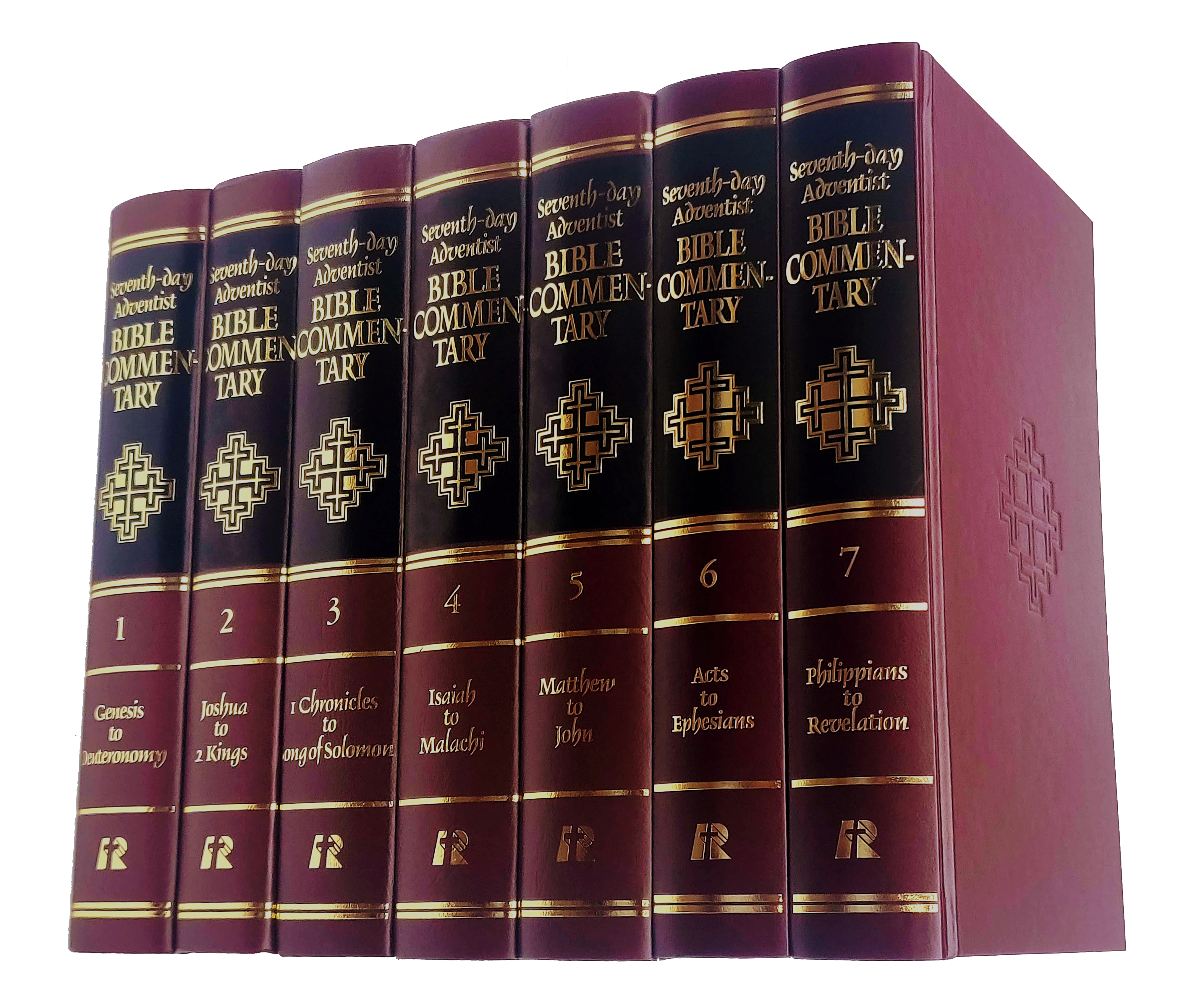
The choice of Bible is also dictated by the software architecture available to the user. Many Adventists utilize open-source platforms like Xiphos or BibleTime, which allow for the integration of specific SDA modules, such as the Seventh-day Adventist Bible Commentary.
Proprietary tools, on the other hand, offer a more polished User Experience (UX). By using proprietary data formats, companies can offer encrypted, high-speed searching that facilitates the complex “line upon line” study method central to Adventist theology. These tools don’t just host the text; they provide the algorithmic power to connect disparate themes across 66 books of the Bible instantly.
Essential Tech Tools for the Seventh-day Adventist Scholar
When looking at what Bible Adventists use, one must look at the hardware and software used by their pastors, educators, and laypeople. The “Bible” is now an “app stack” that integrates translation, commentary, and historical context.
Logos Bible Software: The Gold Standard for Professional Study
In the professional and academic spheres of the SDA Church, Logos Bible Software is the undisputed leader. Logos is not merely an e-reader; it is a massive relational database. For an Adventist scholar, the “Bible” in Logos includes the original languages (Hebrew and Greek), the NKJV or ESV as a base translation, and an automated link to the Ellen G. White (EGW) database.
The technical brilliance of Logos lies in its “Factbook” and “Atlas” features. If a user is studying the Sanctuary service—a key tenet of Adventist belief—the software can pull 3D models, historical maps, and every mention of the word “Atonement” across thousands of digitized volumes. In this context, the Bible is a node in a vast network of theological data.
E-Sword and Olive Tree: Streamlining Desktop and Mobile Access
For the layperson, E-Sword (PC) and Olive Tree (Mobile/Tablet) are the primary vehicles for scripture. E-Sword has remained a favorite in the SDA community for its “module” system. Users can download specific SDA-authored modules, allowing them to see Adventist interpretations alongside the biblical text.
Olive Tree’s strength lies in its mobile UI. It allows for “Split Screen” viewing, where a user can have the New King James Version on the left and a Greek Interlinear on the right. This allows for a level of technical study during a Saturday morning sermon that was previously reserved for seminary professors.
Mobile Apps and the Accessibility of the SDA “Tech Stack”
The democratization of high-level study tools through smartphones has changed the “standard” Bible for the average church member. The Bible is no longer a book you leave on the nightstand; it is a notification on your lock screen.
The YouVersion Effect: Community-Driven Bible Engagement
YouVersion (The Bible App) is ubiquitous among Adventists, particularly for its social features. While the church officially leans toward more formal translations for doctrine, YouVersion allows members to engage with more contemporary versions like the NLT or NIV for daily devotionals.
The “Plans” feature in YouVersion is frequently used for church-wide reading initiatives. By using these digital reading plans, the “Bible” becomes a shared social experience. The app’s ability to sync highlights and notes across devices ensures that a member’s personal study is always accessible, whether they are on a commute or in a boardroom.
Adventist-Specific Apps: Digital Hymnals and Sabbath School Integration
What truly differentiates the SDA “Bible” experience is the integration of peripheral digital tools. The Sabbath School & Personal Ministries app is a cornerstone of the Adventist tech ecosystem. It provides the weekly “Lesson Quarterly”—a thematic study guide—that links directly to Bible verses within the app.
Furthermore, the EGW Writings app is almost always installed alongside the Bible. Because Adventists believe in the prophetic ministry of Ellen White, her commentaries are often used as a secondary lens for scripture. The digital integration allows for “one-tap” referencing: tapping a verse in the Bible app can instantly show everywhere that verse was mentioned in 19th-century Adventist literature. This seamless API-like integration between the Bible and denominational writings defines the modern SDA digital experience.
Security, Privacy, and the Future of Digital Scripture
As the SDA community becomes more reliant on digital Bibles, new technical challenges arise. The transition from paper to pixels brings up concerns regarding data sovereignty, privacy, and the influence of Artificial Intelligence on hermeneutics.
Data Privacy in Faith-Based Applications
A significant concern for the tech-savvy Adventist is the privacy of their study notes and reflections. Many Bible apps collect metadata on user habits—what verses are being highlighted, how long a user spends in a specific chapter, and even the user’s location.
For a global church that often discusses “End-Time” scenarios and religious liberty, the security of their digital “spiritual footprint” is a growing topic of interest. There is a burgeoning movement within the SDA tech community to support “offline-first” apps or encrypted study tools that ensure a user’s theological queries remain private.
Artificial Intelligence and the Future of SDA Hermeneutics
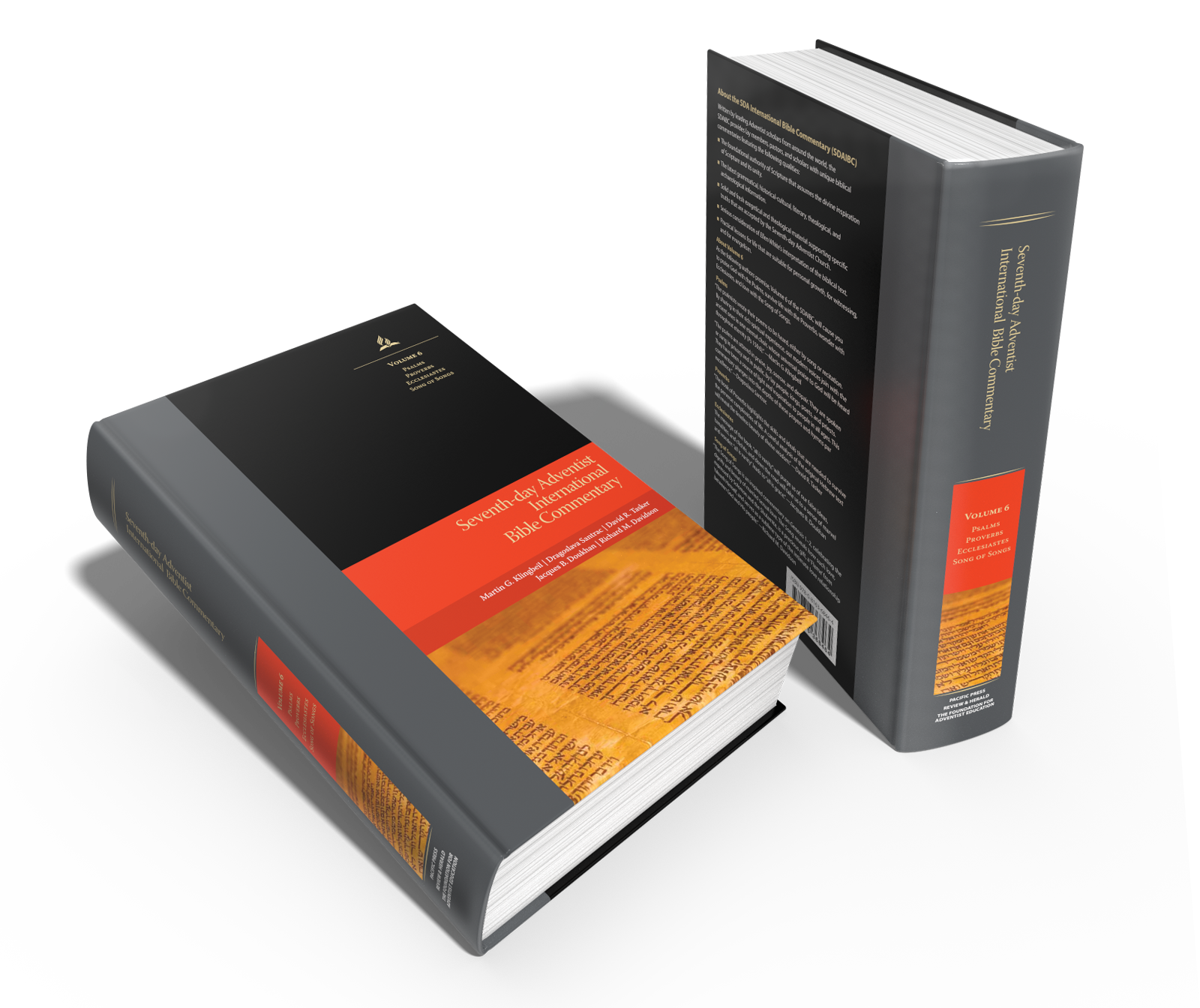
The most recent frontier for the “SDA Bible” is the integration of Large Language Models (LLMs). We are beginning to see the rise of AI-powered Bible assistants. For an Adventist, this might mean using a custom-trained GPT to “Ask the SDA Bible Commentary” a question.
However, this presents a technical and theological challenge: can an algorithm accurately represent the nuances of Adventist “Present Truth”? As AI becomes more integrated into study tools, the “Bible” that Seventh-day Adventists use will likely become an AI-augmented interface, capable of synthesizing thousands of years of commentary into a single conversational response.
Conclusion: The Bible as a Digital Platform
So, what Bible do Seventh-day Adventists use? While the text remains the sacred 66 books of the Protestant canon—usually in the NKJV or KJV translations—the medium is a sophisticated technological platform. The modern Adventist Bible is a multi-layered, cross-platform, and highly integrated digital toolset.
Through software like Logos, apps like YouVersion, and the digitization of denominational commentaries, the SDA community has embraced a “Tech-Forward” approach to faith. This evolution ensures that their study is deeper, their research is faster, and their scripture is more accessible than ever before. In the digital age, the Adventist Bible is not just a book; it is a powerful piece of software that continues to evolve with the needs of its users.
aViewFromTheCave is a participant in the Amazon Services LLC Associates Program, an affiliate advertising program designed to provide a means for sites to earn advertising fees by advertising and linking to Amazon.com. Amazon, the Amazon logo, AmazonSupply, and the AmazonSupply logo are trademarks of Amazon.com, Inc. or its affiliates. As an Amazon Associate we earn affiliate commissions from qualifying purchases.