
In the landscape of modern personal finance, the term “middle class” is one of the most frequently used yet most ambiguously defined concepts. For a single person, determining where they fall on the economic spectrum is more complex than simply looking at a gross salary figure. Unlike multi-earner households, a single individual carries the full weight of housing, utilities, and emergency savings on a single income, often facing what economists call the “singles tax.” Understanding what constitutes middle-class status for a solo household requires a deep dive into income percentiles, geographic cost-of-living adjustments, and the qualitative lifestyle markers that define financial stability in the 21st century.

Defining the Middle Class in the Modern Economy
To understand where a single person fits, we must first establish a benchmark. Most economists and research institutions, such as the Pew Research Center, define the middle class based on the median household income. Traditionally, being middle class means earning between two-thirds and double the median income for your specific household size.
The Pew Research Center Definition
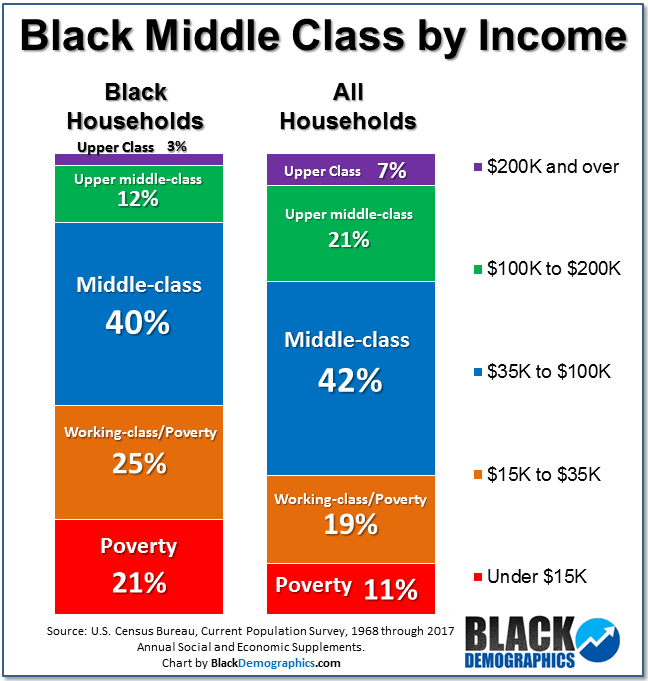
According to the Pew Research Center, middle-income households are those with an income that is two-thirds to double the state or national median. For a single person, this bracket is narrower than it is for a family of four. Nationally, this often places the single-person middle-class bracket somewhere between $35,000 and $105,000, though these figures fluctuate significantly based on annual inflation data and regional economic shifts. However, income alone is a “lagging indicator” of status; it doesn’t account for the purchasing power of those dollars.
Why Household Size Changes the Math
A single person earning $75,000 lives a very different life than a family of four earning the same amount. For the single person, that $75,000 is not being stretched across multiple mouths, yet the fixed costs—rent or mortgage, insurance, and utilities—are not divided by two. This creates a unique financial profile where a single person may feel “richer” in terms of discretionary spending but “poorer” in terms of building long-term equity or absorbing financial shocks compared to a dual-income household with similar per-capita earnings.
The Impact of Cost of Living (COL)
Geography is perhaps the most significant factor in defining middle-class status for a single person. A $60,000 salary in Des Moines, Iowa, might provide a comfortable, upper-middle-class lifestyle including homeownership and frequent travel. Conversely, that same $60,000 in San Francisco or Manhattan might barely cover the “lower-middle-class” basics, often requiring the individual to take on roommates or sacrifice retirement savings to pay for basic housing.
Calculating the Numbers: Income Brackets for Single Earners
When we transition from abstract definitions to hard data, the “middle class” reveals itself as a moving target. To accurately assess your status, you must look at your income relative to your local peers and your overall net worth.
National Averages vs. State Realities
While the national median income provides a baseline, state-level data is far more instructional for the individual. In high-cost states like Massachusetts, Washington, or California, the threshold to be considered “middle class” as a single person often starts closer to $50,000 or $60,000. In lower-cost states like Mississippi or West Virginia, the entry point might be as low as $30,000. Financial experts suggest looking at the “Median Income by Metropolitan Statistical Area” (MSA) to get the most accurate picture of where your salary places you within your community.
Net Worth vs. Annual Income
A common mistake in personal finance is equating middle-class status solely with annual cash flow. True middle-class stability is often measured by net worth—the total of your assets (savings, investments, home equity) minus your liabilities (student loans, credit card debt, car loans). A single person earning $100,000 but carrying $150,000 in high-interest debt might actually have less financial freedom than someone earning $50,000 with a paid-off car and a healthy 401(k). For a single person, a middle-class net worth typically involves having a positive balance that could sustain six months of living expenses in an emergency.
The “Middle-Class Squeeze” for Singles
The “Middle-Class Squeeze” refers to the phenomenon where increases in wages fail to keep pace with the rising costs of essential goods and services like healthcare, education, and housing. For single individuals, this squeeze is felt acutely. Without a partner to share the burden of a rising mortgage or a sudden medical bill, the “middle” often feels incredibly precarious. This is why many financial planners now suggest that for a single person to truly feel middle-class, they need to earn at the higher end of the 67%–200% bracket.
Lifestyle Indicators Beyond the Paycheck

Economic status isn’t just a number on a W-2 form; it is reflected in the way an individual interacts with the economy. For a single person, middle-class status is often defined by a specific set of lifestyle capabilities and financial behaviors.
Housing Affordability and the 30% Rule
A hallmark of the middle class is the ability to afford safe, stable housing without being “house burdened.” The gold standard in personal finance is the 30% rule: your housing costs (rent or mortgage, taxes, and insurance) should not exceed 30% of your gross income. For a single person in a major city, achieving middle-class status often hinges on this metric. If you are spending 50% of your income on a studio apartment, you may have a middle-class salary but a “working poor” lifestyle because your discretionary income is evaporated by fixed costs.
Discretionary Spending and Financial Security
Being middle class implies a certain level of “breathing room.” This includes the ability to afford “wants” after “needs” are met. Can you afford a week-long vacation once a year? Can you eat out twice a week without checking your bank balance? Can you replace a blown tire without using a credit card? For a single person, these small markers of agency are the true indicators of middle-class standing. If every minor luxury requires a budgetary sacrifice elsewhere, you may be on the lower fringe of the middle class.
The Ability to Save and Invest
Perhaps the most critical indicator of middle-class status is the capacity for future-oriented financial behavior. A middle-class single person is not living paycheck to paycheck. They are contributing to a retirement account, perhaps utilizing a Roth IRA or a 401(k), and they are building an emergency fund. The transition from “working class” to “middle class” is marked by the shift from surviving the present to investing in the future.
Strategies to Transition from Middle Class to Wealthy
For the single earner, the path to moving up the economic ladder requires a disciplined approach to capital allocation. Without a second income to rely on, the focus must be on maximizing every dollar earned.
Maximizing Tax-Advantaged Accounts
One of the biggest hurdles for the single middle class is the tax burden. Single filers often find themselves in higher tax brackets sooner than married couples filing jointly. To combat this, savvy individuals prioritize tax-advantaged vehicles. By maximizing contributions to Health Savings Accounts (HSAs) and traditional 401(k)s, a single person can lower their taxable income, effectively “paying themselves” money that would otherwise go to the IRS.
Building Diversified Income Streams
In the modern economy, relying on a single employer is a risk. To move toward the upper-middle class or wealthy status, many singles are turning to side hustles or passive income. Whether it is freelance consulting, a small e-commerce brand, or rental income from a spare room, diversifying income provides a safety net that is essential for solo households. This “income stacking” is a primary driver of upward mobility in the current financial climate.
The Importance of High-Yield Cash Management
Inflation is the enemy of the middle class. To maintain and grow wealth, a single person must ensure their liquid savings are working for them. Utilizing high-yield savings accounts (HYSAs) or short-term Certificates of Deposit (CDs) ensures that an emergency fund isn’t losing purchasing power. Professional money management at this level is less about picking winning stocks and more about optimizing the “cash drag” in one’s portfolio.
The Future of the Middle Class for Solo Households
The definition of the middle class is not static; it evolves with technology, work culture, and global economic trends. For the single person, the future offers both challenges and unique opportunities.
Remote Work and Geographic Arbitrage
The rise of remote work has fundamentally changed the middle-class equation. A single person is more mobile than a family with children in school. This allows for “geographic arbitrage”—earning a high-tier salary from a company based in a tech hub like Seattle while living in a lower-cost area like Nashville or even abroad. This ability to decouple income from local cost-of-living is the modern single person’s greatest tool for achieving a middle-class or wealthy lifestyle.
The Role of Inflation and Purchasing Power
As we look forward, the traditional income markers of the middle class will likely continue to shift upward. If inflation remains a persistent factor, the “six-figure” salary—once the benchmark of the upper-middle class—may soon become the entry point for basic middle-class security in many urban environments. For the single person, staying in the middle class will require an active engagement with personal finance, a commitment to career growth, and a skeptical eye toward lifestyle inflation.
Ultimately, being middle class as a single person is about more than just a bracket; it is about the balance between independence and security. By understanding the math of their specific region and prioritizing long-term wealth over short-term consumption, solo earners can navigate the complexities of the modern economy and build a stable, prosperous financial future.
aViewFromTheCave is a participant in the Amazon Services LLC Associates Program, an affiliate advertising program designed to provide a means for sites to earn advertising fees by advertising and linking to Amazon.com. Amazon, the Amazon logo, AmazonSupply, and the AmazonSupply logo are trademarks of Amazon.com, Inc. or its affiliates. As an Amazon Associate we earn affiliate commissions from qualifying purchases.