
In the rapidly evolving landscape of digital health, the traditional boundaries between clinical medicine and consumer technology have blurred. For decades, the question of “what is considered a low blood pressure reading” was answered in the sterile environment of a doctor’s office using a manual sphygmomanometer. Today, that answer is being recalibrated by sophisticated algorithms, wearable sensors, and real-time data analytics. As we move toward a future of proactive wellness, understanding the technical infrastructure behind blood pressure monitoring is essential for tech enthusiasts and health-tech developers alike.
The Evolution of Measurement: From Analog Cuffs to Smart Sensors
The technical journey of blood pressure monitoring has transitioned from mechanical pneumatic systems to highly sensitive digital transducers. Historically, a reading was a snapshot in time—a single data point. In the tech-driven paradigm, blood pressure is viewed as a continuous stream of data.
Hardware Innovations in Blood Pressure Monitoring
At the core of modern monitoring are two primary technologies: oscillometric measurement and Photoplethysmography (PPG). Most digital home monitors use the oscillometric method, which utilizes an electronic pressure sensor to observe oscillations in blood flow as a cuff deflates. However, the cutting edge of tech lies in cuffless monitoring. Silicon Valley startups and global tech giants are currently refining optical sensors that use light to measure the volume changes in microvasculature. By analyzing the “Pulse Arrival Time” (PAT)—the time it takes for a pulse wave to travel from the heart to a peripheral site—software can now estimate blood pressure without the need for a constricting cuff.
The Digital Threshold: How Software Defines “Low”
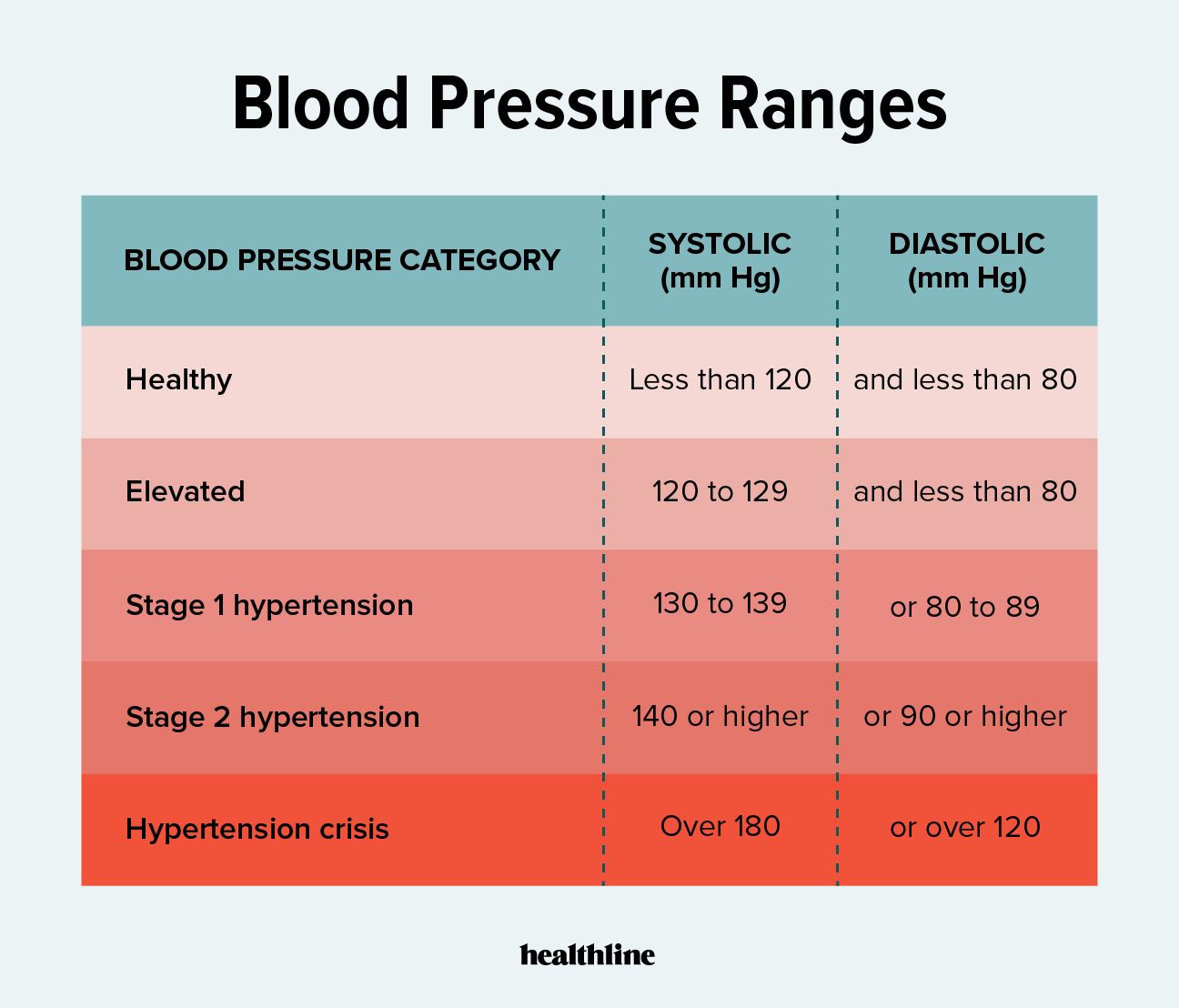
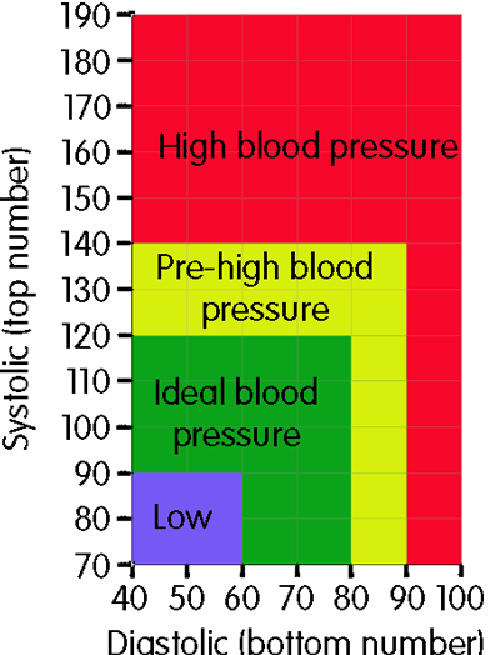
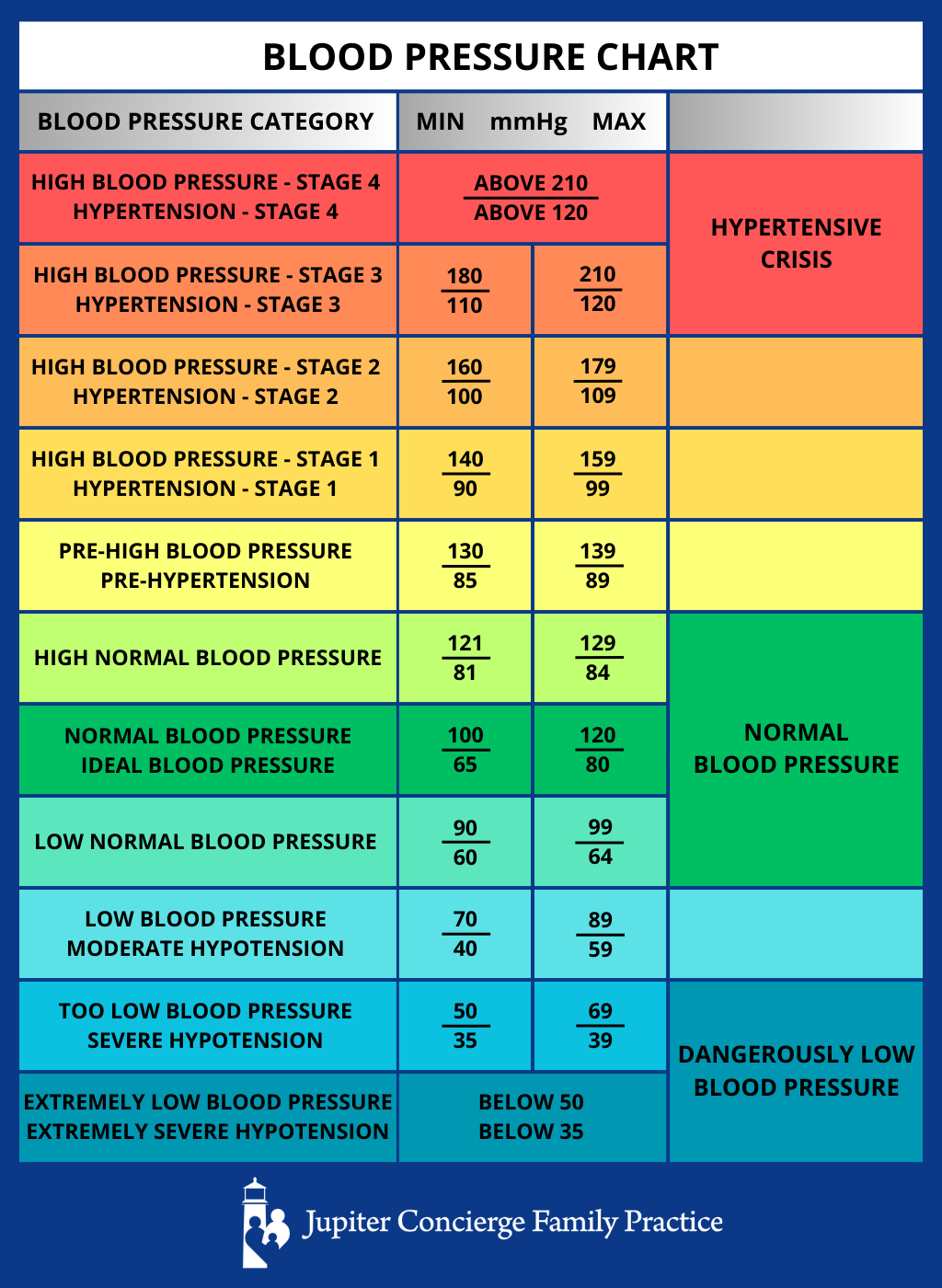
In clinical terms, hypotension (low blood pressure) is generally categorized as a reading lower than 90/60 mmHg. However, in the realm of HealthTech, software is moving away from static thresholds. Modern applications use personalized baselines. Through machine learning, an app can determine that while 90/60 mmHg is “low” for the general population, it might be the “optimal” operating state for a specific athlete. By shifting the definition from a hardcoded integer to a dynamic range, technology allows for a more nuanced understanding of cardiovascular health.
AI and Predictive Analytics in Hypotension Detection
The true power of technology in monitoring low blood pressure is not just in recording the numbers, but in interpreting them through artificial intelligence. While a standard monitor tells you what your pressure is, AI attempts to tell you what it will be.
Machine Learning Algorithms and Vital Sign Correlation
Artificial Intelligence thrives on correlation. A low blood pressure reading in isolation might be benign, but when an AI engine correlates that data with a high heart rate (tachycardia) and a drop in skin temperature—all captured simultaneously by a smartwatch—it can trigger a high-priority alert. Developers use “Random Forest” and “Neural Network” models to analyze thousands of data points per second. These models are trained on massive datasets to distinguish between “orthostatic hypotension” (a temporary drop when standing up) and chronic conditions that require medical intervention.
Real-time Data Streams and Alert Systems
For users prone to fainting or “syncope” due to low blood pressure, latency in data processing is a critical factor. Edge computing—where the data is processed on the wearable device itself rather than being sent to the cloud—allows for near-instantaneous feedback. If the system detects a rapid downward trend toward a dangerous low blood pressure threshold, it can trigger haptic feedback (vibrations) on the wearer’s wrist or send an automated SOS to emergency contacts, complete with the user’s GPS coordinates.
The Role of Wearables and IoT in Continuous Monitoring
The Internet of Things (IoT) has turned the human body into a node within a larger digital ecosystem. For those monitoring for low blood pressure, this connectivity offers a level of safety previously unavailable outside of an Intensive Care Unit.
PPG vs. Oscillometric Tech in Consumer Devices
While traditional medical-grade tech relies on the “gold standard” of cuff-based oscillation, the tech industry is heavily invested in PPG. PPG sensors use green or infrared LEDs to penetrate the skin and measure light absorption. This technology, ubiquitous in devices like the Apple Watch or Oura Ring, provides the “big data” necessary for long-term trend analysis. The challenge for developers remains the “signal-to-noise” ratio; movement and ambient light can interfere with readings. The next generation of gadgets is incorporating “multi-wavelength” PPG to increase accuracy, ensuring that a “low” reading is a genuine physiological state rather than a sensor error.
Integration with Electronic Health Records (EHR)
The utility of a low blood pressure reading is magnified when it can be shared seamlessly with healthcare providers. The integration of consumer tech with Electronic Health Records (EHR) via APIs (Application Programming Interfaces) like Fast Healthcare Interoperability Resources (FHIR) is a major trend. This allows a patient’s low blood pressure readings from a home-tech setup to be uploaded directly into a cardiologist’s dashboard. This “Remote Patient Monitoring” (RPM) tech stack reduces the “White Coat Hypertension” effect and provides a more accurate picture of how a patient’s pressure behaves in the real world.
Security and Privacy in Personal Health Data
As we digitize the metrics of human life, the security of that data becomes a paramount concern. A “low blood pressure reading” is not just a number; it is Protected Health Information (PHI) that requires robust digital defense.
Encryption Standards for Biometric Information
Tech companies must adhere to strict regulatory frameworks such as HIPAA in the United States or GDPR in Europe. From a technical standpoint, this involves End-to-End Encryption (E2EE) for data in transit and AES-256 encryption for data at rest. When a wearable device transmits a low blood pressure alert to a smartphone, the handshake between the two devices must be secure to prevent “eavesdropping” by malicious third-party apps. Furthermore, “Anonymization” techniques are used in large-scale research, stripping away identifying details so that aggregate blood pressure data can be used to improve AI models without compromising individual privacy.
The Future of Decentralized Health Tech
We are seeing a shift toward decentralized identity and blockchain-based health records. In this model, the user owns their blood pressure data. Instead of a tech giant storing millions of heart-rate logs on a centralized server, the data is stored on a decentralized ledger. This gives users the power to grant temporary access to their “low blood pressure” history to a specific doctor or researcher through “Smart Contracts.” This ensures that while technology makes our vitals more transparent to us, they remain invisible to those without authorized access.
Conclusion: The Programmable Heart
The question “what is considered a low blood pressure reading” has evolved from a simple medical definition into a complex technical challenge. Through the lens of technology, we no longer see blood pressure as a static number, but as a dynamic variable within a sophisticated biological-digital interface.
As sensors become more sensitive, AI becomes more predictive, and data becomes more secure, our ability to manage hypotension will rely less on manual checks and more on the invisible “digital twin” we create through our devices. For the tech industry, the mission is clear: to create an ecosystem where a low blood pressure reading is not just detected, but understood in context, providing users with the insights they need to live healthier, tech-empowered lives.
aViewFromTheCave is a participant in the Amazon Services LLC Associates Program, an affiliate advertising program designed to provide a means for sites to earn advertising fees by advertising and linking to Amazon.com. Amazon, the Amazon logo, AmazonSupply, and the AmazonSupply logo are trademarks of Amazon.com, Inc. or its affiliates. As an Amazon Associate we earn affiliate commissions from qualifying purchases.