
In the last decade, the definition of health awareness has shifted from annual clinical check-ups to second-by-second data streams on our wrists. At the center of this biometric revolution is the Resting Heart Rate (RHR)—a foundational metric of cardiovascular health. While the medical definition of a “high” resting heart rate remains relatively stable, the technology used to detect, analyze, and contextualize this number has undergone a radical transformation. Understanding what is considered a high resting heart rate in today’s world requires more than just a medical dictionary; it requires an understanding of sensor technology, algorithmic interpretation, and the digital ecosystem of health-tech.
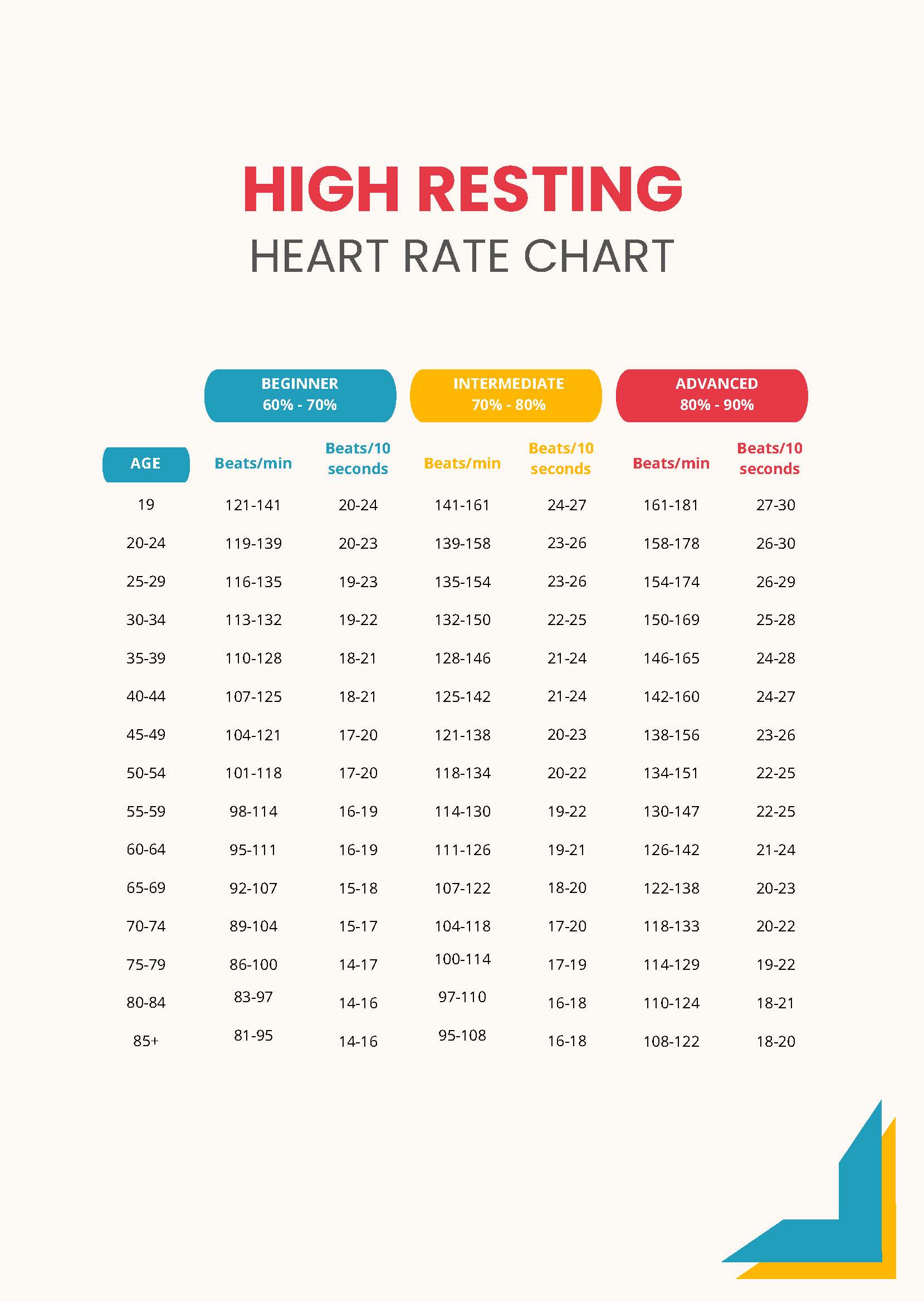
The Evolution of Biometric Monitoring: From Clinical Tools to Consumer Gadgets
Historically, measuring a resting heart rate was a manual process involving a stopwatch and a finger on the radial pulse. In clinical settings, the Electrocardiogram (ECG or EKG) became the gold standard, using electrodes to measure the electrical activity of the heart. However, the tech industry has democratized this data, moving the capability from the hospital wing to the consumer’s pocket.
PPG Sensors: The Tech Behind the Light
Most modern wearables, from the Apple Watch to the Oura Ring and WHOOP strap, utilize Photoplethysmography (PPG) to determine RHR. This technology relies on a simple but effective optical principle: blood is red because it reflects red light and absorbs green light. By using green LED lights paired with light-sensitive photodiodes, wearables detect the amount of blood flowing through the wrist at any given moment. When the heart beats, the blood flow—and the green light absorption—is at its peak. Between beats, it is lower.
The tech challenge lies in the “noise.” Movement, skin tone, and even the tightness of the watch band can interfere with these light readings. High-end wearables use sophisticated digital signal processing (DSP) to filter out this noise, ensuring that when the device tells you your heart rate is 110 bpm while sitting still, it is reflecting physiological reality rather than a sensor glitch.
Understanding the “Normal” Baseline in the Era of Big Data
Medical literature generally defines a normal resting heart rate for adults as ranging from 60 to 100 beats per minute (bpm). Anything consistently above 100 bpm is clinically labeled as tachycardia. However, the “Tech” perspective on this is more nuanced. Through the collection of billions of data points, tech companies have discovered that “normal” is highly individualized.
Big data analysis from companies like Fitbit and Garmin suggests that the average RHR for a healthy individual is often lower than the broad clinical range, frequently hovering between 50 and 70 bpm for active users. As technology advances, we are moving away from “population averages” and toward “personalized baselines.” In this context, a “high” RHR might not just be a number over 100; it might be a 15% deviation from your digitally established three-month average.
Defining “High” in the Digital Age: When Algorithms Flag Your RHR
When a wearable device flags a high resting heart rate, it isn’t just performing a calculation; it is comparing your current state against a vast library of historical data. In the tech world, “high” is a relative term defined by algorithmic thresholds.
Tachycardia and the Digital Warning System
From a technical standpoint, a high resting heart rate is often the first “red flag” an algorithm identifies. Most smartwatches are programmed to send an alert if the heart rate exceeds a certain threshold (usually 100 or 120 bpm) during a period of perceived inactivity (detected via accelerometers).
This integration of sensors is key. A high heart rate while the accelerometer detects high-intensity movement is “exercise.” A high heart rate while the accelerometer detects zero movement is a “notification event.” For the user, this tech-driven insight is invaluable. It can be the first indication of systemic stress, dehydration, or an underlying medical condition like an infection—often flagging a high RHR hours before the user feels physical symptoms of illness.
Factors Impacting Tech Accuracy and Interpretation
It is critical to acknowledge the technical limitations that can lead to a false “high” reading. Not all sensors are created equal. Hardware limitations, such as the “cadence lock” (where the sensor mistakes the rhythm of a person’s movements for their heart rate), can occasionally lead to inflated RHR data.

Furthermore, software updates frequently recalibrate how these devices calculate RHR. Some devices take a snapshot the moment you wake up; others average your heart rate throughout your entire sleep cycle. If you switch from a device that uses “instant-on” waking RHR to one that uses a “sleep average,” your “high” RHR might suddenly seem “normal” simply because the algorithm changed. Understanding the tech stack behind the number is essential for accurate health interpretation.
The Role of AI and Machine Learning in Cardiovascular Diagnostics
We have moved past simple data collection into the era of predictive analytics. Artificial Intelligence (AI) and Machine Learning (ML) are now the primary drivers in determining what a high heart rate means for a specific user.
Predictive Analytics: Beyond Just a Number
Sophisticated health-tech platforms no longer just report a high RHR; they interpret it within a “Digital Twin” model. By using ML models trained on millions of users, these platforms can correlate a high RHR with other metrics like Heart Rate Variability (HRV), sleep quality, and respiratory rate.
For instance, if your RHR is 10 bpm higher than usual, but your HRV is stable and your sleep was restorative, the AI might interpret the high RHR as a temporary reaction to caffeine or a late meal. Conversely, if a high RHR is coupled with a drop in HRV, the system might flag it as a sign of overtraining or impending illness. This layered technological approach transforms a singular, potentially scary number into a piece of actionable intelligence.
Personalized Health Baselines vs. Population Averages
The most significant tech trend in this space is the move toward “N-of-1” diagnostics. Rather than comparing a user to the general population (where 100 bpm is the cutoff), AI models create a personalized signature for the user.
For a high-performance athlete, a resting heart rate of 70 bpm might be “technically high” compared to their usual 45 bpm. A standard clinical check-up might miss this because 70 bpm is “within range.” However, a wearable’s software will identify this as a significant anomaly. This shift from “General Tech” to “Personalized Tech” is redefining how we monitor chronic conditions and optimize daily performance.
Data Privacy and the Ethics of Constant Heart Monitoring
As we integrate these high-frequency data streams into our lives, we must address the technological infrastructure that stores and protects this sensitive biometric information. Knowing your RHR is high is a health benefit; having that data leaked is a digital liability.
Security of Biometric Clouds
Biometric data is among the most sensitive information a person can generate. When a device records a high resting heart rate, that data is usually encrypted and sent to a cloud server for processing. The security protocols—such as AES-256 encryption and end-to-end synchronization—are what allow this tech to be used in conjunction with healthcare providers.
The tech industry is currently navigating the balance between “open data” (allowing you to share your RHR trends with your doctor via Apple HealthKit or Google Fit) and “closed loops” (keeping data local to the device to prevent hacking). As RHR monitoring becomes more prevalent, the robustness of a brand’s digital security becomes as important as the accuracy of its heart rate sensor.
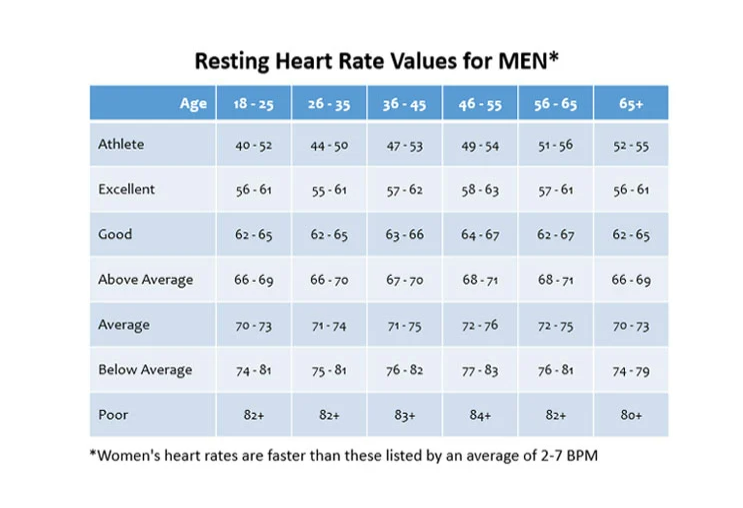
The Future of Remote Patient Monitoring (RPM)
The intersection of high RHR detection and telehealth is the next frontier. Remote Patient Monitoring (RPM) technologies allow doctors to receive real-time alerts if a patient’s RHR crosses a specific threshold. This is not just a consumer convenience; it is a life-saving tech application.
Future iterations of this technology will likely include “ambient sensing,” where heart rate is monitored via Wi-Fi signals or smart mirrors, removing the need for a wearable device altogether. In this future, the question “what is considered a high resting heart rate” will be answered by an invisible, AI-driven environment that optimizes our health settings in real-time.
By viewing heart rate through the lens of technology, we see that a “high” RHR is no longer just a static medical data point. It is a dynamic, algorithmic signal that—when captured by precise sensors and analyzed by intelligent software—offers a profound window into the human machine. In the digital age, your heart rate is more than a pulse; it is a data stream that, if listened to correctly, can guide you toward a longer, healthier life.
aViewFromTheCave is a participant in the Amazon Services LLC Associates Program, an affiliate advertising program designed to provide a means for sites to earn advertising fees by advertising and linking to Amazon.com. Amazon, the Amazon logo, AmazonSupply, and the AmazonSupply logo are trademarks of Amazon.com, Inc. or its affiliates. As an Amazon Associate we earn affiliate commissions from qualifying purchases.