
In the contemporary landscape of high-performance living, the age-old question of “what is considered a good breakfast” has migrated from the kitchen table to the laboratory and the digital dashboard. We are no longer merely looking for a meal that “tides us over” until lunch; we are looking for a biological and technological “on-ramp” that maximizes cognitive output, stabilizes blood glucose, and integrates seamlessly into a hyper-connected lifestyle.
For the modern professional, the technologist, and the digital native, a “good” breakfast is defined by data, biohacking, and the smart integration of hardware and software. This article explores how technology has redefined the morning meal, shifting the focus from traditional food groups to optimized nutrient delivery systems and data-driven routines.

The Biohacking Revolution: From Calories to Data-Driven Nutrition
In the tech world, the definition of a good breakfast begins with metabolic data. The traditional paradigm of a “balanced meal”—typically involving grains, fruit, and dairy—is being challenged by biohackers who use sophisticated tools to monitor how specific ingredients interact with their unique physiology.
Continuous Glucose Monitoring (CGM) and Postprandial Response
The most significant technological shift in morning nutrition is the adoption of Continuous Glucose Monitors (CGMs) by non-diabetics. Devices like those from Levels, Nutrisense, or Ultrahuman allow users to see, in real-time, how their “healthy” breakfast affects their blood sugar.
A “good” breakfast, through this lens, is one that avoids a massive glucose spike. For many tech-focused individuals, this has led to the abandonment of traditional high-carb breakfasts like oatmeal or orange juice in favor of high-fat, moderate-protein options that provide a steady stream of energy without the mid-morning “crash” that hampers coding or strategic deep work.
Nutrigenomics: Tailoring the Start of the Day to Your DNA
Beyond glucose, a good breakfast is now being informed by nutrigenomics—the study of how food affects our genes and how individual genetic variations affect the way we respond to nutrients. Using platforms like 23andMe or specialized services like DNAfit, individuals can determine if their “good breakfast” should include high levels of caffeine or if their body metabolizes saturated fats efficiently.
For a slow caffeine metabolizer, a “good breakfast” might strictly exclude coffee to prevent late-day anxiety and sleep disruption. Conversely, for someone with a specific genetic predisposition for low Vitamin D, a tech-optimized breakfast might involve smart supplementation integrated directly into a morning smoothie.
The Rise of Nootropic Integration
The modern tech-driven breakfast often includes “brain-boosters” or nootropics. These are substances—ranging from L-theanine to Lion’s Mane mushroom—designed to enhance executive function, memory, and creativity. A good breakfast in this context is a delivery vehicle for these compounds, often blended into “smart coffees” or functional beverages that are measured to the milligram using precision digital scales.
The Smart Kitchen Ecosystem: Hardware for the Perfect Start
The physical preparation of a good breakfast has been revolutionized by the Internet of Things (IoT). The kitchen is no longer a collection of “dumb” appliances; it is an interconnected ecosystem designed for precision and efficiency.
AI-Powered Appliances and Precision Cooking
What is considered a good breakfast is often a matter of temperature and timing. High-end smart ovens and precision induction cooktops allow for “connected cooking,” where recipes are downloaded directly to the appliance to ensure that proteins are never denatured and micronutrients are preserved.
For example, a “good breakfast” might involve a sous-vide egg prepared via a Wi-Fi-connected circulator, ensuring a perfect texture that preserves highly bioavailable proteins. Similarly, AI-driven refrigerators now track the freshness of ingredients, suggesting breakfast recipes based on what is currently in stock, ensuring that the user hits their macro-nutrient targets for the day without manual calculation.
Automated Nutrient Delivery Systems
For the time-constrained professional, a good breakfast is often one that is automated. We are seeing a surge in sophisticated “smart blenders” and automated espresso machines that can be triggered via a smartphone app or a voice command to Alexa or Google Assistant.
These devices do more than just mix food; they quantify it. Some high-end systems can sync with Apple Health or Google Fit, adjusting the portions of a meal based on the user’s activity levels from the previous day or the quality of their sleep. If your Oura ring detects a low recovery score, your smart coffee machine might automatically increase the dosage of specific adaptogens in your morning brew.
The Role of Robotics in Meal Prep
While still in its early stages, robotic kitchen assistants are beginning to define the future of the morning meal. These systems can handle the “grunt work” of chopping, stirring, and cleaning, allowing the user to focus on their “digital breakfast”—the consumption of information—while a perfectly balanced, fresh meal is prepared with robotic precision.

Digital Breakfasts: Optimizing Information and Cognitive Intake
In the tech industry, “breakfast” isn’t just about what you eat; it’s about what you “consume” digitally. The first hour of the day sets the cognitive tone for the next twelve. A “good” breakfast, therefore, includes a curated stream of high-quality data.
Curating the Morning Feed for Peak Mental Performance
The “digital breakfast” involves the use of AI-driven aggregators and newsletters to bypass the noise of social media. Instead of doom-scrolling, a tech-optimized morning involves tools like Feedly, Matter, or Pocket, which use machine learning to surface the most relevant industry news, research papers, and technical updates.
A good breakfast in the digital sense is one that provides a “high signal-to-noise ratio.” This means avoiding dopamine-triggering apps and focusing on long-form content or summarized briefings that contribute to professional growth and mental clarity.
AI Summarizers and Audio Briefings
As many professionals move through their morning routine, the consumption of information has shifted from visual to auditory. “Good” digital breakfasts often utilize AI text-to-speech tools or “Daily Brief” podcasts.
Apps like Speechify or the “Natural Reader” allow users to listen to complex technical documentation or newsletters while they are physically eating. This multitasking, enabled by high-fidelity AI voices, ensures that by the time the user sits down at their workstation, they are already fully briefed on the day’s technological and economic landscape.
The Psychology of Digital Fasting
Paradoxically, some of the most effective tech leaders consider a “good breakfast” to be a period of “digital fasting.” This involves the deliberate use of technology to block technology. Apps like Freedom or Forest are used to ensure that the morning meal is a time of “deep work” or “deep thought,” free from the intrusion of Slack notifications or emails. This tech-enabled boundary-setting is crucial for maintaining the “flow state” necessary for complex problem-solving.
Quantifying Wellness: Apps and Wearables for Morning Monitoring
Finally, a good breakfast is validated by metrics. In the tech world, if you can’t measure it, it didn’t happen. The “goodness” of a meal is confirmed by the biometric data recorded in the hours following its consumption.
Biometric Readiness Scores
Wearables like the Oura Ring, WHOOP strap, and Apple Watch have introduced the concept of a “Readiness Score.” This number, calculated based on heart rate variability (HRV), sleep quality, and resting heart rate, often dictates what a person should eat for breakfast.
If a user’s HRV is low, a “good breakfast” might involve higher carbohydrate intake to lower cortisol levels. If the readiness score is high, the user might opt for a “bulletproof” style fat-heavy breakfast or even a fasted morning to capitalize on peak cognitive focus. Technology has turned breakfast from a static habit into a dynamic response to biological data.
Syncing Breakfast with Circadian Rhythms via Tech
The emerging field of chronobiology, supported by apps like Rise Science, suggests that when you eat is as important as what you eat. A good breakfast is one that is timed to the user’s “melatonin offset.”
Technology helps users identify their ideal window for first-meal consumption, ensuring that they aren’t eating during a biological “sleep” phase, which can lead to poor insulin sensitivity. By using apps to track light exposure and sleep cycles, individuals can pinpoint the exact minute their body is ready to process nutrients, making the meal significantly more effective.
The Future: Personalized Supplementation and Real-time Bio-feedback
Looking forward, what is considered a good breakfast will become even more granular. We are approaching an era of 3D-printed food and personalized supplement pods that are custom-mixed every morning based on a finger-prick blood test or a breathalyzer reading (like the Lumen device) that determines whether you are burning fats or carbs.
In this future, a “good breakfast” is a perfectly synthesized chemical and nutritional “patch” or meal, designed by an AI nutritionist that has access to your entire medical history, current workload, and real-time stress levels.
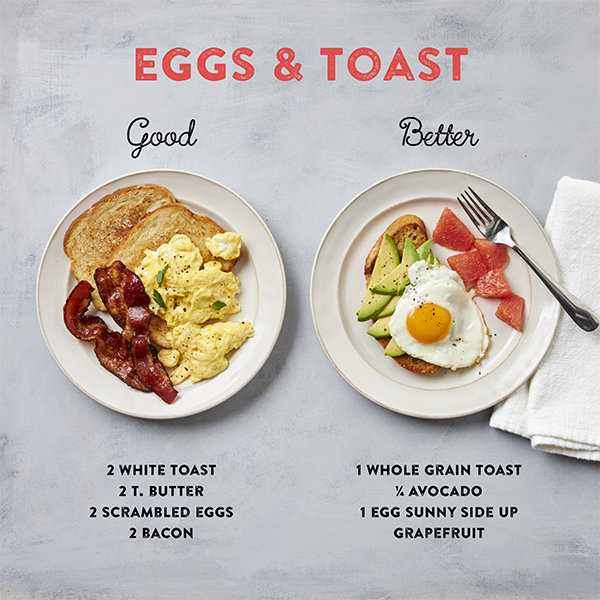
Conclusion: The New Definition of Morning Fuel
The traditional definition of a “good breakfast” is being dismantled by the relentless march of technology. It is no longer a generic plate of food; it is a sophisticated, data-driven, and highly personalized event.
A good breakfast today is a meal that is validated by a CGM, prepared by an IoT-enabled appliance, timed by a circadian rhythm app, and accompanied by a curated digital briefing. It is an optimized input designed to fuel a high-output human engine. As technology continues to integrate into our biological lives, the “most important meal of the day” will only become more precise, more efficient, and more essential to our success in the digital age.
aViewFromTheCave is a participant in the Amazon Services LLC Associates Program, an affiliate advertising program designed to provide a means for sites to earn advertising fees by advertising and linking to Amazon.com. Amazon, the Amazon logo, AmazonSupply, and the AmazonSupply logo are trademarks of Amazon.com, Inc. or its affiliates. As an Amazon Associate we earn affiliate commissions from qualifying purchases.