
Chronic Lymphocytic Leukemia (CLL) was once viewed purely through the lens of traditional biology—a slow-growing cancer of the white blood cells. However, in the modern era, the question “what is CLL?” is increasingly being answered by computer scientists, data engineers, and software developers. The landscape of hematology has shifted from reactive medicine to a proactive, tech-driven discipline. Today, the fight against CLL is being won not just in the lab, but through high-performance computing, artificial intelligence (AI), and sophisticated digital ecosystems.
Decoding the Genome: The Role of Next-Generation Sequencing (NGS) in CLL
The foundational technology currently reshaping our understanding of CLL is Next-Generation Sequencing (NGS). In the past, identifying the specific mutations in a patient’s B-cells was a laborious, expensive process. Today, NGS serves as a high-throughput data engine that allows researchers to sequence entire genomes or targeted exomes in a matter of days.

High-Throughput Data Analysis and Bioinformatics
NGS generates massive datasets—terabytes of raw genetic information—that require advanced bioinformatics pipelines to interpret. In the context of CLL, technology is used to identify specific “drivers” of the disease, such as the IGHV mutation status or TP53 deletions. These are not just biological markers; they are data points that determine the “software” instructions of the cancer cell. By using specialized algorithms, clinicians can map the genetic architecture of the leukemia, allowing for a digital blueprint of the disease before a single pill is prescribed.
Identifying Biomarkers for Targeted Therapy
The tech behind NGS has paved the way for “targeted therapy.” Instead of the “carpet-bombing” approach of traditional chemotherapy, software-driven analysis identifies the specific pathways—like the BTK (Bruton’s tyrosine kinase) pathway—that the cancer relies on. Tech companies and biotech firms are now developing software that can simulate how different molecular compounds interact with these pathways, significantly shortening the drug discovery cycle.
AI and Machine Learning: Redefining Diagnosis and Prognosis
Artificial Intelligence is perhaps the most disruptive tech trend in the oncology space. For CLL, AI is moving beyond the experimental phase and into clinical decision support systems. By applying machine learning (ML) to large sets of patient data, we are seeing a shift in how leukemia is diagnosed and how its progression is predicted.
Algorithmic Cytology and Pattern Recognition
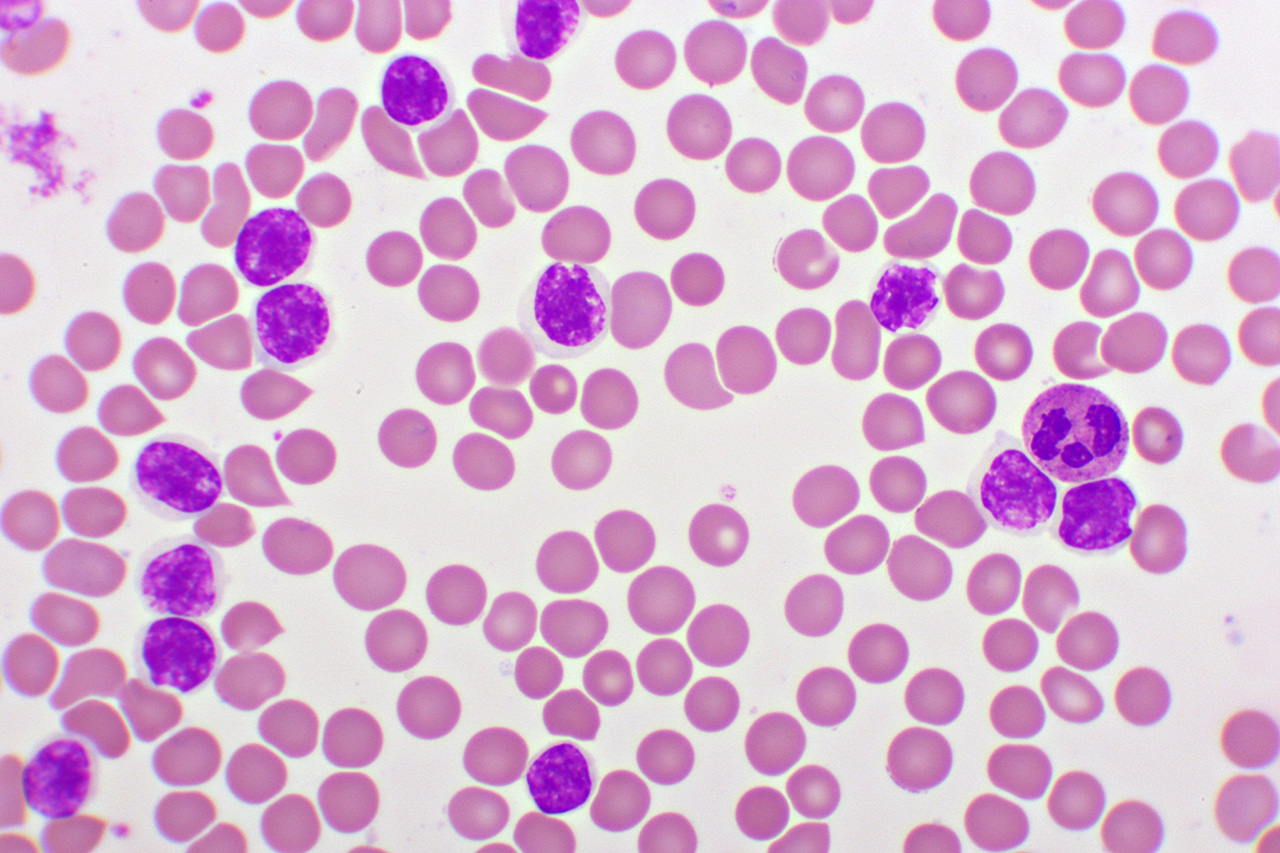
Traditionally, a hematopathologist would look through a microscope to identify the characteristic small, mature lymphocytes of CLL. Today, computer vision algorithms are being trained on millions of digital slides. These AI models can identify subtle morphological patterns that the human eye might miss, such as minute variations in cell density or nuclear structure. This tech reduces human error and provides a standardized, objective analysis of the disease state.
Predictive Analytics for Patient Outcomes
CLL is a highly heterogeneous disease; some patients never require treatment (the “watch and wait” approach), while others progress rapidly. Predictive analytics—using deep learning models—can integrate genomic data, electronic health records, and lifestyle factors to calculate a “risk score.” These models help physicians determine which patients are likely to transform into more aggressive forms of the disease, such as Richter’s Transformation. This transition from “observation” to “algorithmic prediction” represents a massive leap in medical technology.
The Software Ecosystem of Modern Oncology
Managing CLL is no longer a localized event. It happens within a complex software ecosystem designed to facilitate data sharing, patient monitoring, and the acceleration of clinical trials.
Electronic Health Records (EHR) and Interoperability
The backbone of modern CLL management is the Electronic Health Record (EHR). However, the real “tech” story is interoperability—the ability of different software systems to talk to one another. Cloud-based platforms now allow genomic data from a specialized lab to be seamlessly integrated into a patient’s primary medical record. This ensures that a specialist in New York and a researcher in London are looking at the same real-time data, accelerating the collective understanding of CLL.
Clinical Trial Matching Platforms
One of the biggest hurdles in treating rare or complex leukemias is finding the right clinical trial for the right patient. New SaaS (Software as a Service) platforms are now using Natural Language Processing (NLP) to scan thousands of trial protocols and match them against a patient’s specific genetic profile. For a CLL patient with a rare mutation, this technology is the difference between accessing a life-saving experimental drug and exhausting standard options.
Future Tech: CRISPR, Digital Twins, and Wearable Monitoring
As we look toward the horizon, the intersection of technology and CLL treatment is moving into territories that sound like science fiction. These emerging tech trends are set to move CLL from a manageable chronic condition to a potentially curable one.
Gene Editing as the Ultimate Software Patch
CRISPR-Cas9 technology is essentially a “search and replace” function for DNA. In the realm of CLL, researchers are exploring how to use CRISPR to edit the T-cells of a patient (CAR-T cell therapy), effectively “reprogramming” the immune system to recognize and delete leukemia cells. This is biology acting as software; by rewriting the genetic code, we are patching the “bugs” in the human immune system that allowed the cancer to thrive.
Digital Twins and IoT Monitoring
The concept of a “Digital Twin”—a virtual model of a physical process or object—is migrating from engineering to medicine. In the future, a CLL patient may have a digital twin: a computer model that simulates their specific biology. Doctors can test different drug combinations on the digital twin to see which one is most effective before ever treating the actual patient.
Furthermore, the Internet of Things (IoT) and wearable technology are beginning to play a role in chronic monitoring. Wearables can track subtle changes in activity levels, heart rate, and sleep patterns in CLL patients. When integrated with AI, these devices can flag early signs of infection or treatment toxicity, allowing for remote intervention before a complication becomes a crisis.
Conclusion: The Convergence of Bio-Tech and Med-Tech
To understand “what is CLL” in the 21st century is to understand the convergence of biology and technology. We are moving away from a world where leukemia is treated with a one-size-fits-all approach. Instead, we are entering an era of “Precision Tech,” where the treatment of CLL is as sophisticated as the most advanced software engineering.
The integration of NGS data, AI-driven diagnostics, and interconnected software platforms has transformed CLL from a mysterious ailment of the blood into a data-rich challenge that can be analyzed, tracked, and targeted with surgical precision. As machine learning models become more refined and gene-editing tools more accessible, the technological infrastructure surrounding CLL will continue to evolve, offering patients not just a diagnosis, but a personalized, tech-optimized roadmap to survival. The future of oncology is digital, and for those living with CLL, that technology is the greatest source of hope.
aViewFromTheCave is a participant in the Amazon Services LLC Associates Program, an affiliate advertising program designed to provide a means for sites to earn advertising fees by advertising and linking to Amazon.com. Amazon, the Amazon logo, AmazonSupply, and the AmazonSupply logo are trademarks of Amazon.com, Inc. or its affiliates. As an Amazon Associate we earn affiliate commissions from qualifying purchases.