
In the complex ecosystem of global healthcare, a product is rarely defined solely by its chemical composition. While a scientist might view a substance through the lens of molecular chains and biological reactions, the market views it through the lens of branding. Cleocin, a well-known name in the pharmaceutical world, serves as a premier example of how brand strategy, corporate identity, and market positioning transform a generic chemical entity—clindamycin—into a trusted, high-value asset.
To understand “What is Cleocin” from a brand perspective is to understand the sophisticated machinery of pharmaceutical marketing. It is about more than just fighting infection; it is about how a brand maintains authority, commands premium pricing, and secures a legacy in an era dominated by generic alternatives.

The Anatomy of a Pharmaceutical Brand: From Molecule to Market Identity
The transition from a laboratory discovery to a household or clinical name is a journey of meticulous brand architecture. In the pharmaceutical industry, a product typically has three names: the chemical name, the generic name (clindamycin), and the brand name (Cleocin). The creation of the “Cleocin” brand was not an accidental byproduct of development; it was a strategic necessity.
The Transition from Chemical Formula to Marketable Identity
In the early stages of drug development, a compound is known by a string of numbers and letters. Once it moves toward the public sphere, it requires an identity that communicates efficacy and safety. The name “Cleocin” was engineered to be memorable, easy to pronounce for clinicians, and evocative of “cleanliness” or “clearing” an infection.
Unlike the generic term “clindamycin,” which is phonetic and descriptive of the drug’s class, Cleocin is a proprietary “trademark.” This trademark allows the parent company, Pfizer, to own the mental real estate in a physician’s mind. When a doctor writes “Cleocin” on a prescription pad, they are not just prescribing a chemical; they are invoking a specific standard of manufacturing and a history of clinical performance associated with a global brand.
Clindamycin vs. Cleocin: Why Naming Matters in Strategy
From a brand strategy perspective, the distinction between the generic and the brand is the distinction between a commodity and a premium product. Commodities compete on price; brands compete on trust. By branding clindamycin as Cleocin, the manufacturer created a “shortcut” for healthcare providers.
In high-pressure clinical environments, the brevity and distinctiveness of a brand name reduce the cognitive load on practitioners. This ease of use is a core pillar of pharmaceutical brand strategy. A name that is easy to recall is a name that is frequently prescribed, illustrating how linguistic engineering serves the bottom line.
Building Brand Equity in the Healthcare Sector
Brand equity is the commercial value that derives from consumer perception of the brand name of a particular product, rather than from the product itself. For Cleocin, this equity has been built over decades through consistent messaging, clinical reliability, and the backing of one of the world’s most powerful corporate identities.
Establishing Trust with Practitioners and Patients
The healthcare industry is unique because the “consumer” (the patient) is often not the “decision-maker” (the physician). Therefore, a brand like Cleocin must execute a dual-layered strategy.
For the physician, the brand represents a legacy of clinical trials and predictable outcomes. Pfizer’s strategy has historically focused on providing robust data and support materials that reinforce Cleocin as the gold standard in its class. For the patient, the professional packaging and the association with a reputable manufacturer provide peace of mind. This “trust-based equity” allows the brand to remain relevant even when cheaper, generic versions of clindamycin are available. It is the belief that the “original” is somehow more refined or reliable than the “copy.”
The Role of Visual Identity and Packaging in Compliance
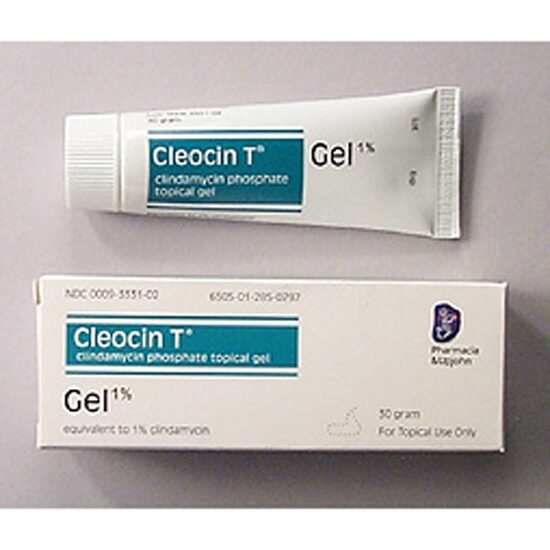
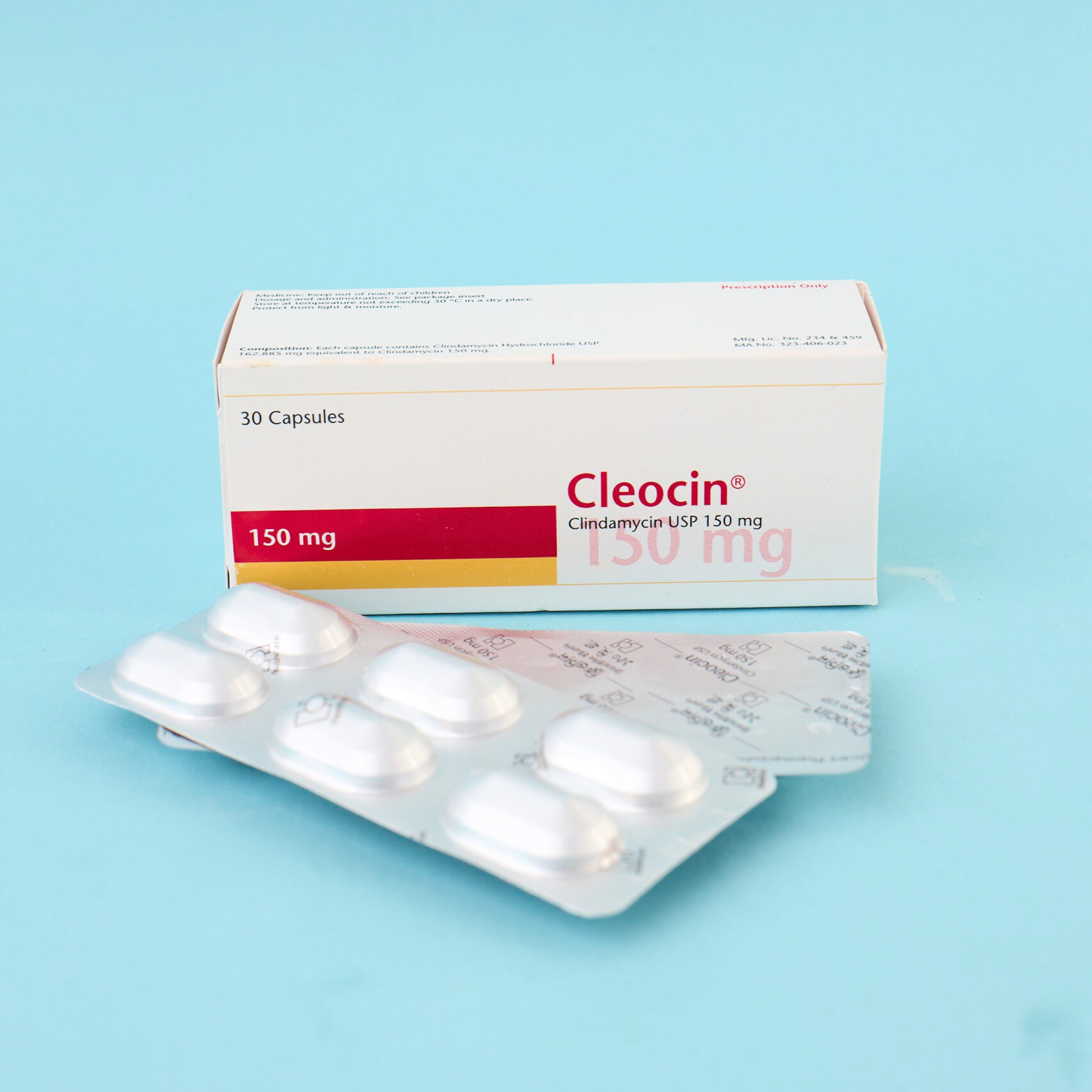
A brand is also a visual experience. The design of Cleocin’s packaging—the color palettes used in its various forms (capsules, gels, and injectables)—serves as a functional part of its brand identity. In a hospital pharmacy, clear, distinct branding prevents medication errors.
The corporate identity of the manufacturer is subtly woven into the product’s visual presence. When a pharmacist sees the Pfizer logo alongside the Cleocin name, it triggers a set of expectations regarding quality control and supply chain integrity. This visual consistency is a critical component of brand management, ensuring that the product is recognizable across different global markets despite varying language barriers.
Strategic Differentiation in a Competitive Generic Landscape
The greatest challenge for any pharmaceutical brand is the “patent cliff.” When a drug loses its patent protection, generic manufacturers flood the market with lower-cost versions. Cleocin’s survival and continued market presence provide a masterclass in how to navigate this transition through strategic differentiation.
Navigating the Patent Cliff and Generic Competition
Once a patent expires, the brand strategy must shift from “innovation-led” to “loyalty-led.” Cleocin has successfully navigated this by positioning itself as the “tried and true” option. While generic clindamycin may be chemically identical, the Cleocin brand leverages its “pioneer status.”
Market researchers often find that a segment of both providers and patients remains “brand loyal” even at a higher price point. This is particularly true in the treatment of serious infections, where the perceived risk of failure is high. The brand strategy here is to market the security of the brand name, effectively arguing that the small price premium is worth the assurance of using the original formulation.
Brand Loyalty in an Era of Cost-Conscious Healthcare
In modern healthcare, insurance companies often push for the cheapest generic option. To counter this, brand managers for products like Cleocin use “Authorized Generic” strategies or patient assistance programs.
By releasing their own generic version through a subsidiary, the parent company can capture both ends of the market: the price-sensitive segment and the brand-loyal segment. This allows the Cleocin identity to remain a “prestige” label while the corporate entity maintains its market share. It is a sophisticated financial and branding maneuver that ensures the molecule continues to generate revenue long after its primary patent has expired.
The Corporate Identity Behind the Product
No brand exists in a vacuum. Cleocin is an integral part of Pfizer’s massive portfolio, and its identity is inextricably linked to Pfizer’s overarching corporate brand strategy.
Aligning Cleocin with Pfizer’s Global Brand Architecture
Pfizer’s recent rebranding—moving toward a “science-first” visual identity with its double-helix logo—impacts how all its sub-brands are perceived. Cleocin benefits from being under the umbrella of a company that markets itself as a leader in global health innovation.
In brand architecture, Cleocin is a “product brand” supported by a “corporate brand.” The strength of the corporate parent provides the infrastructure for global distribution, regulatory expertise, and marketing spend. When Pfizer invests in its corporate reputation, that halo effect extends to Cleocin. Conversely, Cleocin’s long-standing success as a reliable antibiotic contributes to Pfizer’s reputation as a leader in anti-infectives.
Crisis Management and Reputation in Pharma Branding
The pharmaceutical industry is highly regulated and scrutinized. A brand’s identity is only as strong as its safety profile. Part of the brand management for Cleocin involves proactive communication regarding side effects and proper usage.
When a brand is transparent about its risks—such as the potential for C. difficile associated diarrhea—it actually builds long-term trust. Professionalism in crisis management and clear labeling are essential parts of brand strategy. By being the primary source of safety information, the Cleocin brand maintains its position as the authoritative voice on the molecule, further distancing itself from “faceless” generic manufacturers who do not invest in the same level of medical education and outreach.
Conclusion: The Lasting Legacy of a Brand
When we ask “What is Cleocin?”, the answer transcends medicine. It is a textbook example of how a brand can define a category, survive the loss of patent exclusivity, and maintain a premium identity in a crowded market.
Through clever naming, the cultivation of physician trust, and a robust alignment with its corporate parent, Cleocin has moved beyond being a mere antibiotic. it has become a symbol of clinical reliability. For brand strategists, the lesson is clear: a product’s value is not just in what it does, but in what the brand means to the person prescribing it and the patient receiving it. In the world of high-stakes healthcare, the brand is the ultimate bridge between science and the consumer.
aViewFromTheCave is a participant in the Amazon Services LLC Associates Program, an affiliate advertising program designed to provide a means for sites to earn advertising fees by advertising and linking to Amazon.com. Amazon, the Amazon logo, AmazonSupply, and the AmazonSupply logo are trademarks of Amazon.com, Inc. or its affiliates. As an Amazon Associate we earn affiliate commissions from qualifying purchases.