
In the hyper-competitive landscape of global healthcare, products are often defined by two distinct identities: their scientific composition and their market-facing brand. When a consumer asks, “What is Cetirizine HCl 10 mg?” they are physically inquiring about a common second-generation antihistamine. However, from a branding and strategic perspective, Cetirizine HCl 10 mg represents one of the most successful case studies in the transition from a high-value proprietary asset to a ubiquitous generic powerhouse.
Understanding the brand strategy behind this molecule requires looking beyond the chemistry. It involves analyzing how a pharmaceutical company transforms a complex chemical name into a household staple, and how generic manufacturers leverage that established trust to capture market share. This article explores the branding lifecycle of Cetirizine HCl 10 mg, the psychological impact of pharmaceutical naming conventions, and the strategic maneuvers that define the allergy relief market.
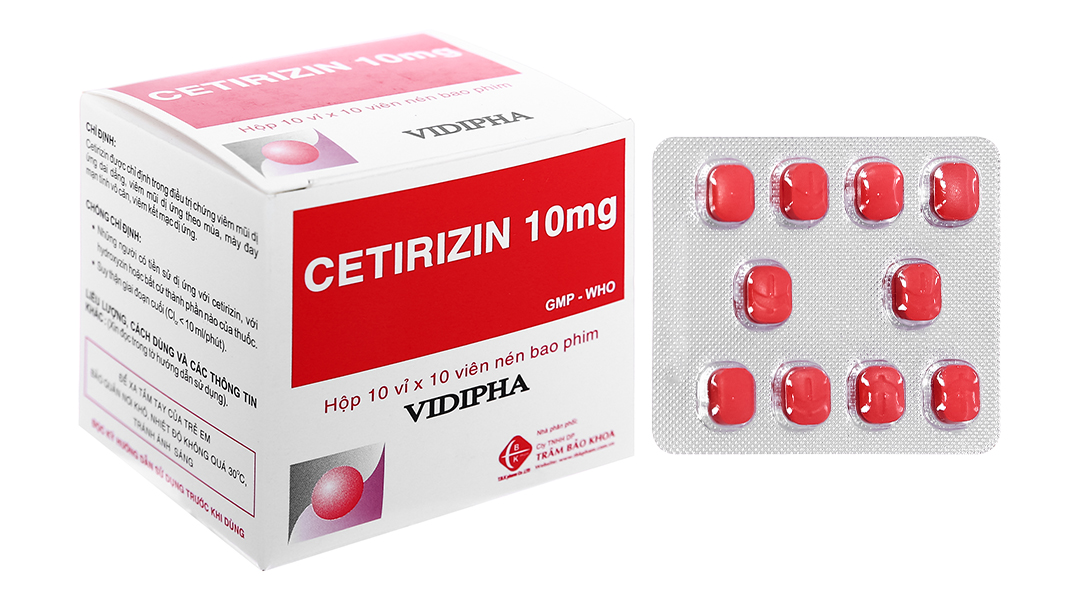
The Battle Between Chemistry and Identity: Defining Cetirizine HCl 10 mg
Every pharmaceutical product begins its life as a laboratory designation. Cetirizine Hydrochloride (HCl) 10 mg is the technical nomenclature for a specific molecular structure designed to block H1 receptors. Yet, in the world of brand strategy, “Cetirizine” is a “generic descriptor,” while names like Zyrtec are “proprietary trademarks.” The tension between these two names dictates the entire commercial ecosystem of the drug.
The Generic Narrative: Simplicity as a Selling Point
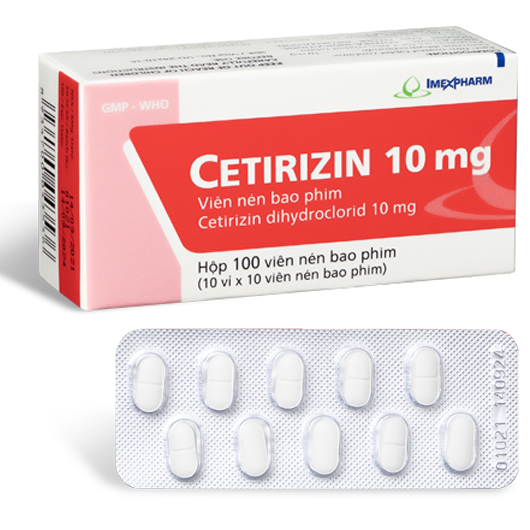
When a drug’s patent expires, the market is flooded with “Cetirizine HCl 10 mg” produced by various manufacturers. The brand strategy for these generics is rooted in radical transparency and cost-efficiency. By using the chemical name as the primary brand, manufacturers communicate a specific value proposition: “You are paying for the molecule, not the marketing.”
Generic branding relies on a “utilitarian identity.” The packaging is often minimalist, focusing on the strength (10 mg) and the active ingredient. This strategy appeals to the “Rational Consumer”—the individual who values efficacy and price over emotional connection to a brand name. For many retailers, such as CVS, Walgreens, or Costco (Kirkland Signature), the strategy is to position Cetirizine HCl 10 mg as the “smart choice” for informed buyers.
The Brand Shield: How Zyrtec Defends Its Territory
On the other side of the spectrum lies Zyrtec, the original brand-name version of Cetirizine. Long after the patent has expired, Zyrtec maintains a significant market premium. Why? Because of a sophisticated brand shield. The strategy here is to create an emotional shorthand for “relief.”
While Cetirizine HCl 10 mg is a chemical, Zyrtec is a promise. The branding strategy involves multi-million dollar advertising campaigns that associate the name with freedom, nature, and clear-headedness. By the time a consumer reaches the pharmacy shelf, the word “Zyrtec” has been ingrained as a solution, whereas “Cetirizine” requires a moment of cognitive processing to verify its purpose.
The Visual Language of Relief: Packaging and Brand Trust
In the pharmaceutical sector, design is not just about aesthetics; it is about conveying safety and efficacy. The visual identity of Cetirizine HCl 10 mg products is a masterclass in psychological signaling.
Color Psychology in the Allergy Aisle
Observe the “Allergy” section of any major retailer, and you will notice a recurring palette of blues, greens, and yellows. The branding of Cetirizine HCl 10 mg products is carefully curated to evoke specific feelings:
- Blue: Represents trust, medical authority, and calmness.
- Yellow/Orange: Often used to signify “Outdoor” or “Sunlight,” subtly hinting that the product allows you to go outside without fear of allergens.
- White Space: Essential for conveying a sense of “cleanliness” and “purity.”
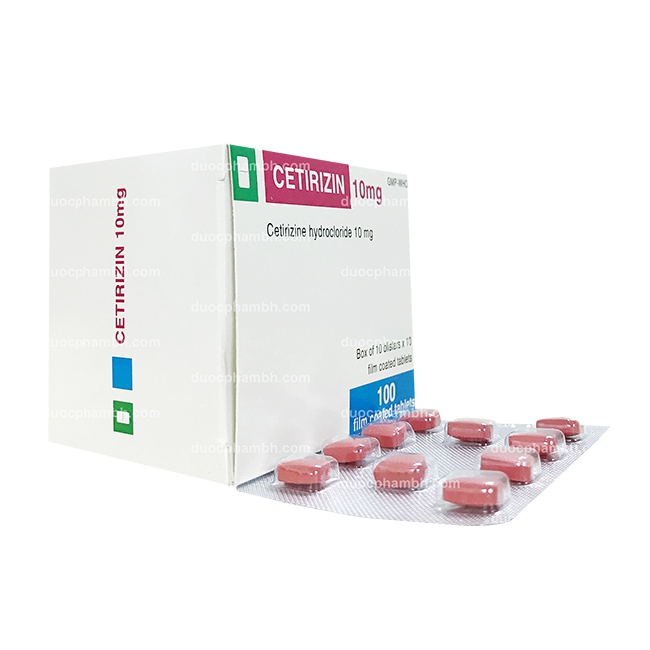
Generic brands often mimic the color schemes of the market leaders (like Zyrtec) to create a visual association. This is known as “category-leader signaling,” where the generic Cetirizine HCl 10 mg uses a similar blue and yellow box to subconsciously tell the consumer, “I am the same as the expensive one.”
Typography and the “Clinical” Aesthetic
The typography used on Cetirizine packaging is almost exclusively sans-serif, clean, and bold. This design choice is part of a corporate identity strategy that prioritizes legibility and perceived professionalism. For the generic “Cetirizine HCl 10 mg” label, the font is the brand. It must look authoritative enough to convince a patient that a product costing 50% less is still manufactured to the highest clinical standards.
The Economics of Brand Loyalty in the Generic Age
The transition of Cetirizine HCl 10 mg from a prescription-only drug to an over-the-counter (OTC) staple is a pivotal moment in brand lifecycle management. This shift forced a change in how the product was marketed—from targeting doctors (B2B) to targeting consumers (B2C).
The Patent Cliff and the Birth of a Generic Powerhouse
When the patent for Zyrtec expired in 2007, it faced what is known in the industry as the “Patent Cliff.” Within months, dozens of manufacturers released their own versions of Cetirizine HCl 10 mg. The brand strategy for the original patent holder (McNeil-PPC, a subsidiary of Johnson & Johnson) had to pivot.
They couldn’t compete on price, so they doubled down on “Brand Equity.” They focused on the “10 mg” delivery system—introducing “Liquid Gels” and “Dissolve Tabs.” By innovating the form of the delivery while keeping the active ingredient (Cetirizine) the same, they created “sub-brands” that generics initially couldn’t match.
White-Labeling and Store Brand Strategy
A significant portion of the Cetirizine HCl 10 mg market is dominated by “Store Brands.” This is a unique branding strategy where a retailer uses its own corporate identity (e.g., Target’s “Up & Up” or Amazon’s “Basic Care”) to sell the generic molecule.
This strategy leverages the “Halo Effect” of the retailer’s brand. If a consumer trusts Amazon or Target for their household goods, that trust is transferred to the Cetirizine HCl 10 mg sitting on their shelves. This allows the retailer to capture the entire profit margin, removing the need for a third-party pharmaceutical brand name.
Consumer Behavior: Why We Choose the Label Over the Molecule
Despite knowing that Cetirizine HCl 10 mg is chemically identical regardless of the box it comes in, millions of consumers still opt for the more expensive brand-name versions. This behavior is a fascinating study in brand psychology and risk aversion.
Risk Aversion and Brand Equity
In health-related purchases, “perceived risk” is higher than in almost any other category. Brand strategy in this space focuses on mitigating that risk. For many, the brand name serves as a “quality seal.” The consumer isn’t just buying Cetirizine; they are buying the peace of mind that comes with a century-old corporate identity.
The strategy of the brand-name manufacturer is to frame the generic “Cetirizine HCl 10 mg” as an “unknown” or “risky” alternative, even if federal regulations ensure bioequivalence. This “Brand Premium” is the financial manifestation of the trust a company has built over decades.
The Digital Transformation of Pharma Branding
In the age of E-commerce, the way we search for “What is Cetirizine HCl 10 mg” has changed the branding landscape. Search Engine Optimization (SEO) is now a core part of pharmaceutical brand strategy.
When a user searches for allergy symptoms, companies want their specific brand of Cetirizine to appear first. This has led to the rise of “Education-First Marketing,” where brands create high-value content explaining what the 10 mg dosage does, how it interacts with the body, and why their specific formulation (even if it’s just the inactive ingredients) is superior. By providing the “answer” to the user’s question, the brand positions itself as the ultimate authority.
Conclusion: The Future of Cetirizine Branding
As we look toward the future, the branding of Cetirizine HCl 10 mg will likely continue to evolve toward personalization and digital integration. We are seeing the rise of “Health Ecosystems,” where a brand doesn’t just sell a pill; they offer an app that tracks pollen counts and reminds you to take your 10 mg dose.
Ultimately, Cetirizine HCl 10 mg is more than just an antihistamine; it is a battleground for identity. It represents the ongoing struggle between the efficiency of generic science and the emotional resonance of corporate branding. Whether a consumer reaches for the branded box or the generic bottle, they are participating in a complex market dialogue—one that has been meticulously crafted by brand strategists to ensure that “relief” is always synonymous with a specific name, color, and price point.
aViewFromTheCave is a participant in the Amazon Services LLC Associates Program, an affiliate advertising program designed to provide a means for sites to earn advertising fees by advertising and linking to Amazon.com. Amazon, the Amazon logo, AmazonSupply, and the AmazonSupply logo are trademarks of Amazon.com, Inc. or its affiliates. As an Amazon Associate we earn affiliate commissions from qualifying purchases.