
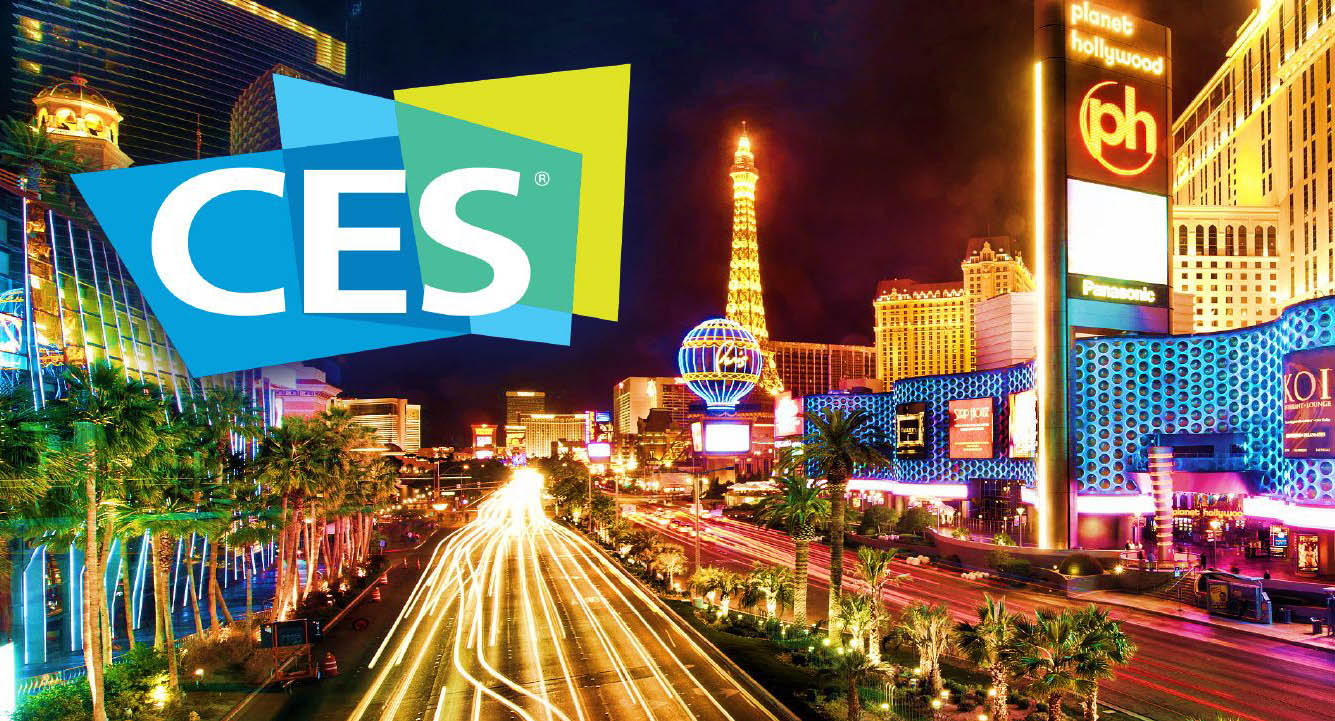
Every January, the global technology community descends upon the Nevada desert for an event that sets the tone for the entire calendar year: CES Las Vegas. Formerly known as the Consumer Electronics Show, CES has evolved from a trade show for television sets and transistor radios into the most influential tech event in the world. Owned and produced by the Consumer Technology Association (CTA), it serves as the proving ground for breakthrough technologies and global innovators.
To understand what CES is, one must look beyond the flashing lights of the Las Vegas Strip. It is a massive ecosystem where the world’s biggest brands do business and meet new partners, and the sharpest innovators hit the stage. For anyone involved in the tech sector—from software developers and hardware engineers to digital security experts and AI researchers—CES is the definitive compass for where the digital world is headed.
The Evolution of CES: From Transistors to Artificial Intelligence
CES held its inaugural event in June 1967 in New York City. At that time, it featured 14 exhibitors and focused primarily on pocket radios and televisions with integrated circuits. Since then, the show has moved permanently to Las Vegas and expanded its footprint to over 2.5 million net square feet of exhibit space.
The history of CES is essentially the history of modern consumer technology. It was the launching pad for the videocassette recorder (VCR) in 1970, the Compact Disc player in 1981, and the High-Definition Television (HDTV) in 1998. In the early 2000s, the show became synonymous with the “gadget” era, showcasing the birth of smartphones, tablets, and wearable fitness trackers.
Today, the focus has shifted from standalone hardware to integrated intelligence. We are no longer just looking at a “smart” refrigerator; we are looking at how that refrigerator utilizes machine learning to manage food waste, integrates with a broader smart-home ecosystem via the Matter protocol, and communicates with a user’s health data on their smartwatch. CES is now the epicenter of the “Intelligence of Things,” where hardware, software, and cloud connectivity converge.
The Shift Toward Software-Centric Innovation
In recent years, the “Consumer Electronics” moniker has become somewhat of a misnomer, as the show now covers everything from enterprise AI tools to AgTech (Agricultural Technology). The most significant trend in the last decade has been the “software-defined” movement. Whether it is a software-defined vehicle or a software-defined home, the physical product is increasingly viewed as a vessel for the sophisticated software and AI services that live within it.
Key Technology Pillars at CES: What Defines the Modern Landscape?
To navigate the sheer scale of CES, it is helpful to categorize the innovations into several core pillars. These categories represent the high-growth areas where the most significant R&D budgets are currently allocated.
The Dominance of Generative and Applied AI
Artificial Intelligence is no longer a sub-category at CES; it is the fabric that connects every other hall. We see a transition from “Cloud AI” to “On-Device AI.” This means chips are becoming powerful enough to process complex neural networks locally on laptops, phones, and even appliances, improving privacy and reducing latency. From AI-driven noise cancellation in headphones to generative AI tools that help coders write software more efficiently, AI is the primary driver of value.
The Revolution in Digital Health
Health tech has migrated from simple step-counting to clinical-grade diagnostics in the home. CES now features massive sections dedicated to digital therapeutics, remote patient monitoring, and wearable sensors that can track blood glucose levels non-invasively or monitor heart health with EKG-level precision. This sector highlights the intersection of data science and biotechnology, showing how software can proactively manage human health.
Sustainability and Clean Tech
As global priorities shift toward ESG (Environmental, Social, and Governance) goals, CES has become a showcase for “Green Tech.” This includes innovations in battery density for electric vehicles (EVs), hydrogen fuel cell technology, and smart grids that use AI to optimize energy consumption in smart cities. The technology displayed here isn’t just about consumer convenience; it’s about solving existential global challenges through engineering.
The Ecosystem of Innovation: Why CES Matters for Developers and Engineers
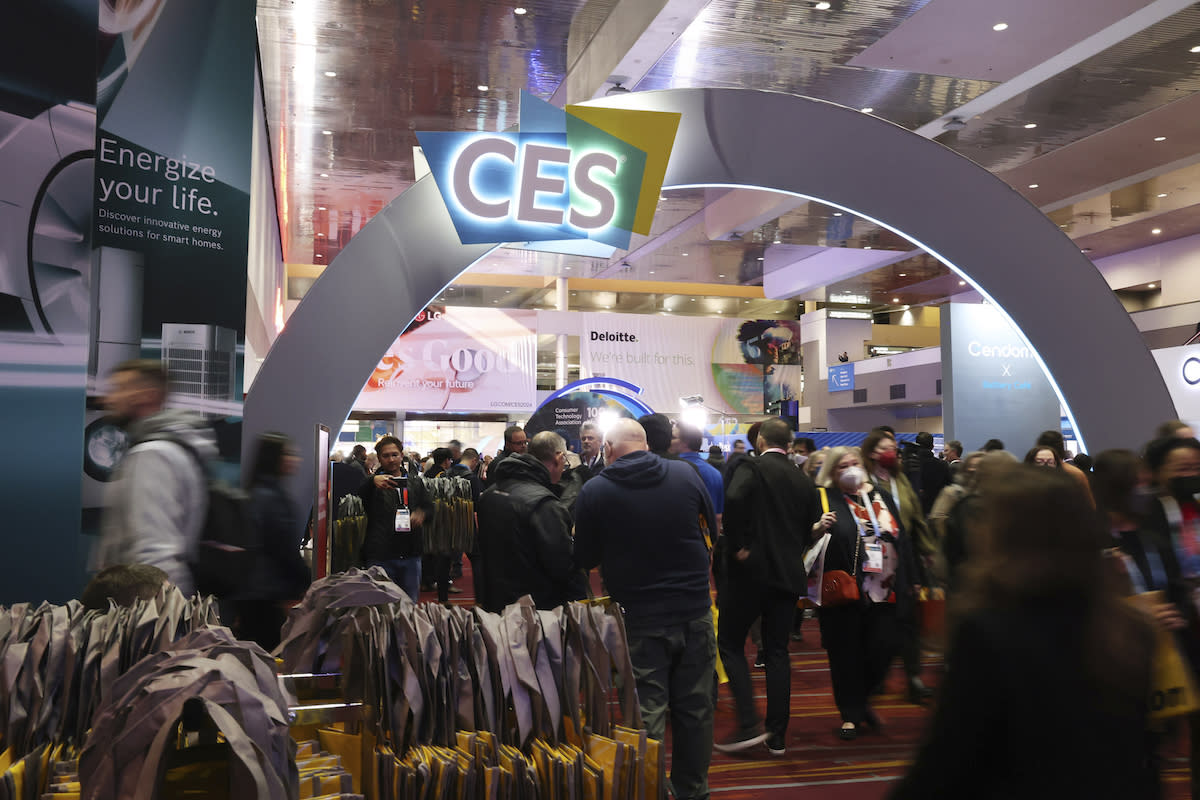
While the media often focuses on “weird and wacky” gadgets, the true value of CES lies in the underlying technological infrastructure. For the technical community, the show is a masterclass in interoperability and standards.
The Importance of Interoperability (Matter and Beyond)
One of the recurring themes at CES is the death of “walled gardens.” In the smart home space, for example, the adoption of the Matter standard has been a major talking point. Matter allows devices from different manufacturers—Apple, Google, Amazon, Samsung—to work together seamlessly. This shift is crucial for software developers who want to build applications that control a diverse array of hardware without having to write separate codebases for every proprietary ecosystem.
Cybersecurity and Digital Security
As we connect more devices to the internet—from our cars to our front door locks—the attack surface for cyber threats grows exponentially. CES has become a vital hub for digital security firms to showcase the latest in hardware-level encryption, biometric authentication, and AI-driven threat detection. For IT professionals and digital security experts, the show provides a glimpse into the next generation of vulnerabilities and the tools being built to defend against them.
The Rise of Spatial Computing
With the emergence of high-end AR/VR (Augmented and Virtual Reality) headsets, CES is the premier venue for “Spatial Computing.” This isn’t just about gaming; it’s about how we interact with data in a three-dimensional space. Engineers use these tools for digital twin modeling, while surgeons use them for pre-operative planning. The hardware advancements in optics, haptics, and low-latency wireless transmission (Wi-Fi 7) are what make these software experiences possible.
Navigating the Show Floor: Key Product Categories to Watch
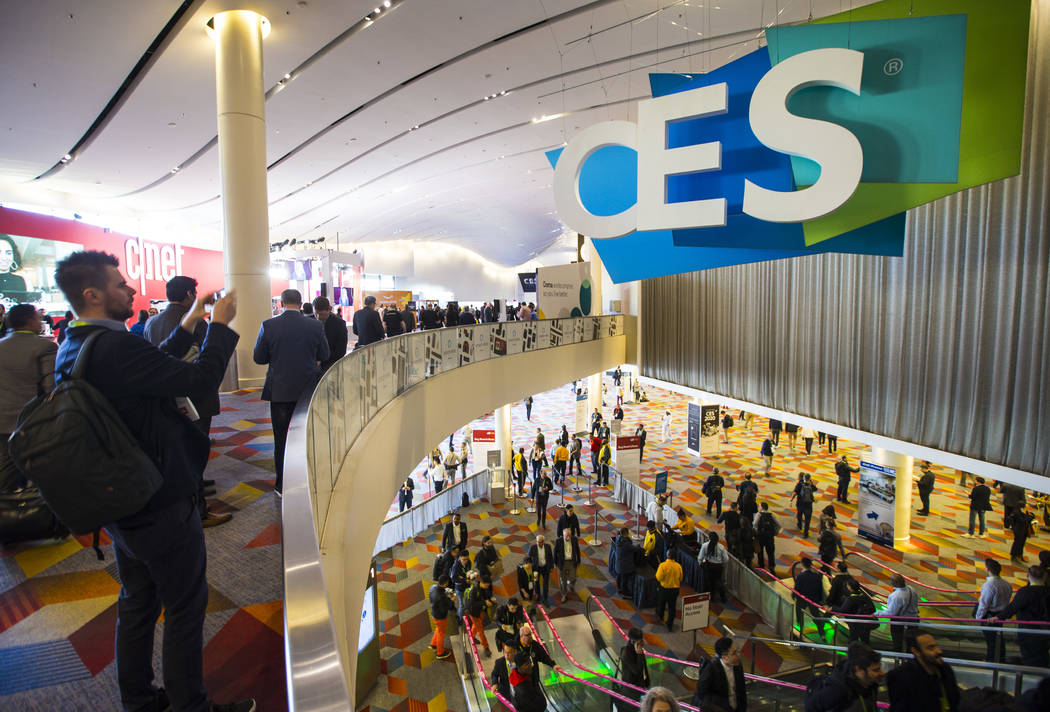
The show is typically spread across multiple venues, including the Las Vegas Convention Center (LVCC) and the Venetian Expo. Each area focuses on specific technological niches.
The Automotive Hall: “The World’s Largest Auto Show”
In the North and West Halls of the LVCC, the automotive industry takes center stage. Modern cars are essentially “computers on wheels.” At CES, you will see the latest in LiDAR sensors, autonomous driving algorithms, and in-car infotainment systems that rival high-end gaming PCs. The focus here is on the user experience (UX) within the cabin and the transition to fully electric platforms.
The C Space: Marketing and Content Technology
Located primarily at ARIA, C Space focuses on the “Software and Apps” side of the industry. It explores how content creators, streamers, and tech platforms use data to engage audiences. This is where you’ll find discussions on the future of the metaverse, the monetization of digital assets, and the role of AI in content production.
Eureka Park: The Startup Engine
Eureka Park is perhaps the most energetic part of CES. It hosts over 1,000 startups from around the world. Here, the focus is on raw innovation—new apps that solve niche problems, experimental robotics, and the first iterations of technologies that might become household names in five years. For tech scouts and software architects, this is the place to identify “the next big thing” before it hits the mainstream.
The Future Outlook: How CES Shapes the Next Decade of Tech
CES Las Vegas is more than just a four-day event; it is a preview of the future. The trends established in the desert in January dictate the investment rounds of the spring, the product launches of the fall, and the consumer expectations of the following year.
The overarching theme moving forward is the “Humanization of Tech.” We are moving away from technology that feels like a cold tool and toward technology that feels like an intuitive partner. This is achieved through better Natural Language Processing (NLP), more responsive haptic feedback, and hardware that disappears into the background of our lives.
As we look toward the next decade, CES will continue to be the primary stage for the convergence of the physical and digital worlds. Whether it’s the rollout of 6G connectivity, the perfection of foldable display technology, or the integration of quantum computing concepts into enterprise software, it will likely happen first in Las Vegas.
For the tech enthusiast, the professional, or the visionary, CES remains the most important date on the calendar. It is a reminder that while individual gadgets may come and go, the spirit of innovation—the constant drive to use silicon and code to improve the human condition—is stronger than ever. What is CES Las Vegas? It is the heartbeat of the global technology industry, pulsing with the ideas that will define our tomorrow.
aViewFromTheCave is a participant in the Amazon Services LLC Associates Program, an affiliate advertising program designed to provide a means for sites to earn advertising fees by advertising and linking to Amazon.com. Amazon, the Amazon logo, AmazonSupply, and the AmazonSupply logo are trademarks of Amazon.com, Inc. or its affiliates. As an Amazon Associate we earn affiliate commissions from qualifying purchases.