
Cerebral spinal fluid (CSF) is much more than just a liquid cushioning our brain and spinal cord; it is a vital biological medium that has become a frontier for technological innovation in neuroscience and medicine. While its fundamental biological role remains constant, our ability to understand, analyze, and intervene concerning CSF has been dramatically transformed by advancements in technology, from sophisticated imaging to AI-driven diagnostics and minimally invasive surgical tools. Delving into “what is cerebral spinal fluid” from a technological standpoint reveals a fascinating interplay between biology and engineering, pushing the boundaries of neuro-care.
Understanding CSF: The Foundation for Neuro-Technological Advancement
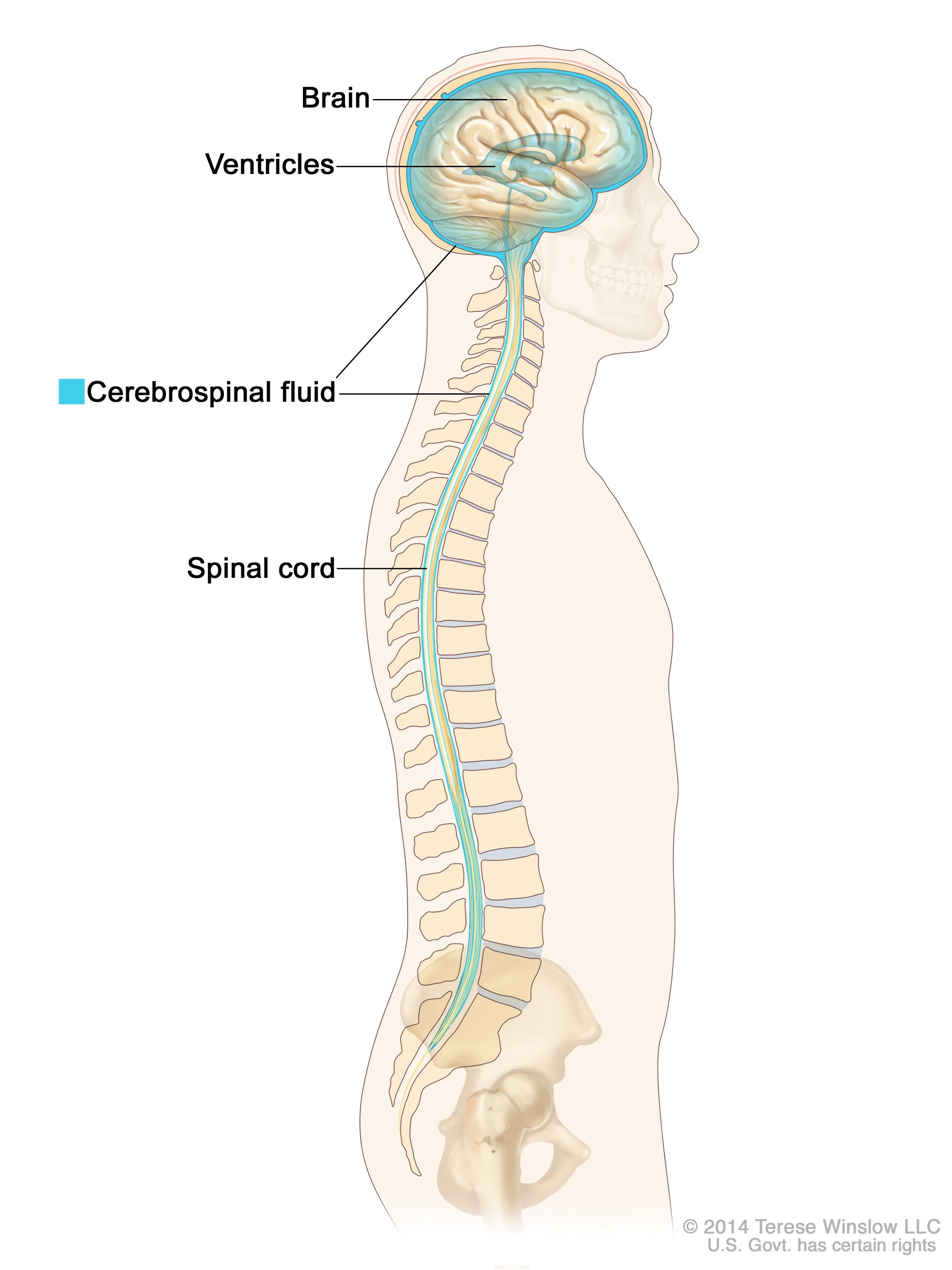
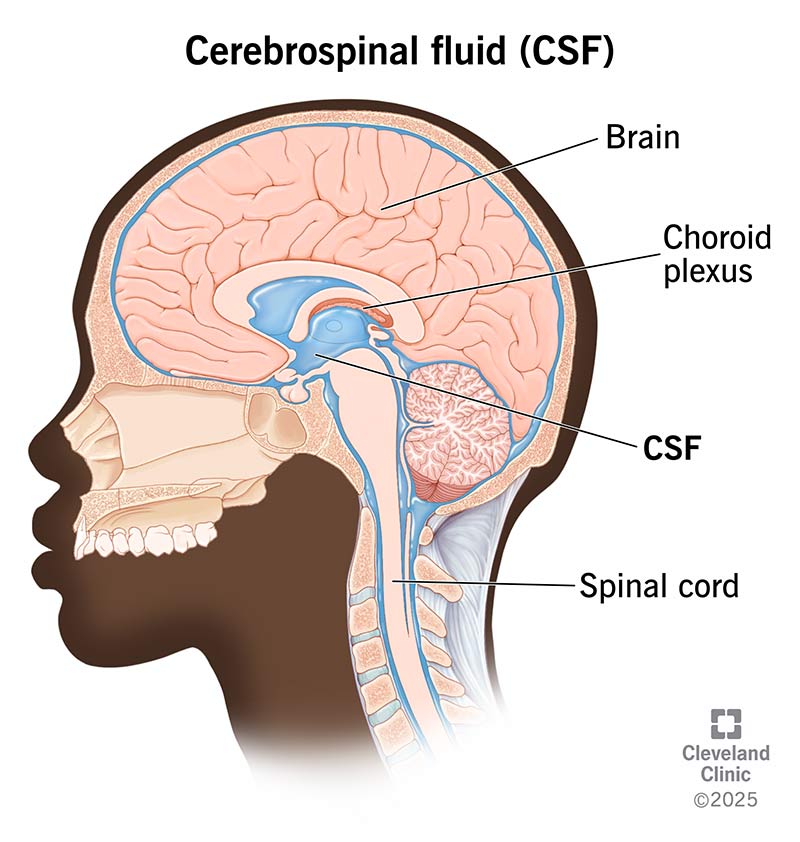
At its core, cerebral spinal fluid is a clear, colorless body fluid found in the brain and spinal cord. Produced primarily by specialized ependymal cells in the choroid plexuses of the brain’s ventricles, CSF continuously circulates, providing crucial functions that underpin neurological health. Its study has driven, and continues to drive, significant technological development.
The Biological Role and Composition: A High-Tech View
Biologically, CSF serves multiple critical roles:
- Protection: It acts as a shock absorber, protecting the delicate brain and spinal cord from physical trauma.
- Nutrient and Waste Transport: CSF facilitates the delivery of nutrients and hormones to brain tissue and the removal of metabolic waste products, including amyloid-beta proteins implicated in Alzheimer’s disease. This transport function makes CSF an ideal medium for biomarker detection.
- Buoyancy: The brain essentially floats in CSF, reducing its effective weight and preventing it from being crushed by its own weight against the skull’s interior.
- Homeostasis: It helps maintain a stable chemical environment necessary for proper brain function.
From a technological perspective, understanding this composition and these roles is critical. The presence of specific proteins, glucose, electrolytes, and cellular components in CSF can indicate various neurological conditions. For instance, abnormal protein levels can signal infection or inflammation, while specific biomarker concentrations can point to neurodegenerative diseases. This biological insight directly fuels the development of advanced diagnostic technologies aimed at precise chemical and cellular analysis.
Why CSF Matters for Brain Health: A Diagnostic Imperative
The health and integrity of CSF are directly linked to overall brain health. Dysregulation of CSF production, circulation, or absorption can lead to severe neurological conditions. For example, hydrocephalus, a condition characterized by excessive CSF accumulation, can cause increased intracranial pressure and brain damage if not managed. Meningitis (inflammation of the meninges), subarachnoid hemorrhage, and neurodegenerative diseases like Alzheimer’s and Parkinson’s can all manifest changes in CSF composition or dynamics.
The diagnostic imperative associated with CSF has been a primary driver for technological innovation. Clinicians require accurate, timely, and often non-invasive methods to assess CSF. This demand has spurred advancements in everything from lumbar puncture techniques to sophisticated laboratory analysis systems and advanced neuroimaging. The ability to peer into the CSF system, analyze its contents, and monitor its dynamics is fundamental to diagnosing and managing a wide array of neurological disorders, making it a critical area for technological investment and research.
Technological Advancements in CSF Analysis and Diagnosis
The diagnostic landscape for CSF has been revolutionized by technology, moving from rudimentary microscopic examination to highly sensitive molecular diagnostics and AI-powered predictive analytics. These advancements enable earlier, more accurate diagnoses and personalized treatment strategies.
Imaging Modalities: Visualizing the Invisible
Neuroimaging techniques have dramatically improved our ability to visualize CSF dynamics and related pathologies non-invasively.
- Magnetic Resonance Imaging (MRI): Advanced MRI sequences, particularly CINE (cardiac-gated phase-contrast) MRI, allow clinicians to visualize CSF flow dynamics in real-time. This is invaluable for diagnosing conditions like hydrocephalus, Chiari malformations, and CSF leaks, where understanding fluid movement is paramount. High-resolution MRI can also detect subtle structural changes in ventricles and subarachnoid spaces, providing clues about CSF pressure and distribution.
- Computed Tomography (CT): While less detailed for CSF flow, CT scans remain crucial for quickly identifying acute conditions like intracranial hemorrhage, which can mix with CSF, or for assessing ventricular size in emergency settings. CT cisternography, involving the injection of contrast dye into the CSF, offers detailed anatomical visualization for detecting CSF leaks or fistulas.
- Positron Emission Tomography (PET) and Single-Photon Emission Computed Tomography (SPECT): These functional imaging techniques, sometimes used with CSF-tracing radiopharmaceuticals, can provide insights into CSF absorption pathways and neuronal activity linked to CSF-related disorders, offering a more complete picture of brain function affected by CSF dynamics.
Advanced Biomarker Detection: Unlocking Molecular Secrets
The analysis of CSF itself, obtained via lumbar puncture, has seen an explosion of technological sophistication.
- Mass Spectrometry: This highly sensitive analytical technique allows for the precise identification and quantification of proteins, peptides, and metabolites in CSF. It’s becoming indispensable for biomarker discovery in neurodegenerative diseases, oncology (identifying tumor markers), and infectious diseases, offering unprecedented insights into disease pathophysiology at a molecular level.
- Next-Generation Sequencing (NGS): Applying NGS to CSF samples allows for the detection of pathogens (viruses, bacteria, fungi) that might be difficult to culture, as well as genetic mutations associated with neurological disorders or brain cancers. This provides rapid, comprehensive pathogen identification and personalized genetic insights.
- Immunoassays and ELISA: High-throughput automated immunoassay platforms allow for the rapid and accurate quantification of specific proteins like amyloid-beta (Aβ42) and tau (total tau and phospho-tau), which are crucial biomarkers for Alzheimer’s disease diagnosis. These automated systems enhance reproducibility and reduce turnaround times.
- Microfluidics and Lab-on-a-Chip Devices: These emerging technologies aim to miniaturize and automate CSF analysis, allowing for rapid, point-of-care diagnostics with minimal sample volume. They hold promise for democratizing access to advanced CSF testing in resource-limited settings and for continuous monitoring.
AI and Machine Learning in CSF Diagnostics: The Future of Interpretation
Artificial intelligence (AI) and machine learning (ML) are transforming how we interpret complex CSF data and integrate it with other clinical information.
- Image Analysis: AI algorithms can analyze MRI and CT scans to automatically detect subtle changes in ventricular size, CSF flow patterns, or the presence of lesions that might be missed by the human eye. This aids in early diagnosis of hydrocephalus, CSF leaks, and other structural abnormalities.
- Biomarker Pattern Recognition: ML models can identify complex patterns in CSF biomarker profiles that correlate with specific diseases, even before clinical symptoms become overt. For example, AI can integrate data from multiple CSF proteins, genetics, and patient demographics to predict the risk of progression from mild cognitive impairment to Alzheimer’s disease with high accuracy.
- Predictive Analytics: Beyond diagnosis, AI can predict disease progression, response to treatment, and patient outcomes based on CSF data, enabling more proactive and personalized treatment plans. It can help clinicians identify which patients are most likely to benefit from certain interventions, such as shunt placement for hydrocephalus.
- Drug Discovery and Repurposing: AI can sift through vast datasets of CSF proteomic and metabolomic information to identify novel drug targets or repurpose existing drugs for CSF-related disorders, accelerating therapeutic development.
Innovative Technologies for CSF Management and Treatment
Managing conditions related to CSF often requires intervention, and technology has provided increasingly sophisticated tools for treatment, making procedures safer, more effective, and less invasive.
Smart Shunt Systems for Hydrocephalus: Intelligent Fluid Management
Hydrocephalus is often treated by surgically implanting a shunt system to drain excess CSF. Traditional shunts are passive, but modern “smart shunts” are changing the landscape:
- Programmable Valves: Newer shunts incorporate programmable valves that allow external, non-invasive adjustment of CSF drainage pressure. This customization reduces the need for revision surgeries and allows for optimized pressure settings based on patient symptoms and imaging, improving long-term outcomes.
- Telemetry and Sensors: Advanced shunt systems are being developed with integrated sensors that can wirelessly monitor CSF flow rates, intracranial pressure, and even shunt patency. This data can be transmitted to external devices, allowing clinicians to remotely monitor shunt function and detect malfunctions early, preventing severe complications.
- Anti-Siphon Devices: These technologies help regulate CSF drainage based on patient position, preventing over-drainage when standing upright, which can cause symptoms like headaches and subdural hematomas.
Robotics in Neurosurgery and CSF Procedures: Precision and Safety
Robotic systems are enhancing the precision and safety of neurosurgical procedures involving CSF:
- Stereotactic Robotics: Robots can precisely guide instruments for tasks like shunt placement, endoscopic ventriculostomy, or biopsy of brain lesions near CSF pathways. Their ability to maintain steady trajectories and target specific coordinates with sub-millimeter accuracy reduces human error and minimizes trauma to surrounding brain tissue.
- Endoscopic Neurosurgery: Miniature endoscopes equipped with high-definition cameras and specialized instruments allow surgeons to navigate within the brain’s ventricles and CSF spaces with minimal invasiveness. Procedures like endoscopic third ventriculostomy (ETV) for hydrocephalus can be performed through small burr holes, offering faster recovery and reduced risks compared to open surgery.
- Image-Guided Navigation: Robotic systems are often integrated with real-time intraoperative imaging (like MRI or CT) to provide surgeons with a dynamic, 3D map of the patient’s brain and CSF pathways, further enhancing precision and safety during complex procedures.
Minimally Invasive Techniques: Reducing Patient Burden
Beyond robotics, other minimally invasive techniques are improving CSF management:
- Image-Guided Lumbar Puncture: While lumbar puncture is a standard diagnostic procedure, image guidance (ultrasound or fluoroscopy) can be used in challenging cases to improve success rates and reduce complications like “dry tap” or nerve damage.
- Fibrin Glue and Patches for CSF Leaks: For CSF leaks, often caused by trauma or surgery, advanced materials like fibrin glue or synthetic dural patches can be delivered minimally invasively to seal the leak, preventing complications like meningitis.
- Targeted Drug Delivery Systems: Research is exploring systems that can deliver drugs directly into the CSF, bypassing the blood-brain barrier. This includes implantable pumps or nanoparticles designed to release therapeutics specifically to the brain or spinal cord, offering new avenues for treating neurological diseases.
The Future of CSF-Related Tech: Predictive Health and Personalized Medicine
The convergence of advanced diagnostics, smart therapeutics, and AI is propelling CSF research towards a future of predictive health and highly personalized neurological medicine.
Wearable Sensors and Remote Monitoring: Continuous Insight
The next wave of innovation includes technologies that offer continuous, real-time monitoring of CSF-related parameters without requiring hospital visits:
- Implantable Pressure Sensors: Miniaturized, wireless sensors could be implanted to continuously monitor intracranial pressure (ICP) in patients with hydrocephalus or other conditions, transmitting data to a patient’s smartphone or clinician. This enables personalized management based on dynamic ICP changes rather than intermittent measurements.
- Wearable Neuro-trackers: While not directly measuring CSF, future wearable devices might track neurological symptoms (e.g., gait, tremor, cognitive function) that correlate with changes in CSF dynamics, providing early warnings for shunt malfunction or disease progression.
- Smart Home Integration: AI-powered smart home systems could potentially monitor subtle changes in a patient’s daily routine or behavior, using these as indicators of neurological decline or CSF-related issues, prompting medical review.
Gene Therapy and Neurological Repair: Beyond Symptom Management
Emerging biotechnologies hold the promise of addressing the root causes of CSF-related disorders:
- Gene Therapy for CSF Production/Absorption: Research is underway to develop gene therapies that could correct genetic defects leading to abnormal CSF production or impaired absorption, potentially offering a cure for certain forms of hydrocephalus or other CSF-related developmental disorders.
- Stem Cell Therapy: Stem cells delivered via CSF could differentiate into neural cells to repair damaged brain tissue or modulate inflammatory responses in neurodegenerative diseases, leveraging CSF as a natural delivery pathway.
- CRISPR-based Editing: Precision gene-editing technologies like CRISPR could be used to target specific genes involved in CSF dynamics or neuroinflammation, offering highly targeted therapeutic interventions.

Ethical Considerations and Data Security in Neuro-Tech: Navigating the Frontier
As CSF-related technologies become more sophisticated and integrated into healthcare, critical ethical and security considerations arise:
- Data Privacy and Security: Continuous monitoring and the vast amounts of health data generated by CSF sensors and AI diagnostics necessitate robust cybersecurity measures to protect sensitive patient information from breaches and misuse.
- Bias in AI Algorithms: AI models trained on limited or biased datasets could lead to unequal diagnostic or treatment recommendations across different demographic groups, requiring careful validation and continuous auditing of algorithms.
- Accessibility and Equity: Ensuring that advanced CSF technologies are accessible and affordable to all populations, regardless of socioeconomic status, is a significant challenge.
- Ethical Implications of Neuro-Enhancement: As technologies advance, discussions around potential neuro-enhancement beyond therapeutic use, and the ethical boundaries of altering brain function via CSF-based interventions, will become increasingly relevant.
The question “what is cerebral spinal fluid” thus expands far beyond a simple biological definition. It serves as a gateway to understanding a complex physiological system that is increasingly accessible, diagnosable, and treatable through an ever-evolving array of technological innovations. From the lab bench to the operating room, and increasingly into the realm of predictive and personalized medicine, technology is continuously redefining our interaction with this vital neuro-fluid, promising a future of better brain health and neurological care.
aViewFromTheCave is a participant in the Amazon Services LLC Associates Program, an affiliate advertising program designed to provide a means for sites to earn advertising fees by advertising and linking to Amazon.com. Amazon, the Amazon logo, AmazonSupply, and the AmazonSupply logo are trademarks of Amazon.com, Inc. or its affiliates. As an Amazon Associate we earn affiliate commissions from qualifying purchases.