
Central Park. The name itself evokes images of sprawling green lawns, serene lakes, bustling pathways, and an undeniable sense of respite amidst the concrete jungle of New New York City. But beyond its obvious function as an urban park, “What is Central Park?” delves into a far richer narrative when viewed through the lens of branding. It is not merely a piece of real estate; it is a meticulously crafted brand, an enduring symbol, and a masterclass in urban identity that has transcended its physical boundaries to become a global icon. This article explores Central Park as a powerful brand—from its foundational design principles to its spontaneous marketing, its multifaceted identity, and the ongoing stewardship required to maintain its unparalleled legacy.
The Genesis of a Global Brand: Vision and Design Principles
Every great brand starts with a vision, and Central Park’s began in the mid-19th century with an ambitious, almost audacious, idea: to create a monumental public space in the heart of a rapidly industrializing city. This wasn’t just about planting trees; it was about designing an experience, crafting an identity, and ultimately, building a legacy.
Olmsted & Vaux: Crafting the Urban Oasis Brand
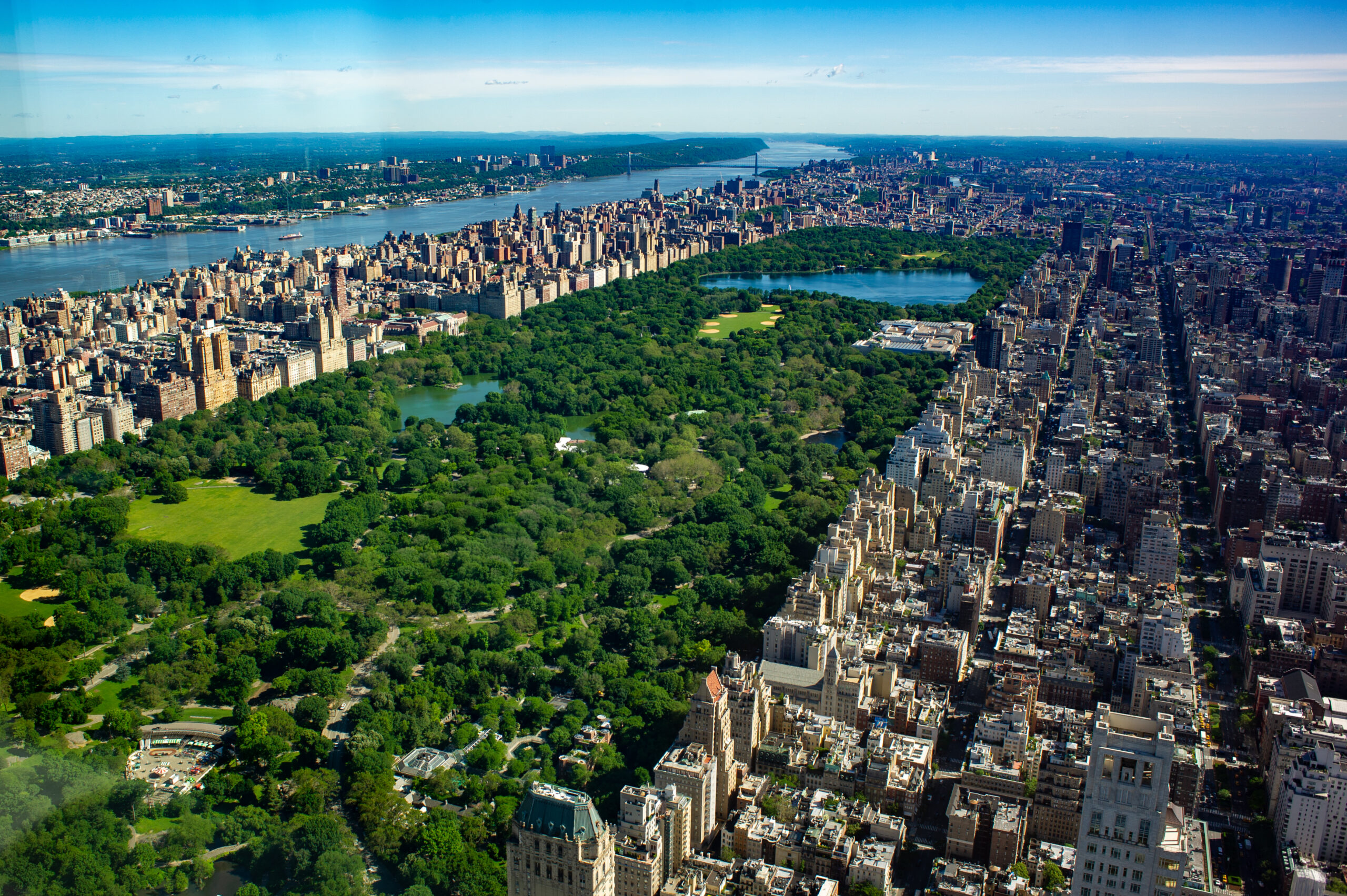
The brand architects behind Central Park were landscape designer Frederick Law Olmsted and architect Calvert Vaux. Their winning “Greensward Plan” wasn’t just a blueprint for a park; it was a manifesto for a new kind of urban amenity. They envisioned a democratic space, accessible to all social classes, offering solace, recreation, and aesthetic pleasure. Their genius lay in creating an “artificial naturalism”—a meticulously engineered landscape designed to feel utterly natural and untouched. This deliberate design choice became a core pillar of Central Park’s brand identity: an authentic slice of wilderness, strategically placed within the urban fabric, offering an escape that felt both real and accessible. They literally “branded” the landscape with distinct zones, from the pastoral Sheep Meadow to the formal Mall, each contributing to a diverse, holistic brand experience.
Purposeful Design: More Than Just a Park
The design of Central Park was imbued with specific brand values from its inception. It was designed for tranquility and reflection, but also for active recreation and social interaction. Its sunken transverse roads, for instance, were a pioneering design solution to separate pedestrian traffic from carriages, ensuring an uninterrupted visitor experience—a seamless user journey, in modern branding terms. Every bridge, every path, every grove was placed with purpose, contributing to a cohesive brand narrative that emphasized harmony, accessibility, and sophisticated functionality. This purposeful design created a consistent brand experience, making Central Park instantly recognizable and uniquely functional, setting it apart from other public spaces globally. It was designed not just as a space, but as an experience that would define and enhance the city around it.
Central Park’s Brand Identity: A Multifaceted Icon
A strong brand identity is complex, layered, and resonates on multiple levels. Central Park’s identity is a rich tapestry woven from nature, culture, and emotion, making it one of the most beloved and recognizable “brands” in the world.
The Evergreen Promise: Nature in the Metropolis
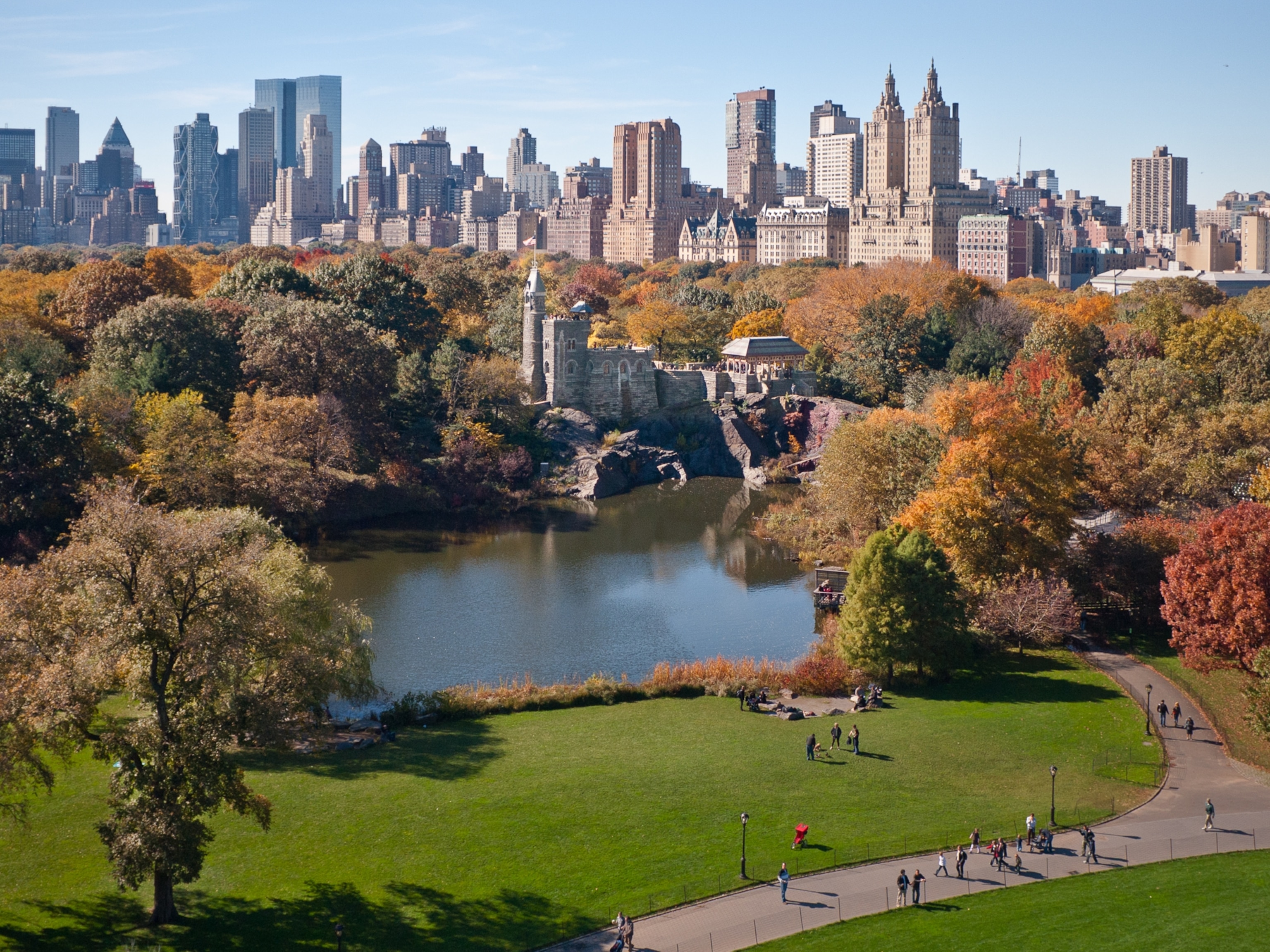
At its core, Central Park’s brand promise is the enduring presence of nature amidst urban sprawl. It offers a vital connection to the natural world, a place where the changing seasons are vividly experienced, and where one can momentarily forget the towering skyscrapers just beyond its borders. This “evergreen” promise of natural beauty and ecological diversity is a powerful draw, appealing to a fundamental human need for connection with the environment. It acts as a counter-narrative to the relentless pace of city life, providing a serene backdrop that is both calming and invigorating, a key aspect of its branded appeal as an urban sanctuary. The brand communicates resilience and renewal, year after year.
Cultural Nexus: A Stage for Humanity
Central Park isn’t just a green space; it’s a vibrant cultural hub, a stage upon which the drama of New York life unfolds daily. From Shakespeare in the Park to summer concerts on the Great Lawn, from the holiday ice-skaters at Wollman Rink to impromptu street performers, the park acts as a spontaneous and planned venue for countless cultural expressions. This aspect positions Central Park as a “cultural enabler,” a brand that facilitates and celebrates human connection, artistic expression, and community gathering. Its identity is deeply intertwined with the cultural life of the city, making it a dynamic and evolving brand space that is constantly refreshed by the activities within it.
The Emotional Connection: A Sense of Belonging and Escape
Perhaps the most potent aspect of Central Park’s brand identity is the deep emotional connection it fosters. For New Yorkers, it’s a backyard, a gym, a therapist’s couch, and a sanctuary. For tourists, it’s a quintessential New York experience, an iconic landmark that feels both grand and intimately personal. It offers a sense of escape from the urban grind, a feeling of belonging to a larger, diverse community, and moments of sheer joy or tranquil contemplation. This powerful emotional resonance is the hallmark of a truly successful brand—one that goes beyond utility to create lasting memories and foster profound loyalty. It’s a brand that makes people feel something, which is ultimately what all brands aspire to achieve.
Marketing the Unmarketable: Spontaneous Brand Amplification
Unlike commercial products that rely on deliberate advertising campaigns, Central Park’s “marketing” is largely organic, a testament to the strength of its core offering and identity. Its fame has grown through cultural osmosis and universal appeal, creating a phenomenon of spontaneous brand amplification.
Hollywood’s Endorsement: Central Park on the Silver Screen
Few brands have received as much free, consistent, and positive product placement as Central Park. Its picturesque landscapes and iconic landmarks have served as backdrops for countless films and television shows, from romantic comedies to gritty dramas. This pervasive presence in popular culture has cemented its image globally, making it instantly recognizable even to those who have never set foot in New York City. Each cinematic appearance acts as an endorsement, associating the park with narratives of love, ambition, triumph, and reflection, thereby enriching its brand narrative and expanding its global reach without a single advertising dollar spent.
Social Media & Tourist Appeal: User-Generated Content as Brand Promotion
In the digital age, Central Park thrives on user-generated content. Tourists and locals alike eagerly share their experiences—photos of cherry blossoms, videos of street performers, selfies on Bow Bridge—across social media platforms. Each post is a mini-advertisement, a personal testimonial that amplifies the park’s allure. Hashtags like #CentralPark and #NYC are brimming with authentic, aspirational content, showcasing the park’s diverse appeal and inspiring others to visit. This decentralized, authentic promotion is invaluable, demonstrating how a compelling “product” can organically generate its own viral marketing, driven by the desire of individuals to share their connection with a beloved brand.
Events and Engagements: Experiential Marketing at Scale
While much of Central Park’s “marketing” is organic, the events it hosts—from the New York Philharmonic’s free concerts to the annual Marathon finish line—are prime examples of experiential marketing. These events create memorable, immersive experiences that reinforce the park’s brand as a vibrant cultural and recreational hub. They draw massive crowds, generate media attention, and create shared moments that deepen the public’s engagement with the “brand.” This blend of spontaneous activity and planned, large-scale events ensures that Central Park remains dynamic, relevant, and consistently in the public consciousness, perpetually refreshing its brand appeal.
Maintaining the Brand Legacy: Stewardship and Evolution
A brand as significant and beloved as Central Park requires continuous care and strategic management to maintain its relevance and preserve its core identity. This stewardship is a complex balancing act between preservation and adaptation.
The Central Park Conservancy: A Model for Brand Management
For decades, Central Park faced significant decline. Its brand was tarnished by neglect and mismanagement. The establishment of the Central Park Conservancy in 1980 marked a pivotal turning point. This private, non-profit organization, in partnership with the City of New York, adopted a comprehensive approach to park management, effectively becoming the dedicated “brand managers” of Central Park. Their work encompasses fundraising, restoration, maintenance, and programming—all aimed at upholding the park’s original vision while meeting contemporary needs. The Conservancy’s success in revitalizing the park is a prime case study in effective brand stewardship, demonstrating how dedicated management can restore, enhance, and protect a public asset’s brand value over the long term.
Navigating Change: Adapting the Brand for Future Generations
Maintaining Central Park’s brand requires constant adaptation. As New York City evolves, so too must the park’s management strategies. This includes balancing conservation efforts with increased visitor traffic, integrating new technologies (like improved connectivity or digital wayfinding) without disrupting its natural aesthetic, and responding to changing recreational preferences. The challenge is to evolve the brand while remaining true to its foundational identity. This continuous process of listening to its “users,” monitoring its “performance,” and strategically investing in its “product” ensures that Central Park remains a vibrant and cherished brand for future generations, adapting its offerings without diluting its essence.
The Enduring Brand Value: A Benchmark for Urban Spaces
Central Park’s success as a brand extends far beyond its boundaries, establishing a benchmark for urban planning and public space development worldwide. Its inherent value is multifaceted, influencing everything from real estate to global urban design philosophy.
Impact on Urban Development and Real Estate
The “Central Park effect” is a well-documented phenomenon in real estate, where properties adjacent to the park command significantly higher values. This is a direct testament to the brand’s power: proximity to such a celebrated and well-maintained public space translates into tangible economic value. The park doesn’t just offer aesthetic appeal; it provides an unparalleled amenity, a unique selling proposition that enhances the desirability and perceived quality of life in its vicinity. This demonstrates how a strong civic brand can act as a powerful anchor, elevating an entire surrounding urban landscape.

A Template for Public Space Branding Globally
Central Park has become a global archetype, inspiring similar urban parks and green initiatives around the world. Cities from London to Seoul look to its design, management, and cultural integration as a model for creating their own iconic public spaces. It demonstrates the profound impact that a well-conceived and meticulously managed public amenity can have on a city’s identity, livability, and global standing. It proves that public spaces can, and should, be treated with the same strategic foresight and branding principles as any successful commercial enterprise, solidifying its place not just as a park, but as a universally recognized symbol of urban excellence and thoughtful design.
In conclusion, “What is Central Park?” is far more than a simple geographical query. It’s an invitation to explore one of the world’s most successful examples of non-commercial branding. From its visionary design and multifaceted identity to its organic marketing and diligent stewardship, Central Park stands as a living testament to the power of a compelling brand—a timeless icon that continues to shape perceptions, foster connections, and define an entire city.
aViewFromTheCave is a participant in the Amazon Services LLC Associates Program, an affiliate advertising program designed to provide a means for sites to earn advertising fees by advertising and linking to Amazon.com. Amazon, the Amazon logo, AmazonSupply, and the AmazonSupply logo are trademarks of Amazon.com, Inc. or its affiliates. As an Amazon Associate we earn affiliate commissions from qualifying purchases.