
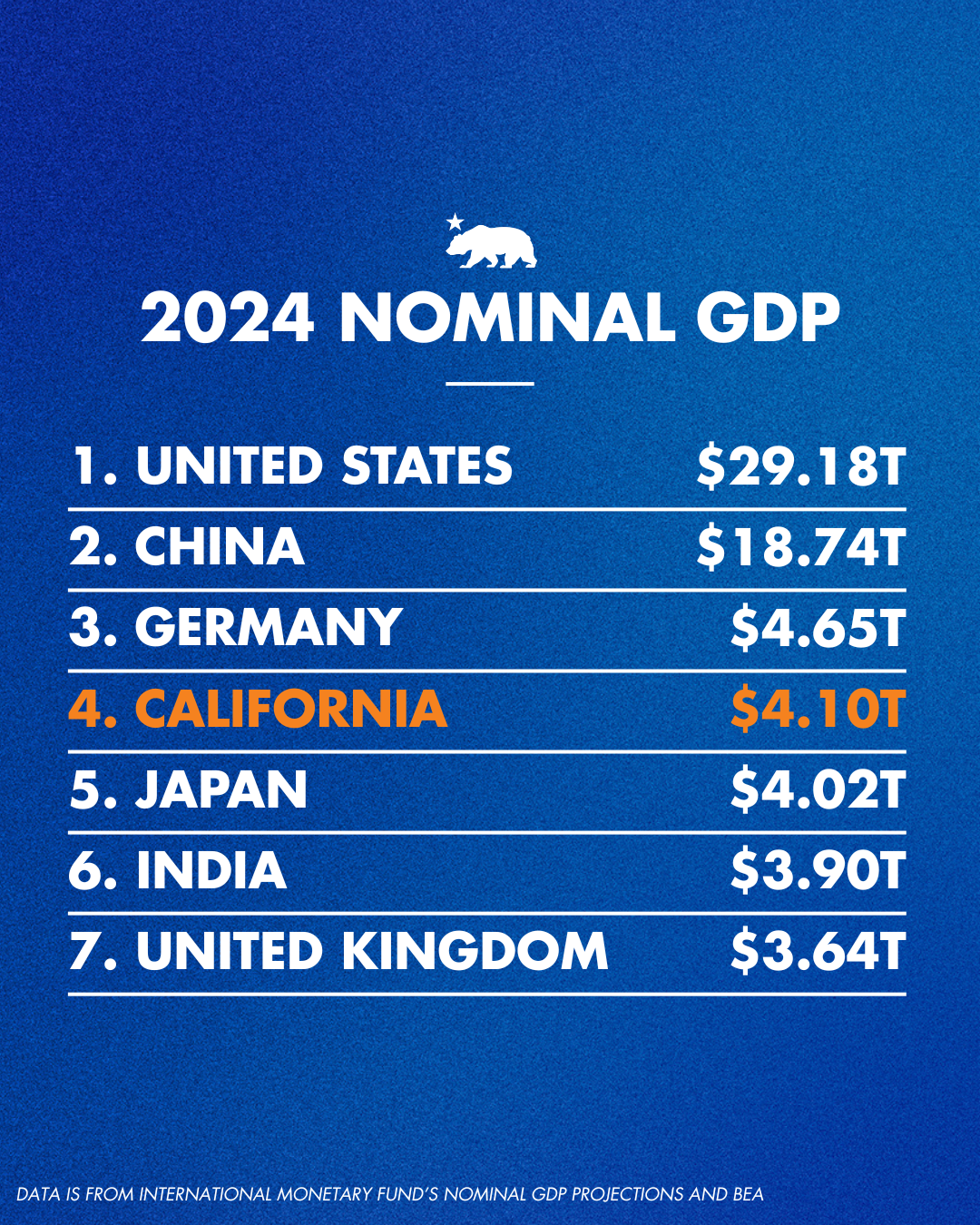
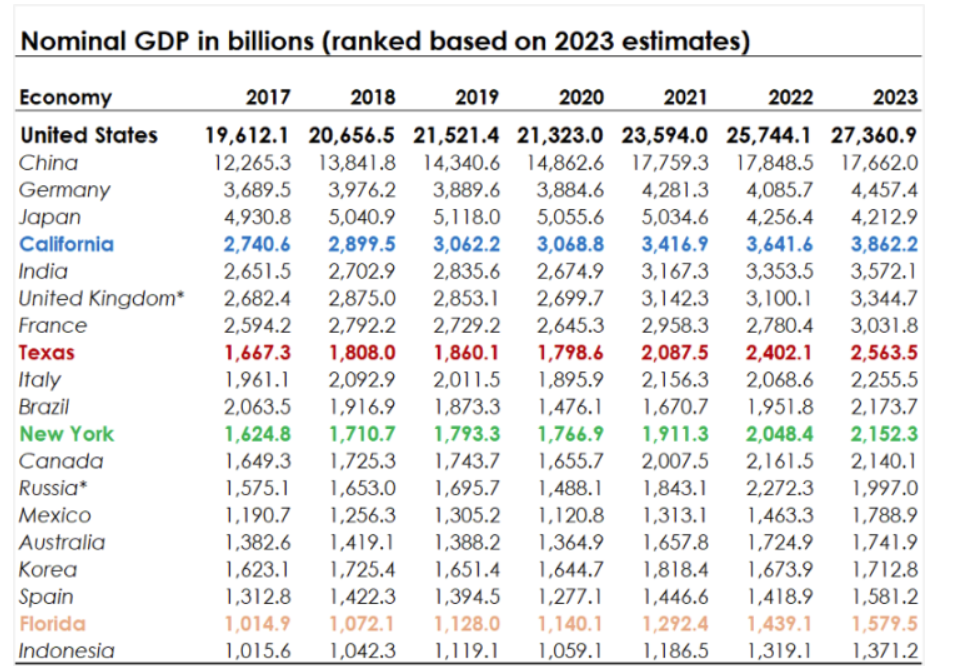
To understand the global economic landscape, one must look beyond national borders and examine the sub-national entities that rival sovereign states. Chief among these is California. If California were an independent nation, it would boast the fifth-largest economy in the world, recently overtaking the United Kingdom and nipping at the heels of Germany. With a Gross Domestic Product (GDP) exceeding $3.8 trillion, the “Golden State” is not just a region of the United States; it is a central nervous system for global finance, innovation, and trade.
For investors, business leaders, and personal finance enthusiasts, California’s GDP is more than just a statistic. It represents a complex ecosystem of capital flow, industrial output, and fiscal policy that dictates market trends across the globe. Understanding the components of this massive economic engine provides vital insights into where the world’s money is moving and how high-level economic shifts impact the individual pocketbook.
The Macroeconomic Magnitude: Mapping the $3.8 Trillion Frontier
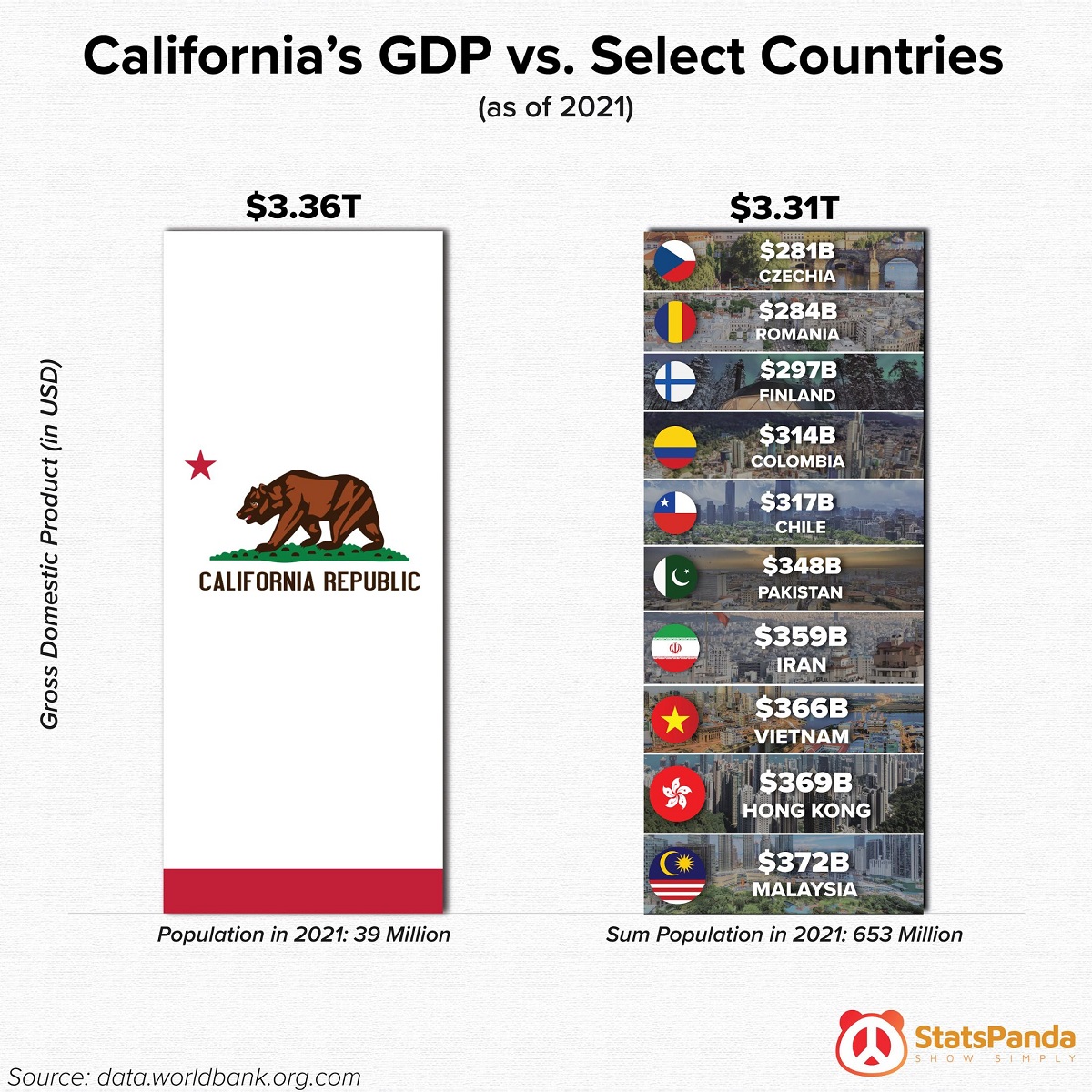
The sheer scale of California’s GDP is a testament to its diversified economic base. As of the latest fiscal reporting cycles, California’s nominal GDP has surged past $3.86 trillion. To put this in perspective, this single state produces more economic value than the entire nations of India, France, or Brazil. This staggering figure is driven by a combination of high-value services, technological exports, and a massive consumer base of nearly 40 million residents.
Comparative Economic Strength
When analyzing California through a “Money” lens, the comparison to national economies is essential. While the United States as a whole remains the world’s largest economy, California contributes roughly 14% to 15% of the total U.S. GDP. This concentration of wealth means that a recession in California is effectively a recession for the country, and conversely, Californian growth can buoy the entire domestic market. For institutional investors, California acts as a “beta” for the U.S. economy, often magnifying broader trends.
Growth Rates and Inflationary Adjustments
It is important to distinguish between nominal GDP and real GDP. While the nominal figures show consistent growth, “real” GDP—which adjusts for inflation—provides a clearer picture of actual productivity. In recent years, California has navigated high interest rates and inflationary pressures better than many of its peers. The state’s ability to maintain growth despite a tightening monetary environment is largely due to its high-margin industries, particularly in the tech and finance sectors, which are less sensitive to raw material costs than manufacturing-heavy economies.
The Core Financial Pillars: What Drives the Numbers?
California’s GDP is not a monolith; it is built upon several high-performance pillars. While many associate the state exclusively with Hollywood or Silicon Valley, the financial reality is much broader.
The Innovation Capital: Technology and Business Services
The Information sector remains the most potent driver of California’s economic growth. This includes not just software and hardware manufacturing, but the massive business service infrastructure that supports it. From a business finance perspective, this sector generates the highest tax revenues and attracts the most significant capital inflows. The migration toward Artificial Intelligence (AI) and Cloud Computing has only deepened this pillar’s importance, as California remains the primary destination for global AI investment.
Real Estate, Rental, and Leasing
Perhaps surprisingly to those outside the finance world, the Real Estate sector is a primary contributor to the state’s GDP. California’s property market is one of the most valuable in the world. The high cost of commercial and residential real estate, while a burden for some, represents a massive accumulation of wealth and a significant source of equity for business expansion. Real estate activities, including professional leasing and property management, account for a substantial percentage of the annual GDP, reflecting the state’s status as a premier global asset class.
Manufacturing and Agriculture
While often overshadowed by the “new economy,” California’s traditional sectors remain robust. The state is a leader in aerospace manufacturing and green technology production. Furthermore, California’s Central Valley is the most productive agricultural region in the world. From a personal finance perspective, the agricultural sector is a masterclass in supply chain economics, contributing billions through exports and domestic consumption, and serving as a foundational element of the state’s fiscal stability.
The Investment Ecosystem: Venture Capital and Private Equity
One cannot discuss California’s GDP without addressing the unique investment climate that fuels its growth. California receives more venture capital (VC) than any other state—and many countries—combined. This influx of “smart money” creates a virtuous cycle: capital enters the state, funds innovation, creates high-paying jobs, and eventually leads to massive exits through Initial Public Offerings (IPOs) or acquisitions.
The Role of Venture Capital in GDP Growth
VC funding is the lifeblood of California’s future GDP. In recent years, California has accounted for nearly 50% of all venture capital investment in the United States. This concentration of capital allows the state to “bet” on emerging industries long before they become mainstream. For the savvy investor, tracking where California’s VC money flows—whether into biotech, fintech, or renewable energy—is a reliable indicator of where the next decade of GDP growth will originate.
Institutional Wealth and Pension Funds
California is also home to some of the world’s largest institutional investors, such as CalPERS (California Public Employees’ Retirement System). These entities manage hundreds of billions of dollars, influencing global markets and ensuring that the state remains a central hub for asset management. The interplay between private equity and public pension funds provides a level of financial liquidity that few other regions can match, creating a “safety net” of capital that supports sustained economic activity.
Economic Challenges: The Cost of Doing Business
Despite its gargantuan GDP, California faces significant headwinds that impact its financial outlook. For those interested in business finance and personal wealth management, these “leaks” in the economic engine are critical to monitor.
Taxation and Regulatory Friction
California is known for having some of the highest personal and corporate tax rates in the nation. From a wealth management perspective, this has led to a widely publicized “wealth migration,” where some high-net-worth individuals and corporations relocate to lower-tax jurisdictions like Texas or Florida. While this has yet to significantly dent the overall GDP, it creates a shift in the tax base that policymakers must balance to ensure long-term fiscal health.
The Real Estate and Cost-of-Living Crisis
The high GDP is a double-edged sword for the average resident. California’s high cost of living, particularly in terms of housing, can lead to labor shortages in essential sectors. If workers cannot afford to live near their places of employment, productivity slows. This “affordability gap” is one of the primary threats to continued GDP expansion. For personal finance practitioners, navigating the Californian market requires sophisticated strategies in tax planning and cost-of-living adjustments to maintain net worth.
Future Outlook: Resilience in a Changing Global Market
As we look toward the future, California’s GDP is poised to remain a dominant force, though its composition may shift. The state is aggressively pivoting toward a “Green Economy,” investing heavily in electric vehicles (EVs), renewable energy infrastructure, and sustainable agriculture.
The Transition to a Green GDP
California’s regulatory environment is pushing the state toward a carbon-neutral future. While this transition involves significant upfront costs, it is also creating an entirely new industrial sector. The financial tools—green bonds, carbon credits, and ESG (Environmental, Social, and Governance) investments—associated with this transition are becoming a larger part of the state’s financial portfolio. This move is expected to future-proof California’s economy against the long-term risks of climate change and fossil fuel volatility.
Strategic Takeaways for the Financially Minded
For anyone looking to understand “what is California’s GDP,” the answer is that it is a dynamic, high-stakes financial environment that rewards innovation and capital efficiency. Whether you are an investor looking for growth in tech, a business owner navigating the complex regulatory landscape, or an individual managing personal wealth in a high-cost environment, California remains the ultimate proving ground.
The state’s GDP is a reflection of its ability to attract talent and capital. As long as it remains the epicenter for global innovation and a gateway to Pacific trade, its position as a global financial titan is secure. However, maintaining that position will require a delicate balance of fiscal responsibility, social investment, and continued technological leadership. For those who can navigate its complexities, the California economy offers opportunities on a scale that few other places on Earth can provide.
aViewFromTheCave is a participant in the Amazon Services LLC Associates Program, an affiliate advertising program designed to provide a means for sites to earn advertising fees by advertising and linking to Amazon.com. Amazon, the Amazon logo, AmazonSupply, and the AmazonSupply logo are trademarks of Amazon.com, Inc. or its affiliates. As an Amazon Associate we earn affiliate commissions from qualifying purchases.