
In the rapidly evolving landscape of health technology, “breathing frequency”—scientifically known as the respiratory rate—has transitioned from a basic clinical sign to a sophisticated data point at the heart of the wearable tech revolution. As we move further into an era defined by the Internet of Things (IoT) and personalized medicine, breathing frequency has become a vital metric for software developers, hardware engineers, and AI researchers. It is no longer just a measurement taken by a nurse with a stopwatch; it is a complex digital signal interpreted by advanced algorithms to provide insights into stress, athletic performance, and systemic health.
Understanding breathing frequency within the tech niche requires a deep dive into the sensors that capture it, the software that filters the noise, and the artificial intelligence that predicts health outcomes based on subtle fluctuations in respiratory patterns.
The Digital Transformation of Respiratory Tracking
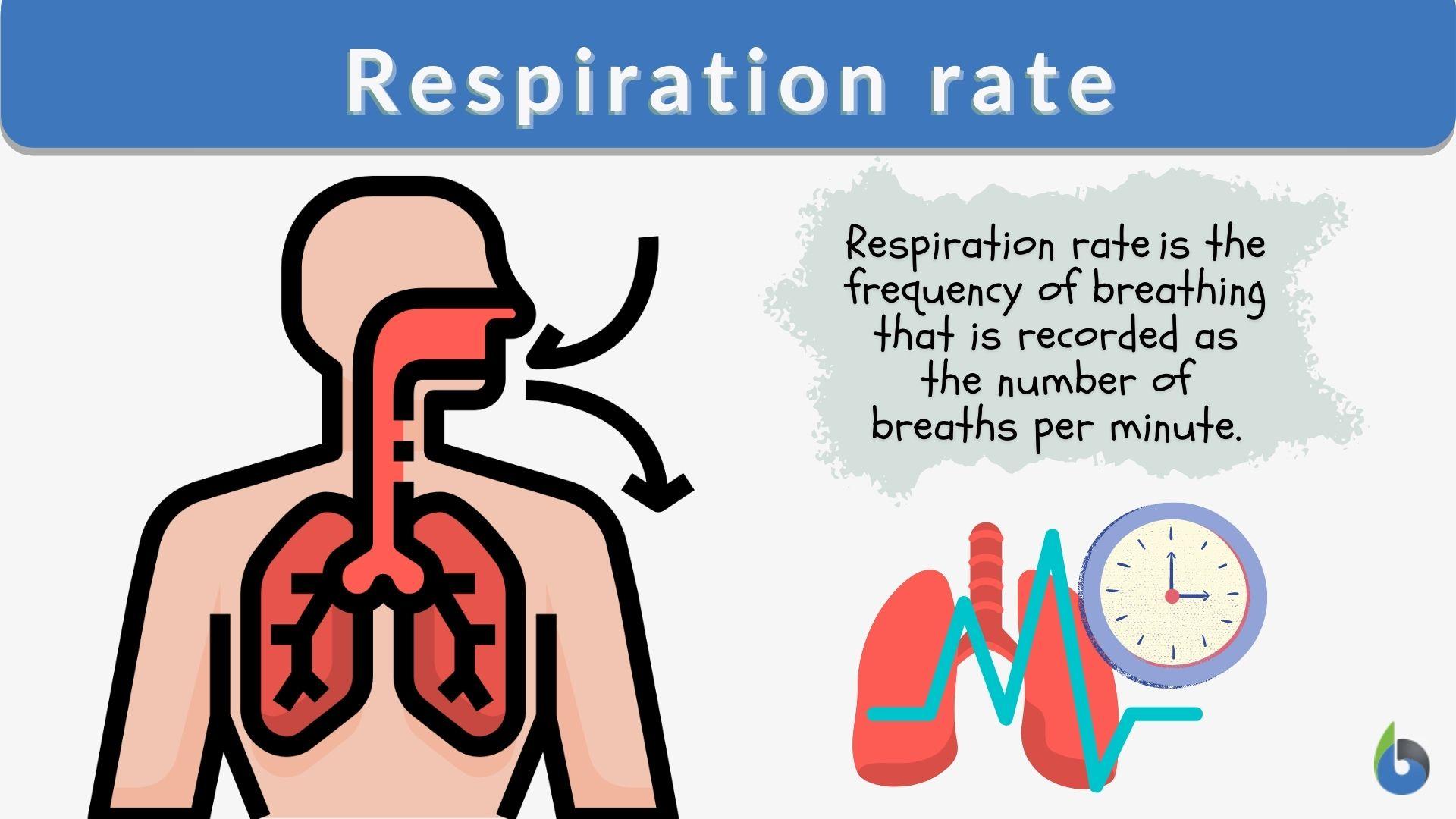
Historically, monitoring a person’s breathing frequency was a manual process. However, the tech industry has digitized this biological function, integrating it into everything from high-end smartwatches to specialized medical-grade wearables. In the context of digital health trends, breathing frequency is defined as the number of breaths a person takes per minute, but the “tech” definition includes the temporal resolution and the precision of the data capture.
From Analog Observation to Sensor Fusion
The shift from analog to digital respiratory monitoring was driven by the need for continuous data. Unlike a one-time measurement in a doctor’s office, modern tech allows for 24/7 tracking. This is achieved through “sensor fusion,” where multiple hardware components—such as accelerometers, gyroscopes, and optical sensors—work in tandem to calculate a highly accurate respiratory rate. This continuous stream of data allows for the creation of a “digital twin,” a virtual model of a user’s physiological state that tech platforms use to provide real-time feedback.
The Rise of Consumer Biometrics
The democratization of biometric technology has placed breathing frequency data into the hands of millions. Apps and gadgets from industry leaders like Apple, Garmin, and Oura have normalized the tracking of “Respiration Rate” alongside heart rate and sleep cycles. For the tech-savvy consumer, this metric serves as a key performance indicator (KPI) for their internal “operating system.” This trend reflects a broader movement in the software industry toward preventative health tools that leverage personal data to mitigate risks before they manifest as critical failures.
How Modern Wearables Measure Breathing Frequency
The technical challenge of measuring breathing frequency lies in the fact that it is a relatively “quiet” signal compared to the heartbeat. Tech companies have developed ingenious hardware and software solutions to extract this signal from the “noise” of daily movement.
Photoplethysmography (PPG) and Signal Extraction
Most modern wearables use PPG—the green or red light sensors on the back of a device—to measure heart rate. However, software engineers have developed sophisticated algorithms to extract breathing frequency from these same optical sensors. This is possible because the heart rate fluctuates slightly in sync with the respiratory cycle, a phenomenon known as Respiratory Sinus Arrhythmia (RSA). By applying digital signal processing (DSP) and high-pass filters to the pulse wave data, software can isolate the respiratory component, providing a breathing frequency measurement without needing a chest strap.
Accelerometry and Biomechanical Analysis
Another tech-heavy approach involves using high-precision accelerometers. These sensors detect the minute movements of the torso. In specialized wearables like smart shirts or chest-worn sensors, the accelerometer tracks the expansion and contraction of the rib cage. The software then converts these mechanical oscillations into a frequency domain using Fast Fourier Transform (RAT) algorithms. This method is particularly popular in sports tech, where movement intensity is high and optical sensors might struggle with “motion artifacts.”
The Integration of Acoustic Sensors
Emerging tech trends are also exploring the use of microphones and acoustic sensors to monitor breathing frequency. By utilizing “near-field” audio processing, apps can now analyze the sound of air movement during sleep. This technology is increasingly integrated into smart home hubs and bedside sleep trackers. The software uses noise-cancellation tech to ignore ambient sounds—like a spinning fan or traffic—while focusing specifically on the frequency of the user’s inhalations and exhalations.
The Role of AI and Machine Learning in Respiratory Data
Capturing the raw data is only the first half of the technological equation. The real value lies in how AI and machine learning (ML) interpret breathing frequency to provide actionable insights.
Pattern Recognition and Anomaly Detection
AI models are exceptionally good at identifying what a “normal” breathing frequency looks like for a specific individual. By establishing a baseline through weeks of data collection, ML algorithms can detect “anomalies.” For instance, a sudden increase in resting breathing frequency can be an early digital biomarker for the onset of a viral infection or a high-stress event. Developers are training these models on massive datasets to improve the sensitivity of these alerts, making “smart” devices even smarter.
Predictive Health Analytics
The tech industry is moving from descriptive analytics (what happened) to predictive analytics (what will happen). In the realm of breathing frequency, AI can correlate respiratory data with other metrics like Heart Rate Variability (HRV) and blood oxygen saturation (SpO2). By analyzing these multi-modal data points, AI software can predict a user’s recovery state or even potential respiratory distress. This is a cornerstone of the burgeoning “Proactive Health” software sector, where the goal is to provide a “check engine light” for the human body.
Refining Algorithms for Diverse Populations
A significant challenge in the tech space is ensuring that algorithms work for everyone. Early biometric sensors often struggled with different skin tones or body types. Current AI research is focused on “algorithmic fairness,” ensuring that the software interpreting breathing frequency is trained on diverse datasets. This involves deep learning techniques that can adapt to different signal strengths and noise levels, ensuring that the technology is inclusive and accurate across the global user base.
Applications in Sports Tech and Telemedicine
The practical application of breathing frequency technology is transforming two major sectors: high-performance athletics and remote healthcare.
Optimization in Elite Sports Software
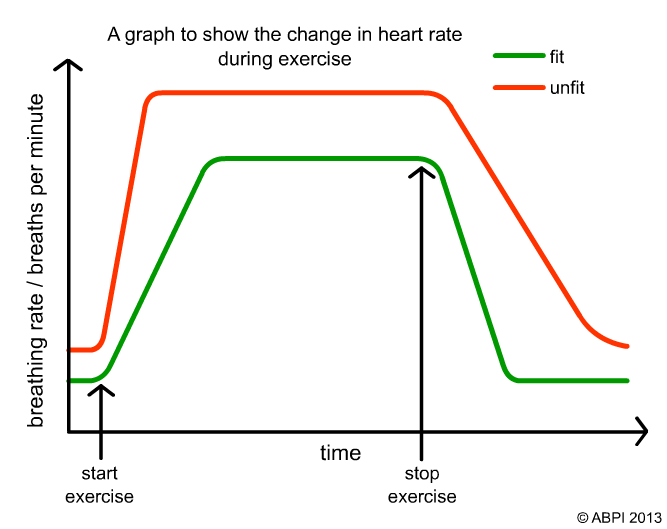
In the world of sports tech, breathing frequency is a critical metric for “metabolic conditioning.” Specialized apps for cyclists and runners use respiratory data to determine their “ventilatory threshold”—the point at which the body begins to rely more on anaerobic metabolism. By integrating this data into training software, athletes can optimize their workouts with surgical precision. This is a prime example of how niche biometric data is being turned into a competitive advantage through software engineering.
The Telemedicine Revolution and Remote Patient Monitoring (RPM)
Telemedicine has seen an explosion in the use of Remote Patient Monitoring (RPM) tools. For patients with chronic respiratory conditions, tech gadgets that monitor breathing frequency act as a continuous link to their healthcare provider. The software automatically uploads data to a secure cloud, where it is monitored by clinical dashboards. If the patient’s breathing frequency crosses a certain threshold, the system triggers an automated alert. This integration of digital security (HIPAA compliance), cloud computing, and biometric sensing represents the cutting edge of modern health-tech.
Stress Management Apps and Biofeedback
There is a growing market for software specifically designed for mental wellness and stress reduction. These apps often use “biofeedback,” where the user’s breathing frequency is displayed on-screen in real-time. The technology guides the user through “paced breathing” exercises, using visual or haptic cues to lower the breathing frequency. This creates a closed-loop system between the human and the device, demonstrating the power of UI/UX design in managing biological states.
Future Trends: Non-Contact Monitoring and Smart Fabrics
As we look toward the future of tech, the way we measure and utilize breathing frequency is set to become even more seamless and invisible.
Radar and LiDAR Sensing
One of the most exciting trends in digital health is “non-contact” monitoring. Using ultra-wideband (UWB) radar or LiDAR sensors—similar to the tech found in self-driving cars—devices can detect the micro-movements of a person’s chest from across a room. This removes the need for wearable gadgets entirely. Software integrated into smart mirrors or televisions could monitor the breathing frequency of an entire family, providing a passive health-security layer for the modern smart home.
The Evolution of Smart Fabrics
The “wearable” of the future might not be a watch, but the clothes we wear. Smart fabrics, or “e-textiles,” involve weaving conductive fibers directly into garments. These fibers act as sensors that can measure breathing frequency with higher accuracy than a wrist-based device. The challenge for tech companies in this space is durability and washability, but as material science catches up with software capabilities, smart clothing will likely become a standard “gadget” in the health-tech ecosystem.

Data Privacy and the Ethics of Biometric Tech
As breathing frequency becomes a more common data point, the conversation around digital security and data privacy intensifies. Biometric data is uniquely personal, and the tech industry must prioritize end-to-end encryption and decentralized data storage (such as Edge Computing) to protect users. The future of breathing frequency tech depends as much on building trust through robust security protocols as it does on the accuracy of the sensors themselves.
In conclusion, breathing frequency has evolved into a cornerstone of the technology sector’s foray into health and wellness. From the sophisticated hardware sensors in our gadgets to the AI-driven software in our pockets, the ability to track and interpret the rhythm of our breath is a testament to the power of modern tech. As we continue to refine these tools, breathing frequency will remain a vital metric in the quest to optimize human performance and revolutionize digital healthcare.
aViewFromTheCave is a participant in the Amazon Services LLC Associates Program, an affiliate advertising program designed to provide a means for sites to earn advertising fees by advertising and linking to Amazon.com. Amazon, the Amazon logo, AmazonSupply, and the AmazonSupply logo are trademarks of Amazon.com, Inc. or its affiliates. As an Amazon Associate we earn affiliate commissions from qualifying purchases.