
A brain stroke, traditionally defined as a “brain attack,” occurs when the blood supply to part of the brain is interrupted or reduced, preventing brain tissue from getting oxygen and nutrients. Within minutes, brain cells begin to die. While this remains a medical emergency, the lens through which we view, diagnose, and treat strokes has shifted dramatically due to the rapid evolution of technology. In the modern era, answering the question “what is a brain stroke” requires an understanding of artificial intelligence, high-speed data processing, and cutting-edge neuro-robotics.

As we navigate the intersection of healthcare and technology, the digital revolution is providing clinicians with tools that were once the province of science fiction. From AI-driven imaging to wearable monitors that predict atrial fibrillation, technology is shortening the gap between the onset of a stroke and life-saving intervention.
The Digital Transformation of the “Golden Hour”
In neurology, the mantra “time is brain” dominates every clinical decision. Every minute a stroke goes untreated, the average patient loses 1.9 million neurons. The “Golden Hour” refers to the critical window where medical intervention is most likely to prevent permanent disability. Technology has become the primary driver in optimizing this window.
The Mechanics of Ischemic and Hemorrhagic Events
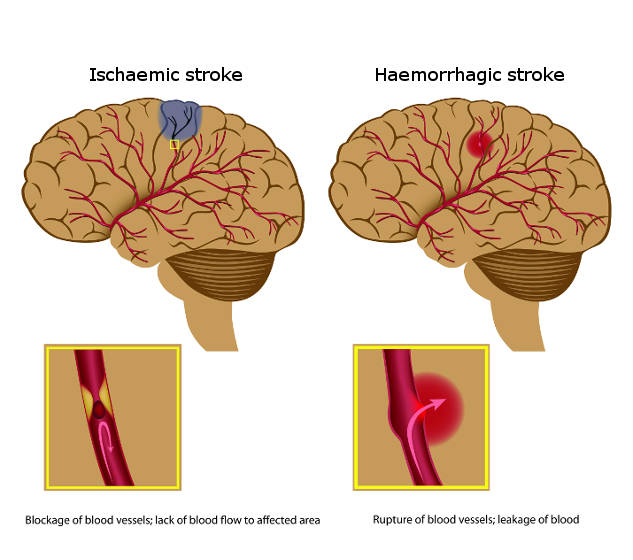
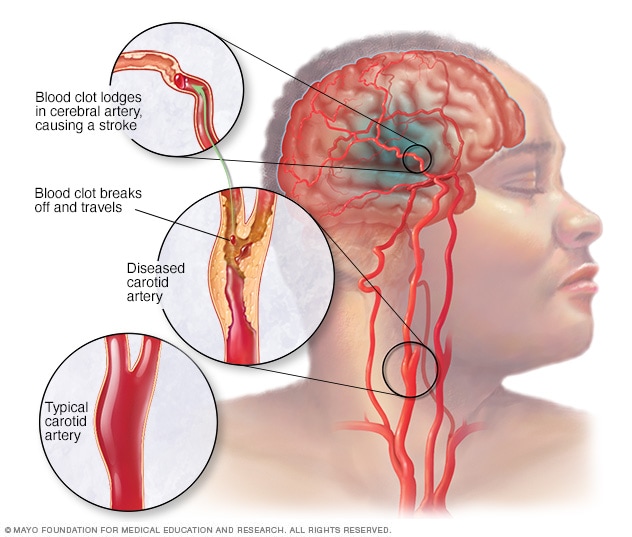
To understand the tech intervention, one must understand the two primary types of strokes. Ischemic strokes, caused by blockages, account for about 87% of cases, while hemorrhagic strokes involve a ruptured blood vessel. Modern diagnostic software now allows for the instantaneous differentiation of these types. High-resolution CT and MRI scans are no longer just pictures; they are data sets that can be analyzed by cloud-based platforms to pinpoint the exact location of a clot or bleed with sub-millimeter precision.
High-Speed Data and Triage Automation
In the past, a radiologist had to manually review every scan, a process that could take valuable minutes. Today, automated triage systems use algorithms to flag suspected strokes the moment a scan is uploaded to the hospital’s Picture Archiving and Communication System (PACS). These systems alert the entire stroke team via mobile apps, ensuring that by the time the patient leaves the scanner, the surgical team is already scrubbed in.
AI and Machine Learning: Revolutionizing Early Detection
Artificial Intelligence (AI) has moved from a buzzword to a fundamental component of stroke management. By training on millions of neurological data points, machine learning models can now identify patterns that are invisible to the human eye.
Computer Vision in Neuroimaging
Companies like Viz.ai and RapidAI have pioneered the use of computer vision to detect Large Vessel Occlusions (LVOs). These AI platforms analyze CT angiograms and perfusion scans in real-time. By comparing a patient’s scan against a massive database of stroke signatures, the AI can predict the likelihood of a stroke and quantify the volume of “penumbra”—the salvageable brain tissue surrounding the core of the stroke. This data-driven approach allows surgeons to decide instantly if a mechanical thrombectomy (the physical removal of a clot) is viable.
Predictive Analytics for At-Risk Populations
Beyond the hospital walls, AI is being used for primary prevention. Electronic Health Record (EHR) systems integrated with predictive analytics can scan a patient’s history—monitoring factors like hypertension, diabetes, and previous transient ischemic attacks (TIAs)—to assign a “stroke risk score.” This allows for proactive medical management, utilizing software to nudge both patients and doctors toward preventative measures before a crisis occurs.
Wearable Tech and Remote Monitoring: Preventing the “Silent” Threat
One of the most significant challenges in preventing strokes is the detection of “silent” conditions like Atrial Fibrillation (AFib), a leading cause of ischemic stroke. Technology has moved diagnostic capabilities from the clinic into the pockets and onto the wrists of the general population.
IoT-Enabled Vital Tracking
The latest generation of smartwatches and wearable rings are equipped with sophisticated PPG (photoplethysmography) sensors and ECG (electrocardiogram) capabilities. These Internet of Things (IoT) devices monitor heart rhythms 24/7. When an irregularity is detected, the device can prompt the user to record a single-lead ECG and send the data directly to their cardiologist. This democratization of cardiac monitoring is catching “silent” AFib cases that would otherwise have resulted in a major stroke.
Real-Time Alerts and Emergency Response Integration
Modern tech ecosystems are now integrating wearable data with emergency services. In the event of a “fall detection” or a sudden change in vital signs consistent with a stroke, devices can automatically trigger an SOS signal, providing GPS coordinates to first responders. This “smart” emergency response reduces the time a patient spends alone and incapacitated, which is often the difference between recovery and long-term care.
Neuro-Robotics and VR: The New Frontier of Rehabilitation
The definition of a stroke includes the aftermath—the long road to regaining mobility and cognitive function. Here, technology is shifting the focus from simple physical therapy to high-tech neuro-rehabilitation.
Brain-Computer Interfaces (BCI)
BCI technology is perhaps the most ambitious tech application in stroke recovery. For patients left with paralysis, BCIs can bypass damaged neural pathways. By implanting sensors (or using non-invasive caps) that detect electrical activity in the brain, patients can learn to control robotic exoskeletons or computer cursors simply by thinking about the movement. This “digital bypass” is opening new avenues for independence in post-stroke life.
VR-Guided Neuroplasticity Training
Virtual Reality (VR) is being utilized to “gamify” rehabilitation. Traditional exercises can be repetitive and discouraging, but VR environments provide immersive, engaging tasks that stimulate neuroplasticity—the brain’s ability to rewire itself. Through Haptic feedback and visual cues, VR software tracks a patient’s range of motion with precision, adjusting the difficulty level in real-time to ensure the brain is constantly being challenged to form new neural connections.
Cybersecurity and Data Privacy in Modern Stroke Management
As stroke care becomes increasingly digitized, the infrastructure supporting it faces new challenges. The shift toward “Connected Care” means that a patient’s neurological data is often stored in the cloud and transmitted across networks.
Protecting Patient Data in Connected Care
With the rise of TeleStroke—where specialists provide remote consultations via high-definition video—the security of those data streams is paramount. End-to-end encryption and robust identity management systems are required to ensure that sensitive neurological profiles do not fall into the wrong hands. In the tech-heavy landscape of modern medicine, data privacy is as much a part of patient safety as the surgery itself.
The Risks of Medical Device Hacking
As we integrate more hardware into the human body, such as programmable shunts or implanted heart monitors, the “attack surface” for cyber threats increases. Cybersecurity in the medical tech niche focuses on “security by design,” ensuring that the firmware in life-saving devices is immutable and resistant to unauthorized access. The industry is currently seeing a surge in investment toward securing the “Internet of Medical Things” (IoMT) to prevent any disruption in stroke-related care.
Conclusion: The Convergence of Biology and Bitrate
What is a brain stroke in the 21st century? It is a biological crisis that is increasingly being solved by technological solutions. We are no longer limited to reactive medicine; we are entering an era of proactive, data-driven, and technologically-augmented neurology.
The integration of AI diagnostics, wearable prevention tools, and robotic rehabilitation is fundamentally changing the prognosis for stroke victims worldwide. As software becomes more sophisticated and hardware becomes more integrated with the human body, the goal is not just to survive a stroke, but to use technology to mitigate its occurrence and reverse its effects. For the tech industry, the challenge is clear: continue to innovate until the “brain attack” is a manageable, and perhaps even preventable, digital event.
aViewFromTheCave is a participant in the Amazon Services LLC Associates Program, an affiliate advertising program designed to provide a means for sites to earn advertising fees by advertising and linking to Amazon.com. Amazon, the Amazon logo, AmazonSupply, and the AmazonSupply logo are trademarks of Amazon.com, Inc. or its affiliates. As an Amazon Associate we earn affiliate commissions from qualifying purchases.