
In the rapidly advancing landscape of medical technology, the Erythrocyte Sedimentation Rate (ESR)—often referred to as the blood sedimentation rate—has transitioned from a rudimentary manual observation to a sophisticated data point powered by cutting-edge hardware and artificial intelligence. While the biological premise remains the same, the technology used to measure, analyze, and interpret this rate has become a cornerstone of the modern MedTech industry. Understanding “what is blood sedimentation rate” today requires more than a medical definition; it requires an exploration of the sensors, software, and digital security frameworks that allow this metric to serve as a vital indicator of systemic inflammation.
The Engineering of Measurement: From Manual Tubes to Automated Analyzers
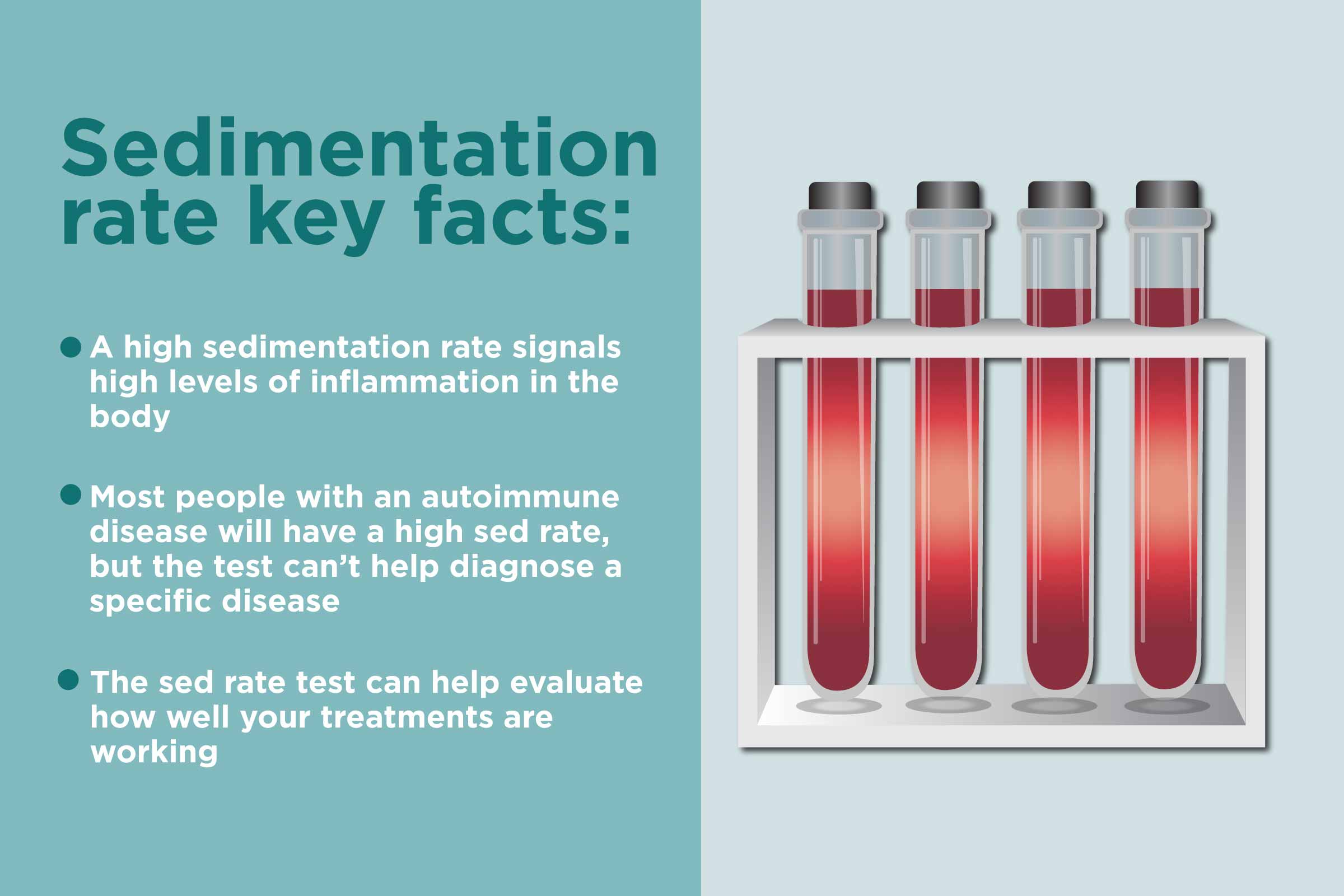
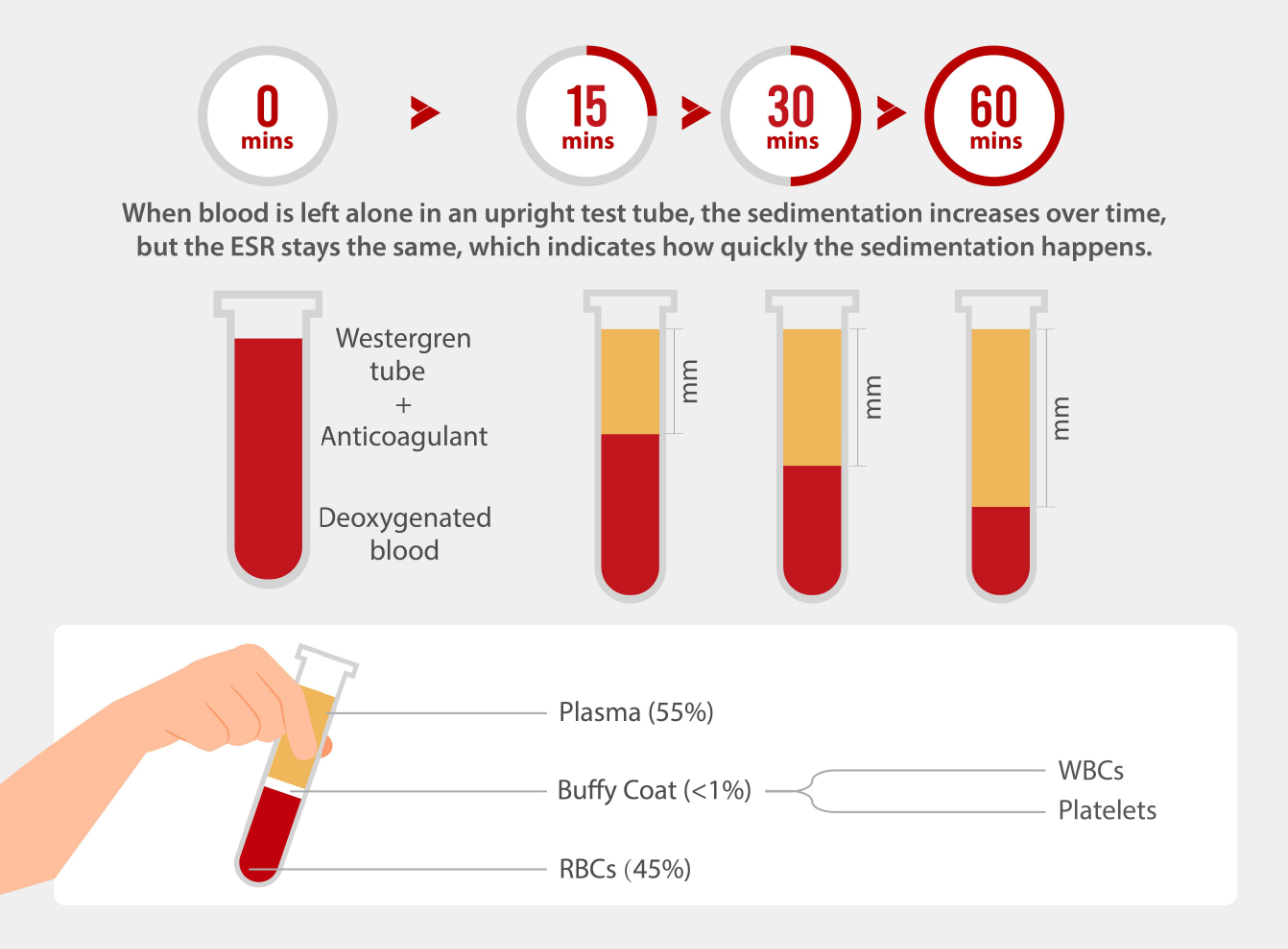
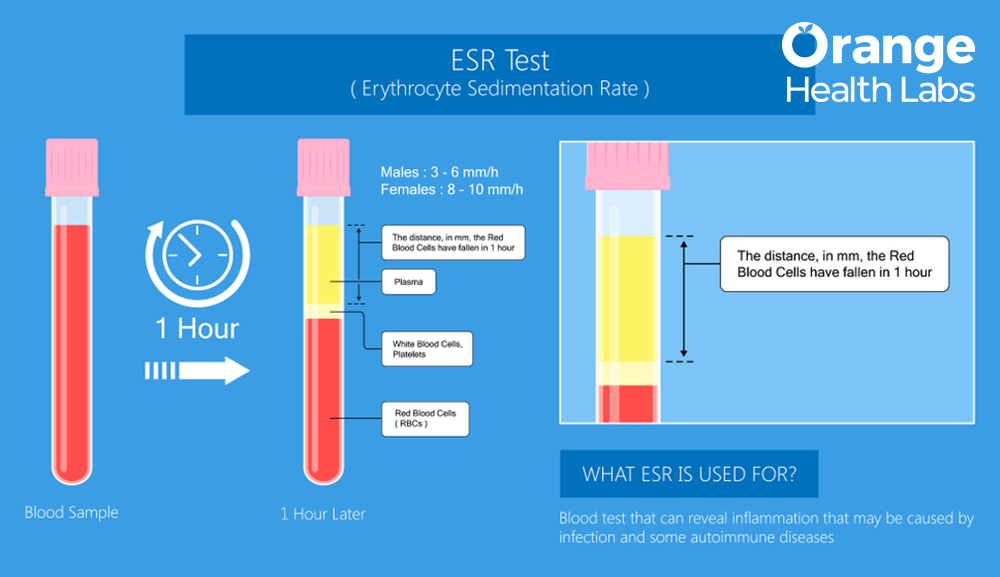
For decades, the blood sedimentation rate was measured using the Westergren method, a manual process involving glass pipettes and a one-hour timer. However, the tech sector has revolutionized this process, replacing human observation with high-precision optoelectronic sensors. Modern laboratory environments now utilize automated ESR analyzers that provide results in a fraction of the time with significantly higher accuracy.
Infrared Sensing and Kinematics
The core technology behind modern ESR measurement involves infrared (IR) barriers and sophisticated kinematic sensors. Automated analyzers utilize a series of IR transmitters and receivers to monitor the descent of red blood cells (erythrocytes) in real-time. Unlike the manual method, which only measures the final position of the cells after 60 minutes, digital analyzers capture the “sedimentation curve.” This allows the software to calculate the rate within 15 to 20 minutes by analyzing the initial velocity of the “rouleaux” formation (the stacking of red blood cells).
Throughput and Lab Automation
In large-scale diagnostic facilities, the “tech” behind ESR is centered on throughput. Robotic arms and conveyor systems integrate ESR analyzers directly into the laboratory’s track system. These machines can process hundreds of samples per hour, utilizing barcode scanning to ensure sample integrity and automated mixing protocols that eliminate the variance introduced by manual handling. This level of automation is a testament to the intersection of mechanical engineering and fluid dynamics software.
Rheological Modeling via Software
The physics of blood flow, or rheology, is complex. Modern ESR equipment uses proprietary algorithms to account for variables such as hematocrit levels and ambient temperature. Software developers in the MedTech space create models that normalize these environmental factors, ensuring that the “blood sedimentation rate” reported to the physician is a standardized value, regardless of whether the lab is in a humid tropical climate or a temperature-controlled facility in the arctic.
Digital Transformation: How AI and Machine Learning Predict Inflammation
The true “Tech” revolution in hematology is not just in how we measure the blood sedimentation rate, but in how we interpret the resulting data. As we move into the era of Big Data, the ESR is no longer viewed in isolation. It is now a primary input for machine learning models designed to predict disease progression and treatment efficacy.
Neural Networks in Diagnostic Interpretation
Artificial Intelligence (AI) tools are now being trained on millions of ESR data points cross-referenced with patient outcomes. These neural networks can identify subtle patterns in sedimentation curves that the human eye might miss. For instance, a “fast” rate might be standard for one demographic but an early warning sign of an autoimmune flare-up for another. AI-driven diagnostic tools help clinicians move from reactive medicine to predictive analytics by flagging anomalies in the rate before they cross the clinical threshold of “abnormal.”
Integration with Electronic Health Records (EHR)
The digital footprint of a blood sedimentation rate test is managed by complex Laboratory Information Systems (LIS) that sync seamlessly with Electronic Health Records (EHR). Through API integrations, ESR results are automatically charted against historical data. This “Trend Tech” allows for the visualization of inflammation over time. Developers have created dashboards that use color-coded alerts and predictive trend lines, enabling doctors to see at a glance whether a patient’s “sedimentation rate” is stabilizing or trending toward a crisis.
Cloud-Based Pathology and Collaborative Tech
Cloud computing has enabled “tele-pathology,” where ESR data captured in a remote clinic can be analyzed by specialists thousands of miles away. By uploading the digital signature of the sedimentation curve to a secure cloud server, healthcare providers can utilize decentralized diagnostic power. This ensures that even in resource-limited settings, the technology of the blood sedimentation rate remains accessible, provided there is an internet connection and a compatible digital analyzer.
The Future of Point-of-Care Testing (POCT) and Wearable Tech
As gadgets shrink and processing power increases, the focus of blood sedimentation rate technology is shifting from the centralized lab to the palm of the hand. The rise of Point-of-Care Testing (POCT) represents the next frontier in diagnostic hardware.
Miniaturization and Microfluidics
The next generation of ESR tech involves microfluidic chips. These “lab-on-a-chip” devices require only a finger-prick of blood rather than a full venous draw. Using capillary action and micro-sensors, these gadgets can determine the blood sedimentation rate in minutes. This is a massive leap for patients with chronic conditions like rheumatoid arthritis, who may soon be able to monitor their inflammation levels at home using a device no larger than a standard glucose monitor.
Smartphone-Integrated Diagnostics
We are seeing the emergence of smartphone attachments and apps designed to interpret lateral flow assays or microfluidic results. Using the high-resolution cameras and processing power of modern smartphones, these apps can perform optical analysis of blood sedimentation. While still largely in the regulatory approval phase, the “App-ification” of the ESR test promises to democratize health data and put powerful diagnostic tools in the hands of consumers.
Wearable Sensors and Continuous Monitoring
While a continuous “blood sedimentation rate” sensor does not yet exist in the way heart rate monitors do, the tech industry is researching non-invasive optical sensors that can detect protein changes in the blood through the skin. If successful, this would represent a paradigm shift, moving the ESR from a “snapshot” measurement to a continuous stream of biometric data, integrated with fitness trackers and health ecosystems like Apple Health or Google Fit.
Digital Security and Privacy in Hematological Data
With the digitizing of blood sedimentation rate data comes the critical need for digital security. As healthcare remains a primary target for cyberattacks, the technology surrounding ESR testing must be fortified by robust cybersecurity measures.
Encryption and Data Integrity
When an automated analyzer sends an ESR result to the cloud, it must be protected by end-to-end encryption. MedTech firms are increasingly utilizing Advanced Encryption Standard (AES) 256-bit protocols to ensure that sensitive patient data—specifically the inflammatory markers revealed by the sedimentation rate—cannot be intercepted. Furthermore, digital signatures are used to ensure “data integrity,” proving that the result hasn’t been tampered with between the lab and the doctor’s screen.
Blockchain in Diagnostic Logs
Some innovators are exploring blockchain technology to create immutable logs of diagnostic tests. By recording the “blood sedimentation rate” on a private blockchain, medical facilities can create a transparent and unhackable history of a patient’s health. This is particularly useful in clinical trials, where the accuracy and sequence of ESR data are paramount for determining the safety of new pharmaceutical tech.
Regulatory Compliance and Software Audits
Technology providers in the ESR space must navigate a complex web of regulations, such as HIPAA in the United States and GDPR in Europe. This has birthed a sub-sector of “RegTech” (Regulatory Technology) that specifically audits the software used in hematology labs. These tools scan for vulnerabilities in the analyzer’s firmware and ensure that the digital “blood sedimentation rate” is handled with the highest standards of privacy, preventing unauthorized access to a patient’s inflammatory profile.
In conclusion, the question “what is blood sedimentation rate” finds its most exciting answer in the realm of technology. It is no longer just a biological phenomenon; it is a digital metric refined by infrared sensors, interpreted by AI, delivered via the cloud, and protected by advanced encryption. As hardware continues to shrink and software continues to learn, the technology of the ESR will remain at the forefront of the digital health revolution, transforming a century-old test into a high-tech pillar of modern longevity.
aViewFromTheCave is a participant in the Amazon Services LLC Associates Program, an affiliate advertising program designed to provide a means for sites to earn advertising fees by advertising and linking to Amazon.com. Amazon, the Amazon logo, AmazonSupply, and the AmazonSupply logo are trademarks of Amazon.com, Inc. or its affiliates. As an Amazon Associate we earn affiliate commissions from qualifying purchases.