
In the world of brand strategy, few challenges are as daunting as marketing a commodity. When a product is chemically identical across all manufacturers, how does one company rise above the rest to become a household name? Sodium bicarbonate, commonly known as bi-carb soda, provides perhaps the most sophisticated case study in corporate identity and market positioning. To the chemist, it is $NaHCO_3$; to the consumer, it is a symbol of domestic reliability, cleanliness, and multi-generational trust.
This article explores how bi-carb soda transitioned from a generic industrial byproduct to a powerhouse of brand equity, examining the strategic maneuvers that allow a simple white powder to command premium shelf space and unwavering consumer loyalty.
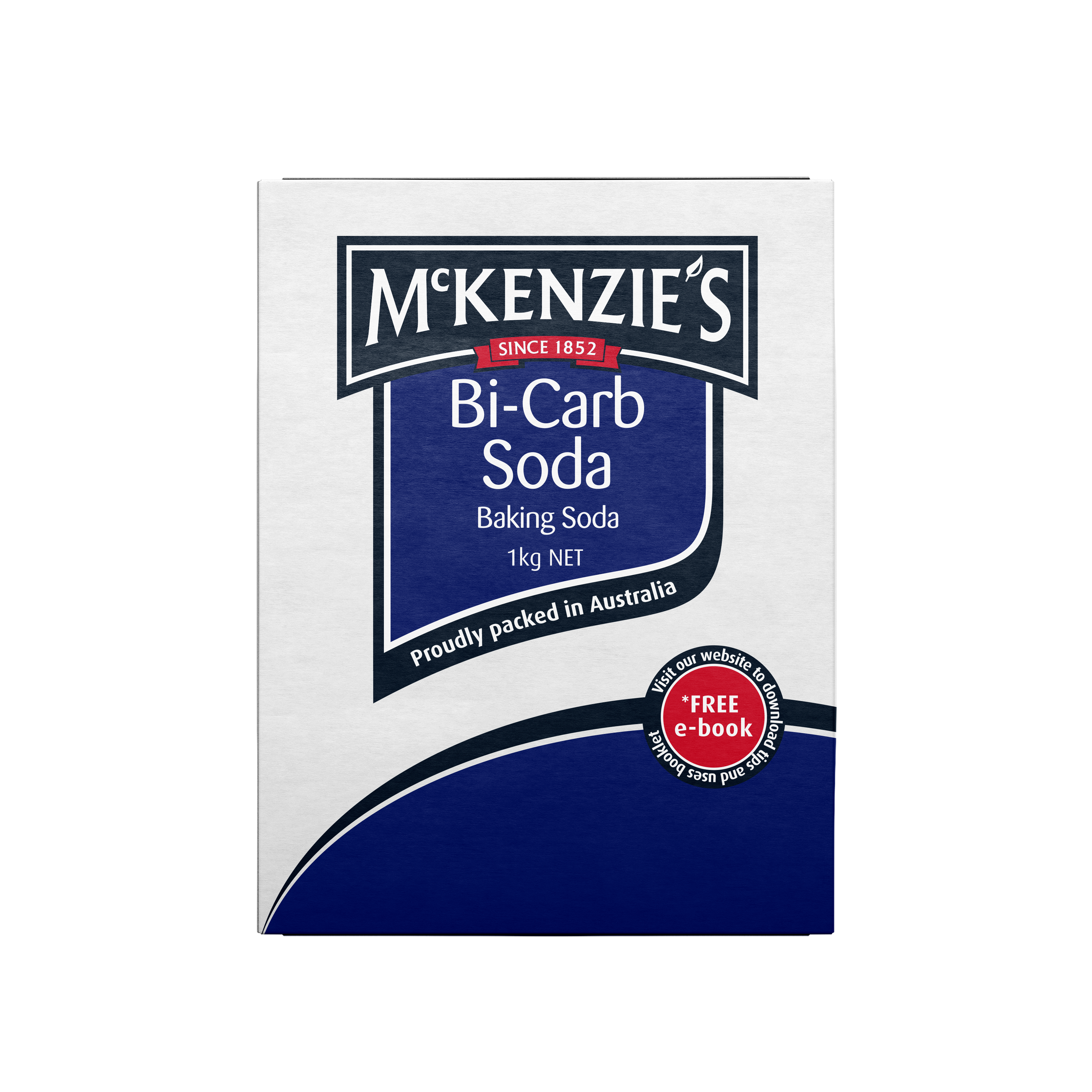
From Kitchen Staple to Global Icon: The Evolution of Bi-Carb Soda as a Brand
The journey of bi-carb soda from a bulk chemical to a branded icon is a narrative of visionary marketing. In its early days, sodium bicarbonate was sold in unbranded barrels, a faceless utility used primarily by commercial bakers. The shift toward consumer branding required a fundamental change in how the product was perceived: from an industrial ingredient to a domestic essential.
The Power of Identity in General Goods
The primary hurdle for any brand in the “general goods” category is the lack of inherent differentiation. If every box contains the same chemical compound, the brand is the product. Successful bi-carb soda brands realized early on that they weren’t selling a chemical; they were selling “the secret to a perfect rise” or “the guardian of a fresh home.”
This is where brand strategy intersects with psychology. By creating a distinct visual identity—think of the iconic orange boxes or the muscular imagery of 19th-century logos—companies moved away from price-war competition. They established a “mental monopoly,” where the consumer no longer asks for sodium bicarbonate, but asks for the brand name itself. This is the pinnacle of corporate identity: when the brand becomes the category.
Case Study: The Arm & Hammer Legacy
One cannot discuss the branding of bi-carb soda without mentioning Arm & Hammer. Established in the mid-1800s, the brand utilized the “Arm and Hammer” of Vulcan, the Roman god of fire and metalworking. This choice of imagery was a strategic masterstroke in personal and corporate branding. It communicated strength, purity, and industrial reliability to a demographic that was increasingly skeptical of adulterated food products.
The brand didn’t just stop at a logo; they pioneered the use of educational marketing. By distributing small cookbooks and household hint pamphlets, they embedded their brand into the daily lives of consumers. They transformed a commodity into a “lifestyle tool,” a strategy that modern digital brands still struggle to emulate with the same level of efficacy.
The Strategy of Multi-Utility: How Branding Redefined the Use-Case
One of the most significant risks in brand strategy is being “pigeonholed.” If a brand is known for only one thing, its growth is capped by the market size of that specific use. Bi-carb soda brands avoided this trap through a brilliant “Multi-Utility Strategy.”
Pivoting from Baking to Deodorizing
In the 1970s, as home baking began to decline due to the rise of processed foods, bi-carb soda brands faced a potential existential crisis. The response was a pivot that is still studied in business schools today: the “fridge-freshener” campaign. By rebranding bi-carb soda as a powerful deodorizer, companies successfully convinced consumers to put a box in their refrigerator—and, more importantly, to replace it every 30 days.
This was not a product innovation; it was a branding innovation. It changed the consumption cycle from “occasional baking use” to “constant passive use.” From a brand strategy perspective, this maneuver increased the customer lifetime value (CLV) exponentially without requiring a single change to the manufacturing process.
Creating Emotional Connectivity with a Chemical Compound
How do you make a consumer feel “connected” to a box of soda? You align the brand with the concept of the “Wholesome Home.” Through strategic design and messaging, bi-carb soda became associated with safety. In an era where chemical cleaners were becoming increasingly complex and potentially toxic, bi-carb brands leaned into their “natural” and “gentle” identity.
The branding moved from “functional” (it cleans) to “emotional” (it protects your family). This shift allowed the product to transcend the cleaning aisle and enter the realm of wellness and personal care, setting the stage for future brand extensions.

Brand Extension and Market Penetration
A strong corporate identity provides a platform for growth. For bi-carb soda, the “permission” granted by the consumer to enter new categories is a testament to the strength of the core brand. When a consumer trusts a brand to clean their floors and bake their bread, they are more likely to trust it to clean their teeth.
Leveraging Trust into New Product Verticals
The expansion into toothpaste, laundry detergent, and personal deodorants represents the “halo effect” of brand strategy. Because the core product (bi-carb soda) was already associated with “clean” and “fresh,” the transition into the personal care aisle was seamless.
The strategy here is “Trust Transfer.” By featuring the iconic bi-carb logo prominently on a tube of toothpaste, the company bypasses the need to prove the efficacy of the new product. The consumer already believes in the power of the “hero ingredient.” This reduces the cost of customer acquisition for new products and creates a defensive moat against competitors who lack a heritage ingredient.
The Psychology of Cleanliness in Corporate Identity
In branding, “cleanliness” is often associated with minimalism and transparency. Bi-carb soda brands have masterfully maintained a “no-nonsense” aesthetic. While other cleaning brands use neon colors and complex chemical names, bi-carb brands often stick to classic typography and straightforward claims.
This design language communicates honesty. In the world of branding, honesty is a premium currency. By maintaining a consistent corporate identity over decades, these brands have built a level of “Brand Salience” that makes them the default choice in moments of consumer uncertainty.
Sustainable Branding: Bi-Carb Soda in the Eco-Conscious Era
As we move further into the 21st century, brand strategy must account for the “Green Consumer.” Bi-carb soda is uniquely positioned to dominate this space, but only if the branding reflects contemporary values of sustainability and environmental stewardship.
Positioning for the “Green” Consumer
The “Green” movement has allowed bi-carb soda to experience a renaissance. However, being “eco-friendly” is no longer enough; a brand must also be “eco-chic” or “eco-transparent.” Modern brand strategy for bi-carb soda involves highlighting the biodegradable nature of the product and its plastic-free packaging options.
Brands are now shifting their narrative from “cheap and effective” to “pure and planet-friendly.” This repositioning targets a younger, more affluent demographic that is willing to pay a premium for brands that align with their ethical values. This is a classic example of “Value-Based Positioning,” where the brand’s identity is built around shared morals rather than just product features.
Transparency and the Minimalist Brand Aesthetic
The modern consumer is wary of “greenwashing.” Therefore, the branding of bi-carb soda has moved toward extreme transparency. Simple packaging, clear ingredient lists (often just one), and a focus on “DIY” culture have turned bi-carb soda into a staple for the minimalist lifestyle movement.
By aligning with the “De-influencing” and “Low-Waste” trends on social media, bi-carb brands have found a way to remain relevant without massive advertising budgets. They allow the community to create the content, effectively turning their customers into brand ambassadors. This is the ultimate goal of community-based brand strategy.
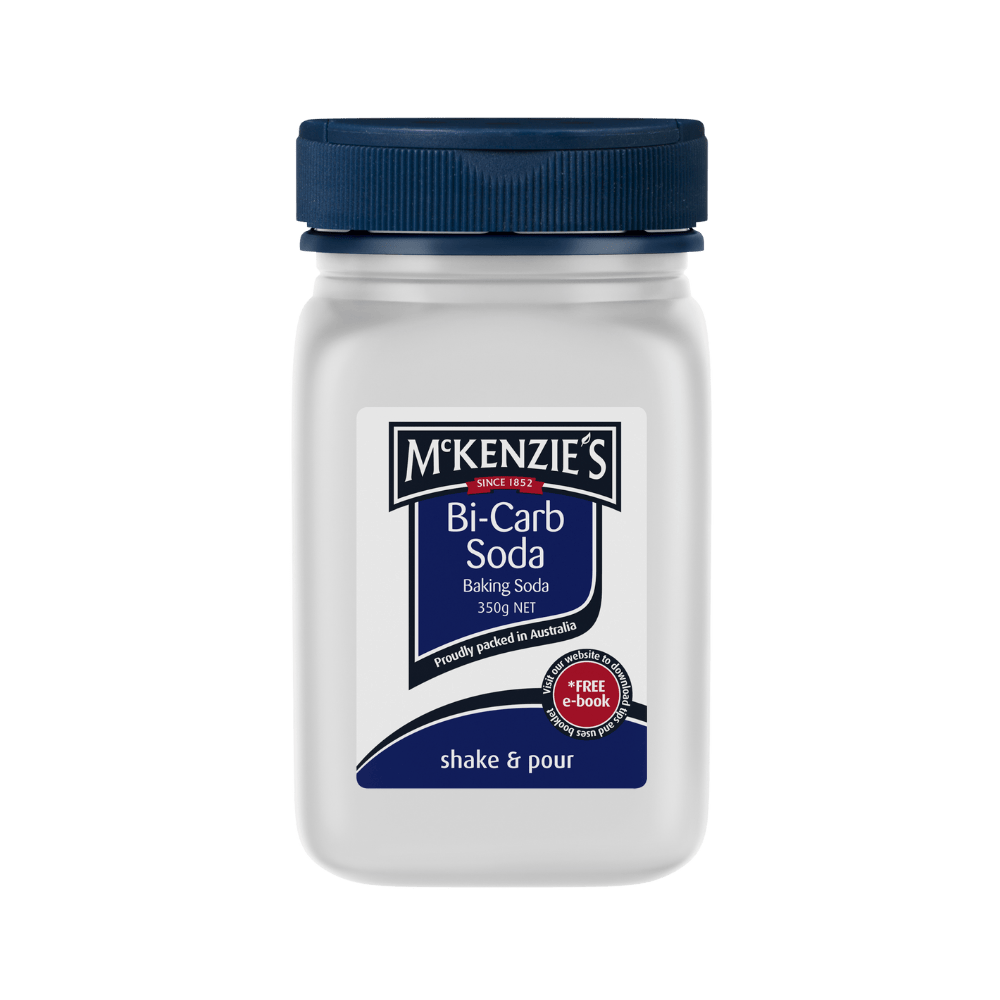
Future-Proofing the Commodity: Lessons for Modern Marketers
The story of bi-carb soda is far from over. As technology and consumer habits evolve, the brand strategies surrounding this simple product will continue to adapt. However, the core lessons remain constant for any brand strategist or corporate leader.
First, identity is everything. When your product is a commodity, your brand is your only true asset. Second, utility is flexible. A brand that can solve multiple problems for a consumer is a brand that becomes indispensable. Third, trust is a long game. The most successful bi-carb soda brands have been consistent for over a century, proving that while marketing tactics change, a strong corporate identity is timeless.
In conclusion, “what is bi-carb soda?” is a question that can be answered chemically, but its true significance lies in its status as a branding marvel. It is a testament to the power of strategic positioning, showing that with the right brand strategy, even the most humble substance can become an enduring icon of global commerce. For those looking to build a brand today, the humble orange box offers more insight than a thousand modern marketing textbooks.
aViewFromTheCave is a participant in the Amazon Services LLC Associates Program, an affiliate advertising program designed to provide a means for sites to earn advertising fees by advertising and linking to Amazon.com. Amazon, the Amazon logo, AmazonSupply, and the AmazonSupply logo are trademarks of Amazon.com, Inc. or its affiliates. As an Amazon Associate we earn affiliate commissions from qualifying purchases.