
In the complex intersection of healthcare and personal finance, few areas are as critical as the management of chronic conditions. Baclofen, a skeletal muscle relaxant that has been a staple in neurology for decades, represents more than just a clinical solution; it represents a significant economic variable for patients, insurance providers, and the pharmaceutical market at large. Understanding what Baclofen is prescribed for requires a dual lens: one that views the clinical necessity of the drug and another that calculates the long-term financial implications of its administration.

For many, a prescription for Baclofen is the starting point of a lifelong journey in managing neuromuscular disorders. From the perspective of personal finance and healthcare economics, this medication is a primary tool used to mitigate the staggering costs associated with disability, lost productivity, and high-intensity emergency care.
The Clinical Market and Demand: Why Baclofen is Prescribed
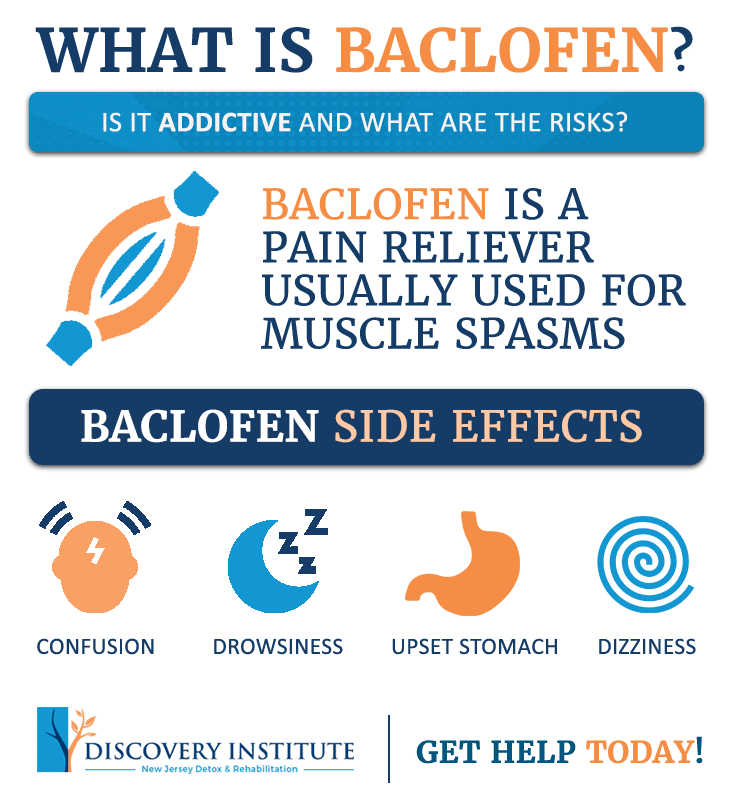
To understand the money moving through the pharmaceutical supply chain, one must first understand the clinical demand. Baclofen is primarily prescribed to treat spasticity, a condition characterized by stiff or rigid muscles and involuntary muscle spasms. This condition is not a standalone disease but a symptom of underlying neurological damage.
Primary Indications: Multiple Sclerosis and Spinal Cord Injuries
The largest market for Baclofen resides within the patient populations suffering from Multiple Sclerosis (MS) and traumatic spinal cord injuries. For these individuals, Baclofen acts as a GABA-ergic agonist, effectively “quieting” the overactive nerve signals that cause muscles to contract uncontrollably. From a financial planning perspective, MS is a high-cost condition. By managing spasticity with Baclofen, patients can often maintain mobility, which significantly reduces the need for expensive home-care modifications and full-time nursing assistance.
Off-Label Market Drivers: Alcohol Use Disorder and Chronic Pain
Beyond its FDA-approved uses, the “off-label” market for Baclofen has expanded, creating new revenue streams for generic manufacturers. Increasingly, Baclofen is prescribed for Alcohol Use Disorder (AUD) to reduce cravings and withdrawal symptoms. Additionally, it is frequently used in the management of chronic back pain and trigeminal neuralgia. For the savvy consumer and the insurance actuary, these off-label uses represent a cost-effective alternative to more expensive, high-risk treatments like opioids, which carry a much higher “societal cost” in terms of addiction and rehabilitation expenses.
The Cost of Care: Analyzing the Pricing of Baclofen
The financial burden of a Baclofen prescription varies wildly depending on the delivery method. For those managing their finances, the distinction between oral tablets and intrathecal delivery systems is the difference between a minor monthly expense and a major capital investment.
Generic vs. Brand Name: The Impact of Patent Expiration
Baclofen was originally marketed under the brand name Lioresal. Today, the patent has long expired, allowing the market to be flooded with low-cost generic versions. For a patient paying out-of-pocket, oral generic Baclofen is relatively affordable, often costing less than $20 for a month’s supply. This makes it a “tier 1” drug in most insurance formularies. The economic takeaway here is the power of generic competition; it has democratized access to muscle relaxants, preventing the “financial toxicity” often seen with newer, brand-name biologics.
Intrathecal Baclofen Therapy (IBT): High-Tech, High-Cost
While tablets are cheap, Intrathecal Baclofen Therapy (IBT) is a different financial beast entirely. This involves a surgically implanted pump that delivers medication directly into the spinal fluid. The initial cost of the surgery and the pump hardware can range from $30,000 to $50,000. Furthermore, the pump requires maintenance, refills, and eventual replacement every five to seven years. For a patient’s personal balance sheet, IBT is a long-term liability that requires robust insurance coverage or a high-net-worth healthcare fund. However, from a business finance perspective, the “ROI” (Return on Investment) is often justified if the pump allows a patient to return to the workforce or avoids the complications of severe, untreated spasticity, such as contractures that require even more expensive orthopedic surgeries.
Insurance Navigation and Financial Assistance Programs
Because Baclofen is often prescribed for chronic, life-altering conditions, navigating the financial hurdles of insurance is a primary concern for patients. The goal is to minimize “out-of-pocket” (OOP) expenses while maximizing the quality of care.
Coverage Tiers and Prior Authorization Hurdles
Most insurance plans, including Medicare Part D, cover oral Baclofen with minimal fuss. However, for higher dosages or liquid formulations used by pediatric patients, insurance companies may implement “prior authorization.” This is a cost-control mechanism where the insurer requires the doctor to prove that Baclofen is medically necessary before they agree to pay. For the patient, this can cause a delay in treatment, which may have indirect financial costs such as missed workdays due to increased pain or mobility issues.
Leveraging Manufacturer Coupons and Patient Assistance Programs (PAPs)
Even with generic availability, the cumulative cost of managing a condition like MS can be overwhelming. Many pharmaceutical companies offer Patient Assistance Programs (PAPs) for their specific formulations of the drug (such as the Ozobax or Fleqsuvy brands). Additionally, discount platforms like GoodRx or Mark Cuban’s Cost Plus Drug Company have disrupted the traditional pharmacy model, often offering Baclofen at prices lower than the typical insurance copay. For those looking to optimize their personal finance, shopping around for the best “cash price” is often more effective than relying solely on a standardized insurance plan.
The Macroeconomic Impact of Chronic Muscle Relaxant Therapy
On a broader scale, what Baclofen is prescribed for has significant implications for the national economy. Chronic disability is one of the leading drivers of lost GDP, and effective pharmacological intervention is a key tool in labor force retention.
Workforce Productivity and the Return on Investment (ROI) of Treatment
When a worker is prescribed Baclofen for a condition like a spinal cord injury, the goal is often to restore enough function to allow for “activities of daily living” and, ideally, employment. The cost of the medication is negligible compared to the tax revenue generated by a productive employee and the reduction in government disability payments (SSDI). In this sense, the widespread prescription of Baclofen is an investment in human capital. By suppressing spasms, the drug allows individuals to operate computers, drive vehicles, and participate in the service economy, shifting them from being consumers of social safety nets to contributors to the economy.
Long-term Healthcare Savings through Preventive Spasm Management
In the world of business finance and healthcare administration, “preventive spending” is the gold standard. Untreated spasticity leads to “secondary complications” such as pressure ulcers (bedsores), joint dislocations, and permanent muscle shortening (contractures). The cost to treat a single infected pressure ulcer can exceed $10,000 in hospital fees. By contrast, a consistent prescription of Baclofen acts as a financial hedge. It prevents the catastrophic costs of emergency interventions by maintaining the patient’s physical status quo. For health maintenance organizations (HMOs), prescribing Baclofen is a strategic move to lower the “actuarial risk” of a patient population.

Conclusion: The Bottom Line on Baclofen
In summary, when we ask “what is Baclofen prescribed for,” we are asking about the management of conditions that carry immense physical and financial weight. From the $20 bottle of generic pills to the $50,000 intrathecal pump system, Baclofen is a cornerstone of the medical-economic landscape.
For the individual, it is a tool for maintaining financial independence through physical mobility. For the healthcare provider, it is a cost-effective first-line defense against more expensive complications. And for the economy, it is a vital intervention that supports workforce participation among those with neurological challenges. Understanding the financial nuances of this medication—from insurance tiers to the ROI of long-term therapy—is essential for anyone navigating the high-stakes world of modern healthcare and personal finance. By balancing the clinical need with a strategic approach to cost management, patients can ensure that their health journey does not become a financial crisis.
aViewFromTheCave is a participant in the Amazon Services LLC Associates Program, an affiliate advertising program designed to provide a means for sites to earn advertising fees by advertising and linking to Amazon.com. Amazon, the Amazon logo, AmazonSupply, and the AmazonSupply logo are trademarks of Amazon.com, Inc. or its affiliates. As an Amazon Associate we earn affiliate commissions from qualifying purchases.