
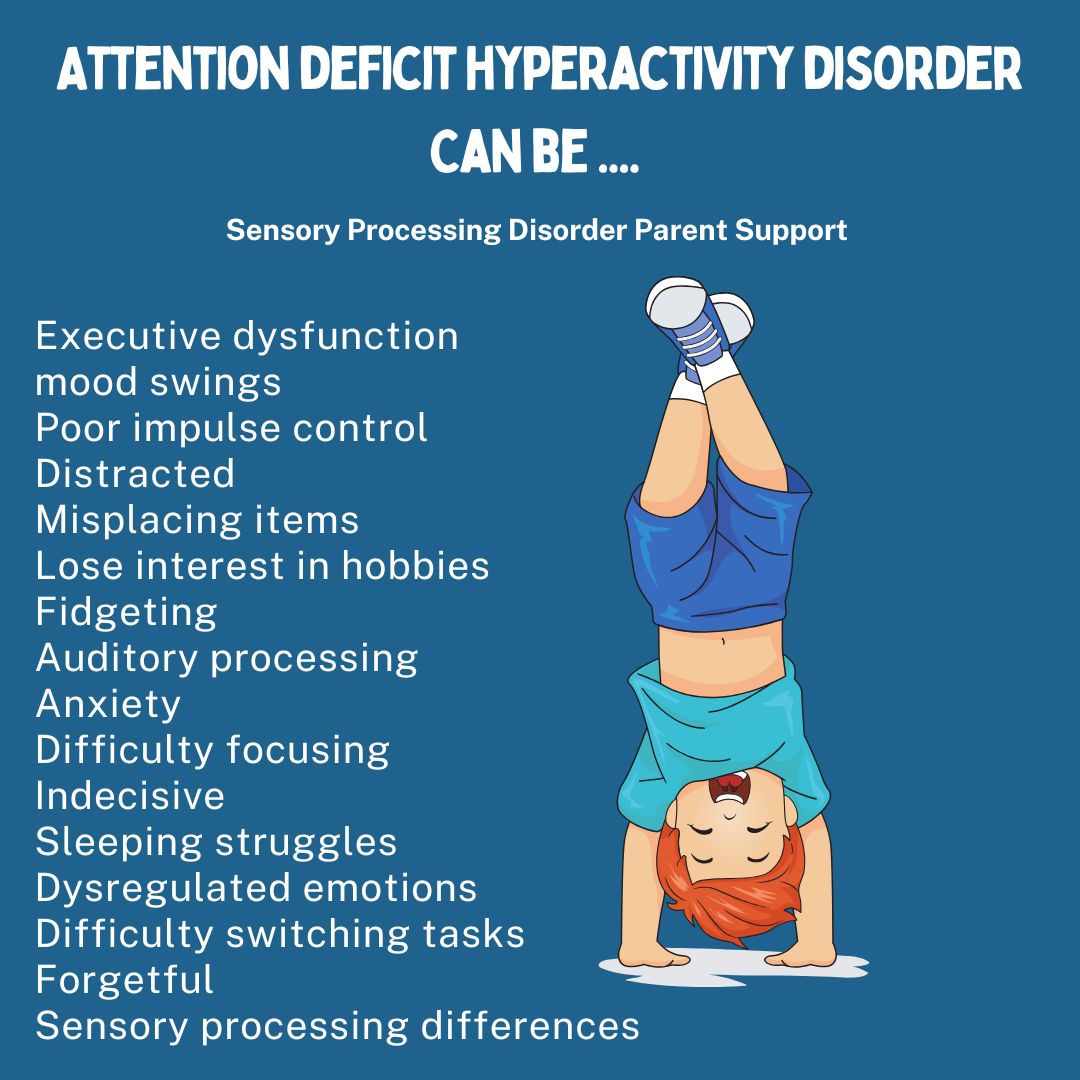
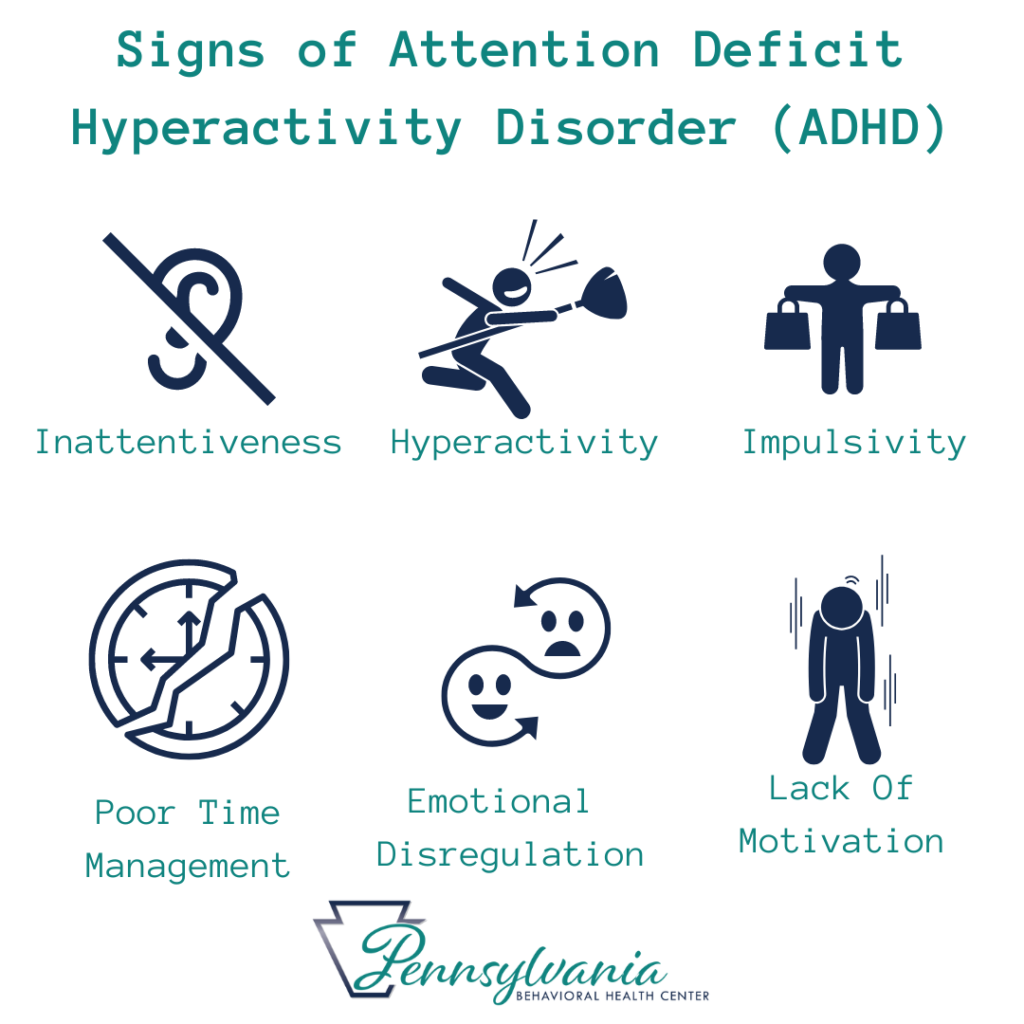
In the traditional clinical sense, “Attention Deficit Syndrome” refers to a neurodevelopmental condition characterized by persistent patterns of inattention, hyperactivity, and impulsivity. However, in the modern landscape of rapid technological evolution, the term has taken on a profound second meaning: a systemic, tech-induced fragmentation of human cognition. As we navigate an era defined by the “Attention Economy,” the deficit is no longer just a biological trait for some, but a digital byproduct for all.
The technology industry has mastered the art of capturing focus, yet we are now seeing a critical pivot. From software architecture to AI-driven productivity tools, the tech world is shifting its focus from capturing attention to managing and restoring it. This article explores the intersection of cognitive science and technology, examining how our current digital ecosystem creates an attention deficit and how the next generation of tech tools aims to solve it.
The Architecture of Distraction: How the Attention Economy Recharged the Deficit
To understand the modern digital attention deficit, one must look at the underlying software engineering that governs our daily lives. For the past decade, the primary KPI (Key Performance Indicator) for most consumer tech has been “Time Spent.” This metric fueled the development of features that directly tap into the brain’s dopamine pathways, effectively inducing symptoms of inattention in the general population.
The Mechanics of Algorithmic Feedback Loops
Algorithms used by social media platforms and content aggregators are designed to provide “variable rewards.” This is the same psychological mechanism found in slot machines. By providing a constant stream of short-form, high-intensity content, software creates a high-stimulation environment where the brain becomes desensitized to low-stimulation, high-value tasks—such as deep work or long-form reading. This creates a functional “attention deficit,” where users find it increasingly difficult to sustain focus on a single stream of information.
Notification Fatigue and the Fragmentation of Work
The rise of “push” technology changed the way we interact with our devices. In a corporate tech environment, the constant ping of Slack, Microsoft Teams, and email creates a state of “continuous partial attention.” Research suggests that it takes an average of 23 minutes to return to a state of deep focus after a single interruption. In a tech-heavy workspace, these interruptions occur every few minutes, leading to a systemic deficit in cognitive throughput. This is not a failure of the individual’s biology, but a failure of digital environment design.
The Rise of “Calm Tech”: Software Solutions for Cognitive Restoration
As the detrimental effects of the attention economy become more apparent, a new niche in the tech industry has emerged: Calm Technology. This movement focuses on creating software and hardware that respects human attention rather than exploiting it. The goal is to move from “extractive tech” to “supportive tech.”
AI-Driven Focus Environments and Deep Work Assistants
Artificial Intelligence is being repositioned as a filter rather than a source of noise. New tools are leveraging LLMs (Large Language Models) to act as “Attention Gatekeepers.” For example, AI-powered email clients can now summarize long threads and highlight only the most critical action items, reducing the cognitive load on the user.
Furthermore, productivity software like Endel or Brain.fm uses AI to generate real-time generative soundscapes designed to induce flow states by masking environmental distractions and modulating brainwave activity. These tools represent a shift where technology is used to “bio-hack” our way out of the deficit that technology itself created.
Minimalist Hardware and the “De-Googling” Movement
Beyond software, we are seeing a resurgence in “minimalist tech.” Devices like the Light Phone II or the Remarkable paper tablet are engineered to be “purpose-built” rather than “all-purpose.” By intentionally removing browsers, social media, and infinite scroll features, these gadgets provide a hardware-level solution to attention deficit. They provide the utility of modern connectivity—GPS, messaging, and voice—without the digital “noise” that fragments focus.
UX Design for the Neurodivergent Mind: Building Inclusive Software
The conversation around attention deficit is also driving a revolution in User Experience (UX) design. Designers are increasingly adopting “Neuro-Inclusive” principles, recognizing that a significant portion of the user base may have clinical ADHD or similar cognitive profiles.
Cognitive Load Reduction and Interface Clarity
Modern tech interfaces are moving away from maximalism. “Dark mode,” “Focus modes,” and “Reader views” are now standard features across browsers and operating systems (iOS and Android). These features are designed to minimize visual clutter—which is the digital equivalent of background noise. By reducing the number of competing stimuli on a screen, designers can help users with attention deficits maintain their “attentional spotlight” on the task at hand.
Gamification as a Tool for Engagement, Not Addiction
While gamification was once used to keep users “hooked,” it is now being repurposed to help those with attention deficits navigate complex or mundane tasks. Apps like Habitica or Tiimo use game mechanics to provide the immediate dopamine feedback that neurodivergent brains often lack. By transforming daily routines into “quests” and providing visual rewards for completion, these apps provide a technological scaffolding for executive function.
Digital Security and the High Cost of Inattention
In the realm of cybersecurity, the digital attention deficit is more than a productivity issue; it is a major security vulnerability. Cybercriminals have learned to exploit the distracted state of the modern worker, leading to an increase in successful social engineering and phishing attacks.
The Psychology of the “Distraction Attack”
Most security breaches occur when a user is in a “high-load” cognitive state. When an individual is juggling multiple notifications and rapid-fire communications, their ability to critically evaluate a suspicious link or a fraudulent email diminishes significantly. Hackers often time their attacks to coincide with times of high stress or distraction, knowing that an attention-starved brain is more likely to make an impulsive error.
AI Protective Shields and Automated Vigilance
To counter this, the cybersecurity industry is deploying AI that doesn’t rely on human attention. “Zero Trust” architectures and AI-driven threat detection operate in the background, assuming that the user will eventually make a mistake due to distraction. By automating the verification of every login attempt and scanning every attachment in real-time, tech is creating a safety net for a workforce that is perpetually over-stimulated.
The Future Frontier: Bio-Tech and Cognitive Enhancement
Looking forward, the tech industry is moving toward a more direct integration with human cognition to address the attention deficit. This “Cognitive Tech” sector moves beyond the screen and into the realm of bio-feedback and neuro-enhancement.
Wearables and Real-Time Biofeedback
We are seeing the emergence of wearables that monitor cognitive state in real-time. Devices like the Flowtime headband or FocusCalm use EEG (electroencephalogram) sensors to track brain activity. When the device detects that the user’s attention is drifting or that their stress levels are rising, it can trigger a notification on their phone or adjust their environmental lighting to help them refocus. This creates a closed-loop system where tech helps the brain regulate its own attention levels.

The Ethical Implications of Attention Optimization
As tech moves closer to the human brain, we face a new set of ethical questions. If we rely on AI to filter our reality and wearables to manage our focus, do we lose our innate ability to self-regulate? The tech industry must balance the development of “Focus Tools” with the need for digital autonomy. The goal of the next decade of technology should not be to replace human focus, but to provide the infrastructure that allows it to flourish in an increasingly complex world.
In conclusion, “Attention Deficit Syndrome” is no longer a concept confined to medical journals. It has become a central challenge for the technology industry. Whether through AI-driven focus tools, minimalist hardware, or neuro-inclusive design, the future of tech will be defined by its ability to give us back the one resource it spent the last twenty years taking away: our attention.
aViewFromTheCave is a participant in the Amazon Services LLC Associates Program, an affiliate advertising program designed to provide a means for sites to earn advertising fees by advertising and linking to Amazon.com. Amazon, the Amazon logo, AmazonSupply, and the AmazonSupply logo are trademarks of Amazon.com, Inc. or its affiliates. As an Amazon Associate we earn affiliate commissions from qualifying purchases.