
In the traditional medical landscape, the question “what is a normal total cholesterol level?” was answered with a simple numerical range provided on a printed lab report. However, as we move deeper into the era of the Internet of Medical Things (IoMT) and Artificial Intelligence, the definition of “normal” is being recalibrated by sophisticated algorithms, high-precision sensors, and big data analytics. Technology is no longer just a tool for measurement; it is the primary architect of personalized health baselines.
Today, understanding your cholesterol is less about a single point in time and more about a continuous stream of data points analyzed through the lens of digital health platforms. From AI-driven predictive modeling to the latest in non-invasive wearable sensors, technology is transforming how we define, monitor, and optimize our cardiovascular health.

The Evolution of Lipid Testing: From Static Labs to Living Rooms
The shift from clinical laboratory settings to consumer-facing technology has revolutionized our access to metabolic data. Historically, determining a “normal” cholesterol level required a fasted blood draw and a multi-day wait for results. Today, the convergence of biotechnology and software engineering has decentralized this process.
At-Home Lab Kits and Digital Integration
The rise of HealthTech startups has popularized at-home lipid panel kits. These kits utilize micro-sampling technology that allows users to collect a small capillary blood sample and send it to a certified lab. However, the real “tech” lies in the digital integration that follows. Platforms now offer APIs that sync these results directly with health dashboards, allowing for a longitudinal view of total cholesterol, LDL, HDL, and triglycerides. This digital record-keeping eliminates the fragmentation of paper records and provides a “single source of truth” for a user’s metabolic health.
Smart Wearables and Non-Invasive Monitoring
While traditional blood tests remain the gold standard, the tech industry is racing toward non-invasive monitoring. Companies are currently developing optical sensors that use Raman spectroscopy and multi-wavelength infrared light to estimate lipid levels through the skin. By analyzing the scattering of light as it passes through interstitial fluid and blood vessels, these wearable devices aim to provide real-time feedback. While still in the developmental and regulatory phases, this technology promises a shift from “snapshots” of cholesterol levels to “live streams,” allowing users to see how specific digital nutrition plans or exercise regimens affect their markers in real-time.
Understanding the Data: How AI Interprets “Normal” Cholesterol Levels
In a purely technical sense, “normal” is a statistical average. But for an individual, a statistical average may be clinically irrelevant. This is where Artificial Intelligence (AI) and Machine Learning (ML) are redefining the parameters of cardiovascular health.
Personalized Health Baselines vs. Population Averages
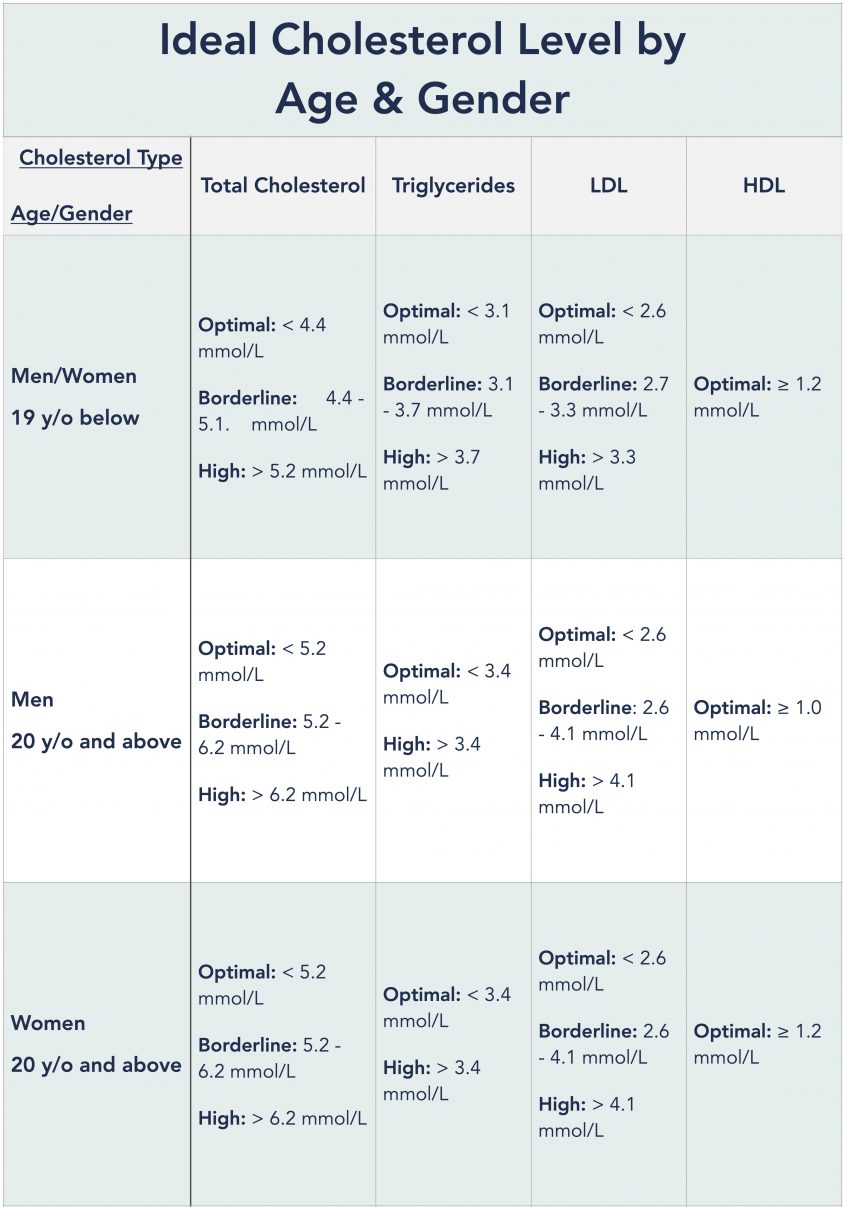
Traditional medicine often uses a “one size fits all” threshold—typically aiming for a total cholesterol level below 200 mg/dL. However, AI-driven platforms can process thousands of variables, including genetic markers (SNPs), age, activity levels captured by smartwatches, and even environmental data. By applying machine learning algorithms, these platforms can determine a “personalized normal.” For instance, an athlete with high HDL (good cholesterol) might have a “total” level slightly above 200 mg/dL, which an algorithm would flag as optimal, whereas a standard lab report might flag it as a risk.
Predictive Analytics in Cardiovascular Risk
The power of software lies in its ability to predict the future. Modern health tech uses predictive analytics to calculate “Cardiovascular Risk Scores” far more accurately than the traditional Framingham Risk Score. By using Neural Networks, these systems can analyze the interaction between total cholesterol levels and other digital biomarkers, such as Heart Rate Variability (HRV) and sleep architecture. This allows the software to provide a “Bio-Age” or a “Risk Horizon,” telling the user not just what their level is today, but what their risk of a cardiac event might be in ten years based on current data trends.
Digital Security and Privacy in the Age of Bio-Data
As we transition our lipid profiles and metabolic data into the cloud, the conversation around “what is a normal cholesterol level” must include a discussion on digital security. Your biological data is the most sensitive information you own, and its protection is a paramount concern in the tech industry.
Encrypting Your Lipid Profile
HealthTech companies are increasingly adopting end-to-end encryption and decentralized storage solutions, such as blockchain, to secure health records. When you upload your cholesterol data to a health app, that data is often “anonymized” and “sharded” across multiple servers. This ensures that even in the event of a data breach, an individual’s lipid profile cannot be easily re-associated with their identity. The tech stack for health apps now requires rigorous compliance with frameworks like HIPAA (in the US) and GDPR (in the EU), pushing developers to prioritize security-by-design.
The Ethics of Algorithmic Health Insurance
A burgeoning area of tech concern is how “normal” cholesterol data is used by third parties. InsurTech (Insurance Technology) firms are beginning to experiment with dynamic premium pricing based on wearable data. While this can reward those with “normal” levels, it raises significant ethical questions regarding data privacy and algorithmic bias. The tech community is currently debating the implementation of “data firewalls” that would prevent insurers from accessing granular health data while still allowing users to benefit from digital health tracking.
The Future of Cholesterol Management: Nanotech and Real-Time Alerts
The roadmap for lipid management technology suggests a future where “normal” is maintained autonomously through the Internet of Medical Things (IoMT). We are moving toward an ecosystem where our devices do not just monitor us, but actively intervene.
Integration with the Internet of Medical Things (IoMT)
The future of health tech lies in the “Smart Home” ecosystem. Imagine a smart mirror that uses computer vision to detect xanthomas (cholesterol deposits) around the eyes, or a smart refrigerator that adjusts its grocery recommendations based on your latest cholesterol sync. This level of integration ensures that maintaining a “normal” level is not a matter of willpower, but a result of a supportive digital environment. The IoMT creates a feedback loop where every device in your life is aligned with your metabolic goals.
Machine Learning and Lifestyle Optimization
Advanced software is now moving into the realm of “Digital Therapeutics” (DTx). These are evidence-based software programs driven by ML that are “prescribed” to help lower cholesterol. These apps use behavioral science and Nudge Theory, powered by algorithms, to encourage habits that keep total cholesterol within the optimal range. By analyzing a user’s specific response to different types of fiber or cardiovascular HIIT (High-Intensity Interval Training) sessions, the app creates a hyper-customized roadmap that evolves as the user’s biology changes.
Conclusion: The New Digital Standard for Health
What is a normal total cholesterol level? In the context of modern technology, the answer is no longer a static number. It is a dynamic, AI-calculated metric that lives within your digital ecosystem. It is the result of high-resolution data collection, secure cloud processing, and personalized algorithmic interpretation.
As HealthTech continues to advance, the focus will shift from simply knowing our numbers to understanding the “why” behind them. Through the power of software, AI, and the IoMT, we are gaining the tools not only to monitor our “normal” levels but to actively engineer a future of optimal cardiovascular health. In this digital age, your cholesterol level is more than just a lab result—it is a vital data point in the ongoing story of your life, managed and protected by the most advanced technology humanity has ever created.
aViewFromTheCave is a participant in the Amazon Services LLC Associates Program, an affiliate advertising program designed to provide a means for sites to earn advertising fees by advertising and linking to Amazon.com. Amazon, the Amazon logo, AmazonSupply, and the AmazonSupply logo are trademarks of Amazon.com, Inc. or its affiliates. As an Amazon Associate we earn affiliate commissions from qualifying purchases.