
In the current landscape of health technology, the question “what is a good number for BMI?” has transitioned from a simple clinical inquiry into a complex data science challenge. Traditionally, Body Mass Index (BMI) was a rudimentary calculation—weight in kilograms divided by height in meters squared. However, in the era of high-performance wearables, artificial intelligence, and personalized medicine, the definition of a “good” number is being redefined by digital precision and holistic data integration.
For tech enthusiasts, developers, and digital health practitioners, BMI is no longer just a static figure on a chart. It is a foundational data point within a vast ecosystem of biometric information. To understand what constitutes a “good” number today, we must look through the lens of modern technological advancements that provide context, accuracy, and actionable insights.

The Digital Transformation of Body Mass Index (BMI)
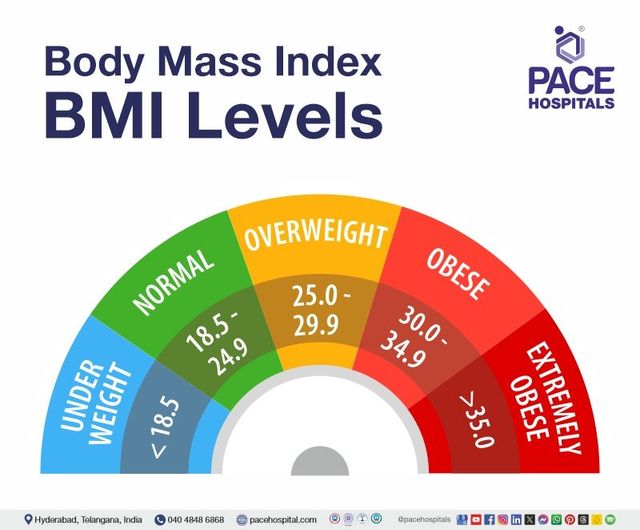
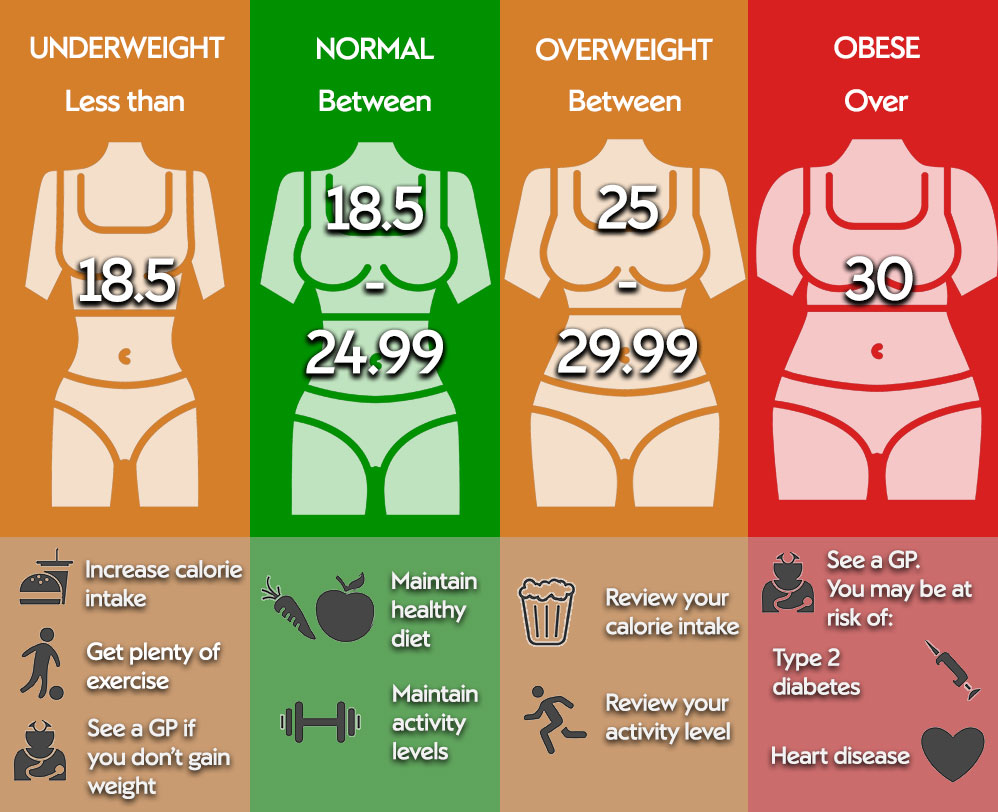
The evolution of BMI from a 19th-century formula to a core component of digital health platforms marks a significant shift in how we approach wellness. While the standard medical range for a “healthy” BMI is 18.5 to 24.9, the technology sector is challenging the utility of this “one-size-fits-all” metric by surrounding it with high-fidelity data.
From Manual Calculation to Algorithmic Accuracy
In the pre-digital era, determining a good BMI was a manual task prone to human error and lack of context. Today, sophisticated health algorithms analyze BMI in conjunction with age, gender, and activity levels. Modern software platforms, such as those powering the latest smart scales and fitness trackers, use multi-frequency bioelectrical impedance analysis (BIA) to differentiate between muscle mass and fat mass. This technology ensures that the “number” on the screen is interpreted correctly. A high BMI in a professional athlete, for instance, is flagged as “healthy” by an intelligent algorithm that detects low body fat percentages, a feat the traditional formula could never achieve.
The Role of Wearable Sensors in Monitoring Body Metrics
Wearables have revolutionized how we track the efficacy of a “good” BMI. Devices like the Oura Ring, Apple Watch, and WHOOP do not just record weight; they track the physiological impact of that weight. By monitoring Heart Rate Variability (HRV), VO2 max, and sleep cycles, these devices help users understand if their current BMI is optimized for their specific biology. A “good” number is increasingly defined by how it correlates with these secondary digital biomarkers. If a user’s BMI is 26 (technically “overweight”) but their digital cardiovascular recovery metrics are elite, the tech-driven insight suggests that the number is, in fact, optimal for that individual’s performance profile.
Integrating BMI Data into Health-Tech Ecosystems
The utility of a BMI score is significantly enhanced when it exists within an integrated tech ecosystem. The modern digital health stack allows for a “good” BMI number to be leveraged across various platforms, from insurance underwriting algorithms to personalized nutrition apps.
API Connectivity and Cross-Platform Health Data
The power of contemporary health tech lies in interoperability. Through APIs like Apple HealthKit and Google Fit, a BMI measurement taken by a smart scale in the bathroom is instantly transmitted to a user’s nutrition logging app, their virtual coach’s dashboard, and even their primary care physician’s Electronic Health Record (EHR). This connectivity transforms the BMI number from a static stat into a dynamic variable. For software developers, the challenge is creating “liquid data”—ensuring that the BMI metric remains consistent and accessible across different UI/UX environments while providing meaningful context to the user.
Real-Time Monitoring vs. Snapshot Metrics
Historically, BMI was a “snapshot” taken during an annual physical. Technology has shifted this to “continuous monitoring.” Smart scales now sync automatically via Wi-Fi, allowing for the visualization of BMI trends over months and years. Data visualization tools and heat maps help users see how seasonal changes or lifestyle shifts affect their numbers. In the tech world, a “good” number is often viewed as a stable or improving trendline rather than a single point in time. Machine learning models can now predict where a user’s BMI will be in six months based on current caloric intake and activity data, allowing for proactive health adjustments.
AI and Machine Learning: Moving Beyond the “Average” Number
Artificial Intelligence (AI) is the most significant disruptor in the quest to define a “good” BMI. By processing millions of data points, AI is moving the industry away from population averages and toward “precision health.”
Predictive Analytics for Chronic Disease Prevention
AI-driven health platforms use BMI as a primary input for predictive modeling. By analyzing a user’s BMI alongside genetic data (from services like 23andMe) and microbiome results, AI can assess the risk of metabolic syndrome or Type 2 diabetes with startling accuracy. In this context, a “good” BMI is one that minimizes the risk score generated by the predictive engine. For some users, a BMI of 22 might be the target, while for others, 24 might be perfectly safe based on their unique metabolic markers.
Personalization Engines: Why One Number Doesn’t Fit All
The “Goldilocks Zone” of BMI is being personalized by AI-driven coaching apps. These tools use “N-of-1” trial logic, where the software learns the user’s specific responses to diet and exercise. If the data shows that a user’s cognitive performance and energy levels are highest when their BMI is 23.5, the AI sets that as the “good” target, regardless of whether it sits at the high end of the traditional spectrum. This shift toward hyper-personalization is the hallmark of the current “Body-Tech” era.
Digital Security and the Privacy of Biometric Data
As BMI and other biometric data become more integrated into the tech landscape, the security of this information has become a paramount concern. A “good” number is only beneficial if it is stored and transmitted securely.
HIPAA Compliance and Data Encryption in Health Apps
For developers and tech companies, managing BMI data requires a rigorous adherence to privacy standards like HIPAA in the US and GDPR in Europe. Because BMI is considered Protected Health Information (PHI) when linked to an individual’s identity, health-tech startups must invest heavily in end-to-end encryption. A “good” number for BMI in the eyes of a cybersecurity expert is one that is obfuscated and secure, protected from data breaches that could lead to discriminatory practices by third parties.
The Blockchain Solution for Medical Records
One of the most promising tech trends in health data management is the use of blockchain for “Self-Sovereign Identity.” In this model, a user’s BMI and other health metrics are stored on a decentralized ledger. The user grants temporary access to providers or apps via smart contracts. This ensures that while a “good” BMI is tracked and utilized for health improvements, the data remains under the absolute control of the individual, preventing unauthorized mining of sensitive biometric information.
The Future of BMI: Digital Twins and Virtual Health Assessment
Looking forward, the concept of a “good” BMI will likely be subsumed into the development of “Digital Twins.” This represents the pinnacle of health technology, where a virtual 3D model of a person is created using their real-world data.
In a Digital Twin environment, a BMI of 25 isn’t just a number; it’s a variable used to run simulations. Users can see a digital rendering of how their internal organs, joint stress, and longevity might change if they were to lower their BMI by two points. This visual and predictive tech makes the abstract concept of a “good number” tangible. It allows for “What If” scenarios—simulating the impact of weight loss or muscle gain on a virtual heart or liver before the user even steps foot in a gym.
Furthermore, as we move toward the integration of Augmented Reality (AR) in healthcare, a “good” BMI might be displayed through smart glasses during a workout, providing real-time feedback on how current physical exertion is optimizing body composition.
Conclusion: The New Definition of “Good”
In the realm of technology, a “good” number for BMI is no longer found on a static printed chart in a doctor’s office. Instead, it is a dynamic, AI-informed, and highly personalized data point. It is a number that is integrated into a wider ecosystem of wearables, secured by advanced encryption, and visualized through sophisticated software.
As we continue to innovate, the focus will move further away from the number itself and more toward the insights that number provides. For the tech-savvy individual, a “good” BMI is one that reflects a balanced state of health as validated by a suite of digital tools, ensuring that the human “hardware” is running at peak efficiency in a data-driven world.
aViewFromTheCave is a participant in the Amazon Services LLC Associates Program, an affiliate advertising program designed to provide a means for sites to earn advertising fees by advertising and linking to Amazon.com. Amazon, the Amazon logo, AmazonSupply, and the AmazonSupply logo are trademarks of Amazon.com, Inc. or its affiliates. As an Amazon Associate we earn affiliate commissions from qualifying purchases.